- Chapter Books
- Ages 8–11
- Contemporary
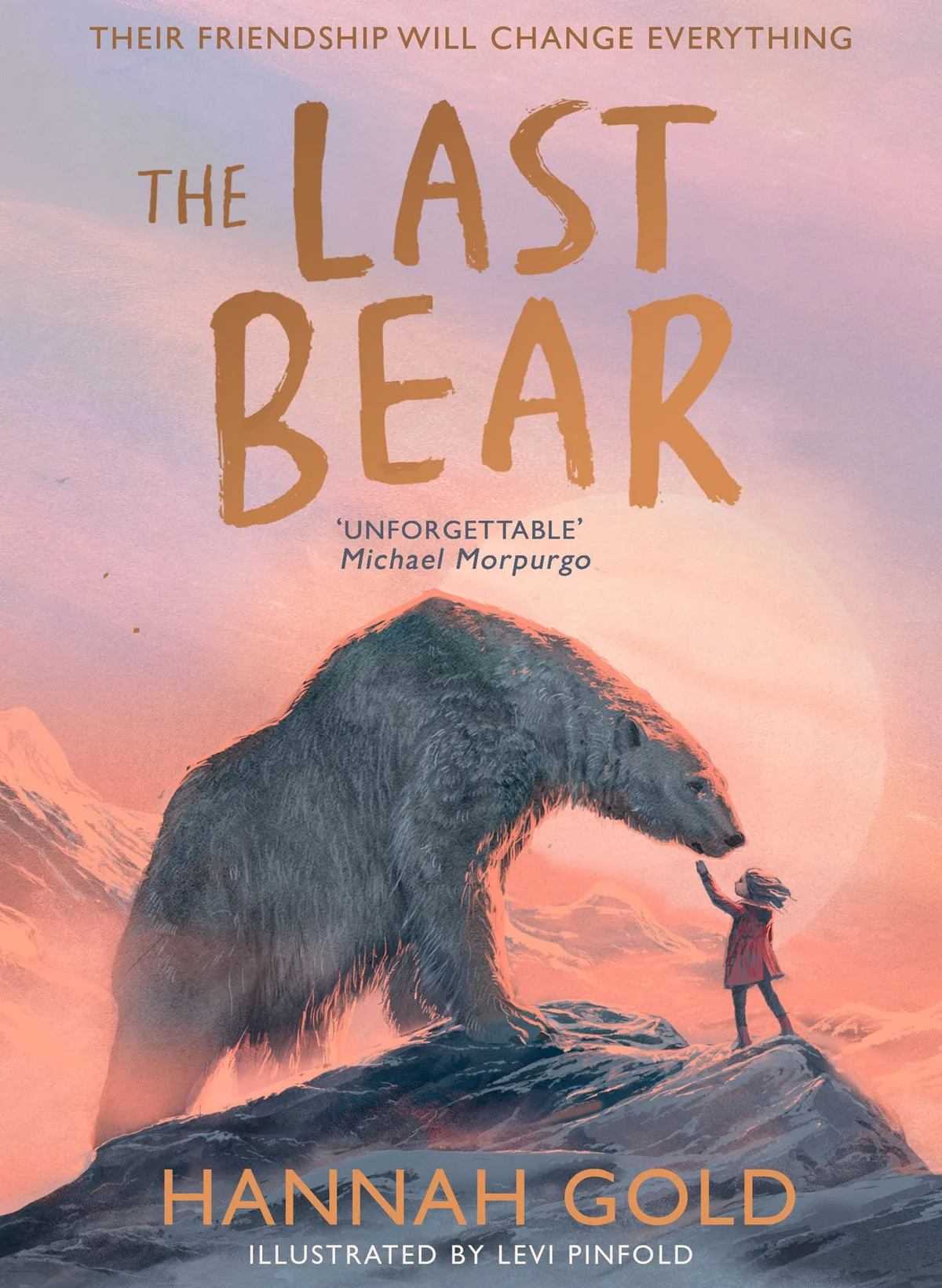
The Last Bear
Affiliate links — buy through these retailers and we earn a small commission, at no extra cost to you.
Part of the The Last Bear universeOpen the collection
A modern eco-adventure classic: emotionally rich, beautifully illustrated, and built around an unforgettable bond between a lonely girl and a polar bear. Excellent for readers who like animal stories with real-world urgency and a big heart.
- Best for8–11
- FormatChapter
- Length304 pp
- Read aloud~4 hr20 min
Affiliate links — buy through these retailers and we earn a small commission, at no extra cost to you.
The vibe
What it’s like.
Style
- Literary
- Conversational
Tone
- Heartwarming
- Adventurous
- Thought provoking
- Bittersweet
- Inspirational
Themes
Experience meters
What’s it about?
The story.
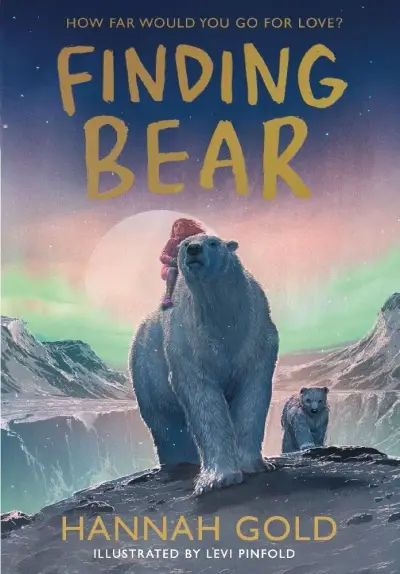
April Wood travels with her father to a remote Arctic weather station on Bear Island, a place where polar bears are no longer supposed to live. Her father is busy with his scientific work, leaving April lonely and restless, until she discovers an injured polar bear surviving against the odds. As April slowly earns the bear's trust, their connection becomes both a friendship and a call to action. This is a moving, accessible middle-grade novel that blends adventure, climate awareness and emotional family material without becoming dry or didactic. The Arctic setting gives the story grandeur and danger, while Levi Pinfold's illustrations add atmosphere and gift-book quality. The book is best for readers who can handle some peril and sadness but want a hopeful, compassionate story about one child deciding that doing something matters.
Fit check
Right for your child?
Where it lands by age
- 1
- 3
- 5
- 7
- 9
- 11
- 13
- Best fit · 8–11
- Read aloud · 8–11
- Independent · 8–12
Prose load
Moderate
Visual support
Moderate
Reluctant-reader friendly
Workable
Read-aloud quality
Excellent
Works well for
- Reading aloud
Preview before sharing if a child is sensitive to: animal harm, illness or disability.
Bedtime suitability
3 / 5 · Workable
Sensitive-child
2 / 5 · Use judgement
Graphic intensity
2 / 5 · Mild
Best for
- Animal lovers
- Eco adventure
- Moving read aloud
- Beautifully illustrated
- Polar bear story
Avoid if
- Very sensitive to animal peril
- Wants comedy first
- Needs low emotional intensity
Particularly good for children who are…
- Interested in science
- Anxiety and worry
- Low self esteem
- Illness in family
In the classroom
How it works in school.
Hannah Gold's moving polar-bear adventure — a wonderful class novel and read-aloud about climate and courage, and a companion for environment topics.
A book children love that happens to support school — never a stand-in for the texts a class is taught with. Reviewed for the classroom · June 2026.
Why it lands
Why they love it.
Why kids love it
The specific feeling is being trusted with something big — April is the only person who knows about the bear, the only person doing anything about him, the only one who cares. A nine-year-old reading it discovers what it feels like to be morally responsible for someone, and to have the world quietly count on you.
- Animal companions
- Making a difference
- Adventure and freedom
- Friendship and belonging
Why parents love it
The modern eco-novel to put in front of an eight-to-eleven-year-old who's started caring about the planet. April's friendship with the polar bear lands as both emotional comfort and quiet call to action. Levi Pinfold's illustrations are gift-book quality; the book deserves them. The kind of children's novel that wins prizes for a reason.
- Beautiful illustrations
- Conversation starter
- Great writing
- Bedtime appropriate
About the creators
About the creators.
If you liked this
Three ways out of this book.
If you liked this, try…
Lateral matches. Same shelf, different texture.
Come into this from…
Easier or preparing reads — perfect lead-ins.
Where to go next…
Escalation reads — a step up in scale, silliness, or stakes.
More like this…
Books that share themes and topics with this one.