Teachers & schools
Books children love, that support school.
A home for teachers and curriculum-minded parents: the books worth reading aloud, the ones that hook reluctant readers, and the stories worth talking about, gathered by year group and key stage. Books for pleasure first, that happen to pull their weight in class.
By year group
Best books for Reception
Read-aloud picture books for Reception (ages 4–5): stories to join in with, talk about, and reach for again.
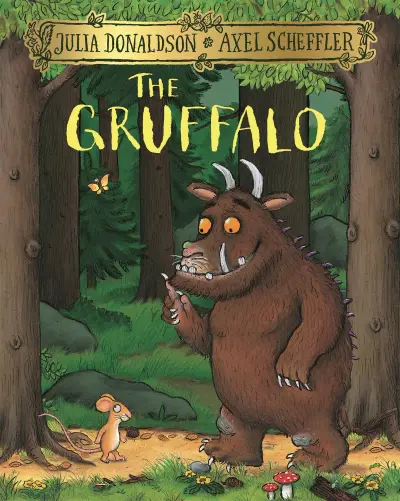
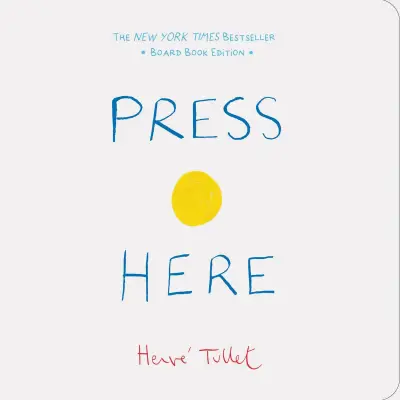
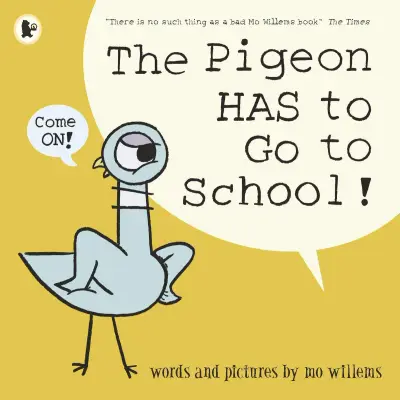
Best books for Year 1
Books for Year 1 (ages 5–6): rhyming read-alouds to chant and predict, warm stories about feelings, and early reads for the children going solo.
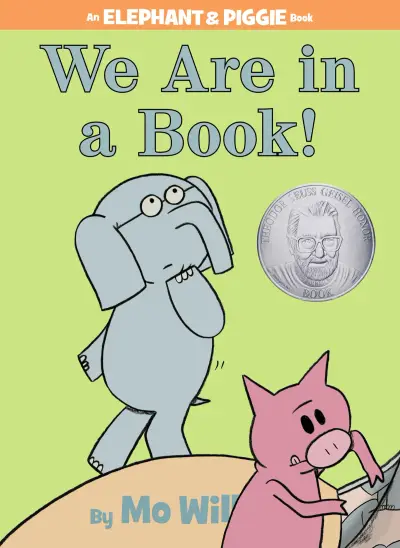
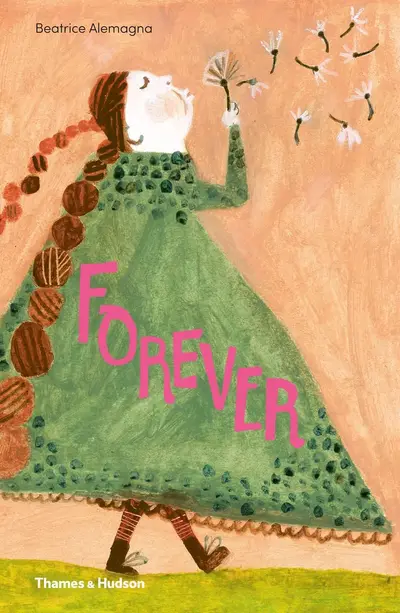
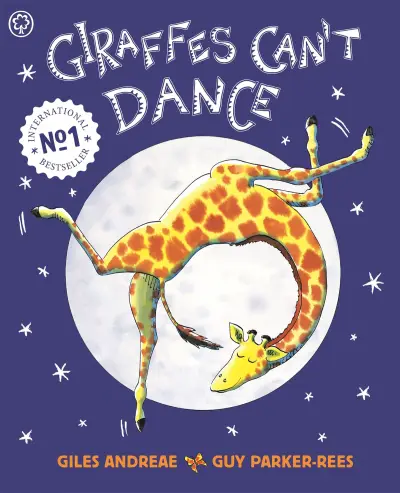
Best books for Year 2
Books for Year 2 (ages 6–7): picture books with more to chew on, first myths and traditional tales, and funny early comics for finding your stride.
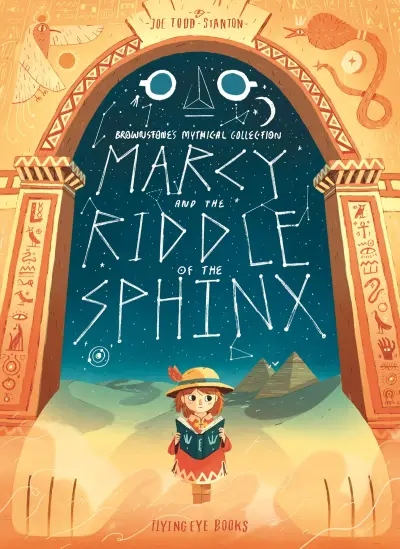
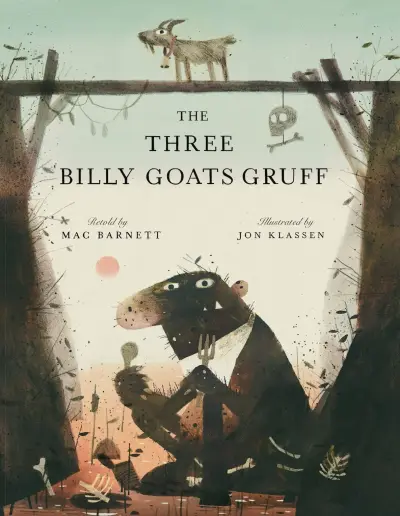
Best books for Year 3
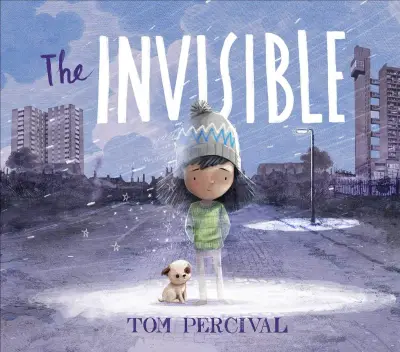
The books that keep Year 3 reading (ages 7–8): funny series and graphic novels, first short novels, and picture books worth discussing.
Best books for Year 4
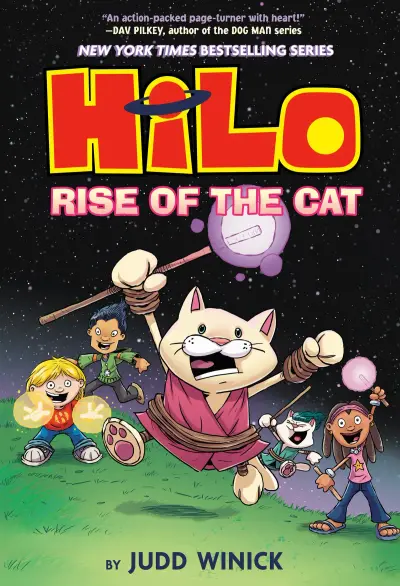
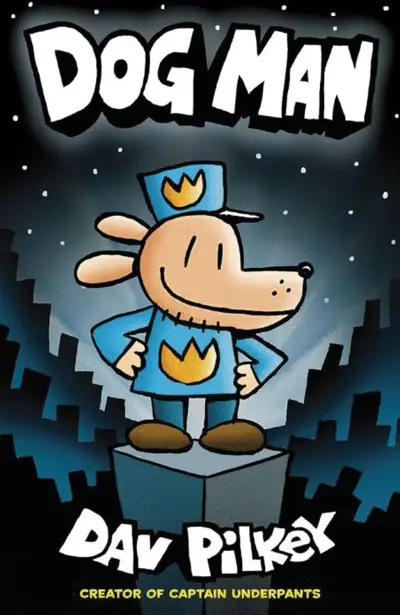
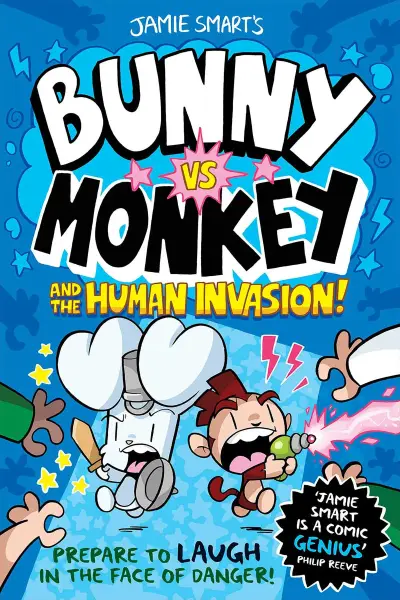
Books for Year 4 (ages 8–9): graphic novels and funny series for momentum, first proper novels and world myths, and picture books worth discussing.
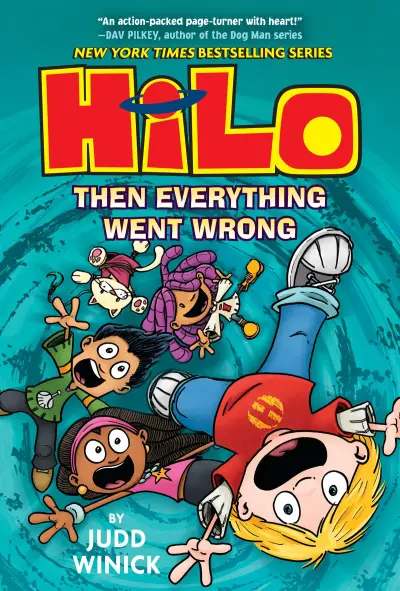
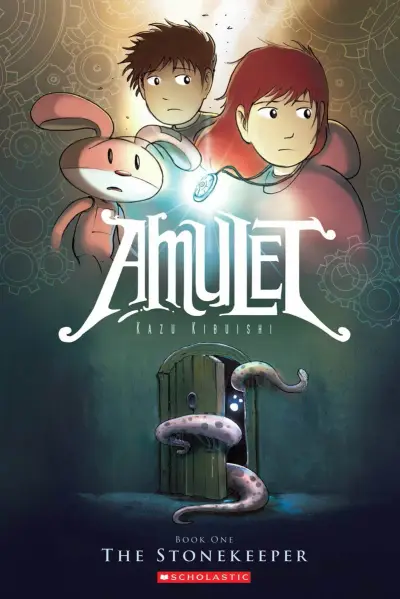
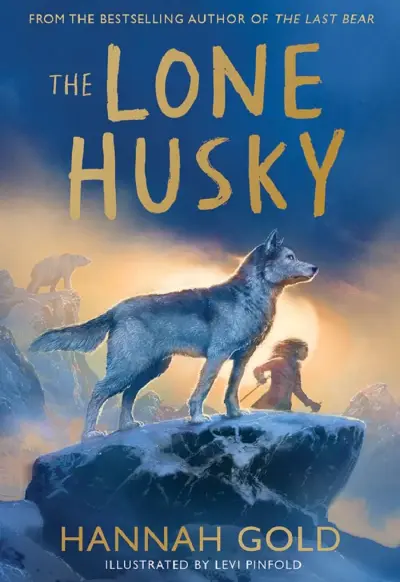
Best books for Year 5
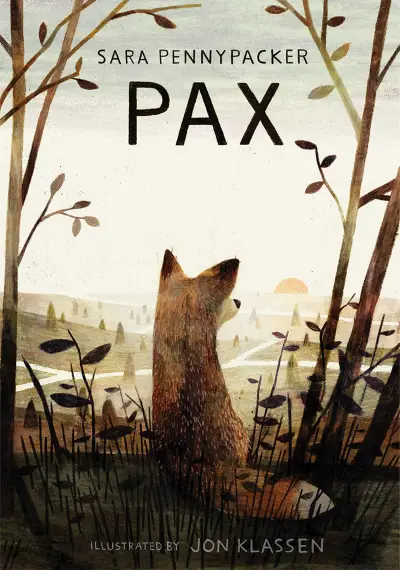
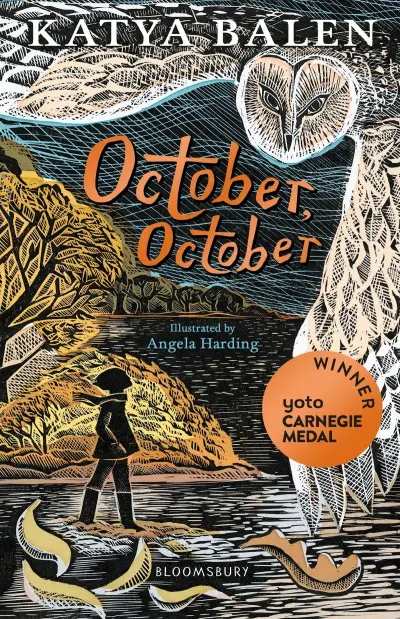
Books for Year 5 (ages 9–10): immersive class novels, graphic-novel memoirs that build empathy, a verse novel, and stories worth real discussion.
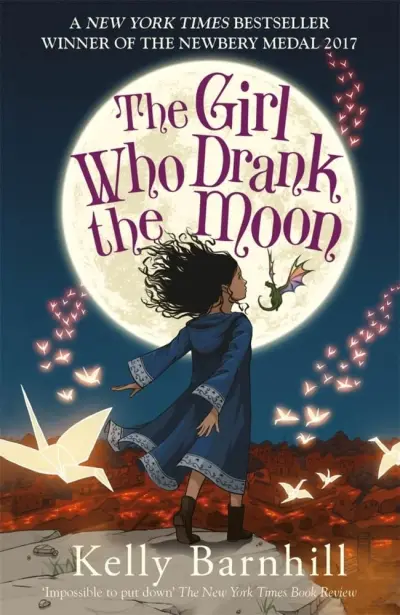
Best books for Year 6
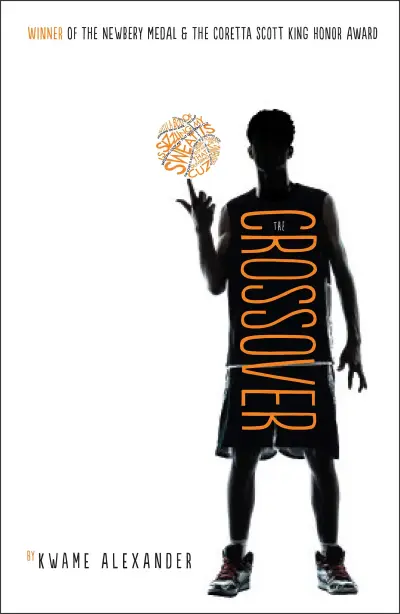
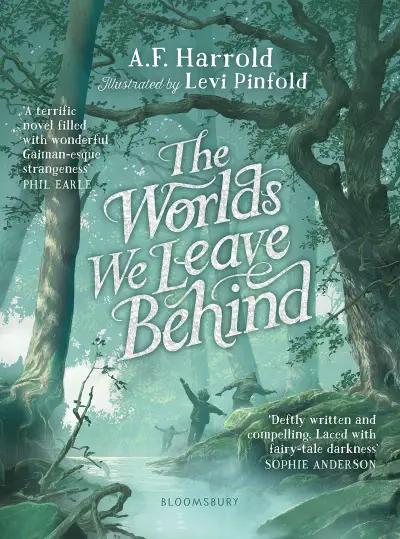
Books for Year 6 (ages 10–11): class novels with themes to debate, graphic-novel memoirs, and stories about identity and change for the run-up to secondary.
By key stage
Best books for EYFS & Reception
Books for EYFS and Reception (ages 3–5): lift-the-flaps, rhymes and animal noises to join in with, and gentle stories about big feelings.
Best books for Key Stage 1
Books for Key Stage 1 (Years 1–2, ages 5–7): rhyming read-alouds and traditional tales, funny early comics, and warm stories to talk about.
Best books for Lower Key Stage 2
Books for Lower KS2 (Years 3–4, ages 7–9): graphic novels and funny series for stamina, first novels and world myths, and picture books to discuss.
Best books for Upper Key Stage 2
Books for Upper KS2 (Years 5–6, ages 9–11): class novels, graphic-novel memoirs that build empathy, verse, and stories worth real discussion.
Best books for Key Stage 2
The best books for Key Stage 2 (ages 7–11): graphic novels and series that get children reading, class novels, world myths, and stories worth discussing.
Best books for Key Stage 3
Books for Key Stage 3 (ages 11–14): mature, honest stories about identity, justice and growing up, with graphic novels that pull drifting readers back in.
By teaching purpose
Best books to read aloud in class
The read-alouds that hold a whole class, Reception to Year 6: board books to chant, picture books to perform, and chapter books worth a daily cliffhanger.
Books to inspire children’s writing
Wordless and wildly imaginative books that hand children a world to write into: the best books to inspire writing across KS1 and KS2.
Best books for teaching inference
Picture books and wordless stories that reward reading between the lines: the best books for teaching inference across KS1 and KS2.
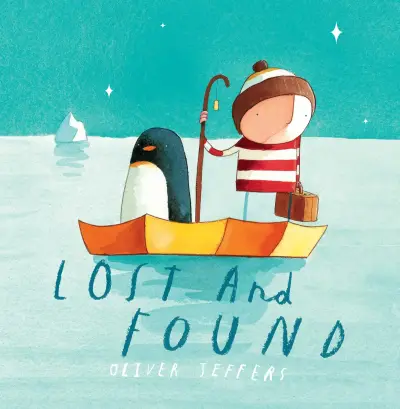
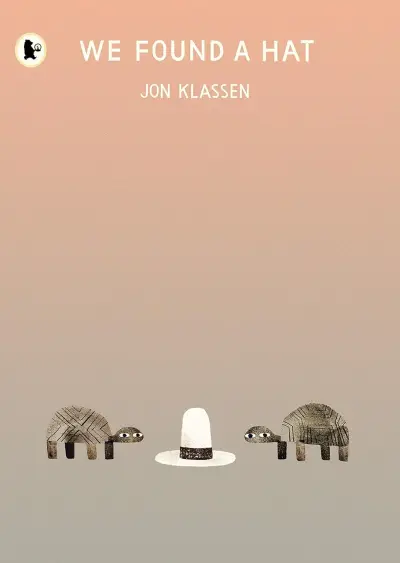
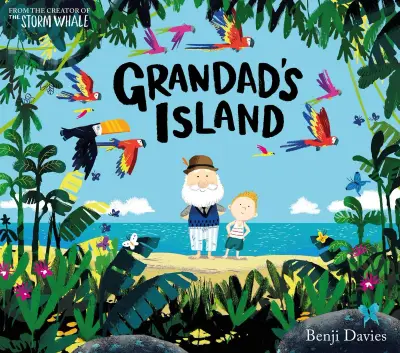
Best books for teaching prediction
Rhyming, repetitive and patterned stories that beg a child to guess what comes next: the best books for teaching prediction in EYFS and KS1.
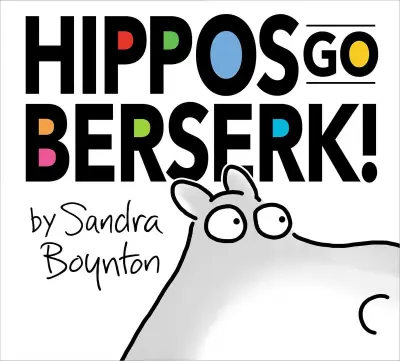
By topic
Best children’s books about space
Picture books, comics and novels to fuel a space topic: rockets, planets, the moon and the wonder of looking up, from Reception to Year 8.
Best children’s books about the sea
Whales, fish, crabs and deep-sea adventure: the best children’s books for an Under the Sea topic, from board books to Year 6 novels.
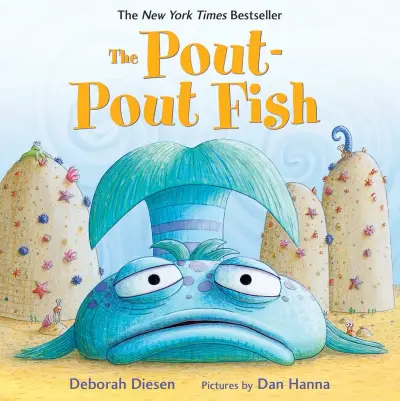
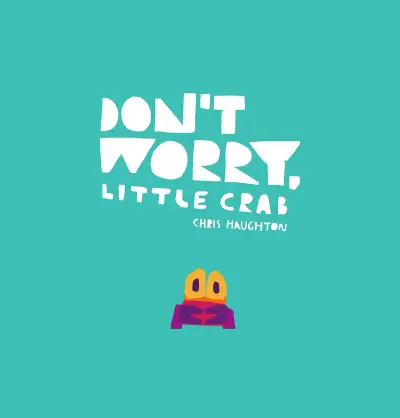
Best children’s books about dinosaurs
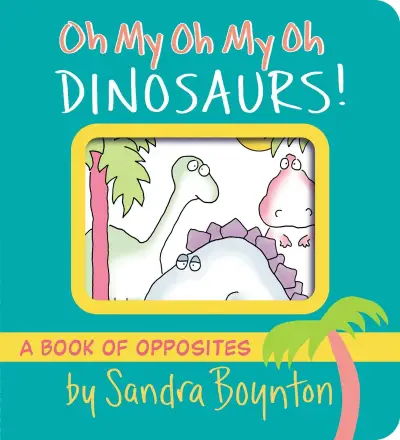
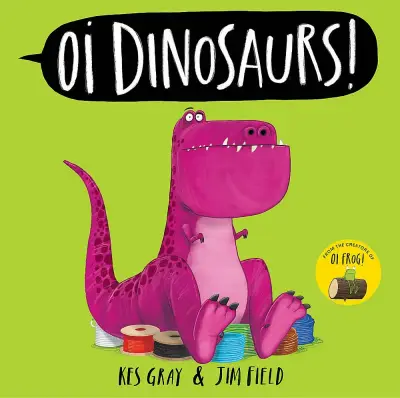
Roaring, stomping, giggling dinosaur stories for an EYFS or KS1 topic, plus a few for older fans who never grew out of them.
What this is, and isn’t
One More Book is a place to find books children will love. These pages add a school lens over that, no more: a way to find loved books that support a year group, key stage or topic. They are not phonics schemes, banded readers, lesson plans or curriculum notes, and they are never a substitute for the texts a school teaches with. Every list is shaped by hand, and you can also browse by school stage or explore all our reading lists.