One More BookFind a book

For teaching

Best books for teaching inference

Picture books and wordless stories that reward reading between the lines: the best books for teaching inference across KS1 and KS2.

11 booksAges 3–14Last reviewed June 2026

Inference is the skill of reading what a book does not quite say: the feeling behind a face, the reason a character acts, the meaning in a wordless spread. The books that teach it best are not exercises, they are stories rich enough that a class naturally starts asking why.

These are our favourites for exactly that. Several are wordless or near-wordless, where every clue is in the picture, and several carry real emotional weight under a quiet surface. They span Reception to the top of primary and beyond, so there is something for early inferring and for the deep, ambiguous reads that older children can sink into.

Loved first, useful second. Each one earns its place as a story children will want to pore over again.

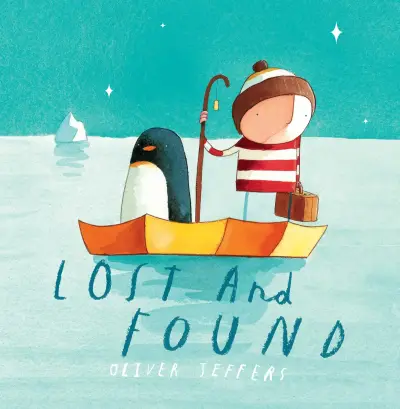
  1. Lost and Found

    A boy finds a penguin at his door and rows all the way to the South Pole to return it, only to realise the penguin wasn't lost at all, just lonely. Oliver Jeffers' warmest book, and the one most likely to make adults quietly well up.

  2. We Found a Hat

    Klassen tells you everything through eyes and pauses: a masterclass in inferring intent from the smallest visual clues.

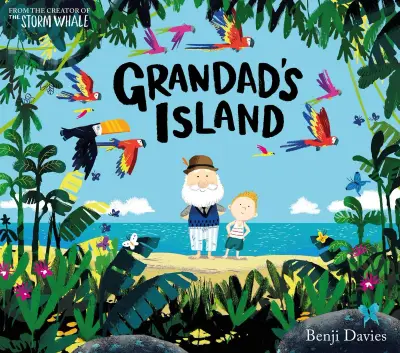
  3. Grandad's Island

    Syd and his Grandad have always had adventures, but one day, Grandad takes him somewhere extraordinary: a tropical island where Grandad decides to stay. A profound, gentle picture book about loss and letting go that never says a single difficult word directly.

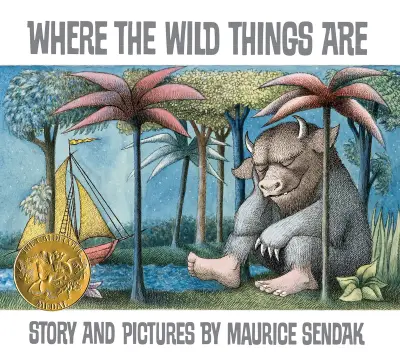
  4. Where the Wild Things Are

    A true picture-book classic about anger, fantasy, and returning to love after emotional storminess. It still feels wild, strange, and psychologically sharp rather than merely cosy.

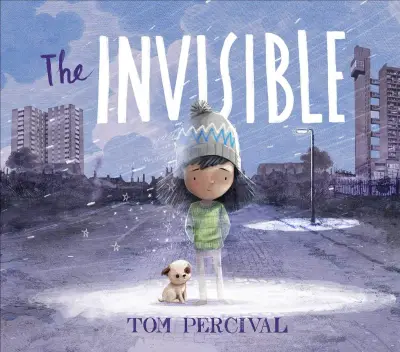
  5. The Invisible

    A compassionate picture book about poverty, feeling unseen and finding belonging through community care. One of Percival's most socially useful books, but it should be handled with sensitivity.

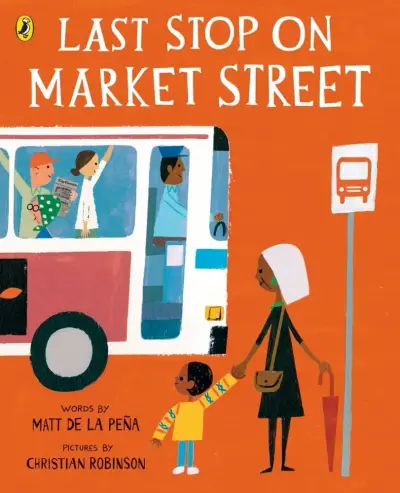
  6. Last Stop on Market Street

    A modern picture-book landmark about a boy and his grandmother travelling across the city and learning to see beauty, community and generosity. Essential for literary quality, empathy and urban everyday-life representation.

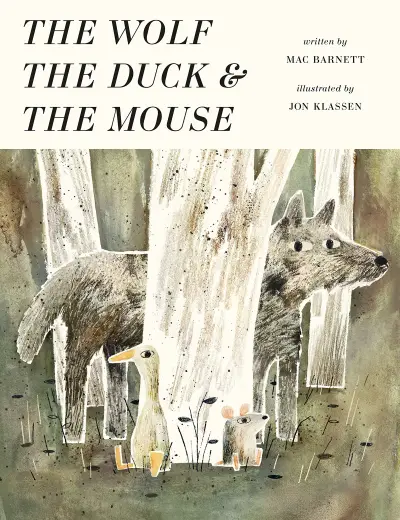
  7. The Wolf, the Duck, and the Mouse

    A deliciously odd, darkly funny picture book about being swallowed by a wolf and discovering a surprisingly comfortable life inside. It is brilliant for children who like macabre comedy, but worth avoiding for very sensitive readers.

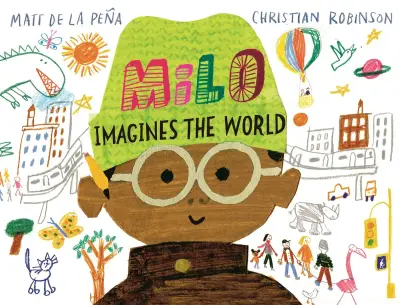
  8. Milo Imagines the World

    A thoughtful, emotionally sophisticated picture book about a boy drawing stories about strangers on the subway while travelling to visit his incarcerated mother. Powerful, empathetic and best for supported reading.

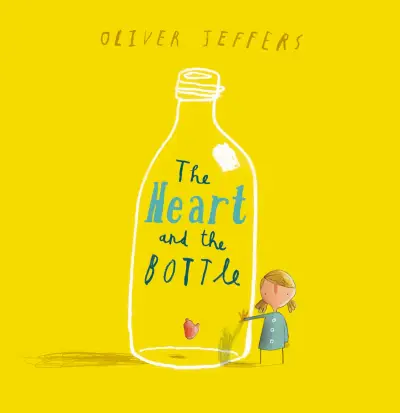
  9. The Heart and the Bottle

    A spare, deeply poignant picture book about grief, emotional self-protection and slowly reopening to wonder. It is one of Jeffers' most emotionally powerful books and best used thoughtfully with children ready for loss themes.

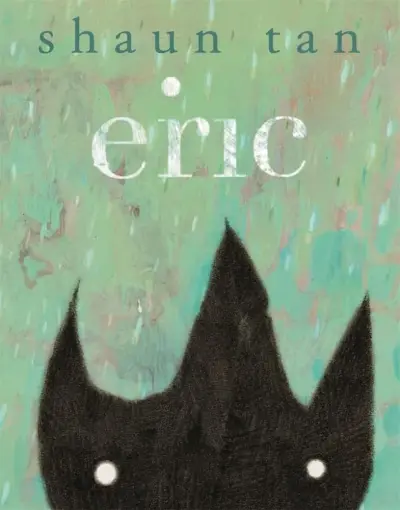
  10. Eric

    A tiny, gentle Shaun Tan story about hosting a mysterious foreign exchange student and learning to accept difference without fully understanding it.

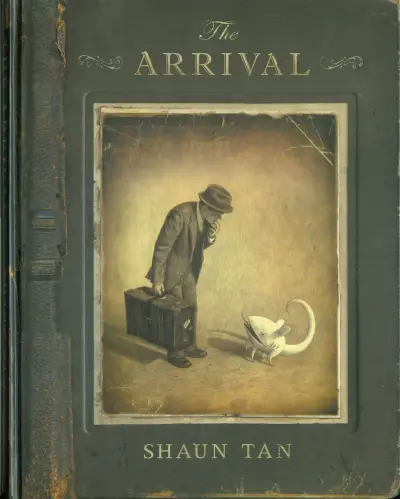
  11. The Arrival

    A wordless graphic novel where the whole story is inferred from images: extraordinary for older readers, and endless to discuss.

More ways to wander the room