- Picture Books
- Ages 3–7
- Adventure
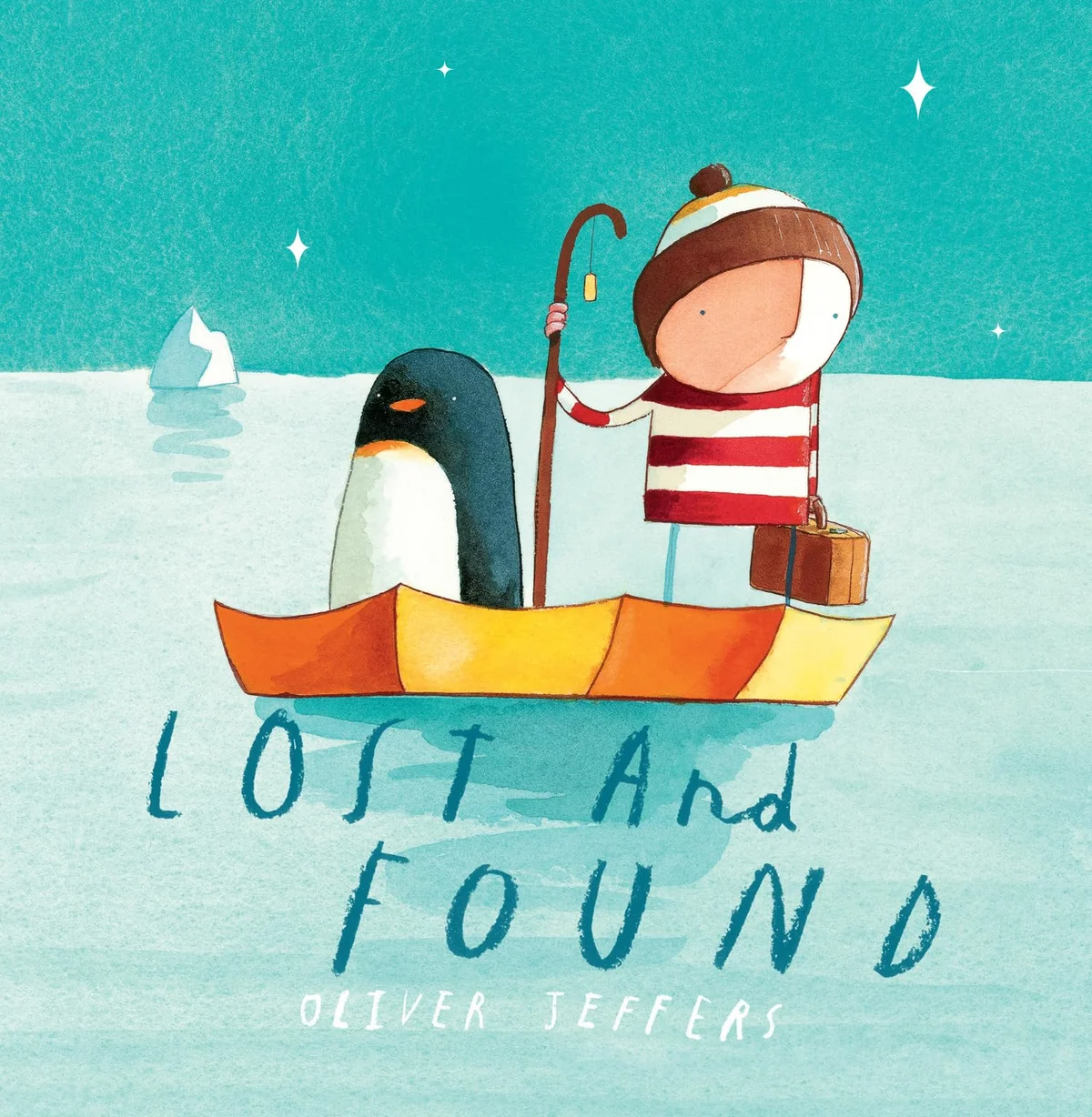
Lost and Found
Affiliate links — buy through these retailers and we earn a small commission, at no extra cost to you.
Book 2 in The Boy SeriesView the full series
Part of the Oliver Jeffers universeOpen the collection
A boy finds a penguin at his door and rows all the way to the South Pole to return it, only to realise the penguin wasn't lost at all, just lonely. Oliver Jeffers' warmest book, and the one most likely to make adults quietly well up.
- Best for3–7
- FormatPicture
- Length32 pp
- Read aloud~6 min
Affiliate links — buy through these retailers and we earn a small commission, at no extra cost to you.
The vibe
What it’s like.
Style
- Lyrical
- Conversational
- Repetitive
Tone
- Warm
- Gentle
- Heartwarming
- Melancholic
- Bittersweet
- Cosy
Themes
Experience meters
What’s it about?
The story.
One day, a boy finds a penguin at his door. He assumes it must be lost, and sets about trying to return it. He rows a small boat all the way to the South Pole with the penguin beside him. When they arrive, the penguin seems sad. The boy rows home alone, and then realises: the penguin wasn't lost. The penguin was lonely. He rows back. They go home together. Oliver Jeffers tells this story in spare, luminous illustrations, the two small figures crossing vast grey water under enormous skies, and in language that is simple enough for a toddler and resonant enough for an adult. The twist is one of the most emotionally satisfying in picture books: the boy's kindness has been real all along, but the solution needed to change. The penguin's loneliness is never named but it is felt. An award-winning BBC animated film (Magic Light Pictures) has introduced the book to a whole new generation, but the picture book remains the definitive version. The book most new readers come to first in the Boy series, and the one they remember longest.
“Once there was a boy and one day he found a penguin at his door.”
Fit check
Right for your child?
Where it lands by age
- 1
- 3
- 5
- 7
- 9
- 11
- 13
- Best fit · 3–7
- Read aloud · 3–10
- Independent · 5–7
Prose load
Minimal
Visual support
Very high
Reluctant-reader friendly
Workable
Read-aloud quality
Excellent
Works well for
- Reading aloud
- Bedtime
- Reading together
Nothing in the book is likely to concern most parents. Safe to recommend without preview.
Bedtime suitability
5 / 5 · Bedtime-friendly
Sensitive-child
4 / 5 · Good fit
Graphic intensity
1 / 5 · None
Best for
- Gift book
- Bedtime book
- Picture book adults love
- Penguin lovers
- Friendship themes
Avoid if
No common reasons to avoid this one — a rare clean sweep on the sensitivity flags.
Particularly good for children who are…
- Making friends
- Separation anxiety
- Anxiety and worry
- Low self esteem
In the classroom
How it works in school.
A warm, spare read-aloud that opens rich talk about loneliness and friendship; the boy's choice to return invites inference, and the journey gives children a shape to borrow for their own writing.
A book children love that happens to support school — never a stand-in for the texts a class is taught with. Reviewed for the classroom · June 2026.
Why it lands
Why they love it.
Why kids love it
The specific moment is the boy realising, alone in the boat, that the penguin wasn't lost — just lonely. A four-year-old reading it gets the soft thud of understanding in real time, then watches the boy turn the boat around. The picture book that names a feeling without using the word for it.
- Animal companions
- Friendship and belonging
- Adventure and freedom
- Making a difference
Why parents love it
The Oliver Jeffers most parents end up crying at on the third bedtime reading — a story about loneliness that never uses the word. Spare, luminous, satisfying in a way most picture books don't manage. The closing image of two small figures heading home together is the one a child remembers years later.
- Beautiful illustrations
- Bedtime appropriate
- Conversation starter
- Great writing
In the series
The Boy Series.
5 books · open the series →
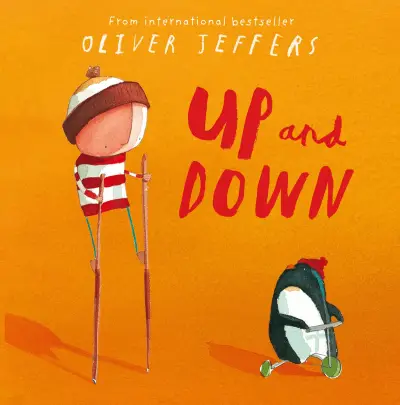
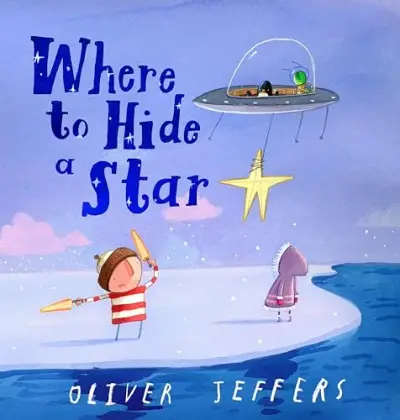
About the author & illustrator
Oliver Jeffers.
If you liked this
Three ways out of this book.
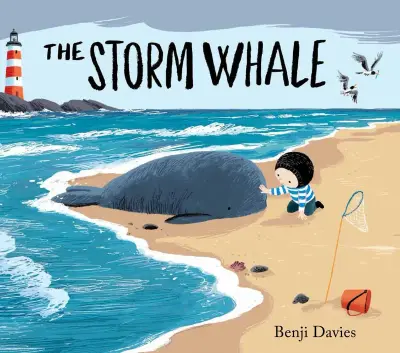
If you liked this, try…
Lateral matches. Same shelf, different texture.
Come into this from…
Easier or preparing reads — perfect lead-ins.
Where to go next…
Escalation reads — a step up in scale, silliness, or stakes.
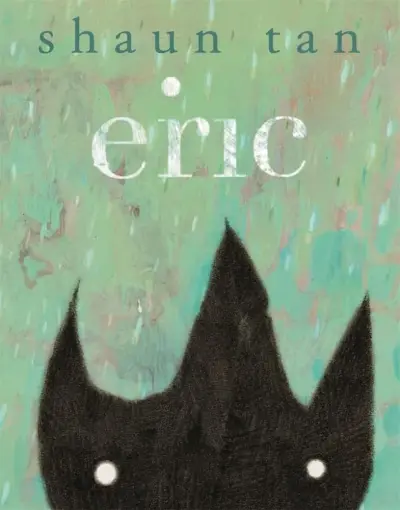
More like this…
Books that share themes and topics with this one.
Where you’ll find it