One More BookFind a book

Key stages

Best books for Key Stage 1

Books for Key Stage 1 (Years 1–2, ages 5–7): rhyming read-alouds and traditional tales, funny early comics, and warm stories to talk about.

14 booksAges 2–9Last reviewed June 2026

Key Stage 1 covers Year 1 and Year 2, the years children move from joining in to reading for themselves. This list blends both: rhyming read-alouds and traditional tales for the carpet, funny early comics and readers for new independence, and warm picture books for talking about feelings, fairness and friends.

A couple open curriculum topics like Ancient Egypt. Throughout, the aim is books that build the habit and the confidence at the same time.

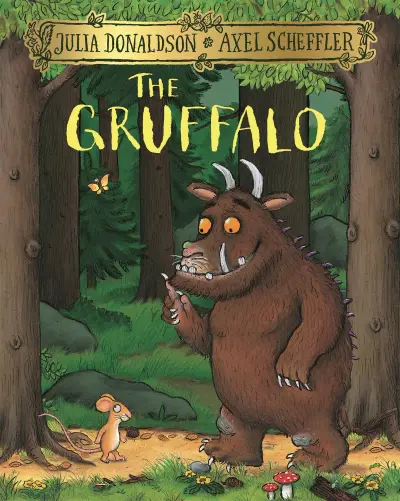
  1. The Gruffalo

    A near-essential modern picture-book classic: funny, rhythmic, clever and instantly memorable. It is one of the strongest gateway read-alouds for children who enjoy monsters, repetition and a small hero outsmarting everyone.

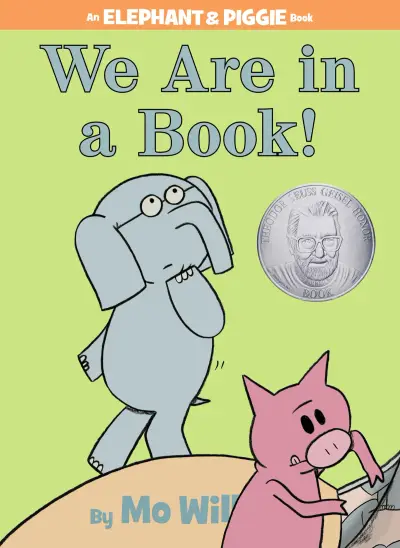
  2. We Are in a Book!

    Elephant and Piggie discover they are characters in a book, and that YOU are reading them. Mo Willems' genius for physical comedy, speech-bubble simplicity, and warmth makes this one of the great early readers, and a standout entry even in a uniformly brilliant series.

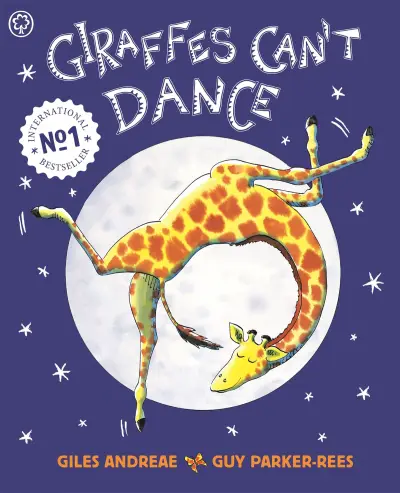
  3. Giraffes Can't Dance

    A modern picture-book staple about Gerald the giraffe finding his own rhythm after the other animals laugh at him. A highly reliable read-aloud for confidence, difference and gentle anti-bullying themes.

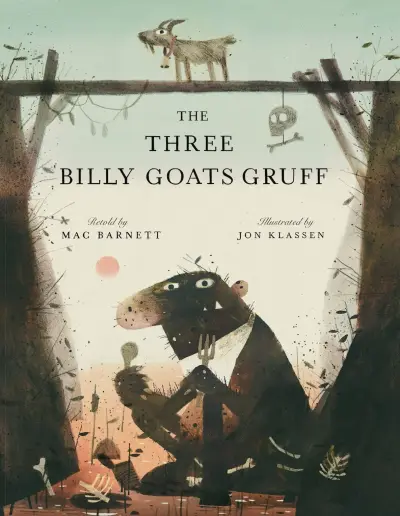
  4. The Three Billy Goats Gruff

    A brilliantly gross, funny and slightly scary retelling of the classic folktale, with Mac Barnett's comic rhythm and Jon Klassen's shadowy deadpan art. It is ideal for children who enjoy traditional tales with a mischievous modern bite.

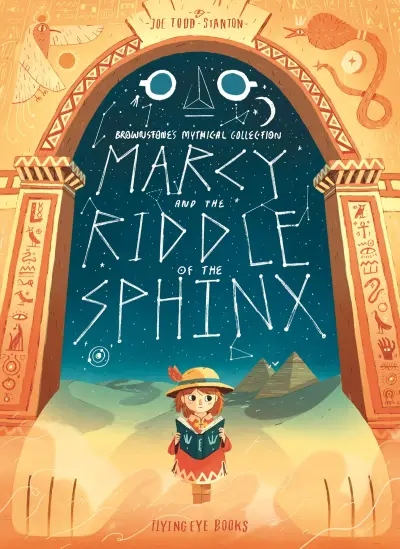
  5. Marcy and the Riddle of the Sphinx

    A glorious gateway into Ancient Egypt for the KS1 history topic, with a clear quest to retell.

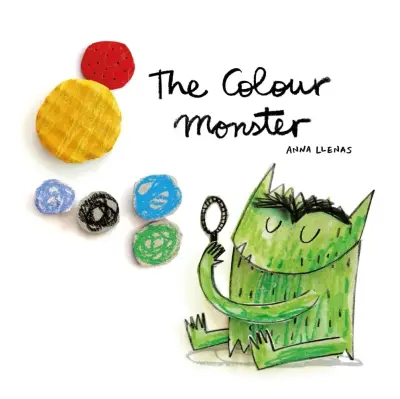
  6. The Colour Monster

    A hugely useful emotions picture book that helps young children separate and name feelings through colour. Best for preschool and early primary emotional literacy, big-feelings conversations and gentle classroom or bedtime support.

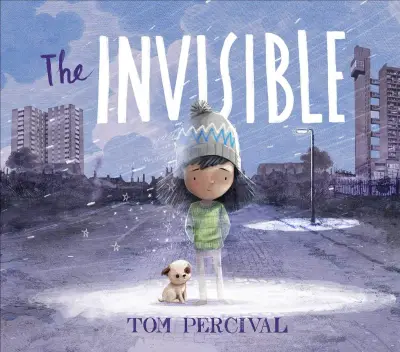
  7. The Invisible

    A compassionate picture book about poverty, feeling unseen and finding belonging through community care. One of Percival's most socially useful books, but it should be handled with sensitivity.

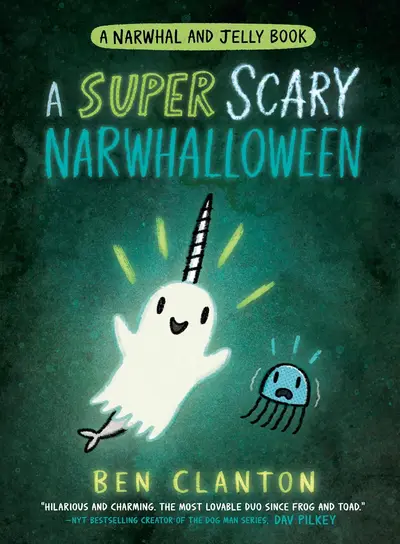
  8. A Super Scary Narwhalloween

    Narwhal is all in on Halloween. Jelly is not entirely convinced. The scariest the series gets, which is still not very scary, and the most useful book in the run for children who are excited about but a little wary of spooky things.

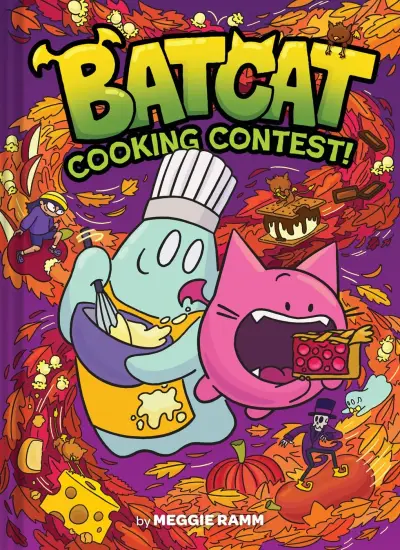
  9. Batcat: Cooking Contest!

    Batcat enters a cooking contest. The premise is as chaotic as it sounds. The third book in the series is its funniest, the competition plot engine lets Ramm fill the panels with escalating disaster, and the cooking setting opens up a whole new visual comedy register.

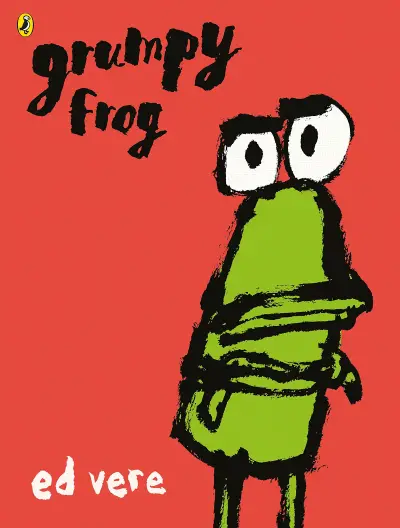
  10. Grumpy Frog

    A bright, funny big-feelings book about a frog who only likes green things and is not very tactful about anything else. Useful for grumpiness, rigid preferences, accepting difference and playful emotional literacy.

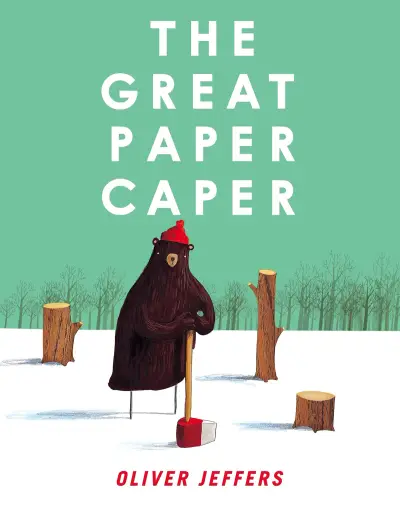
  11. The Great Paper Caper

    A quirky woodland mystery with an environmental heart, following animals trying to discover who is cutting down the trees. It is funny and visually sophisticated without losing its simple child-friendly detective hook.

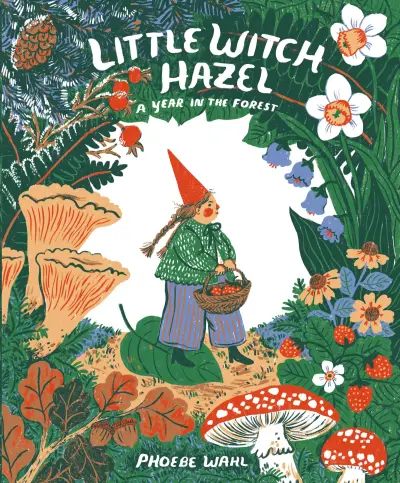
  12. Little Witch Hazel

    A cosy, folk-art-inflected forest story collection about a tiny witch moving through the seasons. Ideal for children who like gentle magic, woodland creatures, seasonal detail and beautiful illustrated worlds.

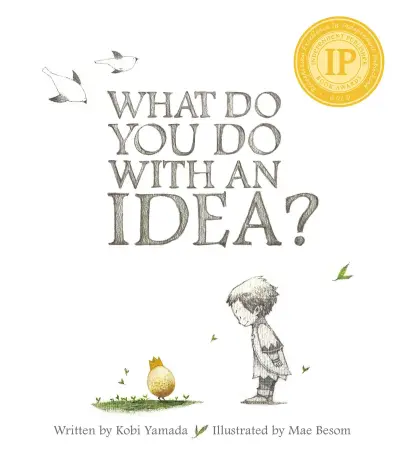
  13. What Do You Do With an Idea?

    A beautifully simple metaphor story about nurturing an idea even when it feels strange, fragile or too big. A strong entry point for creative children, anxious inventors and adults looking for an inspiring gift book with real child appeal.

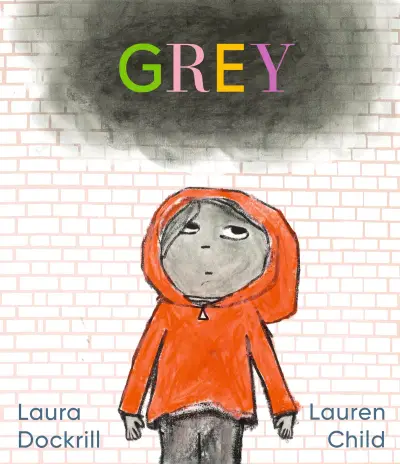
  14. Grey

    A sensitive picture book about a child waking up feeling grey and being helped through it with love rather than forced cheerfulness. It is emotionally direct but gentle, making it valuable for conversations about low mood, worry, and mental wellbeing.

More ways to wander the room