- Picture Books
- Ages 4–8
- Fables
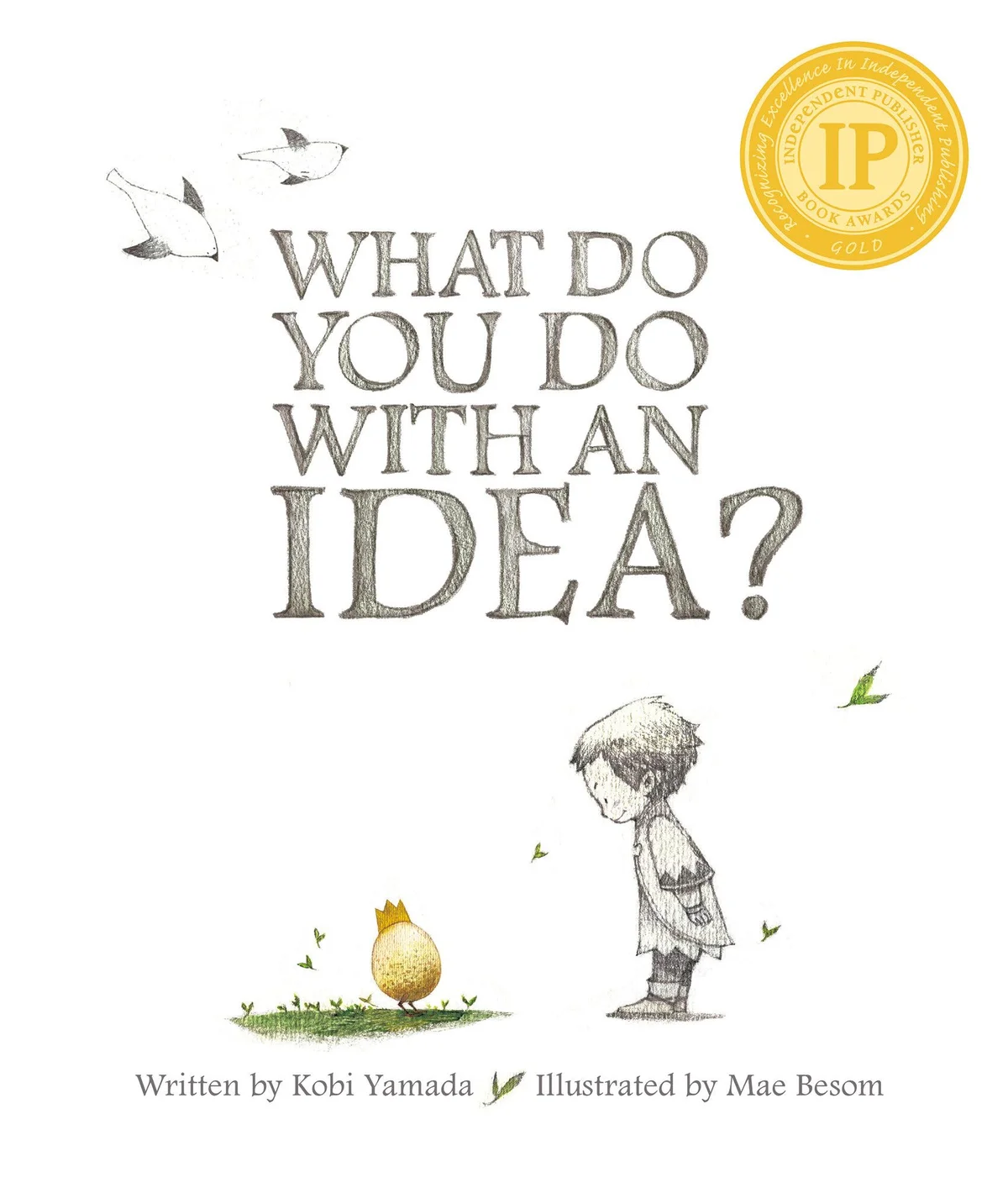
What Do You Do With an Idea?
Affiliate links — buy through these retailers and we earn a small commission, at no extra cost to you.
Book 1 in What Do You Do WithView the full series
Part of the Kobi Yamada universeOpen the collection
A beautifully simple metaphor story about nurturing an idea even when it feels strange, fragile or too big. A strong entry point for creative children, anxious inventors and adults looking for an inspiring gift book with real child appeal.
- Best for4–8
- FormatPicture
- Length36 pp
- Read aloud~7 min
Affiliate links — buy through these retailers and we earn a small commission, at no extra cost to you.
The vibe
What it’s like.
Style
- Lyrical
- Literary
- Conversational
Tone
- Gentle
- Inspirational
- Thought provoking
- Warm
- Whimsical
Themes
Experience meters
What’s it about?
The story.
A child is visited by an idea, at first unsure what to make of it. The idea is odd, persistent and not always easy to explain, and the child worries what other people will think. But the more attention and care the child gives it, the more the idea grows, until it becomes something powerful enough to change the world. Kobi Yamada's text is direct, spacious and metaphorical, making the book accessible to young children while leaving plenty for adults to discuss. Mae Besom's illustrations begin in muted tones and bloom with colour as the idea gains life, giving the emotional arc strong visual force. This is one of the best modern picture books for talking about creativity, confidence, originality and why something small inside you may be worth protecting.
Fit check
Right for your child?
Where it lands by age
- 1
- 3
- 5
- 7
- 9
- 11
- 13
- Best fit · 4–8
- Read aloud · 4–9
- Independent · 6–9
Prose load
Light
Visual support
Very high
Reluctant-reader friendly
Workable
Read-aloud quality
Strong
Works well for
- Reading aloud
- Bedtime
- Reading together
- Gift-buying
Nothing in the book is likely to concern most parents. Safe to recommend without preview.
Bedtime suitability
5 / 5 · Bedtime-friendly
Sensitive-child
5 / 5 · Good fit
Graphic intensity
1 / 5 · None
Best for
- Creativity
- Confidence
- Gift book
- Growth mindset
- Visual metaphor
Avoid if
- Wants funny story
- Wants concrete plot
- Prefers high energy books
Particularly good for children who are…
- Interested in art and creativity
- Low self esteem
- Anxiety and worry
In the classroom
How it works in school.
Kobi Yamada's inspiring picture books about ideas, problems and courage — a wellbeing and growth-mindset favourite for read-aloud and discussion.
A book children love that happens to support school — never a stand-in for the texts a class is taught with. Reviewed for the classroom · June 2026.
Why it lands
Why they love it.
Why kids love it
The specific weight is the small crowned egg — an idea following a child everywhere, the child unsure what other people will think, slowly working out that paying attention to it is what lets it grow. The Yamada/Besom for the creative child worried about being odd.
- Making a difference
- Being special or chosen
- Transformation
Why parents love it
The Yamada/Besom series opener — Besom's illustrations moving from muted to bloom as the idea takes root, the most-gifted picture book in the US for a reason. Strong on creative agency and originality. Useful for any child quietly protecting something inside them.
- Beautiful illustrations
- Conversation starter
- Great writing
- Quick to read
In the series
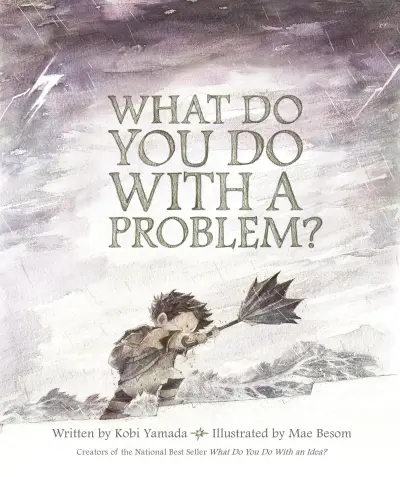
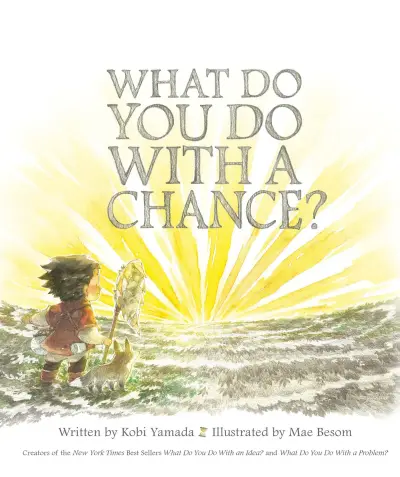
What Do You Do With.
3 books · open the series →
About the creators
About the creators.
If you liked this
Three ways out of this book.
If you liked this, try…
Lateral matches. Same shelf, different texture.
Where to go next…
Escalation reads — a step up in scale, silliness, or stakes.
Where you’ll find it