- Picture Books
- Ages 6–10
- Fables
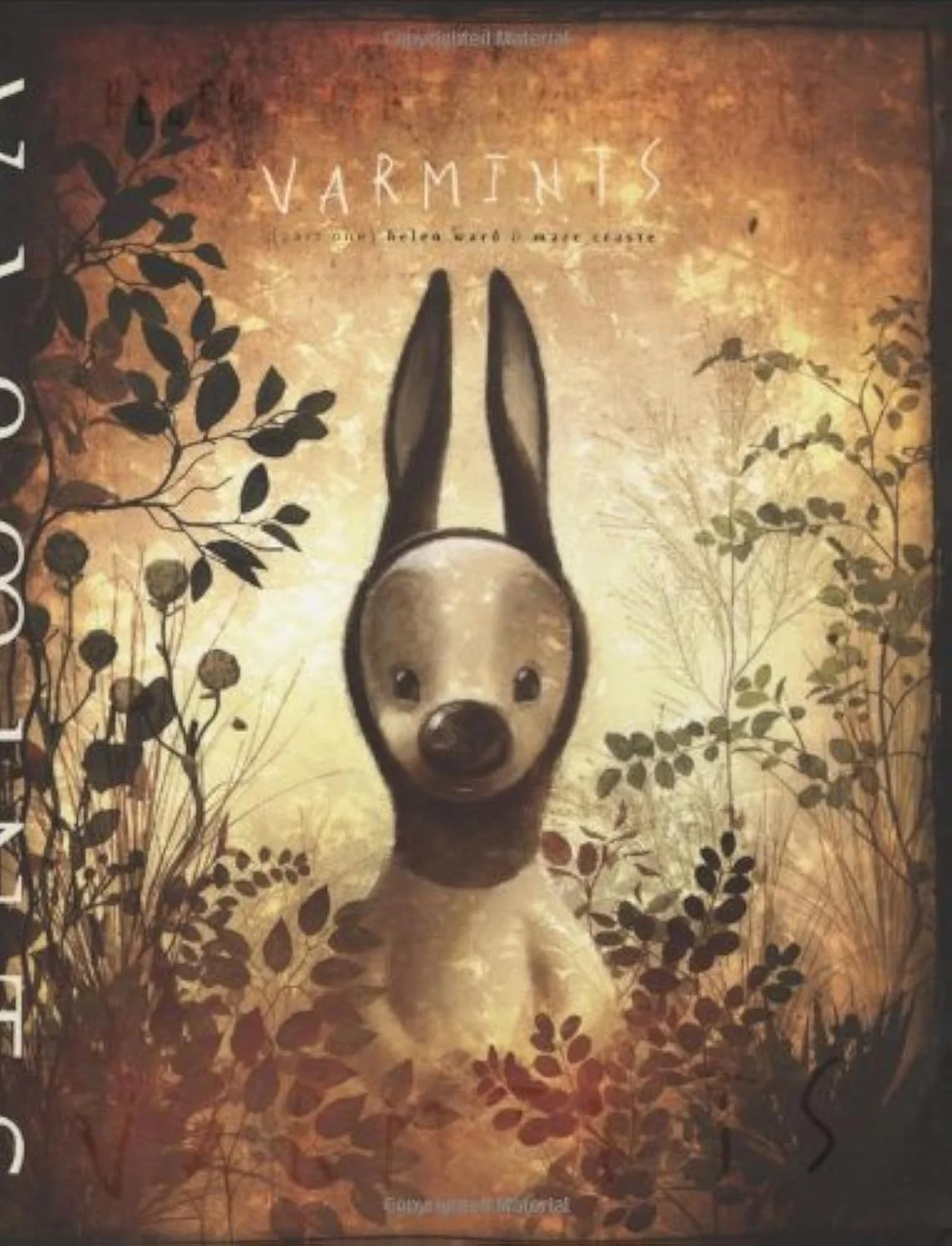
Varmints
Affiliate links — buy through these retailers and we earn a small commission, at no extra cost to you.
A sombre, visually striking environmental fable about a peaceful natural world overwhelmed by noise, industry and loss. Best for older picture-book readers and classrooms exploring conservation, industrialisation and hope after damage.
- Best for6–10
- FormatPicture
- Length40 pp
- Read aloud~8 min
Affiliate links — buy through these retailers and we earn a small commission, at no extra cost to you.
The vibe
What it’s like.
Style
- Lyrical
- Literary
Tone
- Melancholic
- Thought provoking
- Bittersweet
- Inspirational
- Gentle
Themes
- Nature and environment
- Change and transition
- Consequences of actions
- Cycle of life
- Resilience
- Environmental activism
Experience meters
What’s it about?
The story.
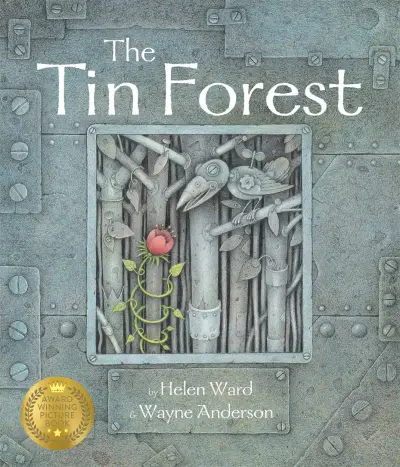
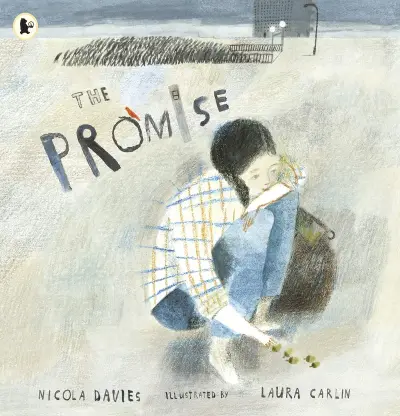
Varmints begins in a quiet world of plants, bees and open space. Then the Varmints arrive, bringing machines, noise, towers and a way of living that pushes nature aside. Helen Ward's text is spare and fable-like, while Marc Craste's illustrations give the book a cinematic, almost dystopian atmosphere. The story is not simply about pollution; it is about how easily people stop noticing what has been lost, and how one small act of care can preserve the possibility of renewal. This is a powerful picture book, but it is more serious than a typical bedtime read. It may suit children who like environmental themes, visual symbolism and stories with a quiet warning. It belongs beside The Promise and The Tin Forest as an art-led ecological fable.
Fit check
Right for your child?
Where it lands by age
- 1
- 3
- 5
- 7
- 9
- 11
- 13
- Best fit · 6–10
- Read aloud · 6–11
- Independent · 7–11
Prose load
Light
Visual support
Very high
Reluctant-reader friendly
Workable
Read-aloud quality
Strong
Works well for
- Reading aloud
- Reading together
- Gift-buying
Preview before sharing if a child is sensitive to: poverty or hardship.
Bedtime suitability
2 / 5 · Better outside bedtime
Sensitive-child
4 / 5 · Good fit
Graphic intensity
1 / 5 · None
Best for
- Environment
- Ecological fable
- Industrialisation
- Older picture book
- Visual symbolism
Avoid if
- Wants light bedtime
- Very sensitive to environmental loss
- Wants funny story
- Under 6
Particularly good for children who are…
- Interested in science
- Interested in art and creativity
- Anxiety and worry
In the classroom
How it works in school.
A haunting, beautiful fable about a paved-over world and the hope of green returning — a strong companion for environment topics and atmospheric writing.
A book children love that happens to support school — never a stand-in for the texts a class is taught with. Reviewed for the classroom · June 2026.
Why it lands
Why they love it.
Why kids love it
The specific weight is the one last seed — a quiet world of plants and bees and open space, the Varmints arriving with machines and towers and noise, a small Varmint carrying one seed away to save the future. The Helen Ward / Marc Craste environmental fable.
- Making a difference
- Surviving danger
- Secret world
Why parents love it
The Helen Ward / Marc Craste picture-book classic — sparse fable text, cinematic almost dystopian illustration, on how easily people stop noticing what's lost. Beside The Tin Forest and The Promise as art-led ecological fable for classrooms; more serious than typical bedtime.
- Conversation starter
- Beautiful illustrations
- Educational for adult too
- Great writing
About the creators
About the creators.
If you liked this
Three ways out of this book.
If you liked this, try…
Lateral matches. Same shelf, different texture.
Come into this from…
Easier or preparing reads — perfect lead-ins.
Where to go next…
Escalation reads — a step up in scale, silliness, or stakes.
More like this…
Books that share themes and topics with this one.
Where you’ll find it