Big Bright Feelings
Part of the collectionBig Bright Feelings→Best when a child is dealing with a specific feeling and needs a story that makes it safe, visible and talkable.
- Books10
- Arcs3
- Span2017–2024
- StatusOngoing
The series
At a glance.
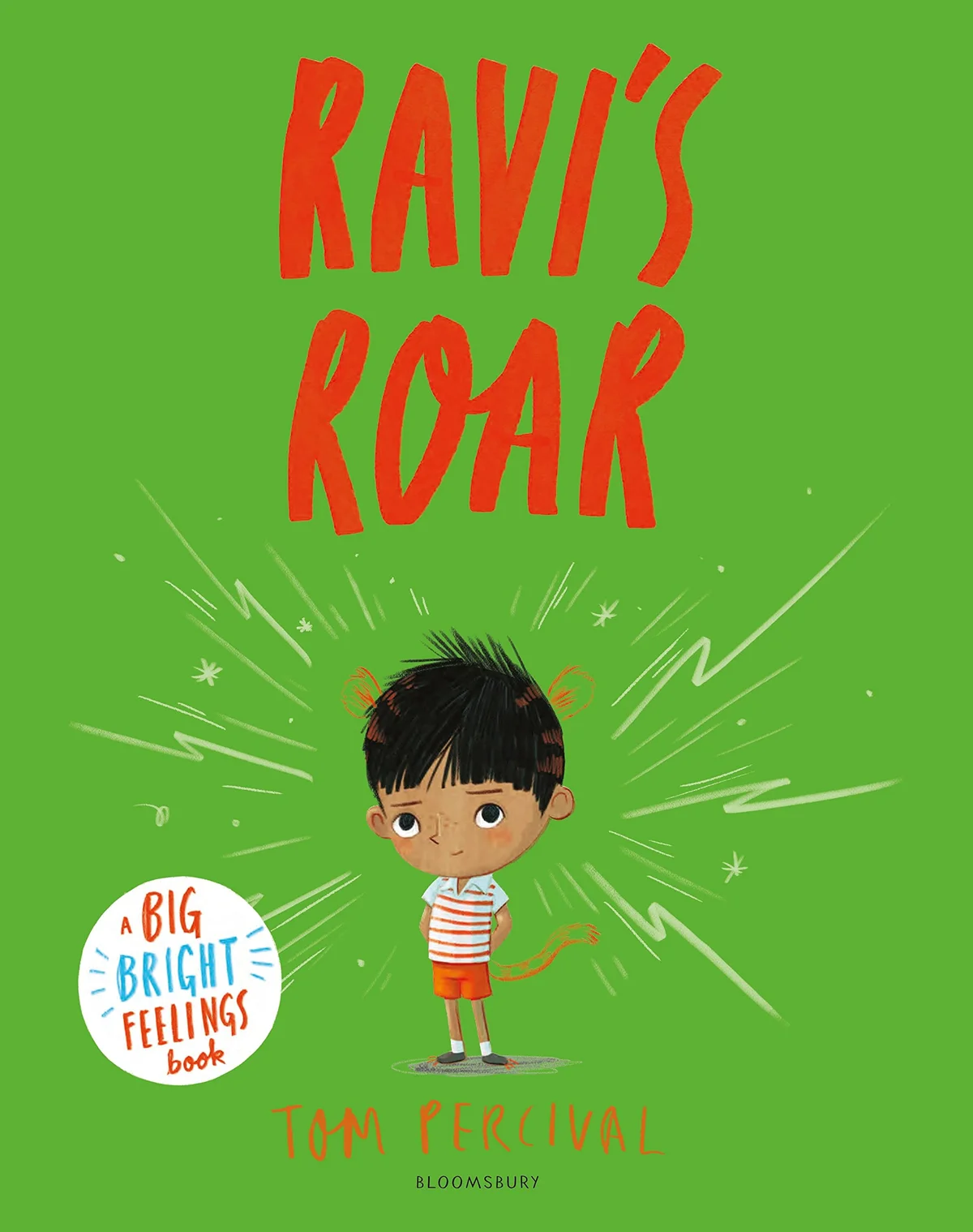
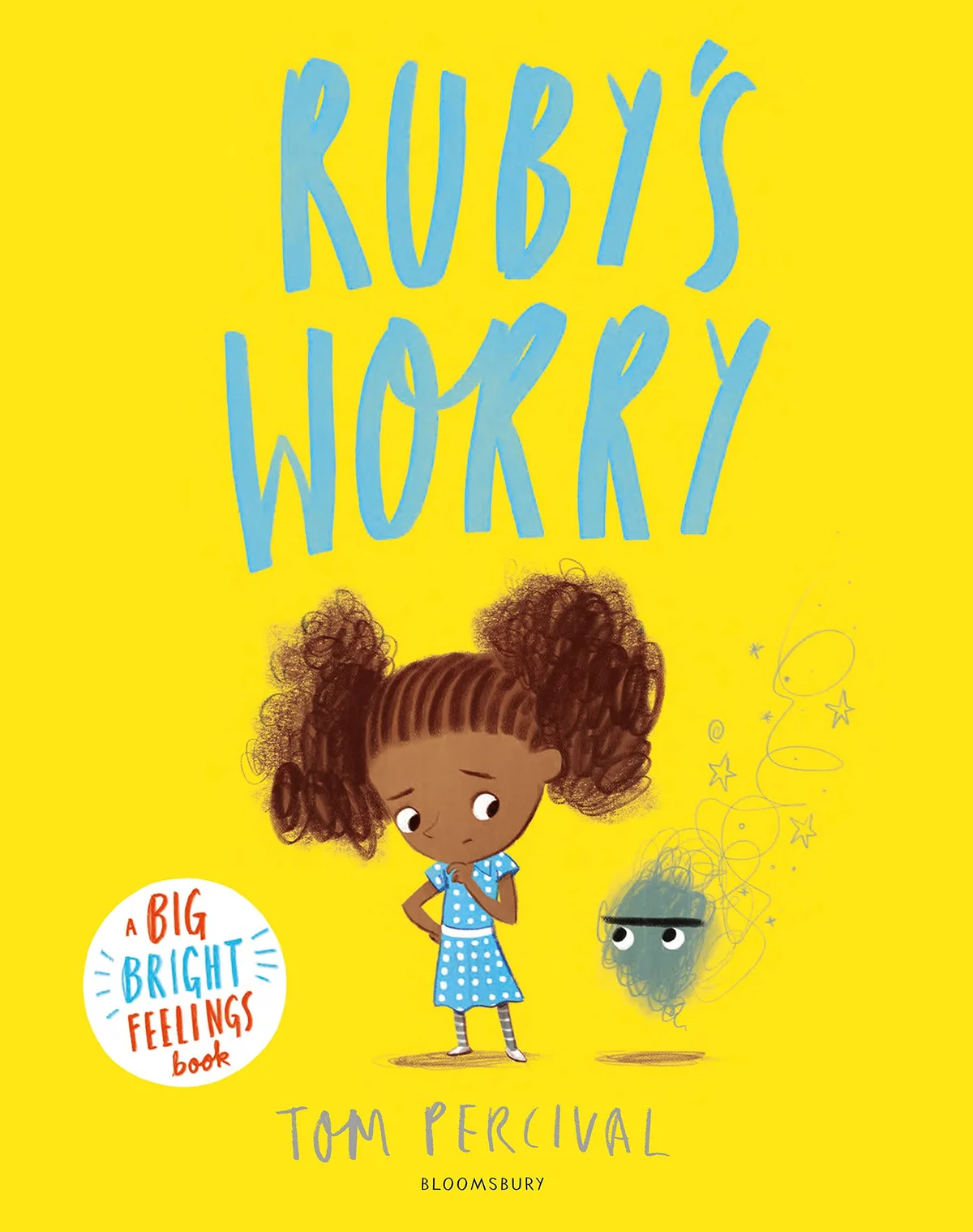
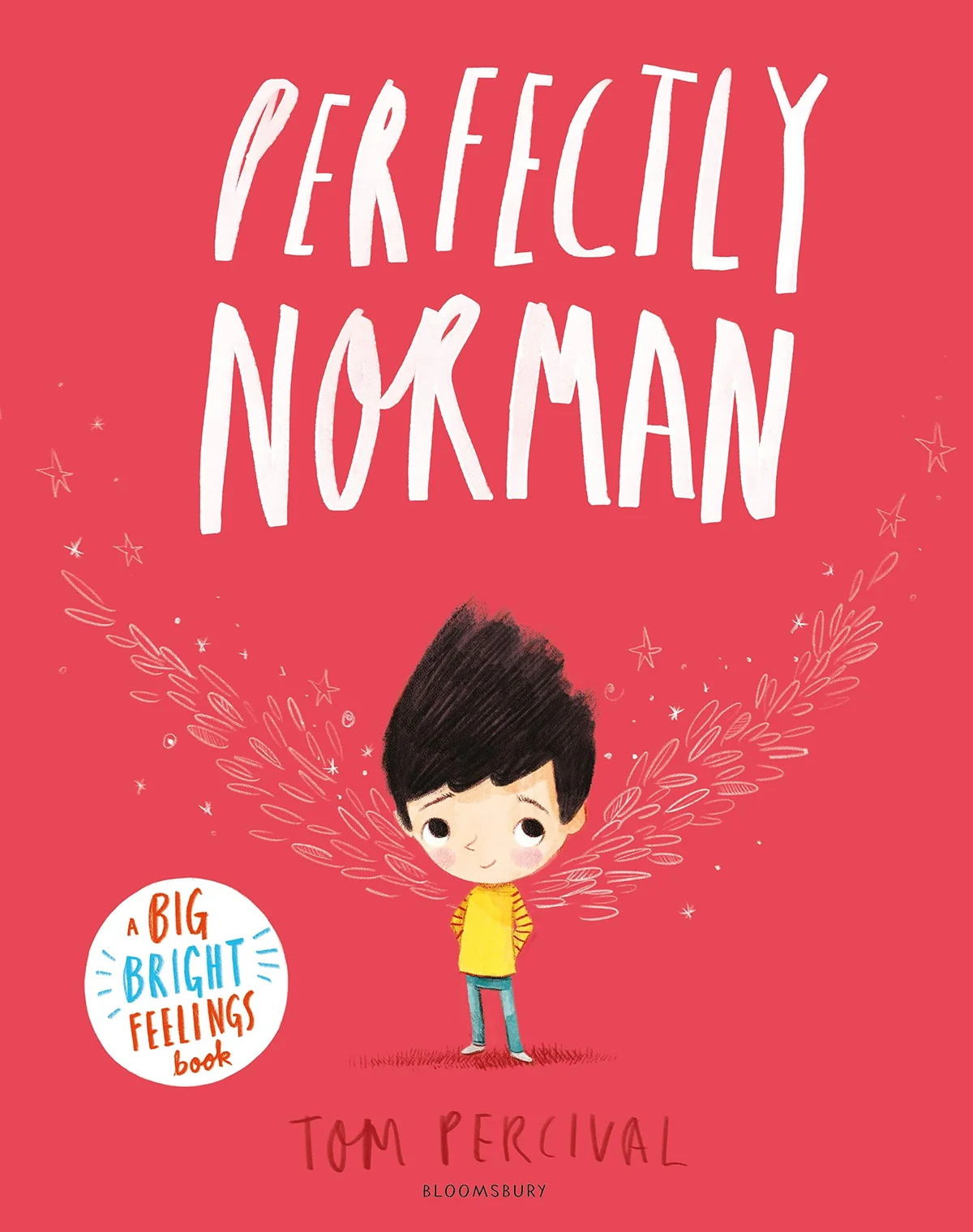
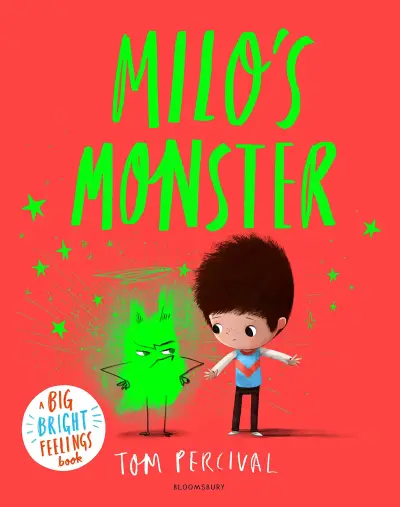
Big Bright Feelings is Tom Percival's picture-book series about emotional literacy for young children. Each book focuses on a specific feeling or social challenge and turns it into something visible: Norman's wings, Ruby's growing worry, Ravi's roar, Milo's monster and so on. The stories are broadly standalone, so families can choose the title that matches the child in front of them. The tone is reassuring and parent-friendly, with clear messages but enough story and illustration to stop the books feeling purely therapeutic. They are particularly strong for read-aloud conversations at home, nursery, Reception and early primary.
Best when a child is dealing with a specific feeling and needs a story that makes it safe, visible and talkable.
Primary themes
Overall tone
- Warm
- Gentle
- Heartwarming
- Inspirational
Read in any order. Choose the book that matches the feeling or situation: worry, anger, friendship, change, jealousy, fibbing, bad days, shyness or bravery.
Three arcs
A series that changes as it goes.
- IThematic arcLow sensitivity
Being yourself and finding your place
Books about difference, friendship, social confidence and belonging.
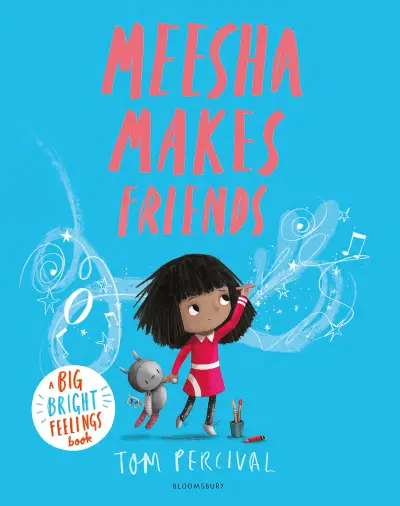
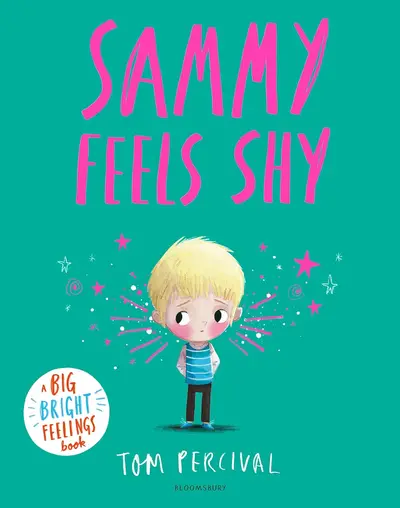
This thematic arc is the best route into Big Bright Feelings for children who feel different, socially unsure or nervous about joining in. Perfectly Norman uses Norman's wings as a bright metaphor for self-acceptance; Meesha Makes Friends speaks to children who find social play and friendship difficult; Sammy Feels Shy gives a gentler route into shyness and being seen. These books are low-risk emotionally, but very useful practically. They help adults talk about confidence and belonging without putting the child on the spot, because the feeling has been safely moved into the story world first.
- IIThematic arcLow sensitivity
Big feelings that take over
Books about worry, anger, jealousy and difficult days.
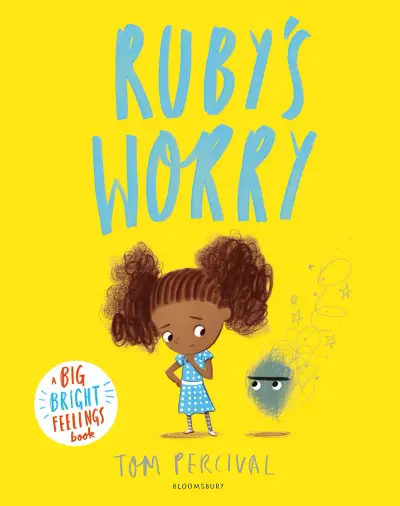
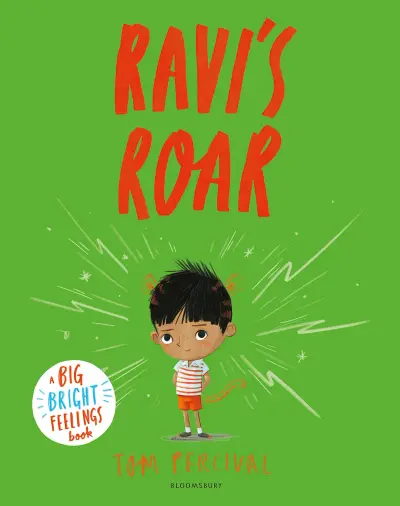
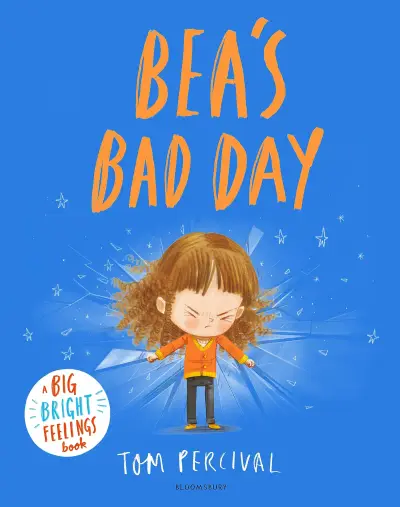
This is the emotional-core arc of the series: the books most directly aimed at feelings that become too big for a child to manage alone. Ruby's Worry is the standout entry point for anxiety because the worry grows in a way children immediately understand. Ravi's Roar gives anger a bodily, creaturely shape. Milo's Monster is especially useful for jealousy and comparison, while Bea's Bad Day normalises a day when everything feels wrong. The arc remains gentle, but mental-health-related language is relevant at series level because the books are explicitly designed around anxiety and emotional regulation.
- IIIThematic arcLow sensitivity
Trying again and telling the truth
Books about change, mistakes, honesty and finding courage.
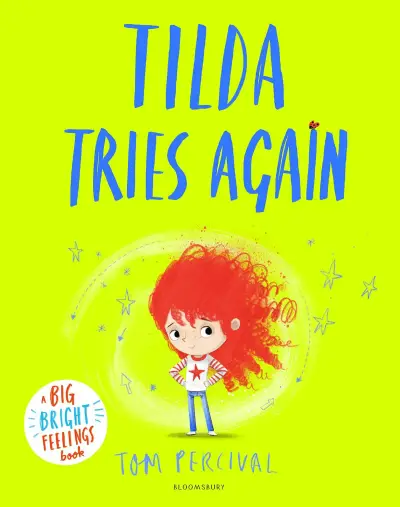
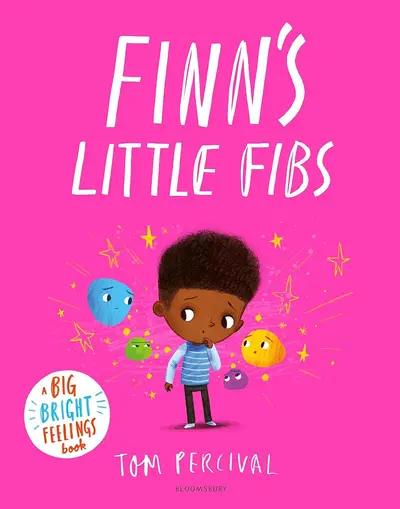
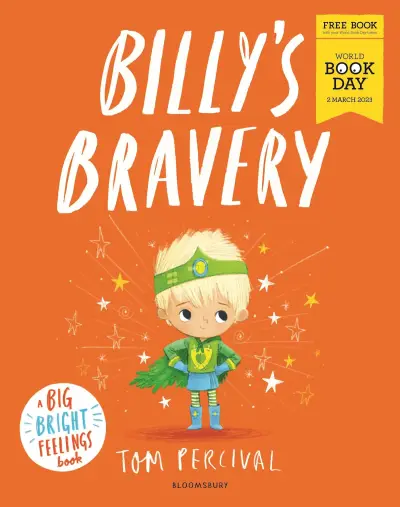
This arc gathers the more behaviour-and-growth-led entries in the seeded series. Tilda Tries Again is about coping when the world feels turned upside down and finding a way back through persistence. Finn's Little Fibs handles honesty and the way small lies can grow into bigger problems. Billy's Bravery gives children a story about finding courage when something feels daunting. These books are less about one overwhelming emotion and more about the next step after a feeling appears: trying again, telling the truth, accepting help and doing the brave thing in a small, child-sized way.
Fit check
Right for your reader?
Where the series lands by age
- 1
- 3
- 5
- 7
- 9
- 11
- 13
- 15
- 17
- 19
- Best fit · 3–7
- Read aloud · 3–7
- Independent · 6–8
Reluctant-reader friendliness
Workable
Read-aloud quality
Strong
Adult crossover
High
Grows with the reader
Not especially
Sensitivity envelope
Low overall, and consistent.
Content notes
- Mental health
Per-arc breakdown
Where it sits
In conversation with other series.
Similar in feel
Different shelves, same wavelength.
- The Boy, the Mole, the Fox and the Horse →
- Colour Monster →
Read this after…
Series that pick up where Big Bright Feelings leaves off.
- Big Feelings →
About the author