- Comedy
- Bunny vs Monkey collection
- Ages 7–11
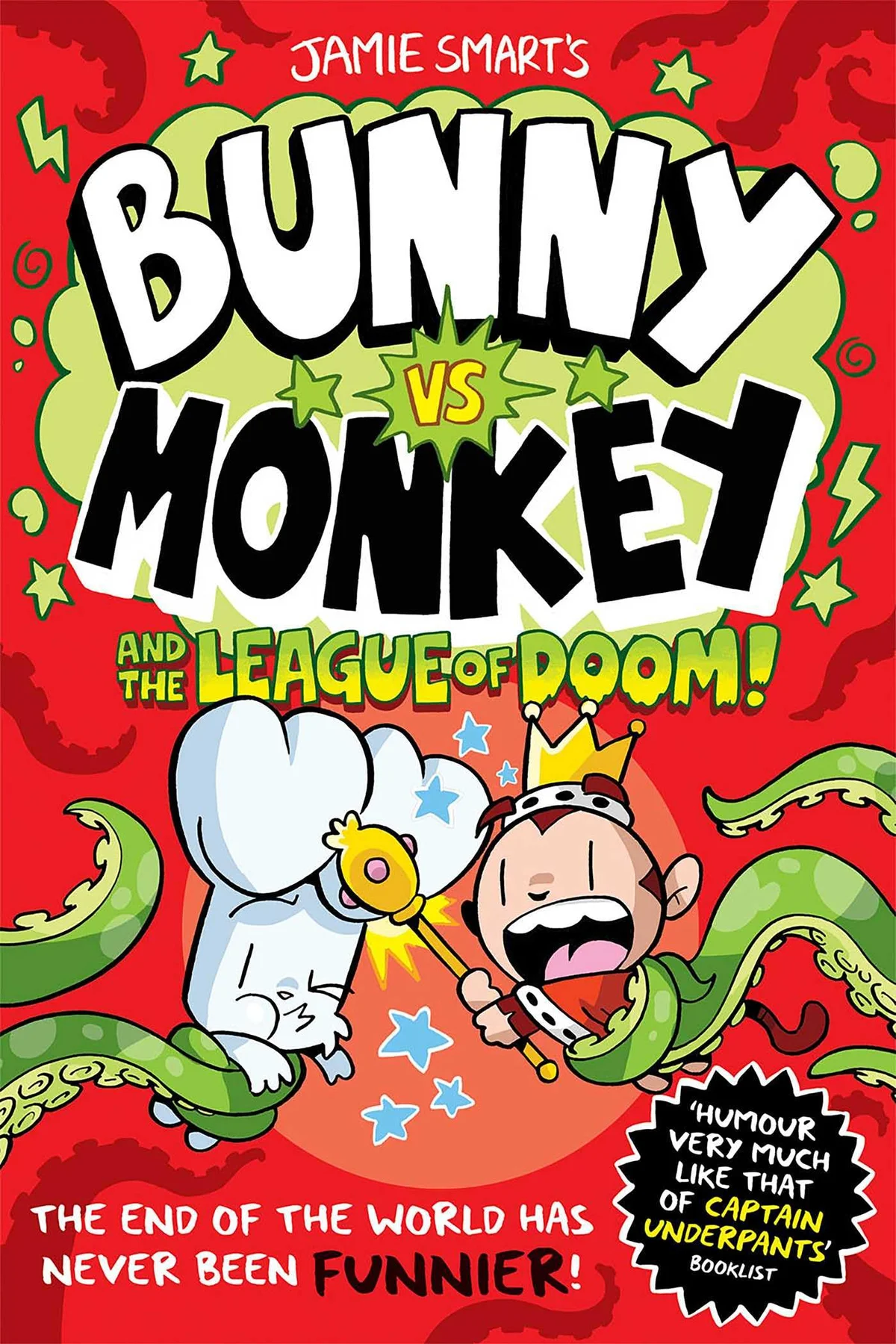
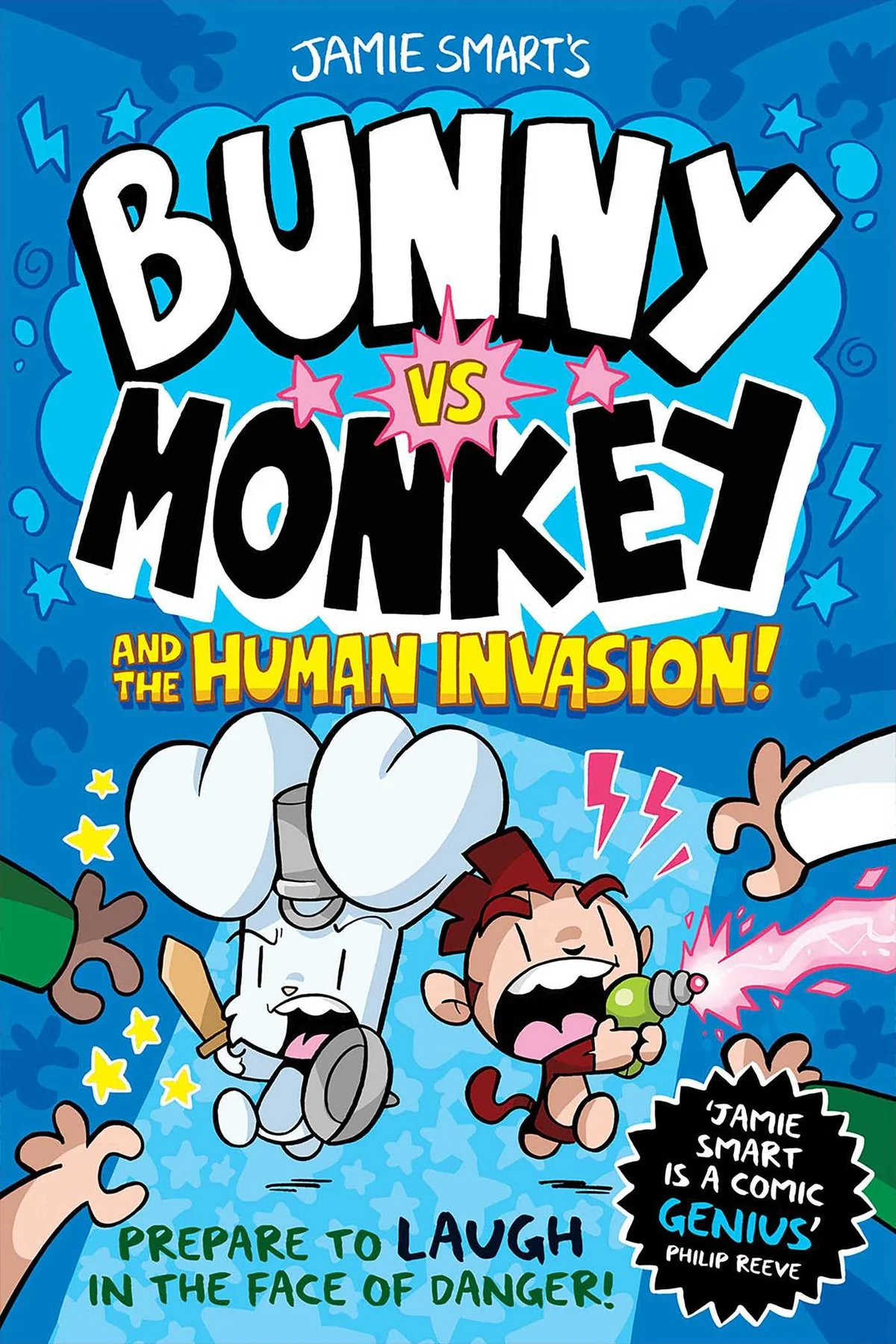
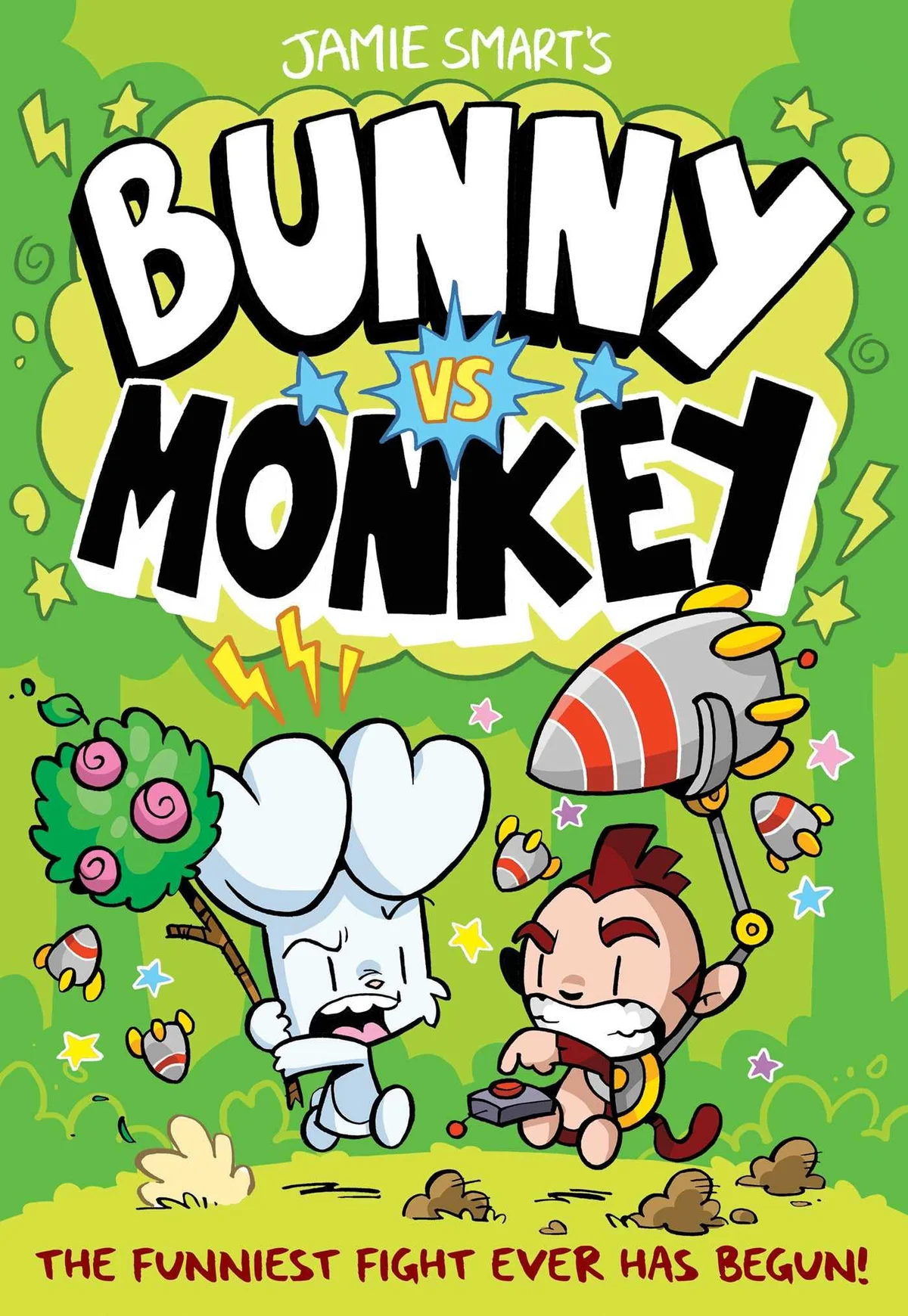
Bunny vs Monkey
Part of the collectionBunny vs Monkey→Best for children who want their comics loud, daft and very funny, with enough recurring characters to feel like a proper world.
- Books11 / 11
- Arcs3
- Span2020–2025
- StatusOngoing
The series
At a glance.
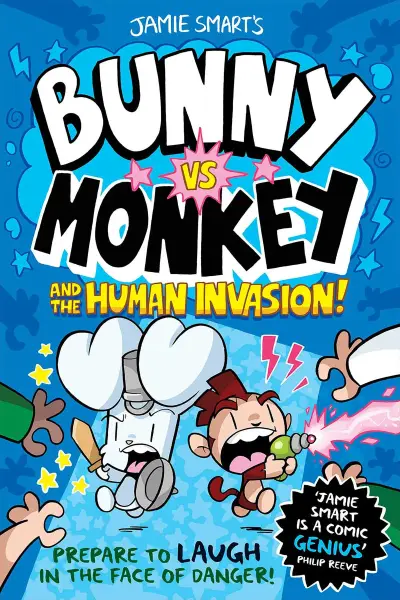
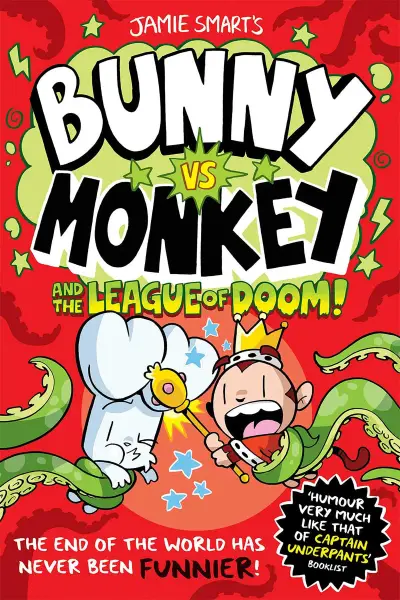
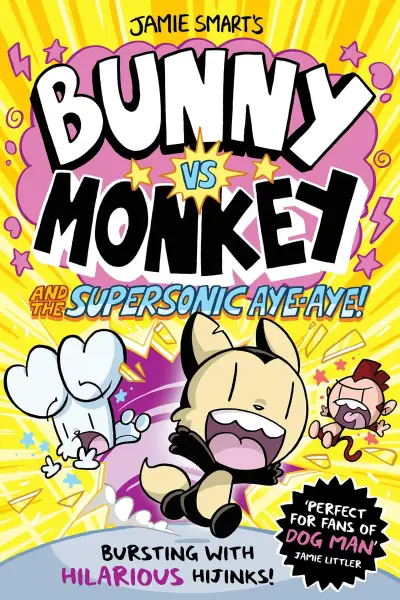
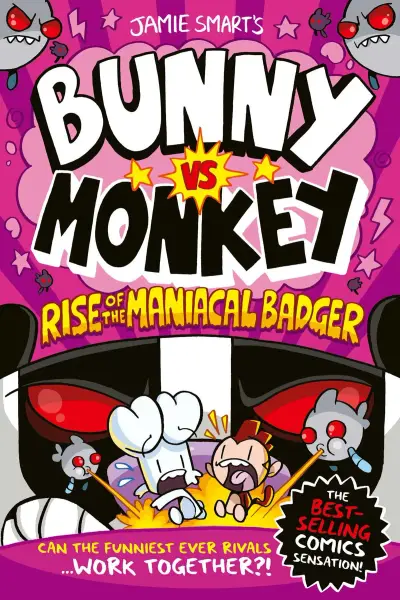
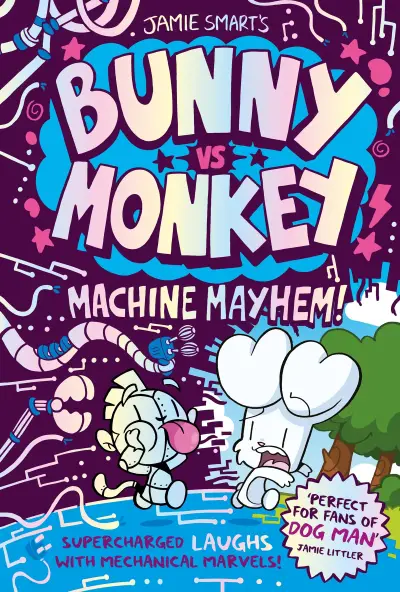
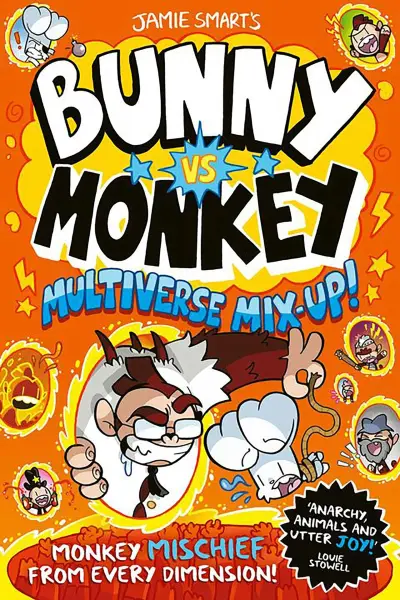
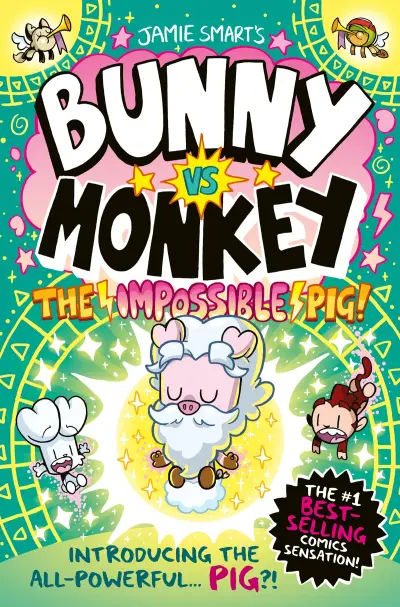
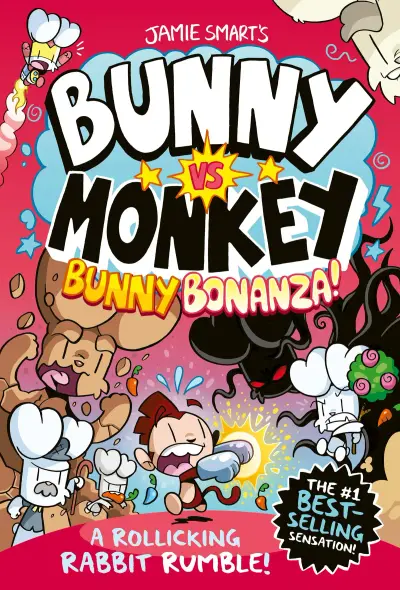
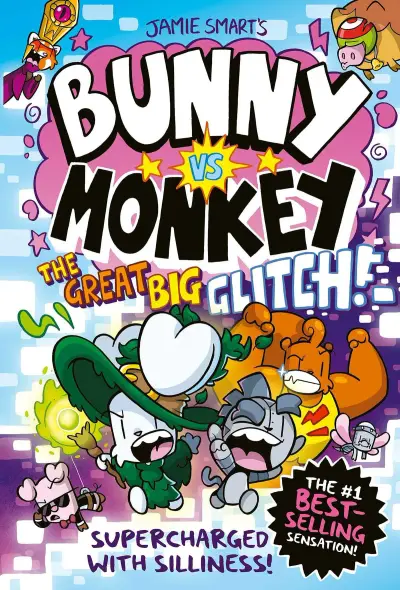
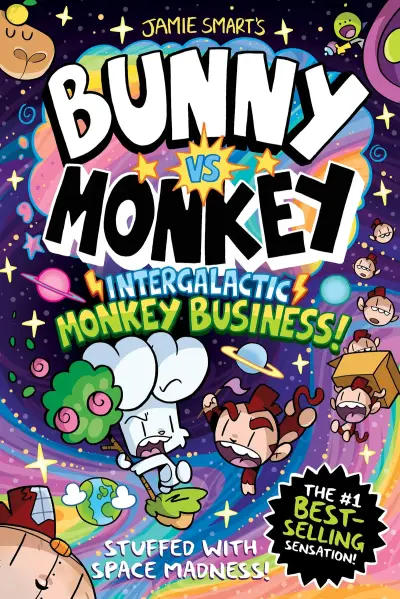
Bunny vs Monkey is Jamie Smart's long-running comic series from The Phoenix, collected in book form for middle-grade readers. The setup is blissfully simple: Bunny wants the woods to be peaceful, Monkey wants attention and domination, and Skunky supplies inventions that make everything worse. Across the run, the cast widens and the scale of the nonsense grows, but the appeal remains the same: rapid jokes, expressive cartooning, silly danger, bickering friendships and absurd machines. It is a near-perfect high-energy comic for reluctant readers, though not ideal for children who need calm bedtime reading.
Best for children who want their comics loud, daft and very funny, with enough recurring characters to feel like a proper world.
Primary themes
Overall tone
- Funny
- Silly
- Absurdist
- Irreverent
Publication order is best because characters and running jokes accumulate, but most books can still be enjoyed as comic collections.
Three arcs
A series that changes as it goes.
- IReading level arcBooks 1–4 · 2020–2022Low sensitivity
Woodland chaos begins
The earliest collections establish the woodland, the main cast and the core Bunny-versus-Monkey comic engine.
The opening stretch is the easiest way into Bunny vs Monkey. The cast is still being established, the central rivalry is immediately clear, and the humour is direct: Monkey invades the woods, Skunky builds foolish devices, Bunny tries to restore sense, and everyone else gets dragged into the mess. These books are highly accessible for comic readers because each sequence delivers fast visual pay-off and does not require much long-term memory. The emotional and sensitivity level is low: there is lots of comic conflict and slapstick, but no meaningful violence beyond cartoon mayhem.
- IIReading level arcBooks 5–8 · 2022–2023Low sensitivity
Bigger machines and bigger mayhem
The series widens into more elaborate villains, machines, alternate realities and ensemble comedy.
The middle stretch keeps the same comic engine but escalates the scale. The world has more recurring characters, the inventions become more extravagant, and the stories lean harder into absurdist logic. This is still not a plot-heavy saga, but it does reward readers who know the cast and enjoy seeing the woodland world become stranger. For many children this is the peak of the series' appeal: familiar enough to feel comfortable, but big enough to feel like an event. The reading level remains accessible, though the density of visual jokes and references is higher than in the earliest books.
- IIIReading level arcBooks 9–11 · 2025Low sensitivity
Expanded comic universe
The later collections push the series into even larger, stranger and more visually busy comic scenarios.
The later books are not a new format or creator phase, but they do feel like a denser, bigger version of the same comic universe. The cast is well established, the concepts are stranger, and the jokes often rely on a child already understanding how ridiculous this woodland can become. These books are still very friendly to reluctant readers because the artwork and joke rhythm do so much work, but they are best after earlier volumes rather than as a first exposure. The series remains low sensitivity, with its conflict safely contained inside cartoon exaggeration.
Fit check
Right for your reader?
Where the series lands by age
- 1
- 3
- 5
- 7
- 9
- 11
- 13
- 15
- 17
- 19
- Best fit · 7–11
- Read aloud · 6–10
- Independent · 7–11
Reluctant-reader friendliness
Very high
Read-aloud quality
Strong
Adult crossover
High
Grows with the reader
Designed to
Sensitivity envelope
Low overall, and consistent.
Per-arc breakdown
Where it sits
In conversation with other series.
Read this after…
Series that pick up where Bunny vs Monkey leaves off.
About the author