- Comedy
- Dog Man collection
- Ages 6–10
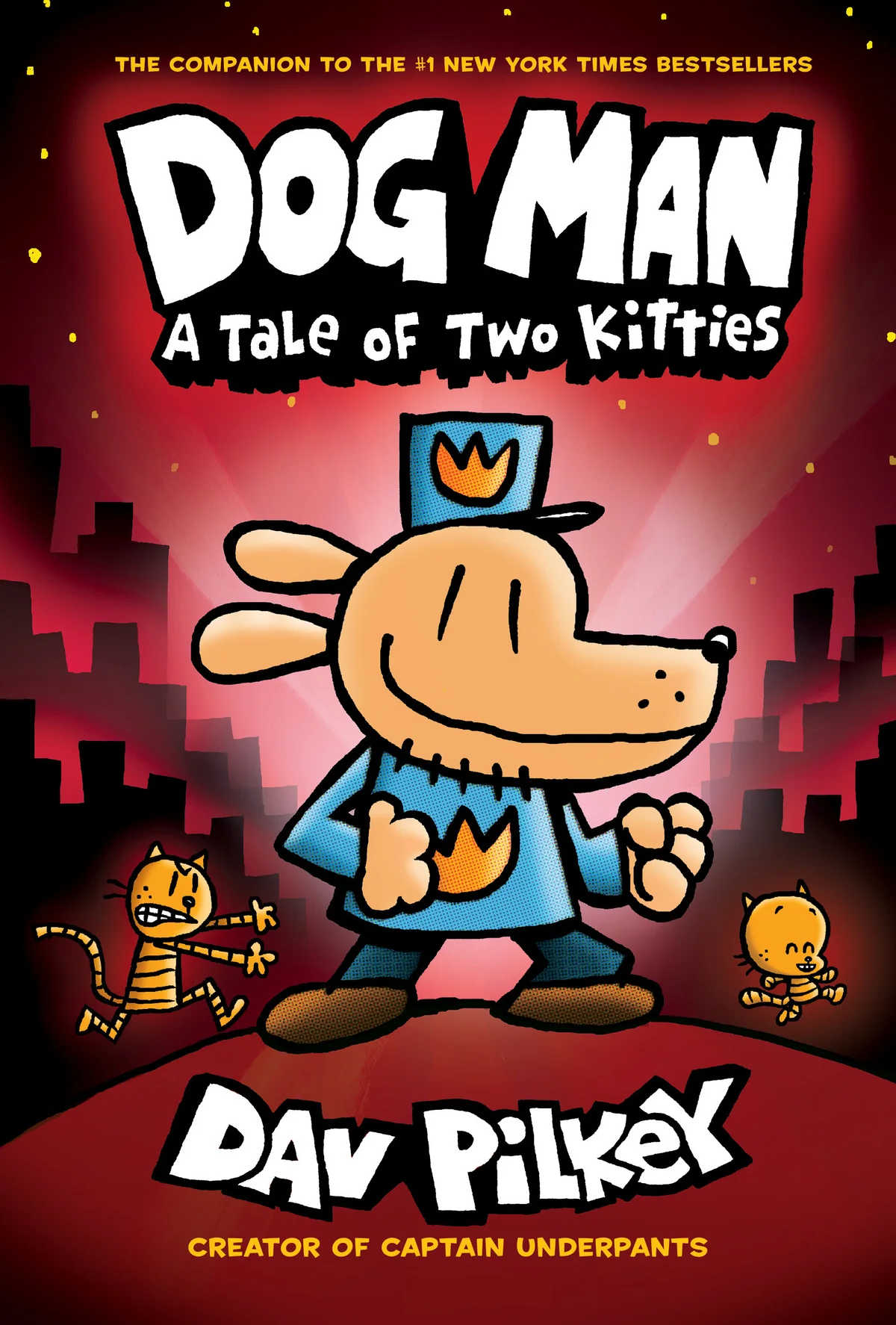
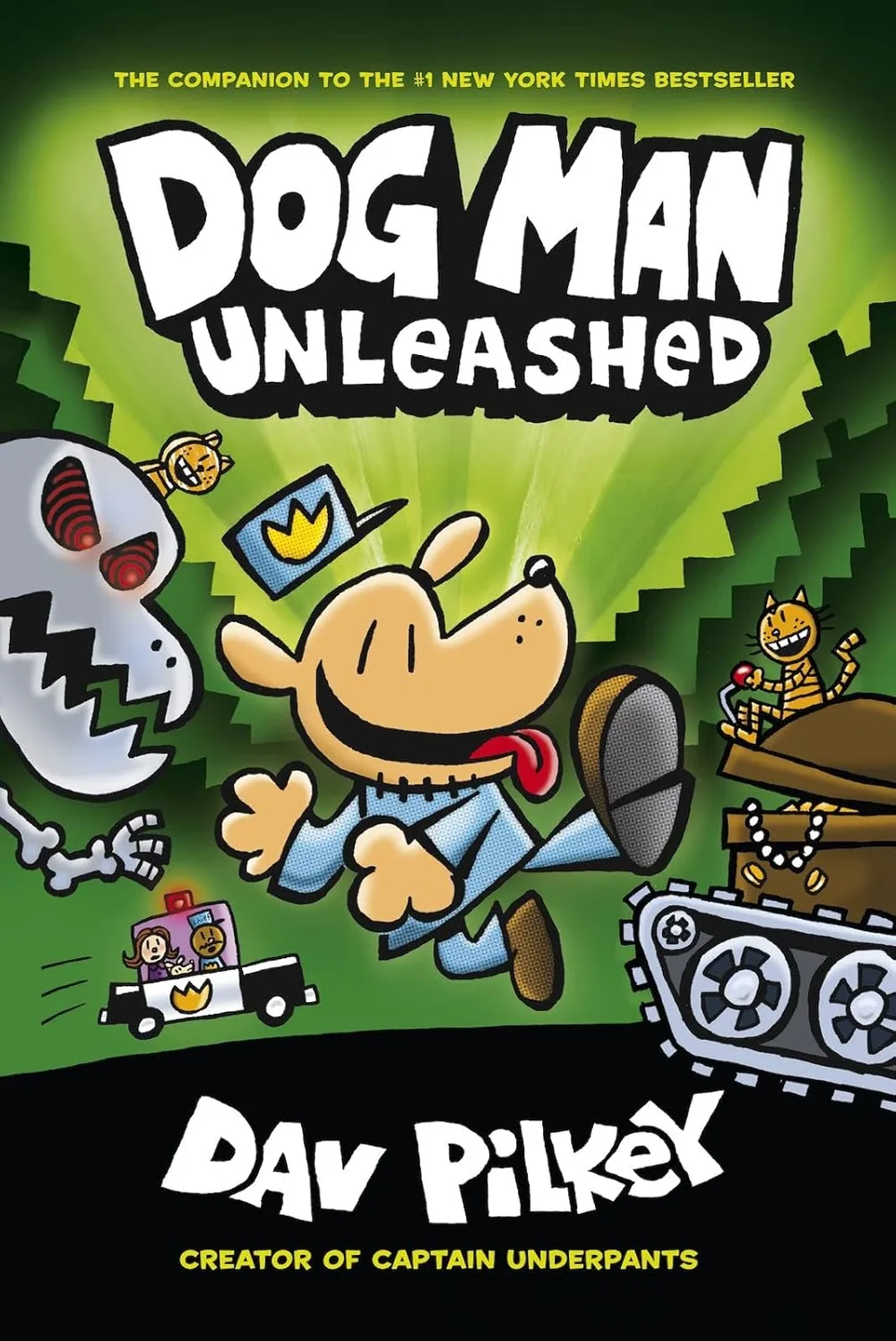
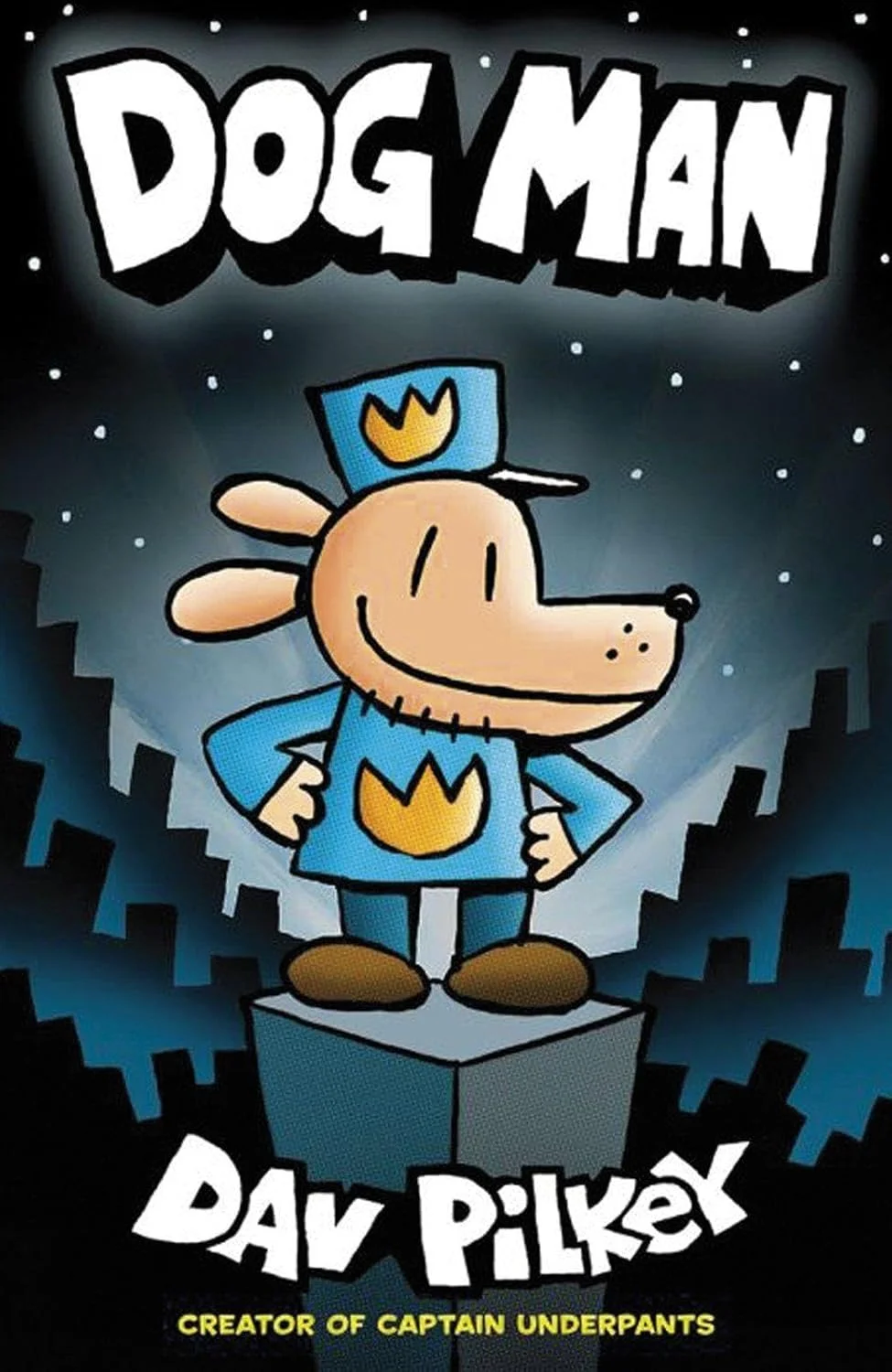
Dog Man
Part of the collectionDog Man→Best for reluctant readers who want maximum comic momentum: daft action, puns, villains, flip-o-ramas and a bigger heart than expected.
- Books14 / 14
- Arcs3
- Span2016–2025
- StatusOngoing
The series
At a glance.
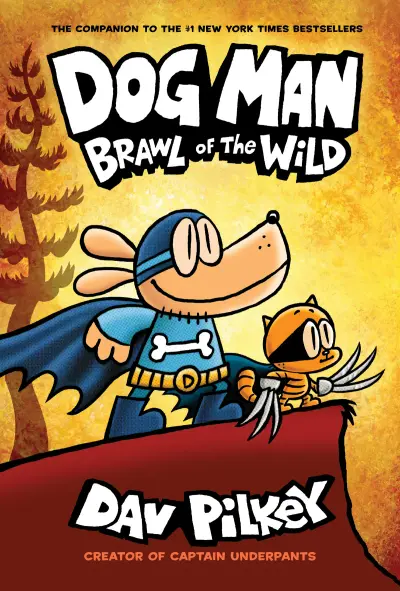
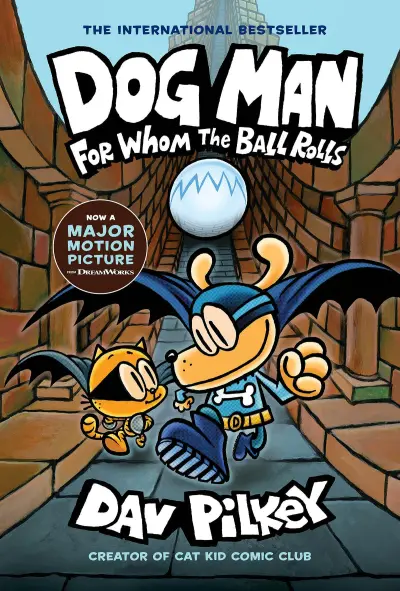
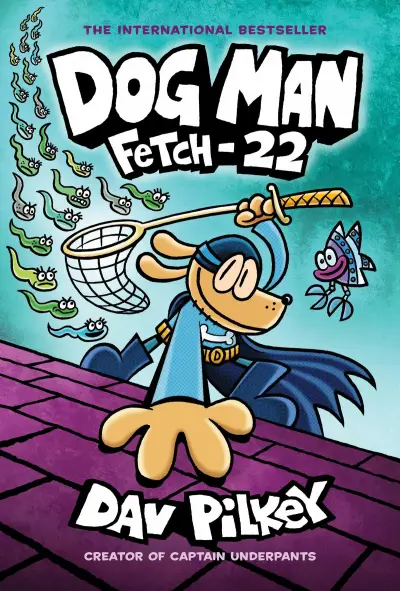
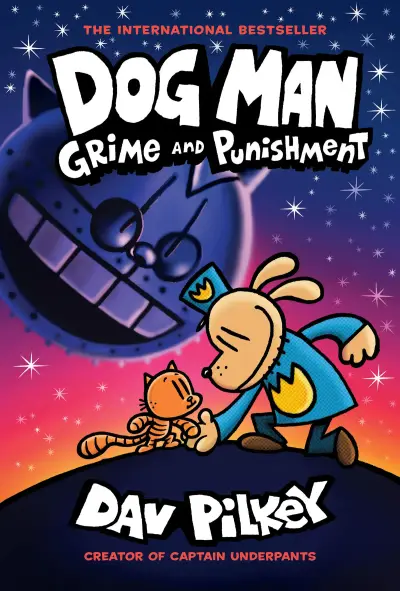
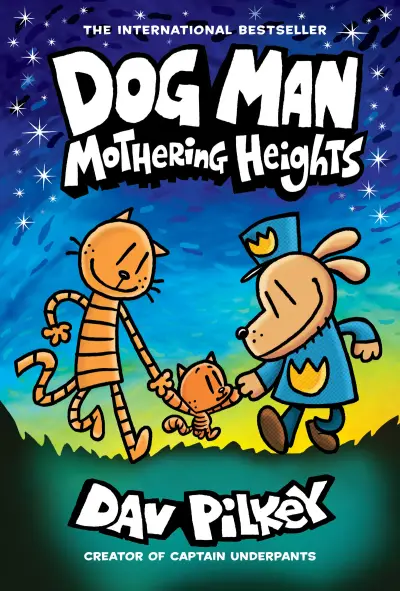
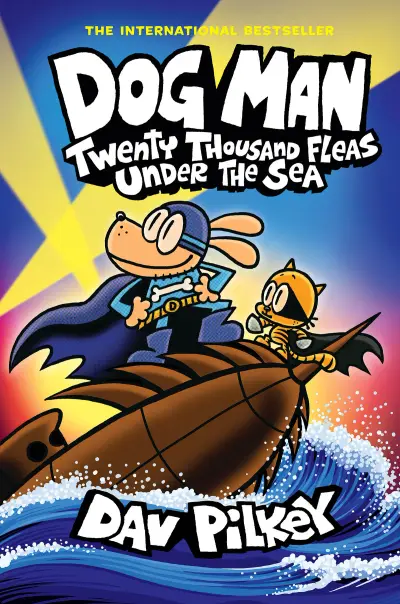
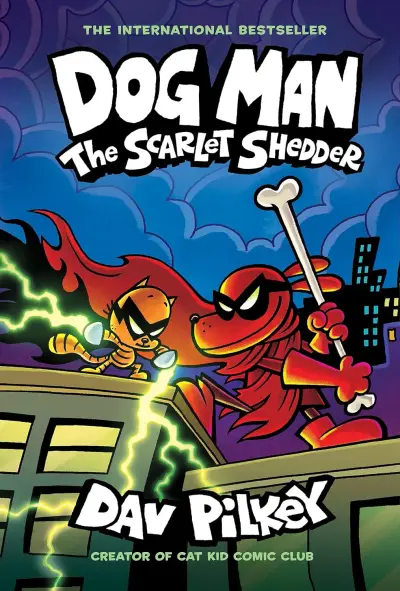
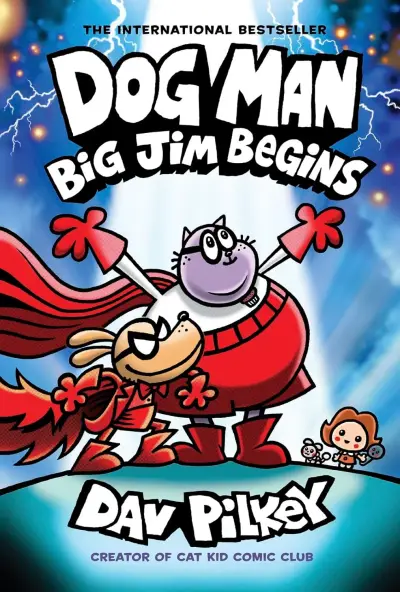
Dog Man is Dav Pilkey's core comic series about a police officer with the head of a dog, created in the fictional comics of George and Harold from Captain Underpants. Across fourteen books in the current database, the series moves from simple cop-and-villain parody into a surprisingly warm ensemble story involving Petey, Li'l Petey, 80-HD, Big Jim and many recurring villains. The books are loud, silly and visually immediate, with flip-o-ramas, misspellings, jokes and action on almost every page. Underneath, Pilkey repeatedly returns to kindness, forgiveness, family, trauma-softening redemption and the idea that people can change.
Best for reluctant readers who want maximum comic momentum: daft action, puns, villains, flip-o-ramas and a bigger heart than expected.
Primary themes
Overall tone
- Funny
- Silly
- Absurdist
- Heartwarming
Read in publication order. Early books are more episodic, but Petey, Li'l Petey and Big Jim's arcs matter more as the series develops.
Three arcs
A series that changes as it goes.
- INarrative arcBooks 1–4 · 2016–2018Moderate sensitivity
Cop-comic chaos begins
Dog Man, Petey and Li'l Petey arrive in a run of fast, silly, highly accessible comic adventures.
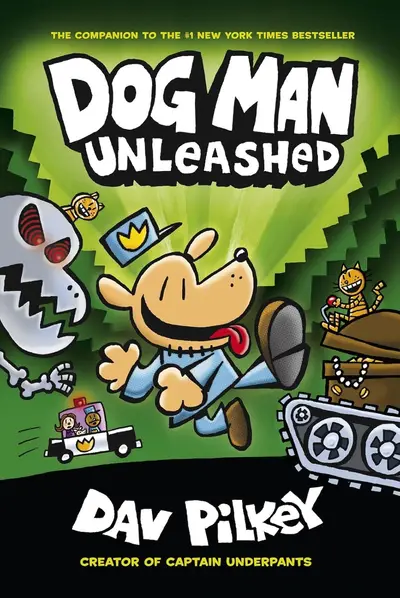
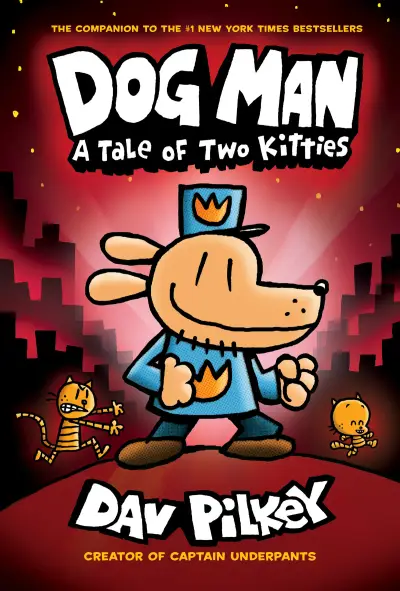
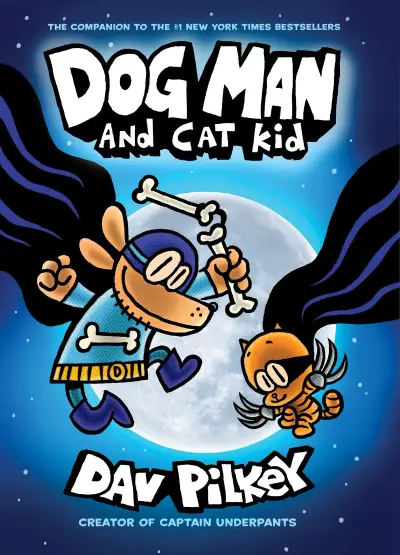
The opening Dog Man arc is the broadest and easiest point of entry. The jokes are immediate, the plots are simple, and the handmade comic style gives reluctant readers permission not to treat reading as something precious or difficult. Petey begins as a straightforward villain, but the arrival of Li'l Petey starts shifting the series towards family, care and redemption. The action is busy and slapstick-heavy, with cartoon fighting and property destruction, but the tone is so silly that sensitivity remains low-to-moderate rather than genuinely alarming.
- IINarrative arcBooks 5–10 · 2018–2021Moderate sensitivity
Petey, Li'l Petey and choosing good
The series deepens into redemption, family bonds, kindness and bigger comic action.
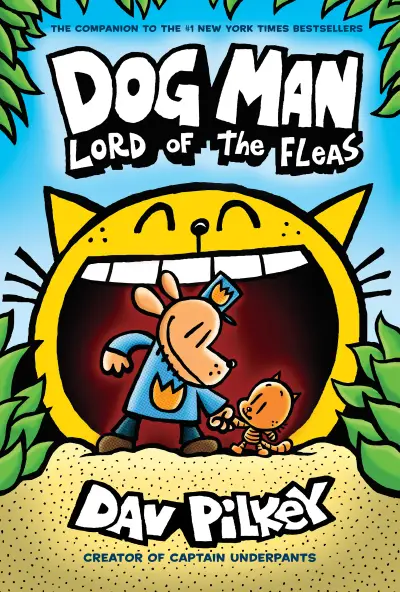
This middle arc is where Dog Man becomes more emotionally interesting. The series is still packed with toilets, puns, robots, chases and chaotic villains, but Petey and Li'l Petey's relationship gives it a genuine heart. Books in this stretch repeatedly ask whether someone who has done bad things can change, how kindness works, and what it means to choose good when you are used to being treated as bad. The comedy stays loud, but the emotional pay-off is stronger than the early books, making this the run that often wins over adults as well as children.
- IIINarrative arcBooks 11–14 · 2022–2025Moderate sensitivity
Big Jim and later ensemble stories
The later books widen the ensemble, with Big Jim becoming more central alongside familiar comic chaos.
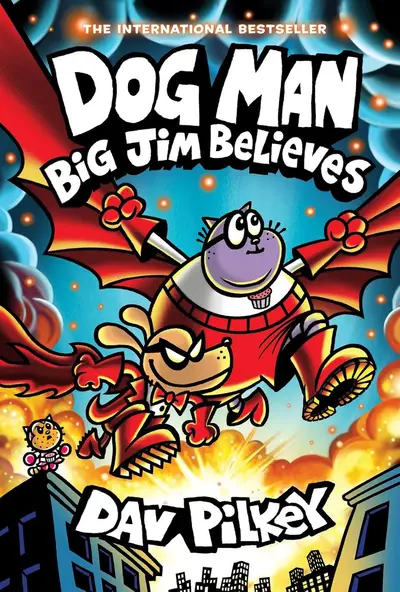
The later Dog Man books keep the same high-comedy surface but feel more ensemble-led. Big Jim moves from comic side presence towards a larger role, while the series continues to use villains, machines, ridiculous transformations and large-scale chaos as delivery systems for softer ideas about belief, friendship and being more than people expect. These are not good first entries because the running relationships now matter, but they are rewarding for readers already attached to the cast. The sensitivity stays moderate because of persistent comic violence and action, not because the books become dark.
Fit check
Right for your reader?
Where the series lands by age
- 1
- 3
- 5
- 7
- 9
- 11
- 13
- 15
- 17
- 19
- Best fit · 6–10
- Read aloud · 5–9
- Independent · 6–10
Reluctant-reader friendliness
Very high
Read-aloud quality
Strong
Adult crossover
High
Grows with the reader
Designed to
Sensitivity envelope
Moderate overall, and consistent.
Content notes
- Violence
Per-arc breakdown
In the same universe
Sister series.
Where it sits
In conversation with other series.
About the author