- Fantasy
- Earthsea collection
- Ages 10–17
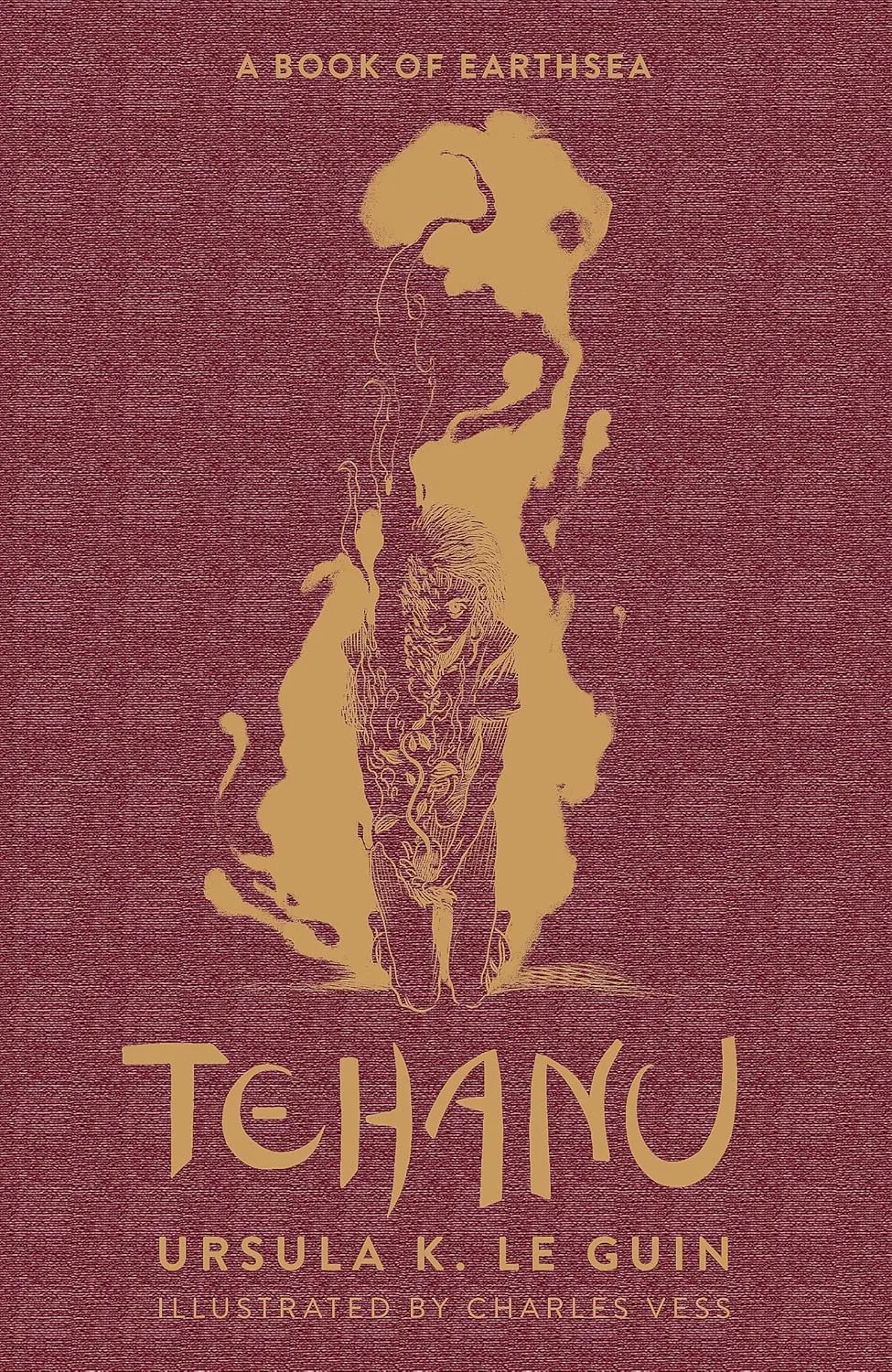
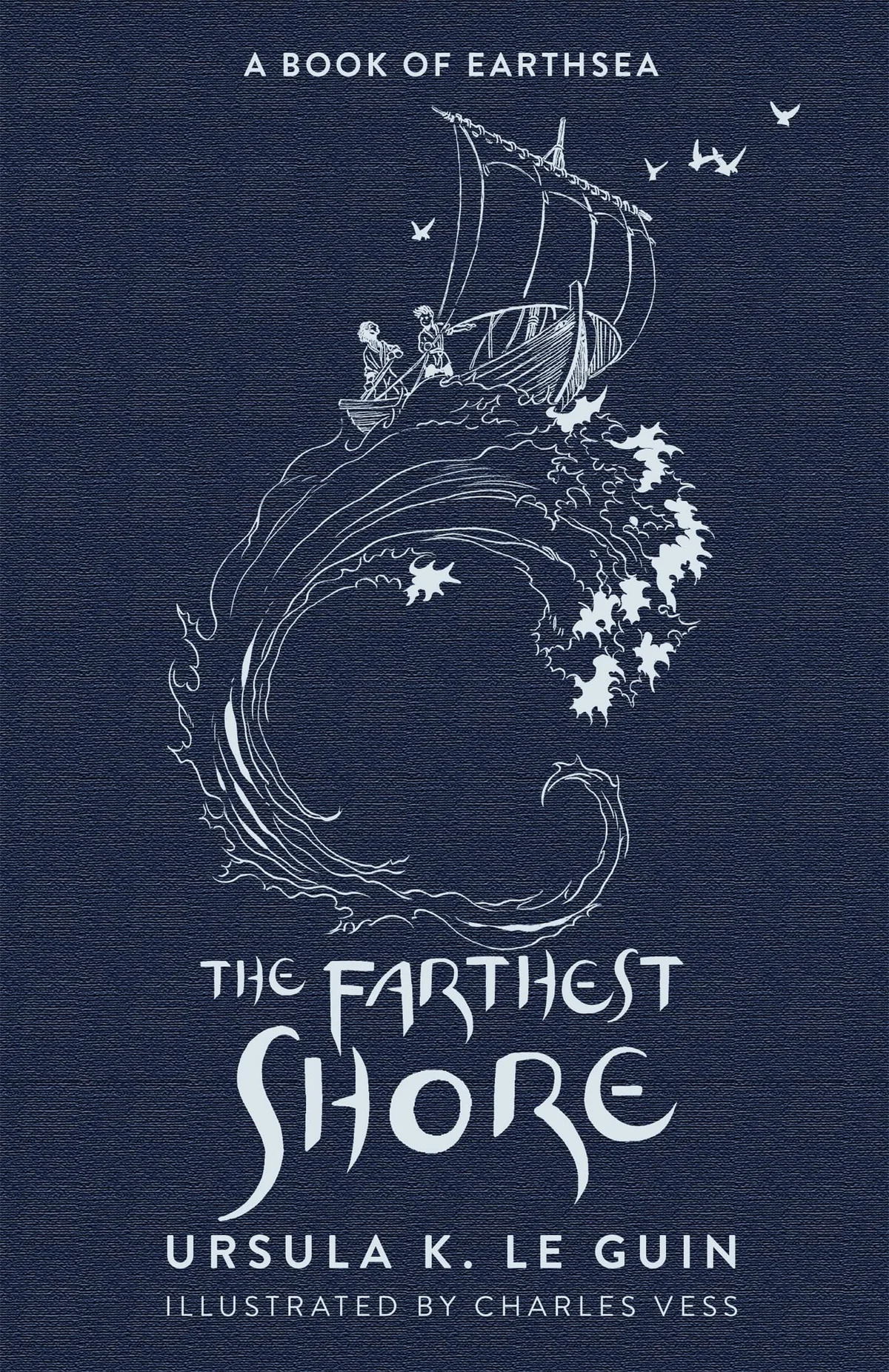
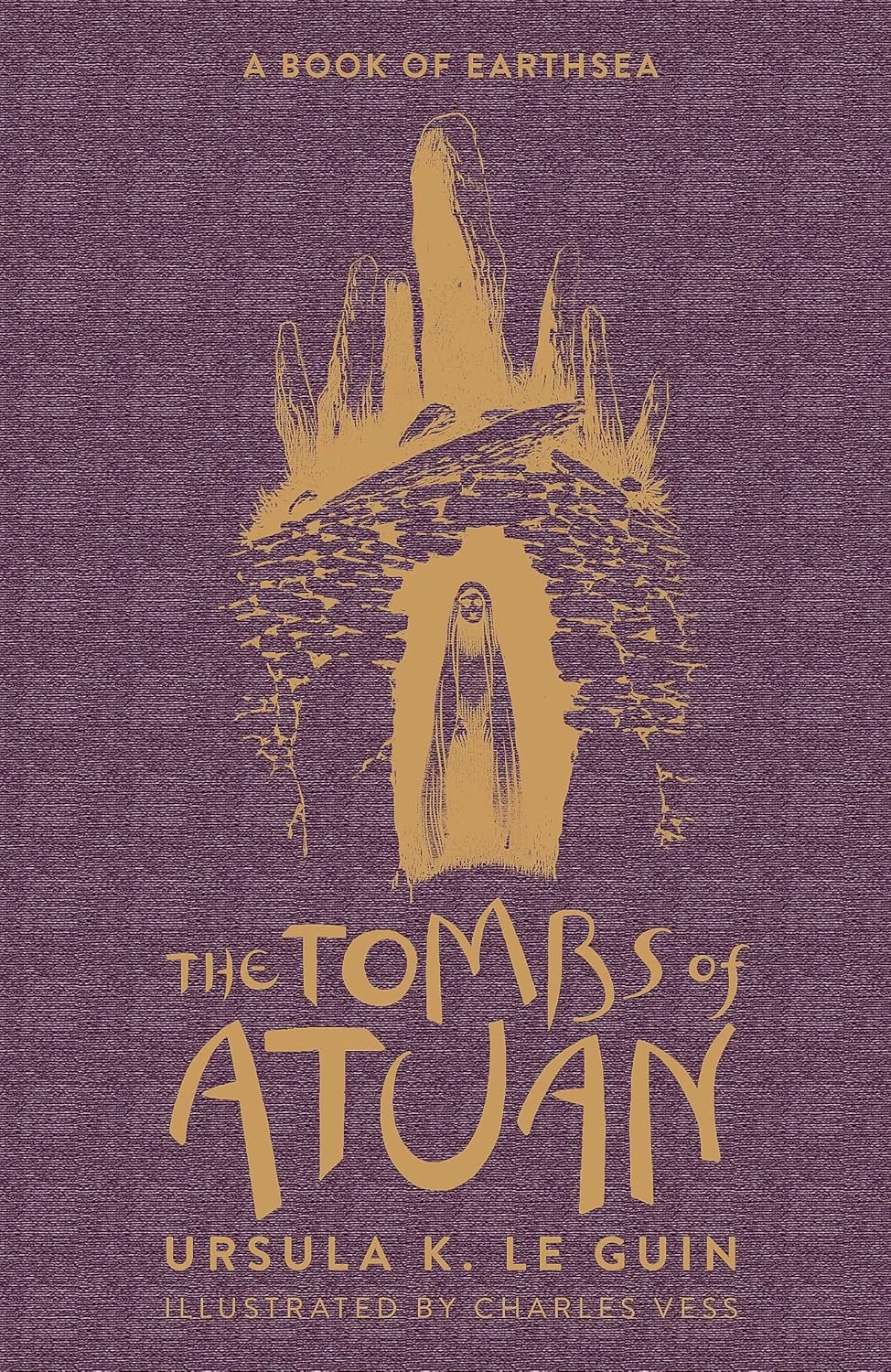
Earthsea
Part of the collectionEarthsea→Best for thoughtful older middle-grade and teen readers ready for slow, mythic, morally serious fantasy with real depth.
- Books5 / 6
- Arcs3
- Span1971–2001
- StatusComplete
The series
At a glance.
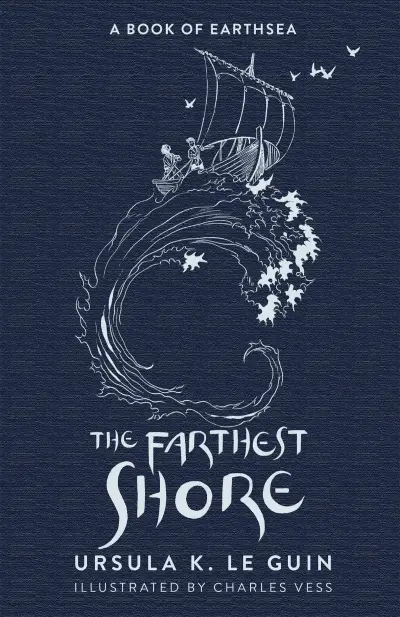
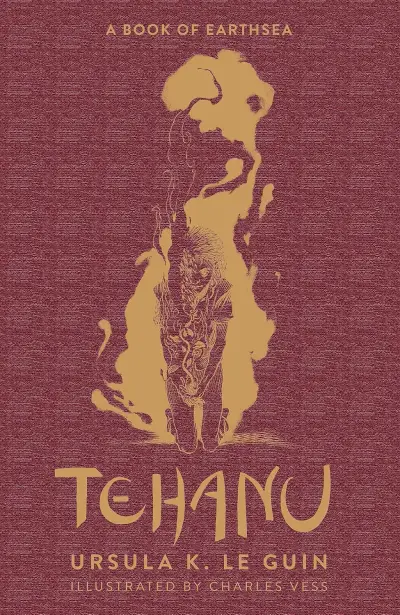
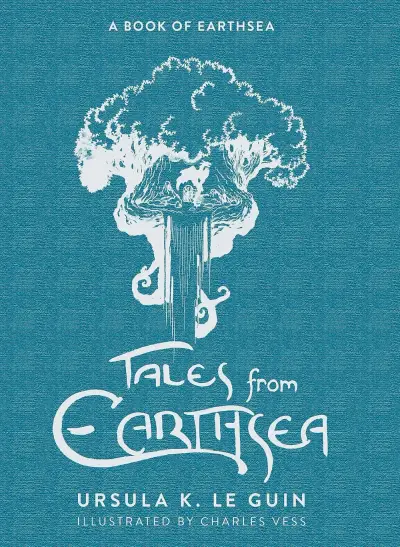
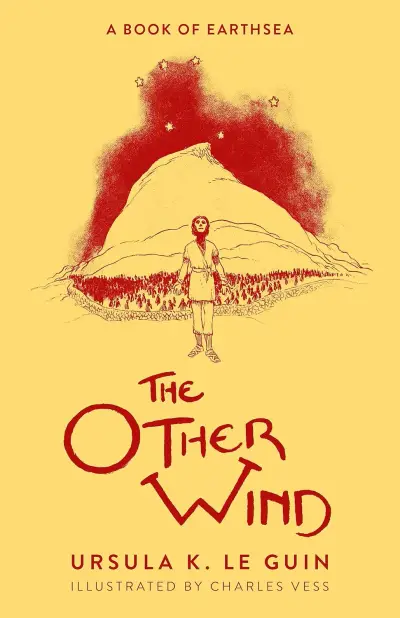
Earthsea is Ursula K. Le Guin's six-book mythic fantasy sequence. A Wizard of Earthsea introduces Ged, a proud young wizard whose arrogance releases a shadow he must spend the book learning to face. The Tombs of Atuan turns to Tenar, raised in darkness as the priestess of an oppressive cult, and the slow work of becoming herself. The Farthest Shore follows an older Ged and the prince Arren on a quest into the land of the dead to confront a sickness draining magic from the world. Tehanu, written eighteen years later, is a darker domestic novel about trauma, gendered power and what survives loss. Tales from Earthsea expands the lore and bridges the late sequence, and The Other Wind closes the cycle with a mythic resolution about death, dragons and the boundaries people build. The series rewards patient reading and grows substantially in emotional weight from book to book.
Best for thoughtful older middle-grade and teen readers ready for slow, mythic, morally serious fantasy with real depth.
Primary themes
Overall tone
- Thought provoking
- Dark
- Adventurous
- Melancholic
Read in publication order: A Wizard of Earthsea, The Tombs of Atuan, The Farthest Shore, Tehanu, Tales from Earthsea, The Other Wind. The first three form the original trilogy and stand together. Tehanu is much darker and more adult-facing than the early books and benefits from older readers. Tales from Earthsea is a companion collection best read after Tehanu, and The Other Wind depends on everything before it.
Three arcs
A series that changes as it goes.
- INarrative arcBooks 1–3 · 1971–1972Moderate sensitivity
The original trilogy: Ged's becoming
The original 1968-72 trilogy: a young wizard's shadow, a captive priestess's freedom, and a mythic quest into the land of the dead.
The original Earthsea trilogy is the natural entry to the cycle. A Wizard of Earthsea is Ged's coming-of-age, releasing a shadow through pride and learning across years to face it. The Tombs of Atuan shifts perspective to Tenar, raised inside an oppressive religion in darkness, and the slow recognition that she can choose otherwise. The Farthest Shore is the grandest of the three, an older Ged and the young prince Arren voyaging to the boundary of death itself to confront a sickness draining magic from the world. Sensitivity is moderate: the books deal with shadows, fear, captivity, mortality and moral failure, but the tone is mythic and morally clear rather than viscerally distressing.
- IINarrative arcBook 4 · 1990High sensitivity
Return to Earthsea: Tehanu
Le Guin returns to Earthsea eighteen years later with a darker, quieter novel about trauma, gendered power and what survives loss.
Tehanu is its own arc because it sits apart in tone, time and purpose. Written in 1990, eighteen years after The Farthest Shore, it returns to Tenar and a diminished Ged in a domestic setting on Gont, where Tenar takes in a severely abused child, Therru. The novel is less an adventure than a sustained reckoning with what the earlier books left out: women's lives, ordinary power, trauma, healing and the costs of magic. Sensitivity is high for this volume specifically because child abuse aftermath is central. It is one of the most important books in the cycle, but needs older or more emotionally ready readers than the original trilogy.
- IIINarrative arcBooks 5–6 · 2001Moderate sensitivity
Late Earthsea: lore and resolution
A companion collection deepens the world's history, then The Other Wind closes the cycle with a mythic reckoning about death, dragons and the boundary between worlds.
The closing arc of Earthsea is more reflective than dramatic. Tales from Earthsea is a story collection that opens up the history, magic and gendered politics of the archipelago, including the Dragonfly novella that bridges directly into the final novel. The Other Wind then closes the cycle: a sorcerer haunted by the dead draws Tenar, Tehanu, Ged and the dragons into a final reckoning with the deepest mistake in Earthsea's magical history. Sensitivity is moderate because grief, dreams of the dead and mortality dominate, but with mythic resolution rather than visceral peril. This arc rewards readers who already love the world; it is not a place to start.
Fit check
Right for your reader?
Where the series lands by age
- 1
- 3
- 5
- 7
- 9
- 11
- 13
- 15
- 17
- 19
- Best fit · 10–17
- Read aloud · 9–16
- Independent · 10–17
Reluctant-reader friendliness
Patchy
Read-aloud quality
Strong
Adult crossover
High
Grows with the reader
Not especially
Sensitivity envelope
Moderate overall — with one real jump.
Content notes
- Scary imagery
- Violence
- Mental health
- Death of character
Per-arc breakdown
Where it sits
In conversation with other series.
Read this before…
Series that lead readers naturally into this one.
- Harry Potter →
- The Hobbit and The Lord of the Rings →
Similar in feel
Different shelves, same wavelength.
- His Dark Materials →
- The Dark Is Rising Sequence →
- Chronicles of Prydain →
Read this after…
Series that pick up where Earthsea leaves off.
- The Old Kingdom →
About the author