- Chapter Books
- Ages 11–15
- Fantasy
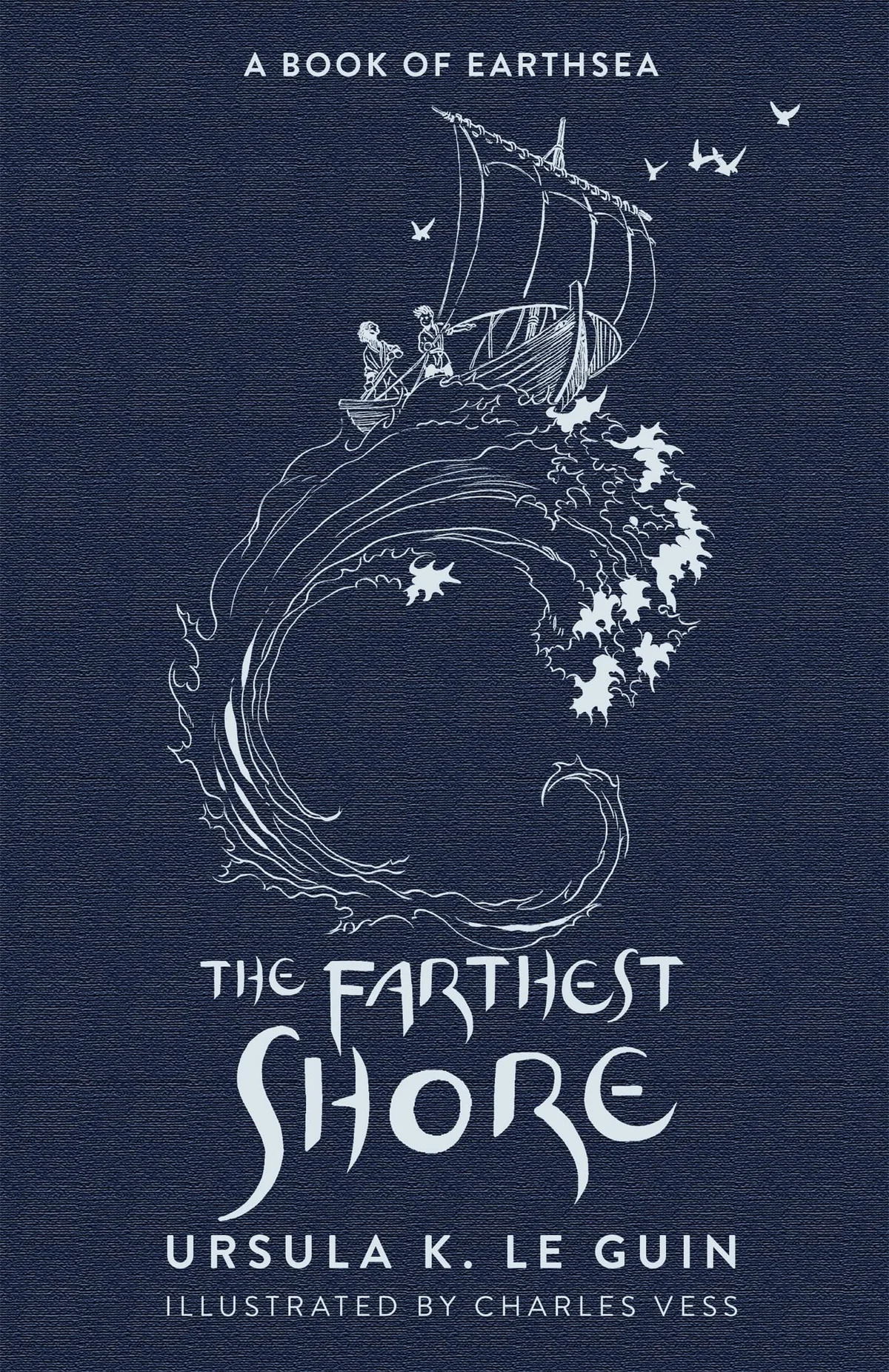
The Farthest Shore
Affiliate links — buy through these retailers and we earn a small commission, at no extra cost to you.
Book 3 in EarthseaView the full series
A bleak, beautiful Earthsea quest about magic fading from the world and the cost of denying death. It is more philosophical and death-facing than the first two books, best for thoughtful older readers.
- Best for11–15
- FormatChapter
- Length224 pp
- Read aloud~3 hr10 min
Affiliate links — buy through these retailers and we earn a small commission, at no extra cost to you.
The vibe
What it’s like.
Style
- Literary
- Lyrical
Tone
- Dark
- Adventurous
- Thought provoking
- Melancholic
- Suspenseful
Themes
Experience meters
What’s it about?
The story.
Something is wrong in Earthsea. Magic is failing, songs are being forgotten, and a spiritual emptiness is spreading from island to island. Ged, now Archmage of Roke, sets out with Arren, the young prince of Enlad, to discover what is draining the life from the world. Their voyage carries them across the far reaches of Earthsea, through despair, temptation, dragons and the shadowed land of death itself. The Farthest Shore is a quest story, but it is also a meditation on mortality, power and the dangers of wanting to escape the natural limits of life. It is one of the grander, darker Earthsea books, with more travel and scale than The Tombs of Atuan but a similarly serious moral atmosphere. Best for readers ready for slow-burn classic fantasy with real weight.
Fit check
Right for your child?
Where it lands by age
- 1
- 3
- 5
- 7
- 9
- 11
- 13
- Best fit · 11–15
- Read aloud · 10–15
- Independent · 11–15
Prose load
Moderate
Visual support
None
Reluctant-reader friendly
Tougher fit
Read-aloud quality
Strong
Works well for
- Reading aloud
- Gift-buying
Preview before sharing if a child is sensitive to: death of character, mental health, scary imagery, violence.
Bedtime suitability
1 / 5 · Wide awake
Sensitive-child
2 / 5 · Use judgement
Graphic intensity
2 / 5 · Mild
Best for
- Philosophical fantasy
- Classic quest
- Death and mortality
- Dragon fantasy
- Older middle grade
Avoid if
- Sensitive to death themes
- Needs light adventure
- Prefers fast pacing
- Wants magic school
Particularly good for children who are…
- Anxiety and worry
- Nightmares or fears
- Low self esteem
In the classroom
How it works in school.
Le Guin's landmark fantasy for older, confident readers — a rich class-novel and discussion text on identity, power and mortality, and a model of masterful writing.
A book children love that happens to support school — never a stand-in for the texts a class is taught with. Reviewed for the classroom · June 2026.
Why it lands
Why they love it.
Why kids love it
The specific feeling is the world quietly losing colour — wizards forgetting their spells, songs falling out of memory, people losing the will to live. A thirteen-year-old reading it senses the kind of melancholy fantasy mostly avoids. The ending, at the dry land of the dead, is one of the strangest and most beautiful in the genre.
- Going on a quest
- Surviving danger
- Having a wise mentor
- Making a difference
- Adventure and freedom
Why parents love it
Le Guin's third Earthsea novel — the one most explicitly about death, and what it costs to refuse it. The closing sequence at the dry shore of the dead is one of the great endings in children's fantasy. For the older middle-grade reader ready for slow, philosophical work; not the place to start.
- Great writing
- Conversation starter
- Beloved classic
- Educational for adult too
In the series
Earthsea.
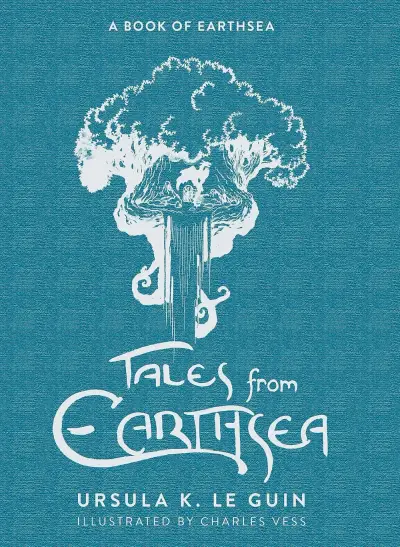
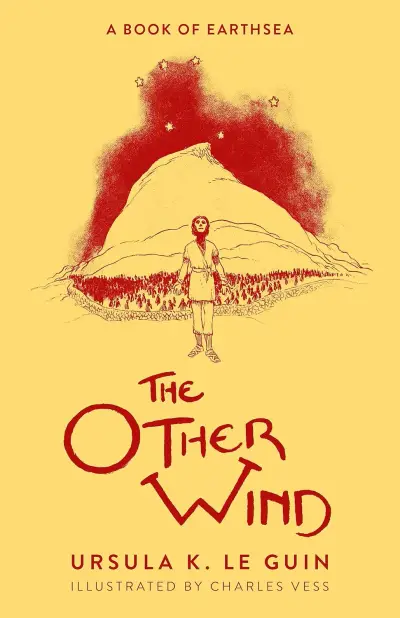
5 books · open the series →
About the author
Ursula K. Le Guin.
If you liked this
Three ways out of this book.
If you liked this, try…
Lateral matches. Same shelf, different texture.
Come into this from…
Easier or preparing reads — perfect lead-ins.
Where to go next…
Escalation reads — a step up in scale, silliness, or stakes.
More like this…
Books that share themes and topics with this one.