- Chapter Books
- Ages 10–14
- Fantasy
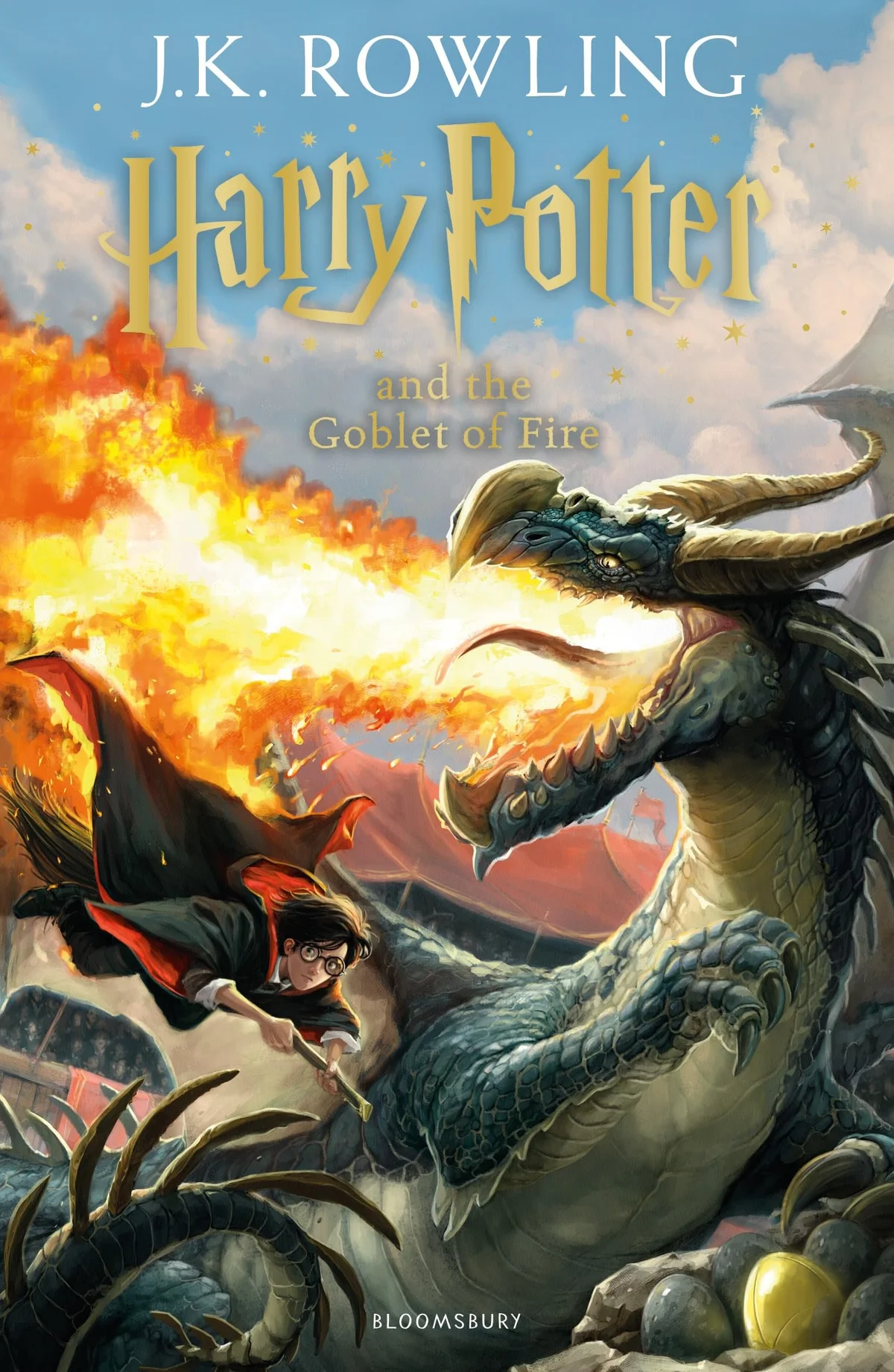
Harry Potter and the Goblet of Fire
Affiliate links — buy through these retailers and we earn a small commission, at no extra cost to you.
Book 4 in Harry PotterView the full series
The point where Harry Potter becomes a much larger, darker saga. The tournament structure is thrilling, but the graveyard climax and first major on-page student death make this a clear step up in age and sensitivity.
- Best for10–14
- FormatChapter
- Length640 pp
- Read aloud~19 hr10 min
Affiliate links — buy through these retailers and we earn a small commission, at no extra cost to you.
The vibe
What it’s like.
Style
- Conversational
- Literary
- Comedic
Tone
- Exciting
- Suspenseful
- Dark
- Adventurous
- Thought provoking
Themes
Experience meters
What’s it about?
The story.
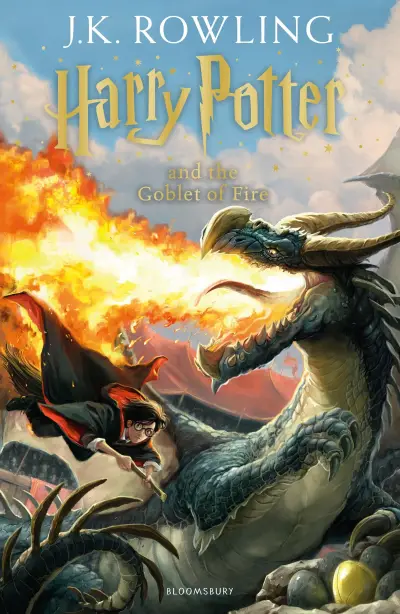
Harry's fourth year begins with the Quidditch World Cup and soon becomes stranger still when Hogwarts hosts the Triwizard Tournament. Although underage, Harry's name emerges from the Goblet of Fire, forcing him into a dangerous international competition against older students. Dragons, underwater rescue, a magical maze and school rivalries give the book huge adventure momentum, but something darker is moving behind the scenes. Goblet of Fire is the series' major pivot: the magical world grows wider, the politics become more serious, and Voldemort's return changes the stakes permanently. It is gripping and highly rewarding for established readers, but it is also much more intense than the first three books. The final act includes murder, ritual horror, grief and a new sense that the childhood adventure phase is ending.
“The villagers of Little Hangleton still called it "the Riddle House," even though it had been many years since the Riddle family had lived there.”
Fit check
Right for your child?
Where it lands by age
- 1
- 3
- 5
- 7
- 9
- 11
- 13
- Best fit · 10–14
- Read aloud · 9–14
- Independent · 10–14
Prose load
Heavy
Visual support
None
Reluctant-reader friendly
Workable
Read-aloud quality
Excellent
Works well for
- Reading aloud
- Gift-buying
Preview before sharing if a child is sensitive to: death of character, violence, scary imagery, grief.
Bedtime suitability
1 / 5 · Wide awake
Sensitive-child
2 / 5 · Use judgement
Graphic intensity
3 / 5 · Some
Best for
- Fantasy tournament
- Series turning point
- High stakes magic
- Older middle grade
- Big fantasy arc
Avoid if
- Sensitive to character death
- Sensitive to ritual horror
- Needs short books
- Avoids creator controversy
Particularly good for children who are…
- Anxiety and worry
- Bereavement
- Making friends
- Being bullied
In the classroom
How it works in school.
The Harry Potter saga — a generation-defining class read-aloud and free-read favourite, rich for talk about friendship, courage and good versus evil.
A book children love that happens to support school — never a stand-in for the texts a class is taught with. Reviewed for the classroom · June 2026.
Why it lands
Why they love it.
Why kids love it
The specific thrill is the tournament — dragons, mermaids in the Black Lake, a maze full of curses, three older champions and Harry pulled in against his will. A ten-year-old reading this feels the series gear up; the closing graveyard scene is the moment they realise it isn't a school-mystery series anymore.
- Magic powers
- Proving yourself
- Surviving danger
- Being special or chosen
- Friendship and belonging
Why parents love it
The Potter where the series tips from middle-grade adventure into proper YA — twice the length, the first death readers feel, the return of Voldemort, the stakes from school mystery to actual war. Worth letting children read at their own pace; some ten-year-olds need to wait. Sets the register for the rest.
- Beloved classic
- Conversation starter
- Shared humour
- Nostalgia
In the series
Harry Potter.
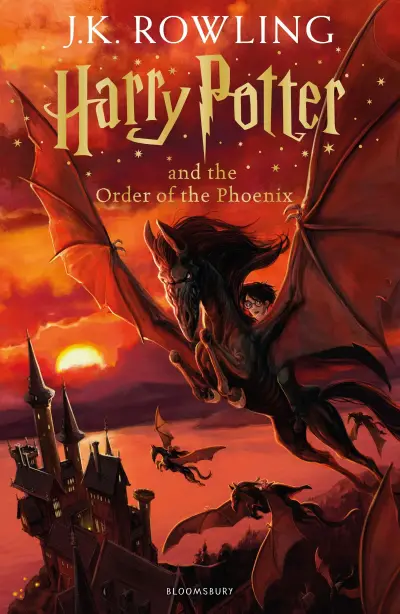
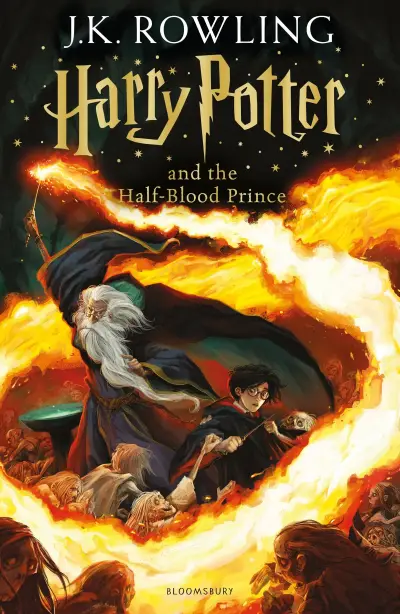
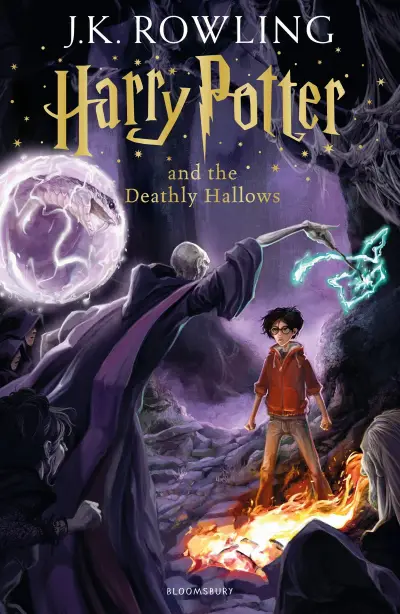
7 books · open the series →
About the author
J.K. Rowling.
If you liked this
Three ways out of this book.
If you liked this, try…
Lateral matches. Same shelf, different texture.
Come into this from…
Easier or preparing reads — perfect lead-ins.
Where to go next…
Escalation reads — a step up in scale, silliness, or stakes.
More like this…
Books that share themes and topics with this one.