- Fantasy
- Harry Potter collection
- Ages 8–16
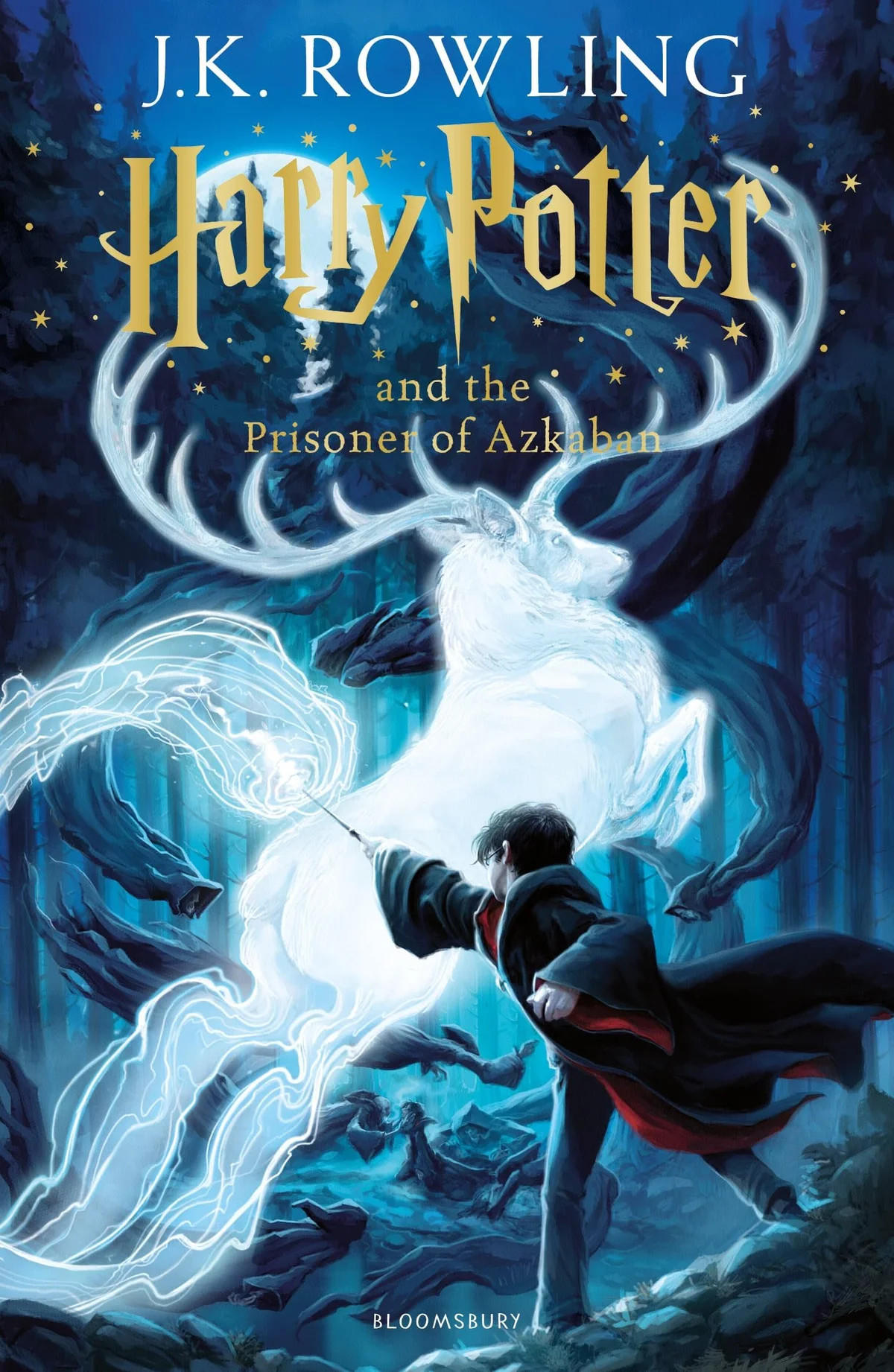
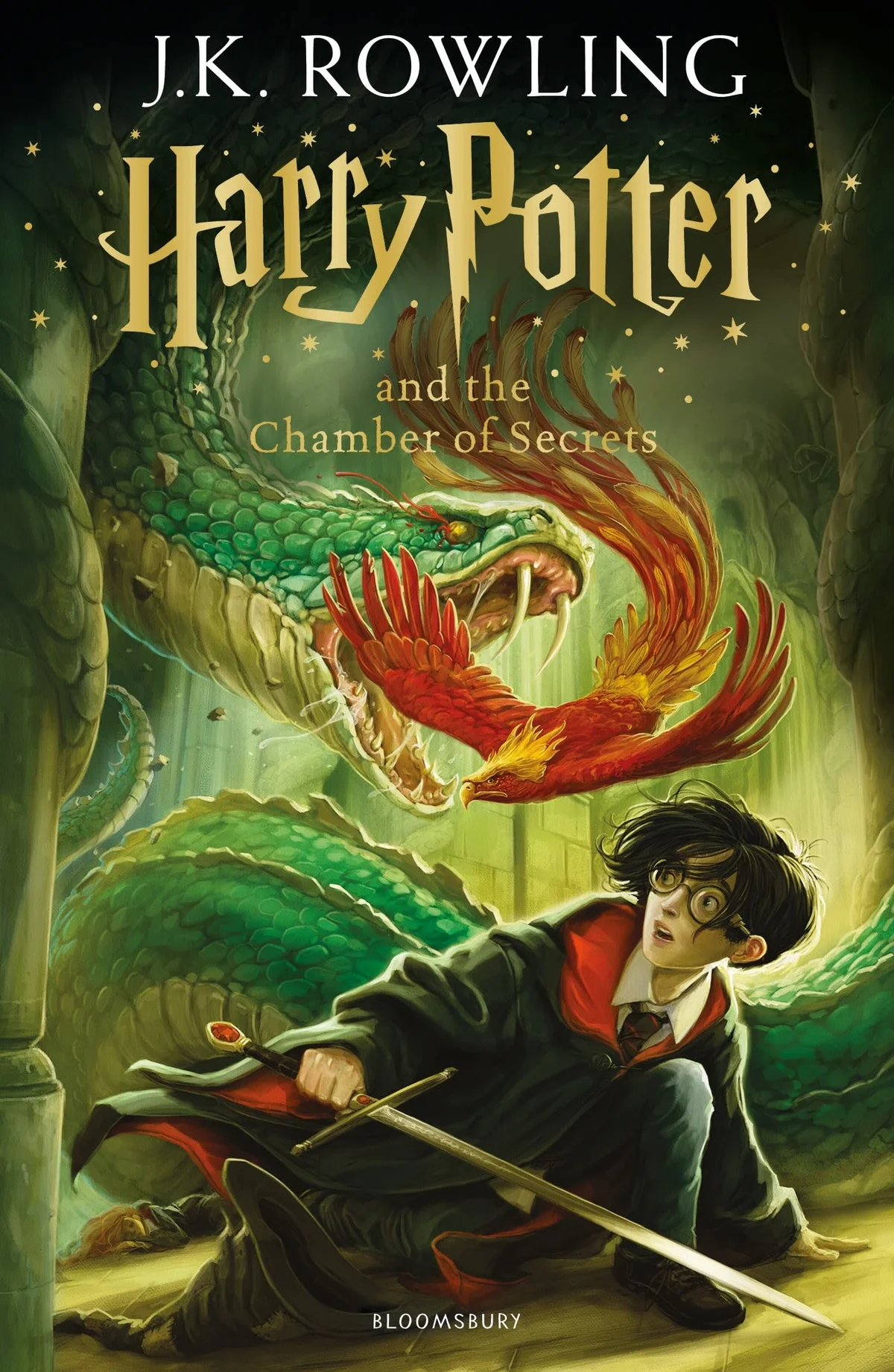
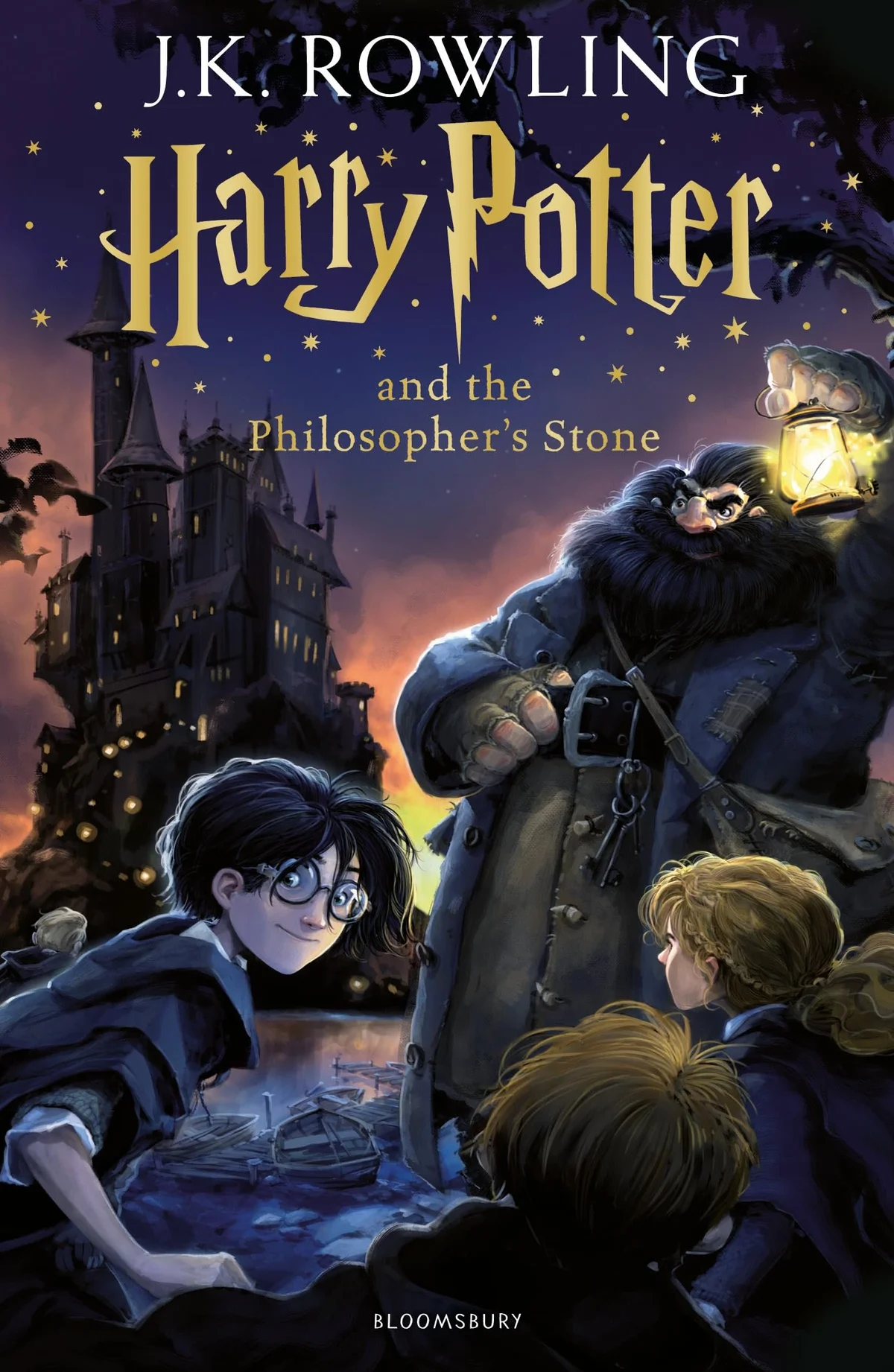
Harry Potter
Part of the collectionHarry Potter→Seven years at Hogwarts that grow from cosy magical school story to epic, war-shadowed fantasy. A definitive coming-of-age reading journey best begun young and finished older.
- Books7 / 7
- Arcs3
- Span1997–2007
- StatusComplete
The series
At a glance.
J.K. Rowling's seven-book sequence takes Harry from the cupboard under the stairs to the final battle for the wizarding world. Each book covers a year at Hogwarts, and the series is famous for ageing with its readers: the early volumes are warm, funny magical school stories, while the later ones become darker, longer and emotionally heavier, moving through grief, prejudice, authoritarianism and open war. Across the arc the friendship of Harry, Ron and Hermione anchors an ever-widening world of memorable characters and deepening moral complexity. The storytelling is superbly readable and richly plotted, with mysteries that pay off books later. It is one of the definitive reading journeys of modern childhood, but the growing intensity means the later books are best matched to older, ready readers.
Seven years at Hogwarts that grow from cosy magical school story to epic, war-shadowed fantasy. A definitive coming-of-age reading journey best begun young and finished older.
Primary themes
Overall tone
- Adventurous
- Suspenseful
- Dark
- Exciting
Read in publication order, one book per school year. The books deepen in age and sensitivity as they go, so early readers can start young but should reach the later, darker volumes when older.
Three arcs
A series that changes as it goes.
- INarrative arcBooks 1–3 · 1997–1999Moderate sensitivity
The magical school years
The warmer, more contained early years, school mystery, friendship and wonder.
The first three books are the series at its most child-facing: self-contained school-year mysteries built around friendship, lessons, Quidditch and the joy of discovering a magical world. There is real danger, orphanhood, neglect, a monstrous basilisk, soul-draining Dementors, but the register stays largely warm, funny and wonder-filled, and each book resolves its own threat. Prisoner of Azkaban marks the turn towards greater emotional depth, with chosen family, fear and injustice at its heart. This arc is the natural entry point for younger readers, though sensitive children may need support around Harry's early mistreatment and the scarier set pieces.
- IINarrative arcBooks 4–6 · 2000–2005High sensitivity
The gathering dark
Voldemort returns and the saga turns darker, longer and more political.
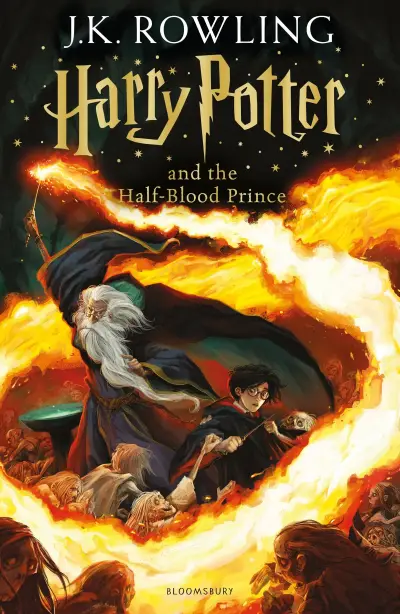
From Goblet of Fire, the series becomes a much larger and darker saga. Voldemort returns, the first major character death lands, and the books grow longer and more emotionally demanding, moving through authoritarian school cruelty, denial, rage, grief and dawning war. School life, romance and humour remain, but the dominant feeling shifts to pressure and dread as institutions fail and the stakes turn deadly. These books reward established readers who have grown with Harry, but the sustained intensity, on-page death, torment and a shattering finale to Half-Blood Prince makes them a clear step up in age and sensitivity from the early years.
- IIINarrative arcBook 7 · 2007High sensitivity
War and the final battle
The war-novel finale, quest, loss and the last stand against Voldemort.
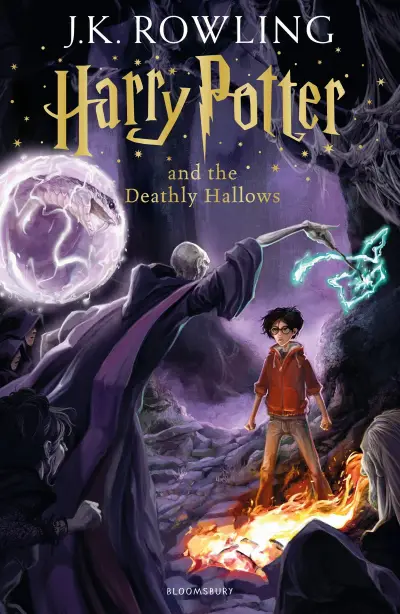
The final book abandons the comfort of school-story structure for a quest through fear, secrecy, betrayal and war. Harry, Ron and Hermione go on the run to destroy Voldemort's Horcruxes while the wizarding world falls under authoritarian rule and prejudice becomes state policy. It draws every thread of the series together and is exciting and cathartic for readers who have come this far, but characters are tortured, imprisoned and killed, and the final battle is genuinely warlike. This is a high-sensitivity read for older children and teens, and should not be treated as a general 8+ fantasy recommendation.
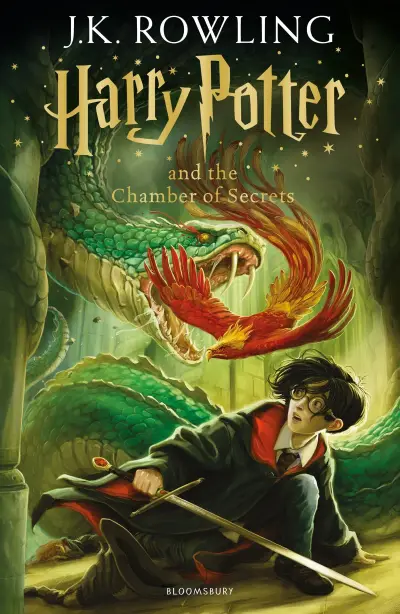
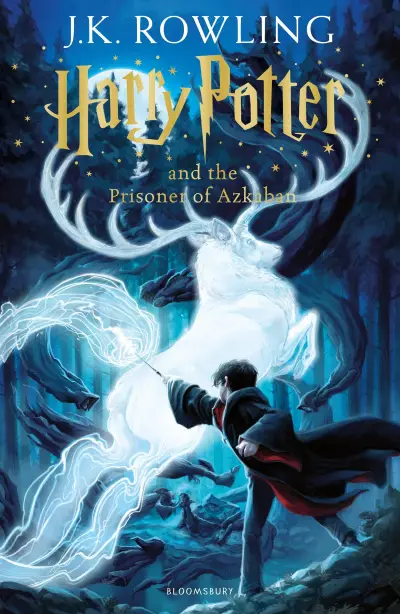
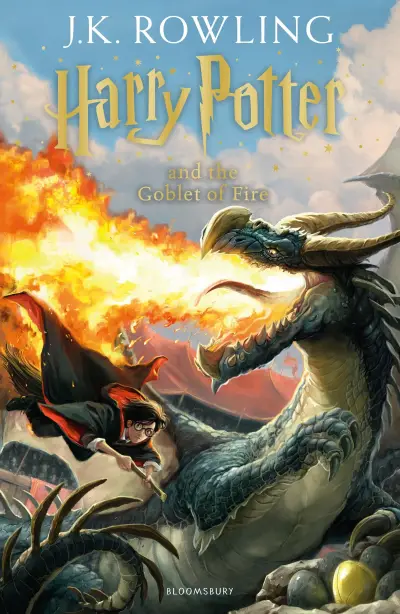
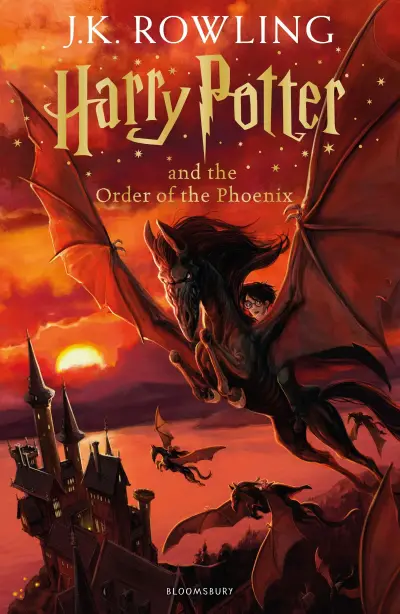
Fit check
Right for your reader?
Where the series lands by age
- 1
- 3
- 5
- 7
- 9
- 11
- 13
- 15
- 17
- 19
- Best fit · 8–16
- Read aloud · 7–12
- Independent · 8–16
Reluctant-reader friendliness
Workable
Read-aloud quality
Excellent
Adult crossover
High
Grows with the reader
Designed to
Sensitivity envelope
High overall — with one real jump.
Content notes
- Death of character
- Death of parent
- Grief
- Violence
- War or conflict
- Abuse
- Bullying
- Racism or discrimination
- Mental health
- Scary imagery
Per-arc breakdown
About the author