Journey Trilogy
Part of the collectionJourney Trilogy→Best for children who love poring over pictures, inventing the story aloud and feeling swept into a beautiful fantasy world.
- Books3 / 3
- Arcs2
- Span2014–2017
- StatusComplete
The series
At a glance.
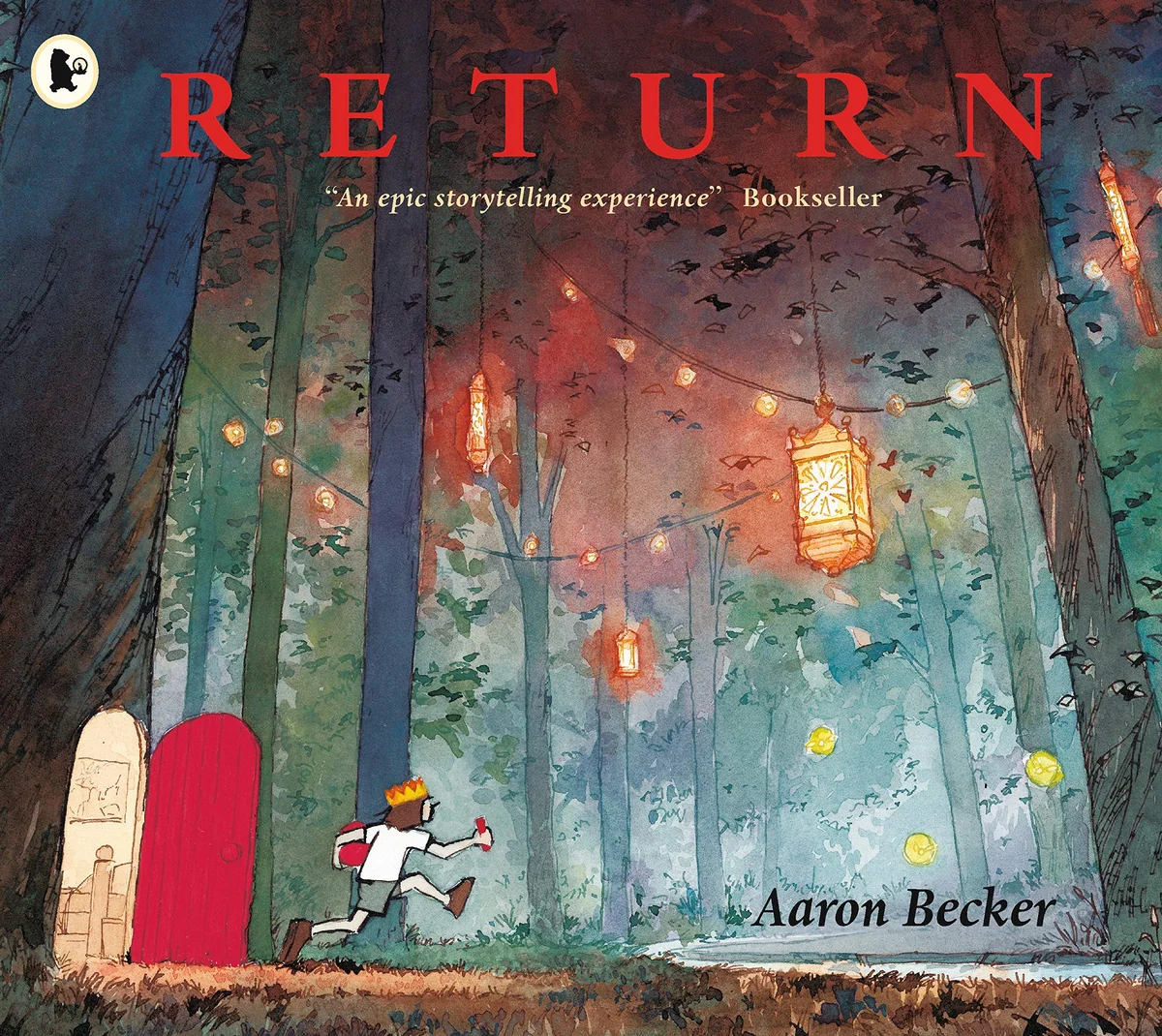
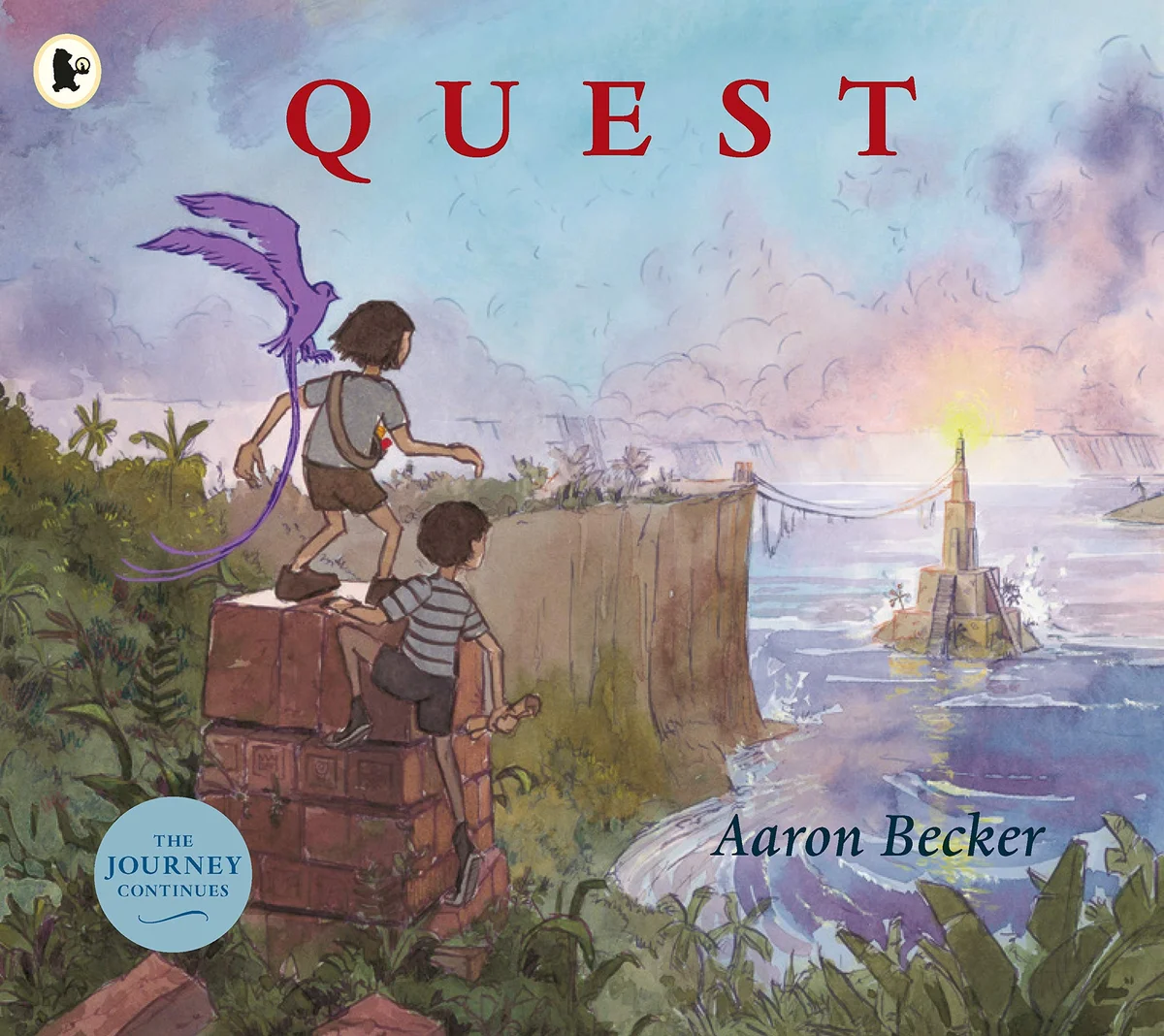
The Journey Trilogy is Aaron Becker's complete wordless picture-book sequence: Journey, Quest and Return. The books follow a lonely child who draws a red door into another world and later becomes part of a larger adventure involving colour, kings, danger and family repair. Because there are no words, the reading experience is unusually flexible: very young children can narrate what they see, older children can infer motive and sequence, and adults can enjoy the cinematic composition. It is not a bedtime story in the traditional verbal sense, but it is one of the strongest visual-reading sequences in modern picture books.
Best for children who love poring over pictures, inventing the story aloud and feeling swept into a beautiful fantasy world.
Primary themes
Overall tone
- Gentle
- Whimsical
- Adventurous
- Heartwarming
Read in order: Journey, Quest, then Return. The visual story and emotional resolution build across the trilogy.
Two arcs
A series that changes as it goes.
- INarrative arcBook 1 · 2014Low sensitivity
The red crayon doorway
A lonely child draws a door into an imagined world and begins a wordless fantasy adventure.
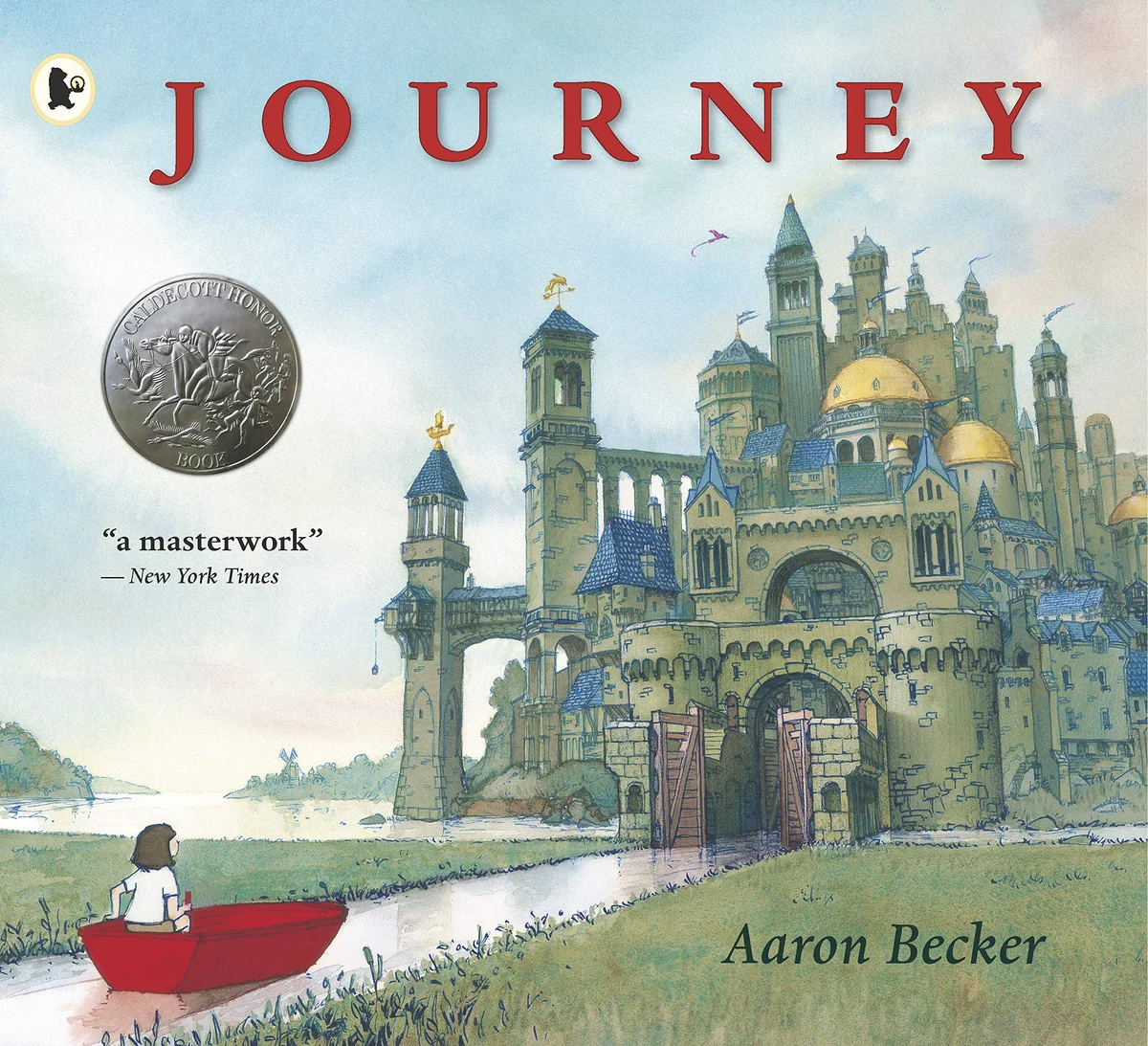
Journey is the natural entry point and the most iconic single book in the trilogy. A lonely child, ignored at home, draws a red door on her bedroom wall and steps into a grand, silent fantasy world. The story moves through boats, balloons, castles, capture and rescue, but its emotional core is simple: imagination becomes a route out of loneliness and towards friendship. The lack of words means the book is not easier in a simplistic sense; children have to read expressions, sequence and cause-and-effect through images. That makes it exceptionally rich for shared reading.
- IINarrative arcBooks 2–3 · 2015–2017Low sensitivity
Quest and Return
The imagined world expands through a colour quest, then resolves through family connection and return.
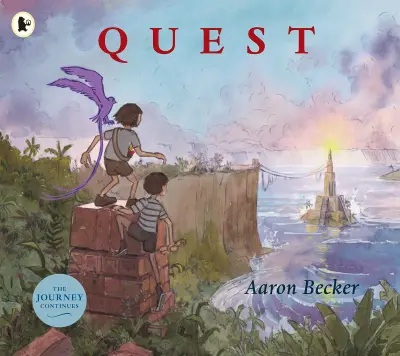
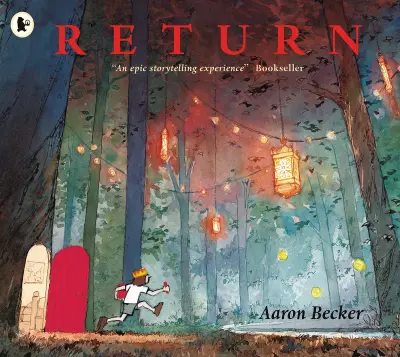
Quest and Return broaden the visual world and complete the emotional arc. Quest gives the children a clearer mission involving colours, a king and a world under threat, while Return brings the family thread forward and allows the adult world to enter the child's imaginative space. The trilogy becomes warmer and more resolved here, with the red crayon joined by other colours and the original loneliness answered more fully. These books are best after Journey because the emotional pay-off depends on recognising the doorway, the colour logic and the child's need to be seen.
Fit check
Right for your reader?
Where the series lands by age
- 1
- 3
- 5
- 7
- 9
- 11
- 13
- 15
- 17
- 19
- Best fit · 3–8
- Read aloud · 3–8
- Independent · 4–8
Reluctant-reader friendliness
High
Read-aloud quality
Excellent
Adult crossover
High
Grows with the reader
Not especially
Sensitivity envelope
Low overall, and consistent.
Per-arc breakdown
Where it sits
In conversation with other series.
Read this before…
Series that lead readers naturally into this one.
- The Snowman →
Similar in feel
Different shelves, same wavelength.
- The Arrival →
- The Tree and the River →
- Flotsam →
Read this after…
Series that pick up where Journey Trilogy leaves off.
- The Invention of Hugo Cabret →
About the author