- Contemporary
- Sunny collection
- Ages 8–12
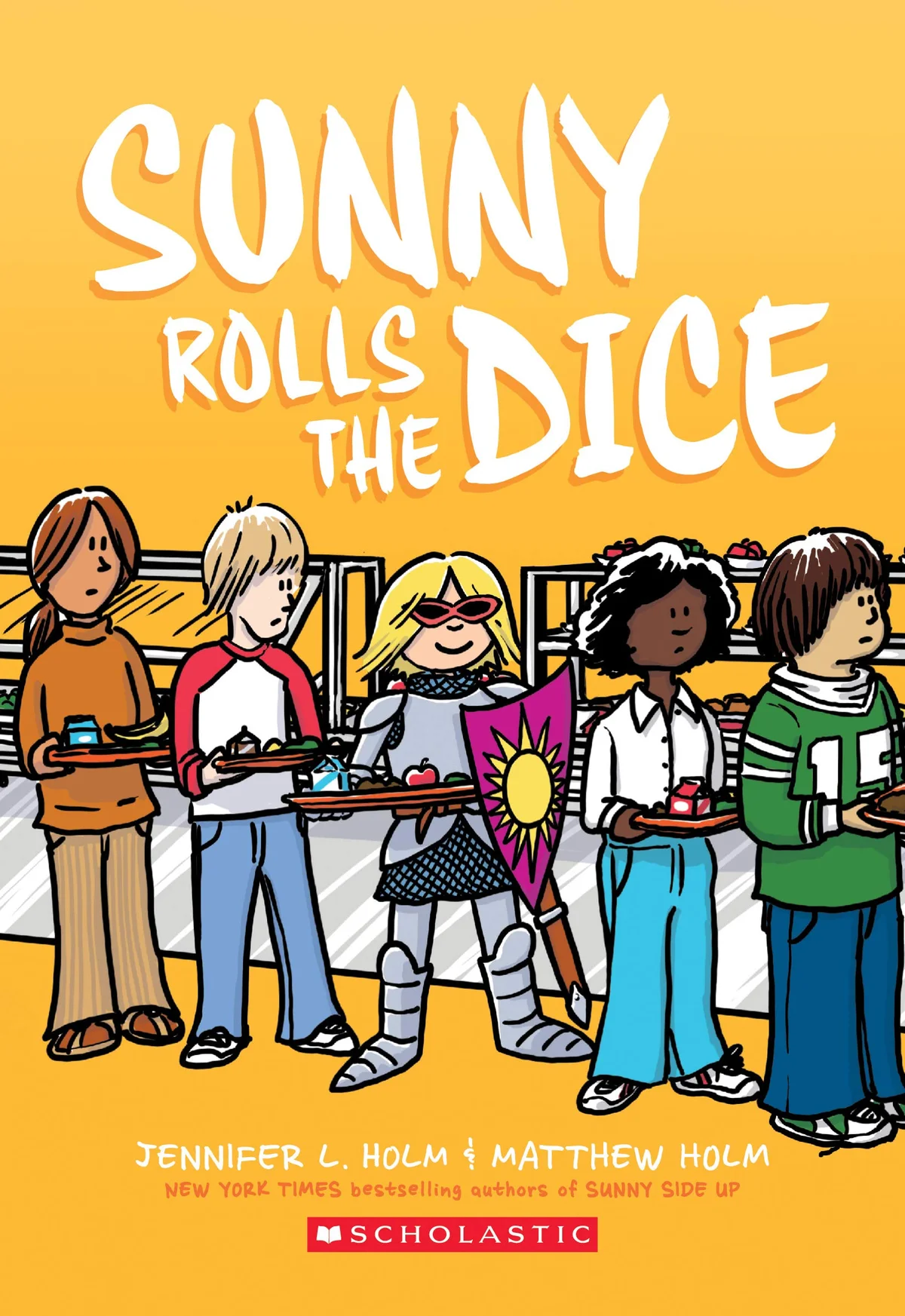
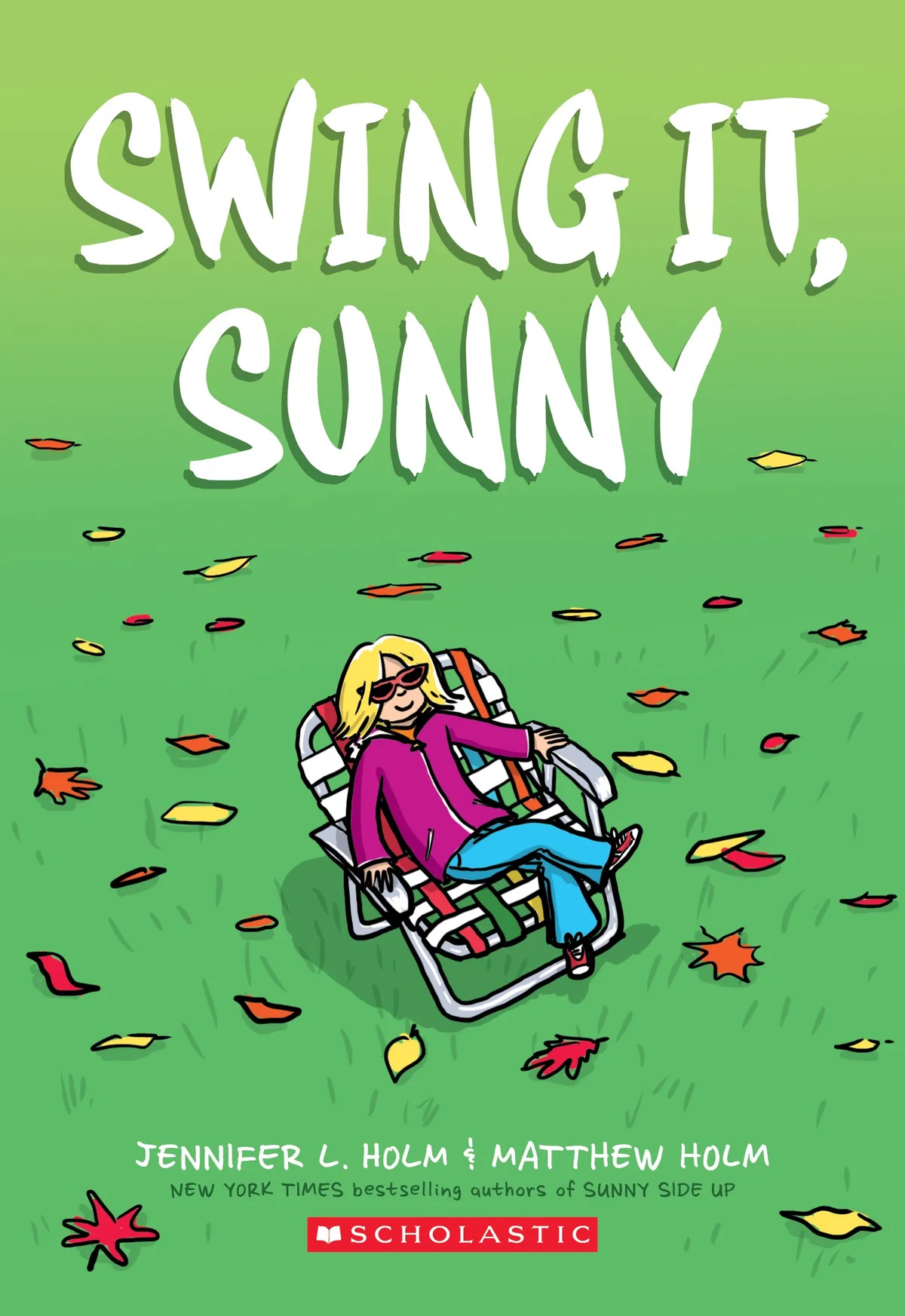
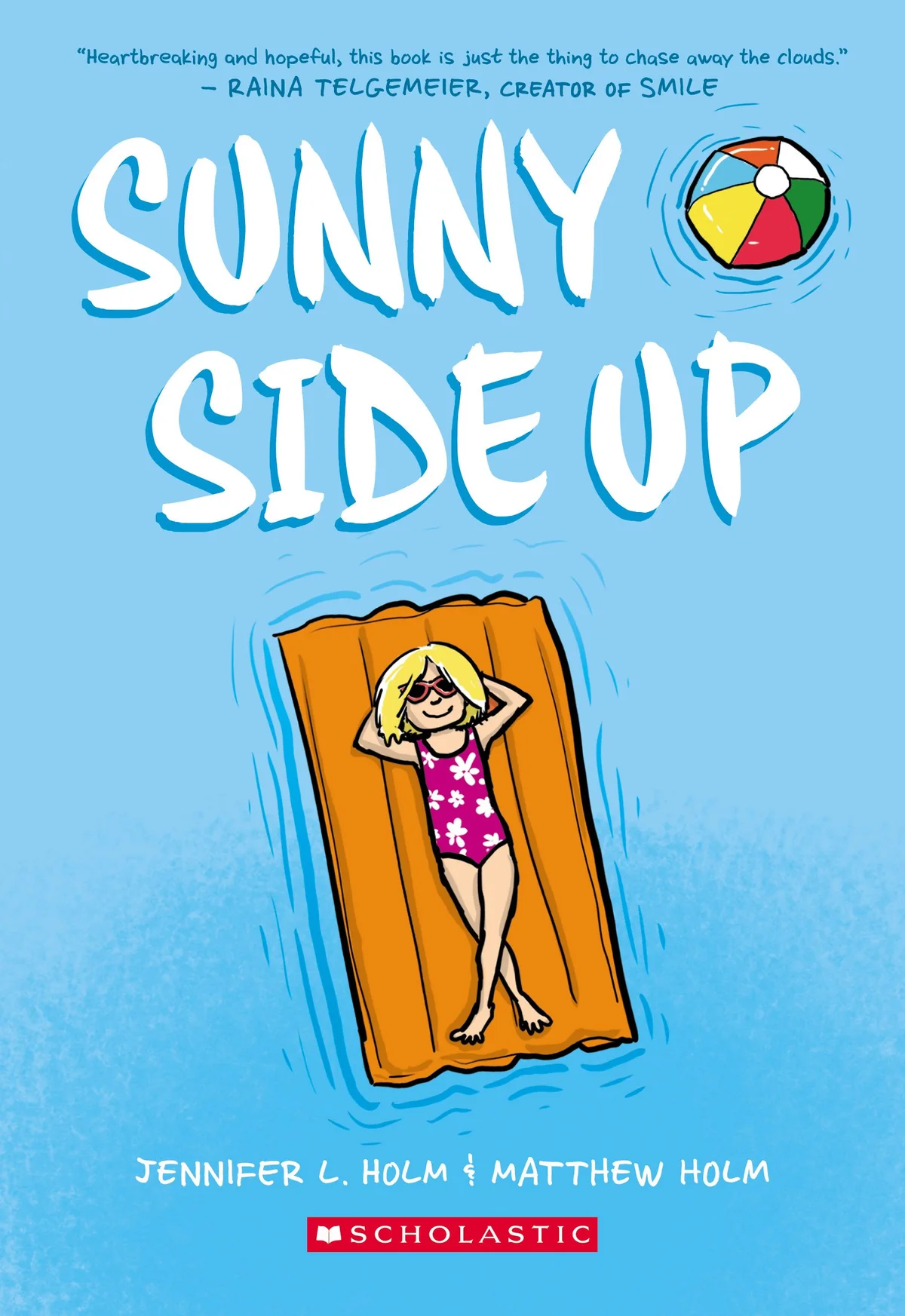
Sunny
Part of the collectionSunny→Best for readers who like realistic graphic novels with humour and warmth, but who can handle some family difficulty beneath the fun.
- Books6 / 6
- Arcs2
- Span2015–2025
- StatusOngoing
The series
At a glance.
Sunny is a six-book graphic novel series written by Jennifer L. Holm and illustrated by Matthew Holm. It follows Sunny Lewin through 1970s childhood and early adolescence, beginning with Sunny Side Up and Swing It, Sunny, which deal with her brother's substance-use-related family crisis and Sunny's confusion about what is happening at home. Later books broaden into Dungeons & Dragons, lifeguarding, debate, school, friendship and independence. The series is highly accessible visually, but emotionally richer than many bright middle-grade comics, especially for readers ready to think about family problems from a child's point of view.
Best for readers who like realistic graphic novels with humour and warmth, but who can handle some family difficulty beneath the fun.
Primary themes
Overall tone
- Funny
- Warm
- Heartwarming
- Thought provoking
Read in publication order. The early family context matters, especially before the later books move into Sunny's growing independence and interests.
Two arcs
A series that changes as it goes.
- INarrative arcBooks 1–2 · 2015–2017Moderate sensitivity
Family trouble and finding the shape of things
Sunny begins to understand her family's strain, her brother's problems and her own feelings around change.
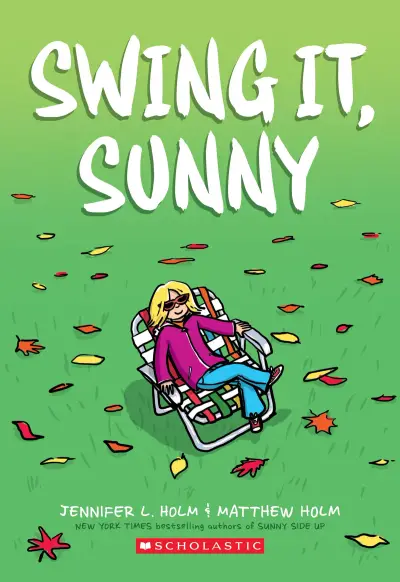
The opening Sunny arc is the most emotionally sensitive part of the series. Sunny Side Up sends Sunny away to stay with her grandfather while the family deals with her older brother's substance-related crisis, and Swing It, Sunny continues the emotional aftermath as Sunny tries to understand her place in a changed household. The books are gentle and child-facing, with humour and 1970s nostalgia softening the experience, but the family-health thread is substantial enough to carry moderate sensitivity and content warnings. This arc is especially valuable for children who need realistic stories about family problems that do not become overwhelming.
- IINarrative arcBooks 3–6 · 2019–2025Low sensitivity
Sunny becomes more herself
The later books follow Sunny into hobbies, work, debate, friendship and growing independence.
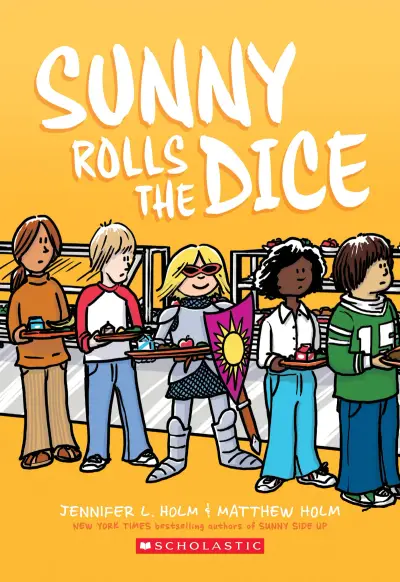
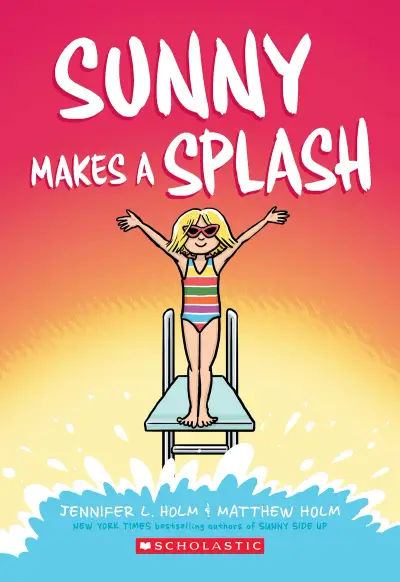
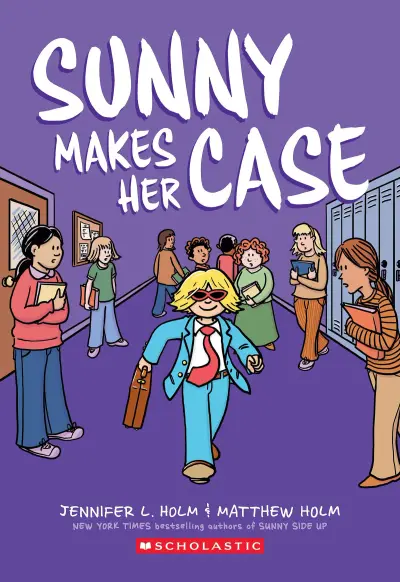
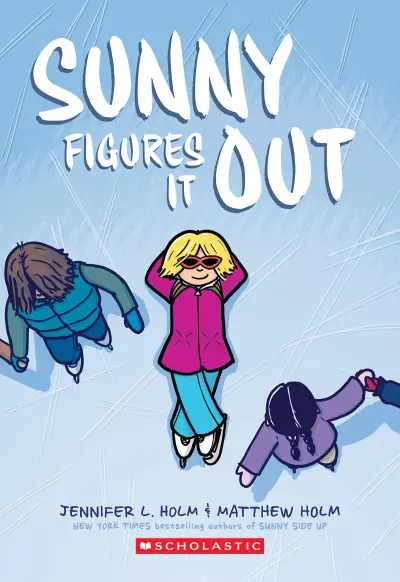
The later Sunny arc moves away from the family crisis as the central engine and into Sunny's own growing identity. Rolls the Dice uses Dungeons & Dragons and friendship to explore confidence and imagination; Makes a Splash brings work, responsibility and independence into view; Makes Her Case and Figures It Out continue Sunny's movement into ambition, school, problem-solving and self-definition. The sensitivity is lower here than in the first two books, but the emotional continuity matters: Sunny's growth feels earned because readers have seen what she has had to understand and carry.
Fit check
Right for your reader?
Where the series lands by age
- 1
- 3
- 5
- 7
- 9
- 11
- 13
- 15
- 17
- 19
- Best fit · 8–12
- Read aloud · 8–11
- Independent · 8–12
Reluctant-reader friendliness
High
Read-aloud quality
Workable
Adult crossover
High
Grows with the reader
Designed to
Sensitivity envelope
Moderate overall — with one real jump.
Content notes
- Substance references
- Mental health
Per-arc breakdown
Where it sits
In conversation with other series.
About the author