- Illustrated Chapter Books
- Ages 6–10
- Comedy
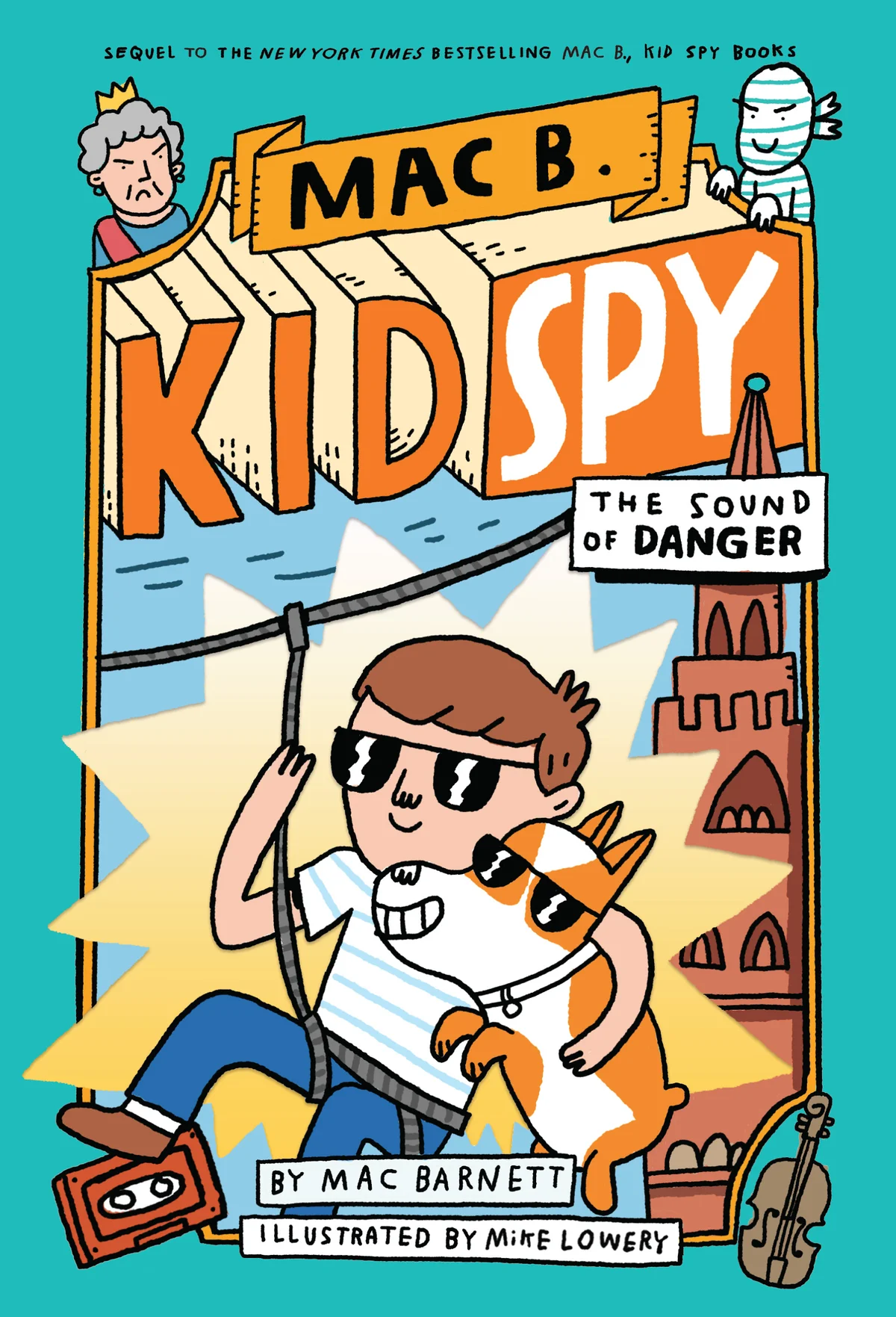
Kid Spy: The Sound of Danger
Affiliate links — buy through these retailers and we earn a small commission, at no extra cost to you.
Book 5 in Kid SpyView the full series
Part of the Mac Barnett universeOpen the collection
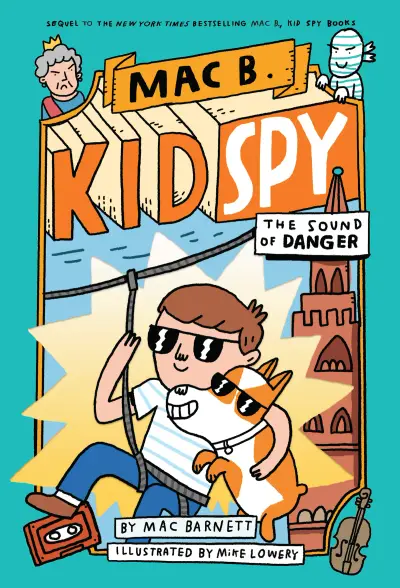
Someone has stolen a famous violin and Mac has to get it back. The most art-and-music-forward entry in the series and the one most naturally suited to children interested in the creative arts, without losing any of the comedy or pace.
- Best for6–10
- FormatIllustrated
- Length160 pp
- Read aloud~2 hr15 min
Affiliate links — buy through these retailers and we earn a small commission, at no extra cost to you.
The vibe
What it’s like.
Style
- Comedic
- Conversational
- Literary
- Second person
Tone
- Funny
- Silly
- Exciting
- Adventurous
- Irreverent
- Suspenseful
- Absurdist
Themes
Experience meters
What’s it about?
The story.
The Sound of Danger takes the series into music history: the stolen violin and the concert_setting give Barnett his most culturally distinct mission, and the creativity_and_imagination deep theme at 0.65 reflects a book that takes the violin's significance seriously while still delivering the full comedy. The interested_in_art_and_creativity reader_situation at 0.45 is the most prominent it appears in the series, this is the entry to recommend when a caregiver knows their child is specifically interested in music. The heist plot_engine makes this the most structurally tight book since The Impossible Crime: Mac has to retrieve the violin through wit and planning rather than pure adventurousness. History_and_heritage leads the deep_themes at 0.75 (the second highest in the series) reflecting the historical significance of the instrument and the cultural weight Barnett attaches to it. The ambition deep theme at 0.45 continues the series' consistent thread: Mac is not just a spy, he is someone who wants to matter.
Fit check
Right for your child?
Where it lands by age
- 1
- 3
- 5
- 7
- 9
- 11
- 13
- Best fit · 6–10
- Read aloud · 5–9
- Independent · 7–10
Prose load
Moderate
Visual support
High
Reluctant-reader friendly
Very
Read-aloud quality
Strong
Works well for
- Reading aloud
- Reading together
- Reluctant readers
Nothing in the book is likely to concern most parents. Safe to recommend without preview.
Bedtime suitability
3 / 5 · Workable
Sensitive-child
3 / 5 · Mostly fine
Graphic intensity
1 / 5 · None
Best for
- Reluctant readers
- Laugh out loud
- Educational value
- Gift book
Avoid if
No common reasons to avoid this one — a rare clean sweep on the sensitivity flags.
Particularly good for children who are…
- Reluctant reader
- Struggling with reading
- Interested in art and creativity
In the classroom
How it works in school.
A funny spy-adventure series — a reluctant-reader pleaser and classroom-library staple.
A book children love that happens to support school — never a stand-in for the texts a class is taught with. Reviewed for the classroom · June 2026.
Why it lands
Why they love it.
Why kids love it
The specific kick is the stolen violin — Mac's mission to recover a famous instrument, the music-and-art world giving the series its most cultural setting. The Kid Spy for a music-loving reader who'd never normally pick up the genre.
- Adventure and freedom
- Becoming invisible
- Being a detective
- Being special or chosen
- Secret skill
Why parents love it
The Kid Spy with music history at its centre — stolen violin, concert-hall setting, the most arts-flavoured entry in the run. Useful for a music-curious child who likes comedy. Reliable late-series volume.
- Shared humour
- Educational for adult too
- Quick to read
- Conversation starter
In the series
Kid Spy.
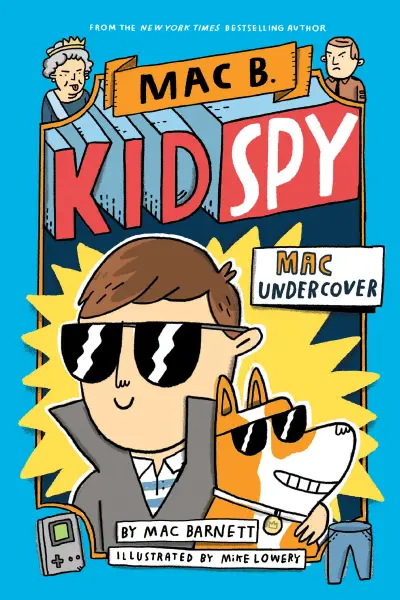
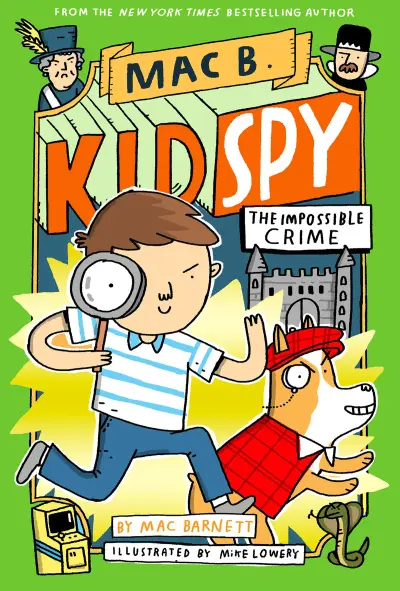
6 books · open the series →
About the creators
About the creators.
If you liked this
Three ways out of this book.
If you liked this, try…
Lateral matches. Same shelf, different texture.
Come into this from…
Easier or preparing reads — perfect lead-ins.
Where to go next…
Escalation reads — a step up in scale, silliness, or stakes.
More like this…
Books that share themes and topics with this one.