- Graphic Novels
- Ages 5–9
- Adventure
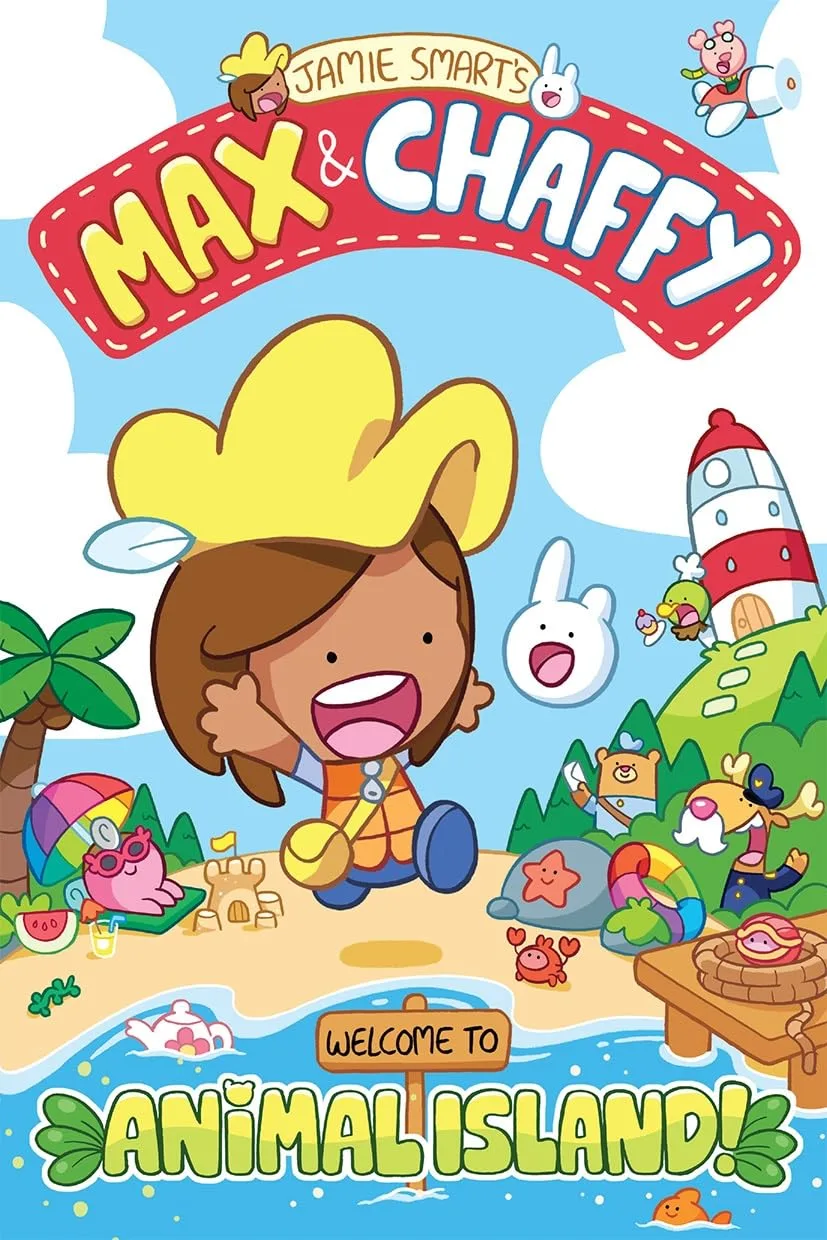
Max and Chaffy: Welcome to Animal Island!
Affiliate links — buy through these retailers and we earn a small commission, at no extra cost to you.
Book 1 in Max and ChaffyView the full series
Max discovers a hidden island full of talking animals and meets Chaffy, an immediately loveable creature who becomes his best friend. Jamie Smart's signature zany energy and expressive visuals make this the best new graphic novel series for reluctant readers.
- Best for5–9
- FormatGraphic
- Length160 pp
- Read aloud~1 hr15 min
Affiliate links — buy through these retailers and we earn a small commission, at no extra cost to you.
The vibe
What it’s like.
Style
- Conversational
- Comedic
Tone
- Warm
- Funny
- Silly
- Whimsical
- Heartwarming
- Cosy
Themes
Experience meters
What’s it about?
The story.
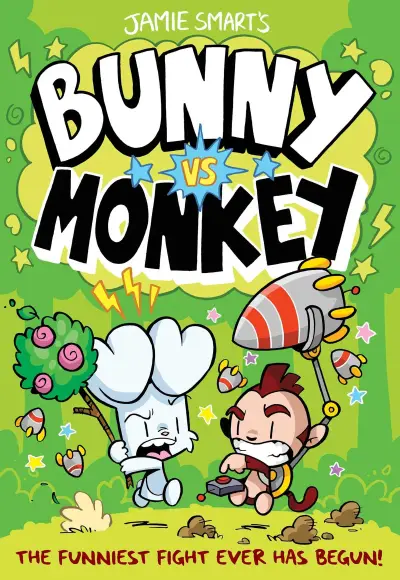
When Max arrives on Animal Island, he discovers a community of extraordinary talking animals, and one creature in particular: Chaffy, a small, fluffy, endlessly enthusiastic thing who immediately appoints himself Max's best friend whether Max likes it or not. Jamie Smart, who built a devoted following with Bunny vs Monkey in The Phoenix Comic, brings the same high-energy visual comedy to this series: every page is packed with jokes, the characters are instantly distinctive, and the pacing is relentless. This first book establishes the world and the central friendship, setting up the island as a place where ridiculous things happen regularly and everyone takes them in stride. An outstanding choice for reluctant readers, particularly boys aged 6-9 who find prose intimidating: the comics format removes the wall of text, the humour is exactly what that age group finds funny, and the panel-to-panel storytelling is easy to follow without being patronising.
Fit check
Right for your child?
Where it lands by age
- 1
- 3
- 5
- 7
- 9
- 11
- 13
- Best fit · 5–9
- Read aloud · 4–8
- Independent · 6–9
Prose load
Minimal
Visual support
Very high
Reluctant-reader friendly
Very
Read-aloud quality
Workable
Works well for
- Gift-buying
- Reluctant readers
Nothing in the book is likely to concern most parents. Safe to recommend without preview.
Bedtime suitability
3 / 5 · Workable
Sensitive-child
4 / 5 · Good fit
Graphic intensity
1 / 5 · None
Best for
- Reluctant readers
- Graphic novel lovers
- Animal stories
- Gift book
Avoid if
No common reasons to avoid this one — a rare clean sweep on the sensitivity flags.
Particularly good for children who are…
- Reluctant reader
- Making friends
- Struggling with reading
- Moving house
- Starting school
In the classroom
How it works in school.
A charming early adventure-comic series with seek-and-find fun — a great confidence-builder for new and reluctant readers.
A book children love that happens to support school — never a stand-in for the texts a class is taught with. Reviewed for the classroom · June 2026.
Why it lands
Why they love it.
Why kids love it
The specific delight is the chaffies themselves — tiny puffballs with eyes hidden on every page, Max arriving on the island, Chaffy appointing himself best friend whether Max likes it or not. The Bunny vs Monkey energy applied to the find-the-creature hunt format.
- Animal companions
- Friendship and belonging
- Adventure and freedom
- Secret world
Why parents love it
The Jamie Smart Max and Chaffy debut — half-comic, half-Where's-Wally hybrid, the hidden-chaffies pages turning the book into a re-read for the puzzle as much as the plot. Outstanding for reluctant readers 6–9, especially boys finding prose intimidating.
- Shared humour
- Quick to read
In the series
Max and Chaffy.
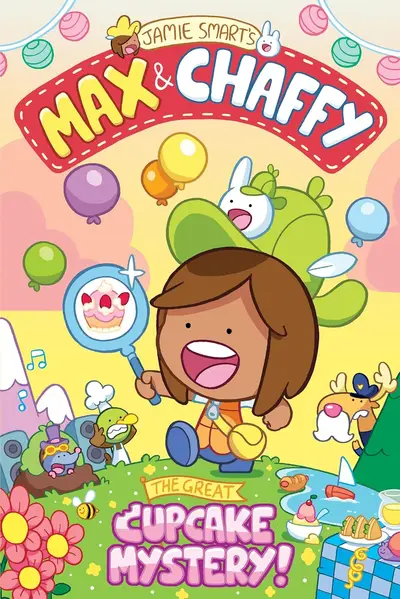
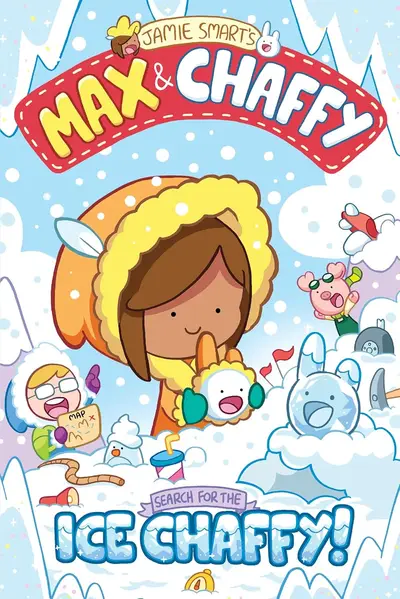
4 books · open the series →
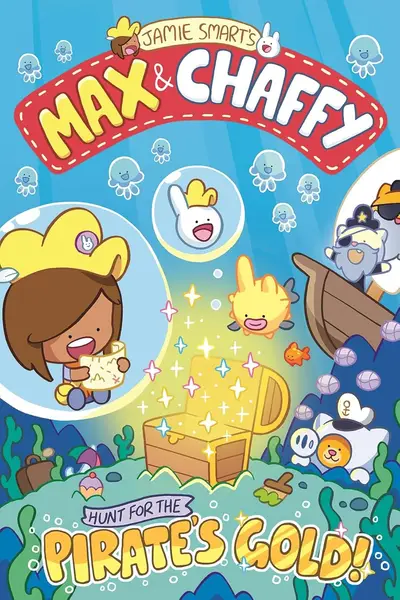
About the author & illustrator
Jamie Smart.
If you liked this
Three ways out of this book.
If you liked this, try…
Lateral matches. Same shelf, different texture.
Come into this from…
Easier or preparing reads — perfect lead-ins.
Where to go next…
Escalation reads — a step up in scale, silliness, or stakes.
More like this…
Books that share themes and topics with this one.
Where you’ll find it