- Illustrated Chapter Books
- Ages 5–8
- Comedy
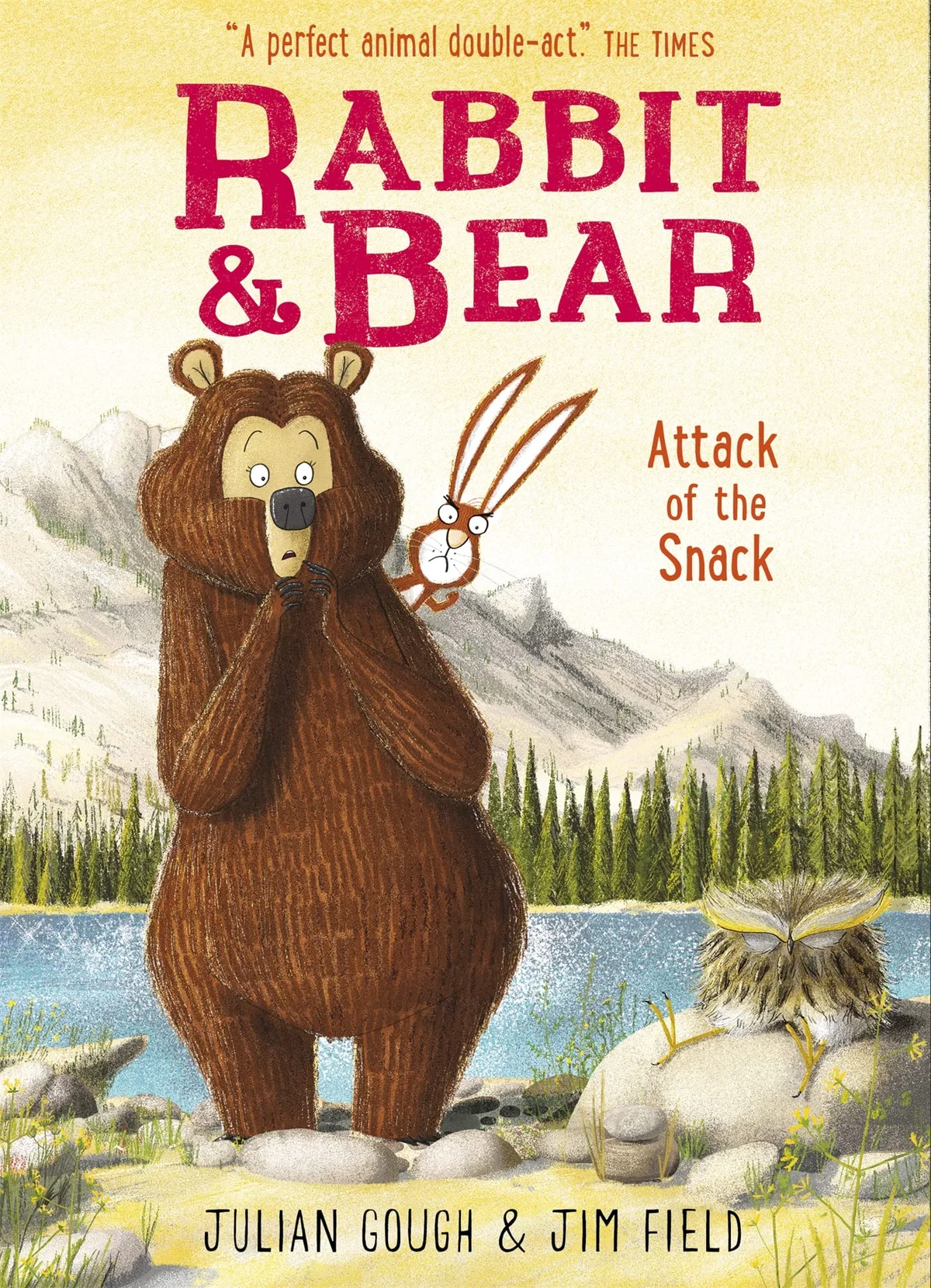
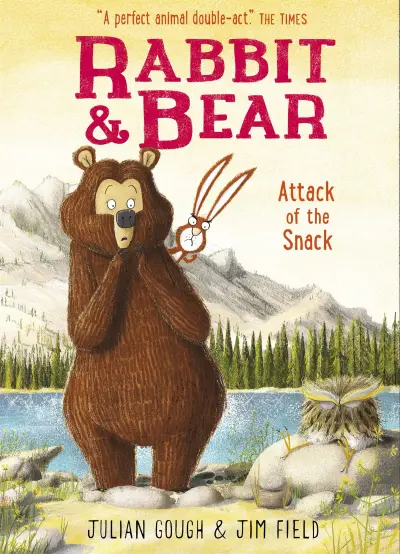
Rabbit and Bear: Attack of the Snack
Affiliate links — buy through these retailers and we earn a small commission, at no extra cost to you.
Book 3 in Rabbit and BearView the full series
An owl arrives in the woodland and everyone assumes it's a threat. It isn't. The most empathy-forward entry in the series and the best conversation-starter: Gough makes the prejudice plot funny and then makes it land.
- Best for5–8
- FormatIllustrated
- Length112 pp
- Read aloud~1 hr35 min
Affiliate links — buy through these retailers and we earn a small commission, at no extra cost to you.
The vibe
What it’s like.
Style
- Comedic
- Conversational
- Repetitive
- Onomatopoeic
Tone
- Funny
- Warm
- Silly
- Exciting
- Heartwarming
- Irreverent
- Cosy
Themes
Experience meters
What’s it about?
The story.
Attack of the Snack introduces a third animal, an owl, who the woodland community has decided, without evidence, is dangerous. The prejudice deep theme at 0.75 is the most prominent it appears in the series and does serious work in a comedy register: Gough makes the community's fearful logic funny first and then shows how wrong it is, which is a more effective move than earnestness. The builds_empathy primary appeal reflects a book genuinely organised around perspective-taking rather than adventure. The trio in character_setup reflects the book's genuine structural interest in the owl as a third character, not just a plot device. The scariness_level nudges to 2 because the owl generates real tension early on (even if the resolution deflates it entirely), and the bedtime_suitability drops to 3 accordingly. The difference_and_diversity and fairness_and_justice themes make this the most discussion_starter-worthy entry in the series: it provides good language for conversations about snap judgements. The conversation_starter adult_appeal reflects this deliberately.
Fit check
Right for your child?
Where it lands by age
- 1
- 3
- 5
- 7
- 9
- 11
- 13
- Best fit · 5–8
- Read aloud · 4–7
- Independent · 6–8
Prose load
Moderate
Visual support
High
Reluctant-reader friendly
Very
Read-aloud quality
Excellent
Works well for
- Reading aloud
- Reading together
- Reluctant readers
Nothing in the book is likely to concern most parents. Safe to recommend without preview.
Bedtime suitability
3 / 5 · Workable
Sensitive-child
4 / 5 · Good fit
Graphic intensity
1 / 5 · None
Best for
- Laugh out loud
- Feel good
- Discussion starter
- Gift book
Avoid if
No common reasons to avoid this one — a rare clean sweep on the sensitivity flags.
Particularly good for children who are…
- Reluctant reader
- Making friends
- Struggling with reading
- Anxiety and worry
- Being bullied
In the classroom
How it works in school.
A funny, warm early chapter series about friendship and fairness in nature — a lovely class read-aloud and step into chapter books.
A book children love that happens to support school — never a stand-in for the texts a class is taught with. Reviewed for the classroom · June 2026.
Why it lands
Why they love it.
Why kids love it
The specific weight is the new owl — the woodland community deciding the owl is dangerous before meeting them, Rabbit and Bear having to undo the snap judgement. The Rabbit and Bear that takes prejudice and makes it both funny and useful.
- Animal companions
- Friendship and belonging
- Making a difference
- Surviving danger
Why parents love it
The Rabbit and Bear on snap judgements — owl as the newcomer, the community's fearful logic gently dismantled. Useful conversation-starter about prejudice for the youngest end of the chapter-book shelf. Funny first, thoughtful second.
- Shared humour
- Bedtime appropriate
- Quick to read
- Conversation starter
In the series
Rabbit and Bear.
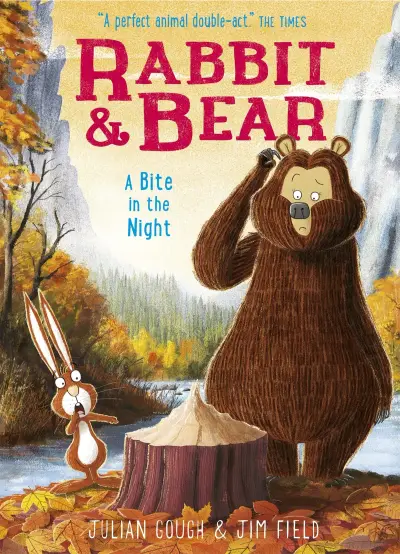
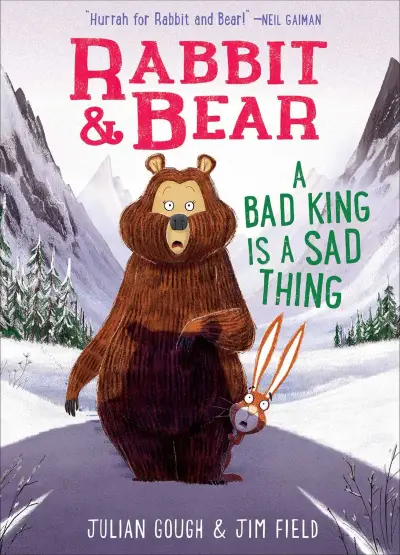
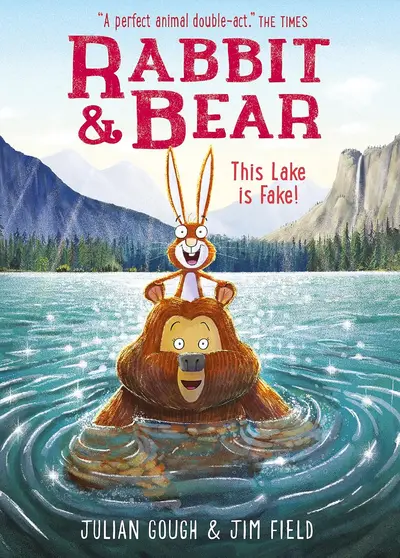
6 books · open the series →
About the creators
About the creators.
If you liked this
Three ways out of this book.
If you liked this, try…
Lateral matches. Same shelf, different texture.
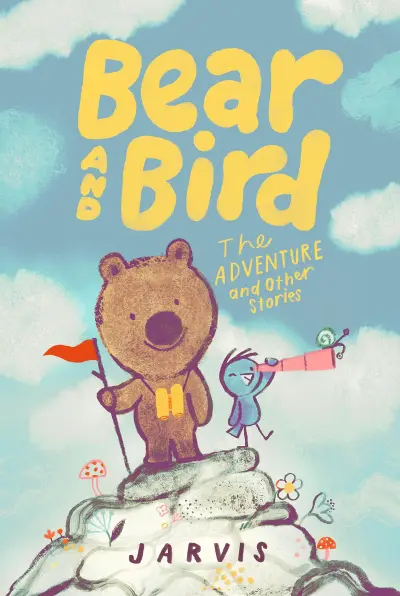
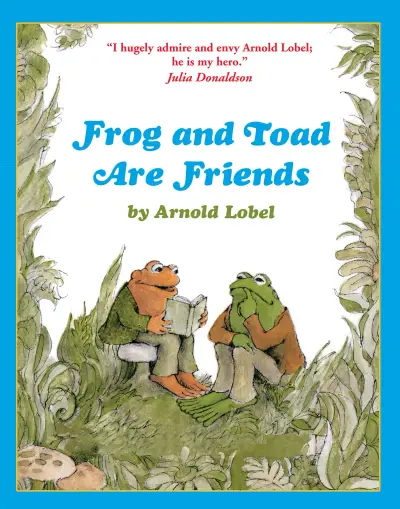
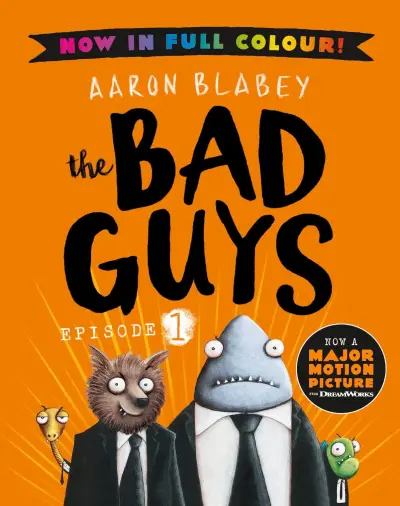
Come into this from…
Easier or preparing reads — perfect lead-ins.
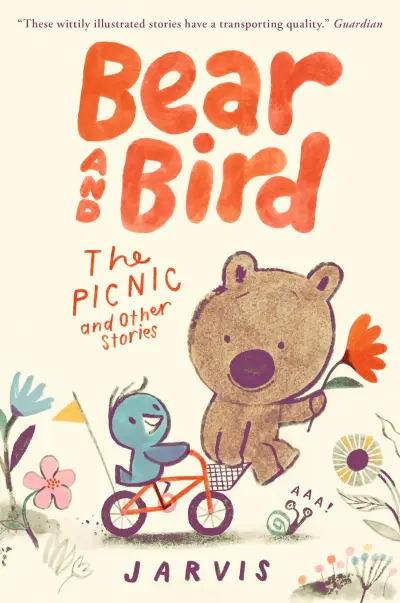
Where to go next…
Escalation reads — a step up in scale, silliness, or stakes.