- Graphic Novels
- Ages 7–10
- Science Fiction
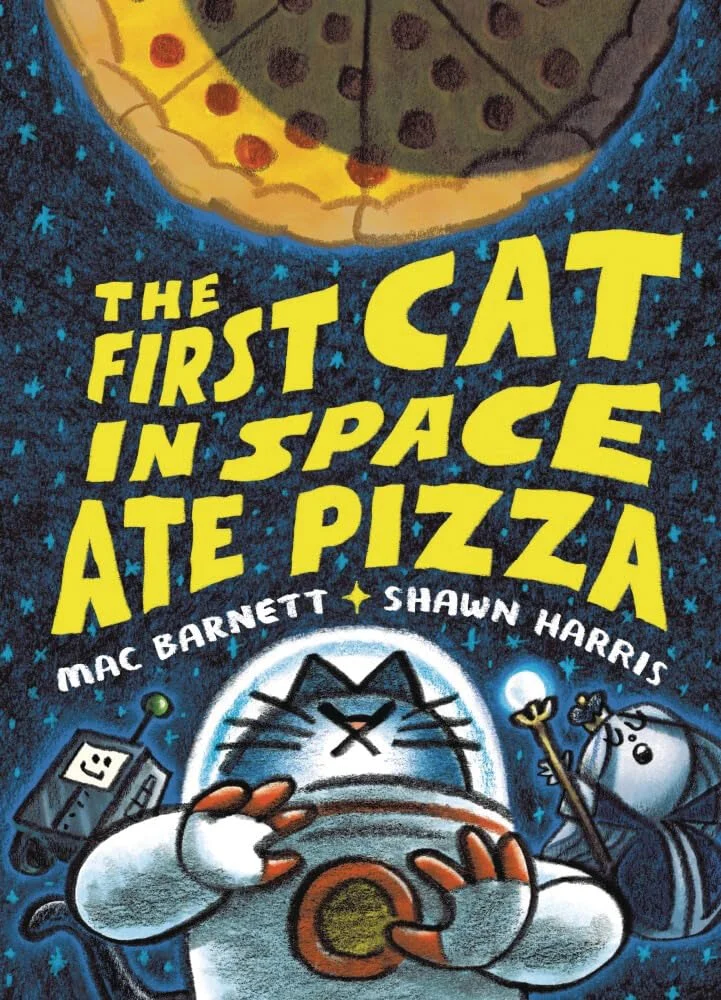
The First Cat in Space Ate Pizza
Affiliate links — buy through these retailers and we earn a small commission, at no extra cost to you.
Book 1 in The First Cat in SpaceView the full series
Part of the Mac Barnett universeOpen the collection
A gloriously daft sci-fi graphic novel about a bioengineered cat sent to save the moon from hungry space rats. It is fast, funny and very accessible for readers who like Dog Man, InvestiGators and big absurd visual jokes.
- Best for7–10
- FormatGraphic
- Length320 pp
- Read aloud~2 hr30 min
Affiliate links — buy through these retailers and we earn a small commission, at no extra cost to you.
The vibe
What it’s like.
Style
- Conversational
- Comedic
- Onomatopoeic
Tone
- Funny
- Silly
- Exciting
- Adventurous
- Absurdist
Themes
Experience meters
What’s it about?
The story.
Something terrible is happening in the sky: rats are eating the moon. Earth needs a hero, and that hero is a brave, silent, bioengineered cat who has been launched into space with one crucial advantage, a taste for pizza. Joined by the Moon Queen and LOZ 4000, a toenail-clipping robot with more emotional range than expected, First Cat races into a wildly silly space adventure full of villains, prophecies, jokes and comic-book chaos. Mac Barnett brings the deadpan absurdity and Shawn Harris gives the panels a loose, lively, handmade energy that feels both funny and cinematic. The result is a highly visual, joke-rich adventure that still has proper page-turning stakes. It is particularly strong for children moving from shorter comics into chunkier graphic novels, or for readers who want adventure without heavy peril.
Fit check
Right for your child?
Where it lands by age
- 1
- 3
- 5
- 7
- 9
- 11
- 13
- Best fit · 7–10
- Read aloud · 6–10
- Independent · 7–11
Prose load
Light
Visual support
Very high
Reluctant-reader friendly
Very
Read-aloud quality
Strong
Works well for
- Reading aloud
- Gift-buying
- Reluctant readers
Nothing in the book is likely to concern most parents. Safe to recommend without preview.
Bedtime suitability
2 / 5 · Better outside bedtime
Sensitive-child
4 / 5 · Good fit
Graphic intensity
1 / 5 · None
Best for
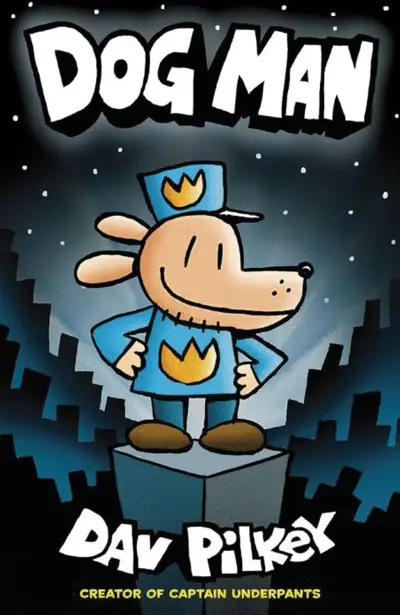
- Dog man fans
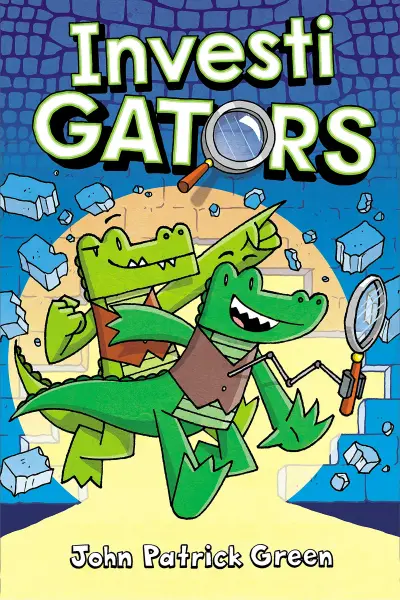
- Investigators fans
- Space adventure
- Silly humour
- Visual readers
Avoid if
- Prefers realistic stories
- Prefers calm books
- Needs low visual density
Particularly good for children who are…
- Reluctant reader
- Struggling with reading
In the classroom
How it works in school.
A gloriously silly sci-fi comic series — a reluctant-reader pleaser and classroom-library staple.
A book children love that happens to support school — never a stand-in for the texts a class is taught with. Reviewed for the classroom · June 2026.
Why it lands
Why they love it.
Why kids love it
The specific kick is the premise — rats are eating the moon, Earth needs a hero, the only candidate is a bioengineered cat with a taste for pizza, the sidekick is a disgraced toenail-clipping robot. The First Cat opener for a child mid-Dog-Man-and-InvestiGators phase ready for something even weirder.
- Adventure and freedom
- Being special or chosen
- Making a difference
- Animal companions
Why parents love it
The Barnett/Harris First Cat opener — half graphic novel, half illustrated chapter book, Harris's loose handmade panels keeping the visual gag rate extreme. Strong bridge from Dog Man into chunkier graphic novels. Reliable gift for a kid who already gets Mac Barnett.
- Shared humour
- Quick to read
- Conversation starter
In the series
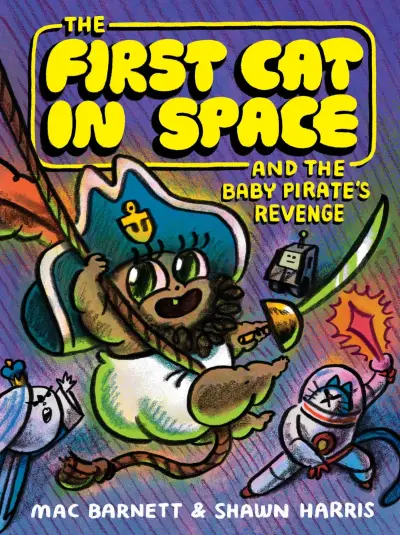
The First Cat in Space.
4 books · open the series →
About the creators
About the creators.
If you liked this
Three ways out of this book.
If you liked this, try…
Lateral matches. Same shelf, different texture.
Come into this from…
Easier or preparing reads — perfect lead-ins.
Where to go next…
Escalation reads — a step up in scale, silliness, or stakes.
Where you’ll find it