- Picture Books
- Ages 4–8
- Comedy
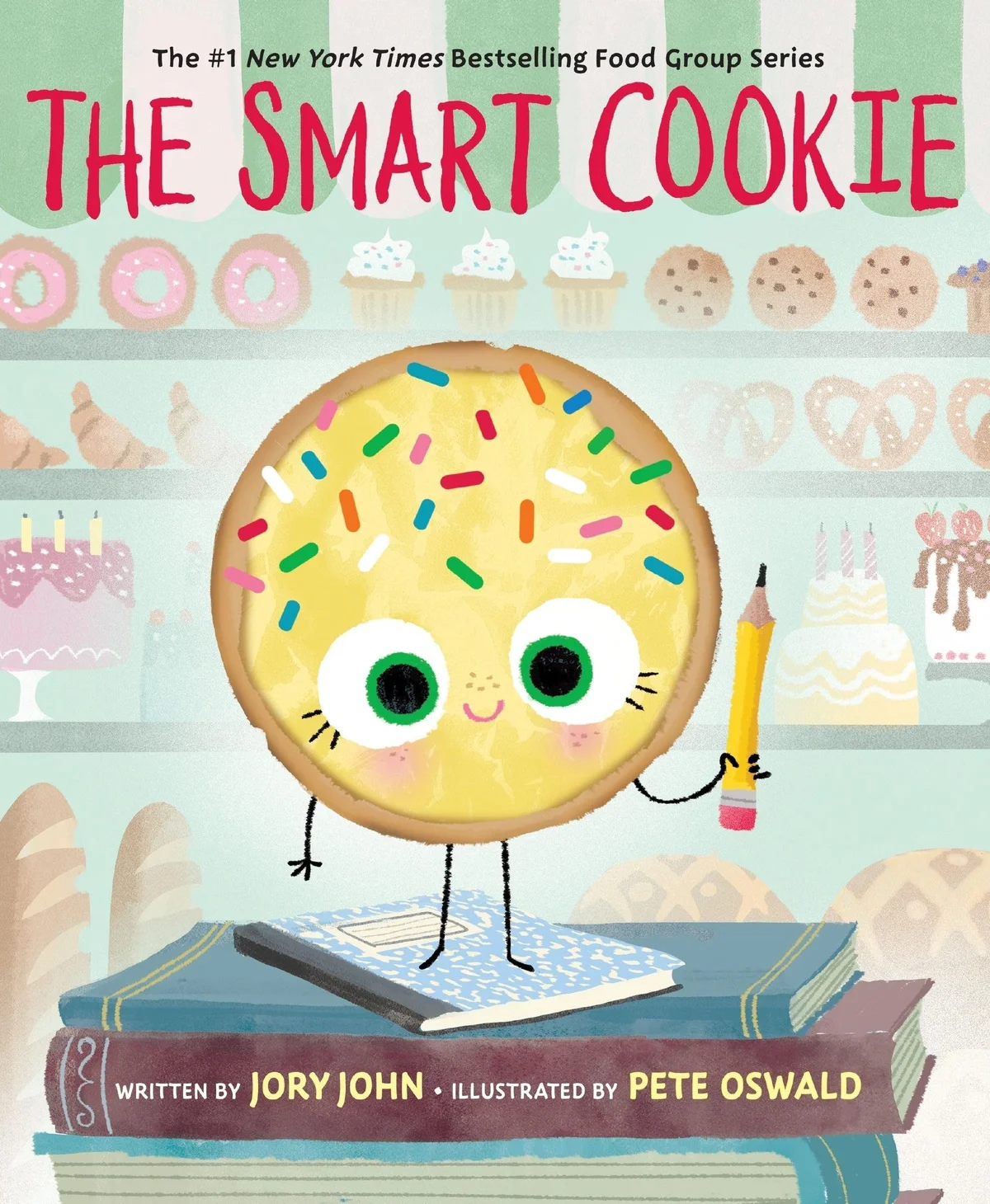
The Smart Cookie
Affiliate links — buy through these retailers and we earn a small commission, at no extra cost to you.
Book 5 in The Food GroupView the full series
A funny and reassuring school story about not feeling clever and discovering your own kind of intelligence.
- Best for4–8
- FormatPicture
- Length40 pp
- Read aloud~8 min
Affiliate links — buy through these retailers and we earn a small commission, at no extra cost to you.
The vibe
What it’s like.
Style
- Conversational
- Comedic
Tone
- Funny
- Warm
- Heartwarming
- Silly
Themes
Experience meters
What’s it about?
The story.
The Smart Cookie is surrounded by brilliant cookies who seem to know all the answers, perform perfectly and make everything look easy. By comparison, this cookie feels crumbly, confused and not very smart at all. A school assignment eventually gives the cookie a chance to discover a different kind of ability: creativity, voice and self-expression. The story is a useful antidote to narrow ideas of cleverness. It reassures children that being smart is not only about getting the quickest answer or shining in the most obvious way. Jory John keeps the tone light and punny, while Pete Oswald's bakery-school world makes academic insecurity visually friendly. This is a particularly good recommendation for children with low confidence around schoolwork, writing, reading or comparison with classmates.
Fit check
Right for your child?
Where it lands by age
- 1
- 3
- 5
- 7
- 9
- 11
- 13
- Best fit · 4–8
- Read aloud · 3–8
- Independent · 6–8
Prose load
Light
Visual support
Very high
Reluctant-reader friendly
Very
Read-aloud quality
Excellent
Works well for
- Reading aloud
- Bedtime
- Reading together
- Reluctant readers
Nothing in the book is likely to concern most parents. Safe to recommend without preview.
Bedtime suitability
5 / 5 · Bedtime-friendly
Sensitive-child
4 / 5 · Good fit
Graphic intensity
1 / 5 · None
Best for
- School confidence
- Different kinds of smart
- Creativity
- Funny pshe
- Food characters
Avoid if
- Wants action plot
- Prefers no school theme
Particularly good for children who are…
- Low self esteem
- Reluctant reader
- Struggling with reading
- Neurodiversity or learning differences
- Starting school
In the classroom
How it works in school.
Jory John's hugely popular food-character picture books — funny read-alouds that are PSHE gold for talking about behaviour, feelings and being yourself.
A book children love that happens to support school — never a stand-in for the texts a class is taught with. Reviewed for the classroom · June 2026.
Why it lands
Why they love it.
Why kids love it
The specific weight is being crumbly compared to the clever ones — surrounded by cookies who seem to know all the answers, feeling not very smart at all, then a writing assignment giving the cookie a different kind of brain to show off. The Food Group on schoolwork confidence.
- Transformation
- Making a difference
- Friendship and belonging
Why parents love it
The Food Group on different kinds of intelligence — Jory John's punny tone, Pete Oswald's bakery-school world making academic insecurity legible. Strong for the child who feels slow or compares themselves to classmates. Doesn't talk down.
- Conversation starter
- Shared humour
- Educational for adult too
- Quick to read
In the series
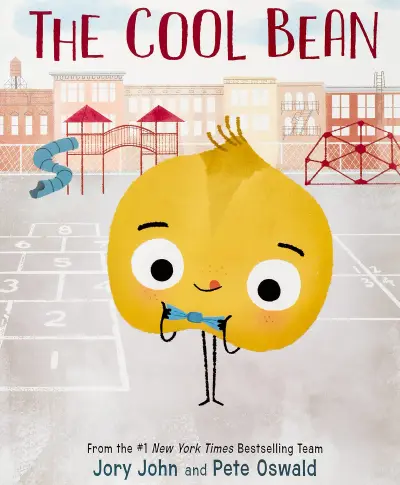
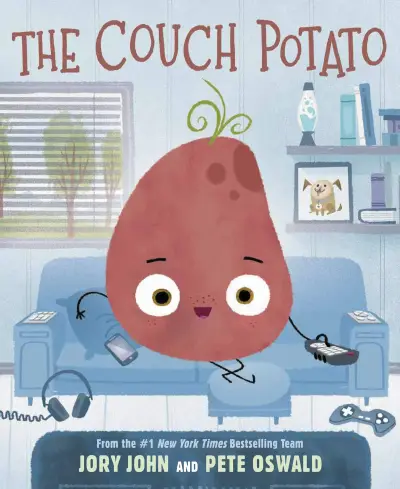
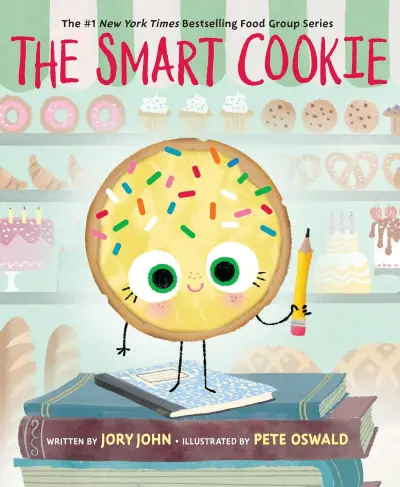
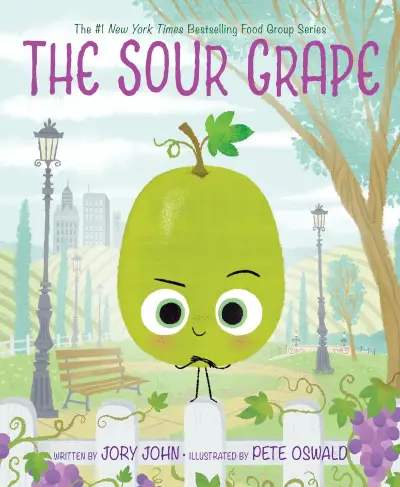
The Food Group.
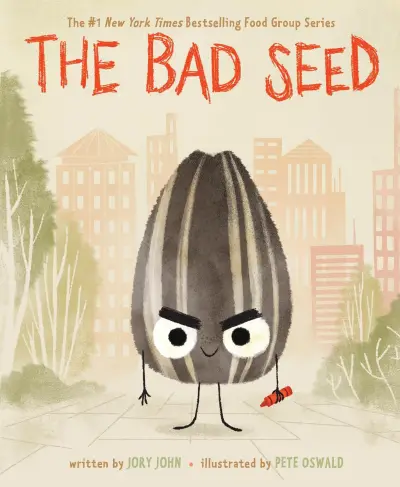
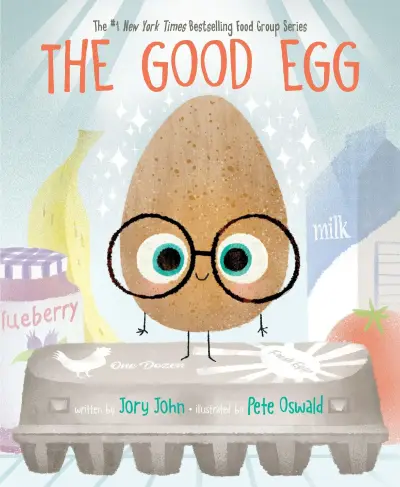
8 books · open the series →
About the creators
About the creators.
If you liked this
Three ways out of this book.
If you liked this, try…
Lateral matches. Same shelf, different texture.
Come into this from…
Easier or preparing reads — perfect lead-ins.
Where to go next…
Escalation reads — a step up in scale, silliness, or stakes.