One More BookFind a book

Big feelings

Books for children who get angry

Picture books that take a child’s temper seriously: naming the storm, riding it out, and finding it passes.

14 booksAges 2–8Last reviewed June 2026

Big anger in a small body is frightening, for them and, often, for you. The slammed door, the thrown shoe, the howl that seems to come from nowhere. These picture books, for roughly three to eight, take a child's temper seriously rather than scolding it.

Some name the feeling and give it a shape, a roar, a stomp, a hot red colour, so it can be talked about once the storm has passed. Others are simply funny about it, which is its own kind of relief. None pretend the answer is to stop feeling angry; the better message, and the one most of these land, is that the feeling is allowed, it passes, and there are things you can do while you wait for it to.

Read them in the calm, not the heat; they work best as a shared language for next time.

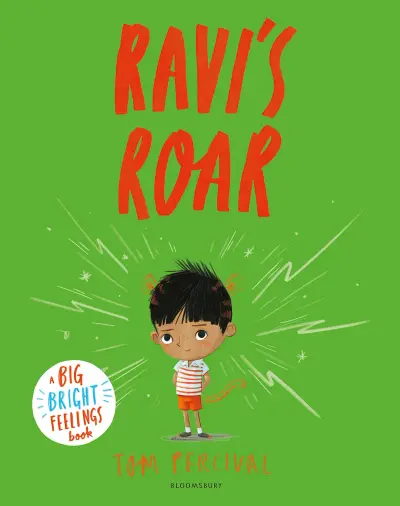
  1. Big Bright Feelings: Ravi's Roar

    Ravi’s temper escapes as an actual tiger. The clearest of all the “my anger ran away with me” books. Start here.

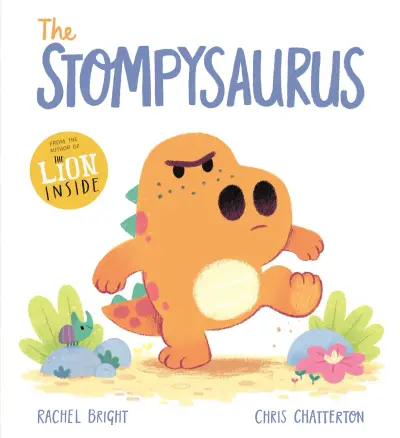
  2. Dino Feelings: The Stompysaurus

    When Stompysaurus is cross, the whole world knows it, he stomps, he roars, he makes the ground shake. A brilliantly cathartic book for children in the thick of their biggest feelings, where the text practically begs to be bellowed.

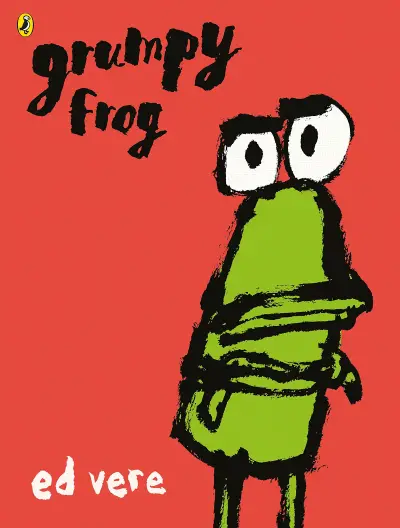
  3. Grumpy Frog

    A bright, funny big-feelings book about a frog who only likes green things and is not very tactful about anything else. Useful for grumpiness, rigid preferences, accepting difference and playful emotional literacy.

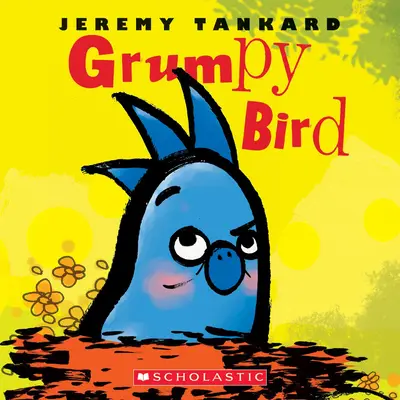
  4. Grumpy Bird

    A funny, emotionally useful picture book about waking up in a terrible mood and slowly walking your way out of it with friends. It is excellent for preschool conversations about grumpiness without feeling therapeutic.

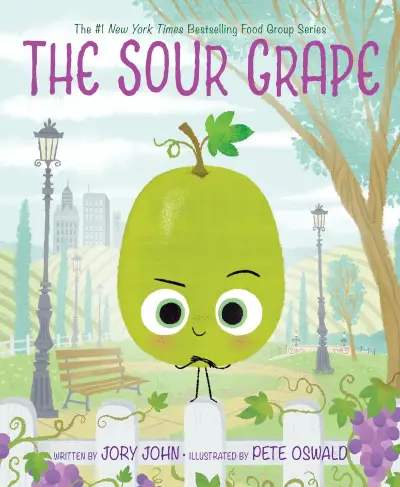
  5. The Sour Grape

    A funny, clear picture book about grudges, resentment and learning to let go.

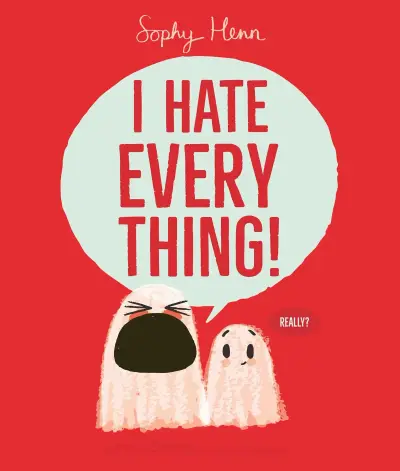
  6. I Hate Everything

    A funny, validating picture book for those days when a child declares they hate absolutely everything. Useful for big feelings, grumpiness, emotional reframing and adults wanting a light touch rather than a lecture.

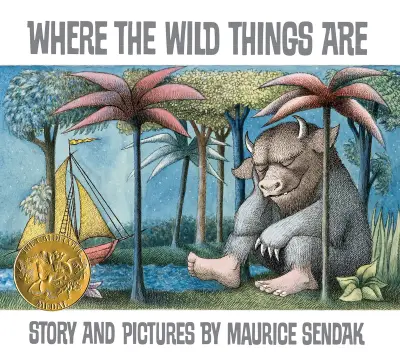
  7. Where the Wild Things Are

    The original, and still unbeaten: a rage that burns itself out in a far-off place, then comes home to find supper still warm.

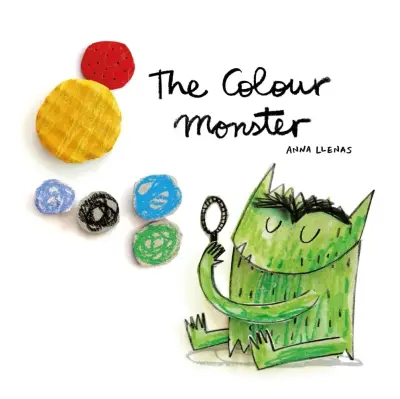
  8. The Colour Monster

    A hugely useful emotions picture book that helps young children separate and name feelings through colour. Best for preschool and early primary emotional literacy, big-feelings conversations and gentle classroom or bedtime support.

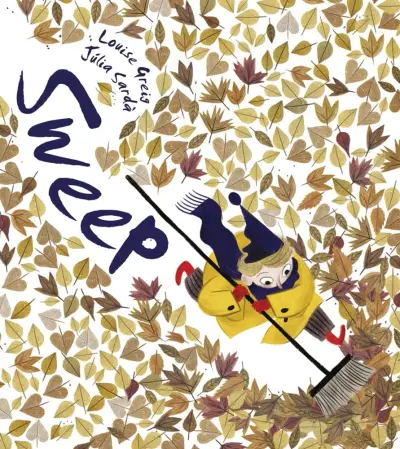
  9. Sweep

    Anger as a thing that grows the more you sweep it along, a quietly brilliant metaphor for a mood getting out of hand.

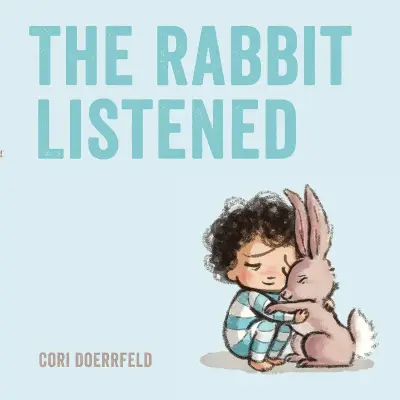
  10. The Rabbit Listened

    One of the best modern comfort picture books: when Taylor's block tower falls, everyone offers advice, but the rabbit simply listens. Essential for empathy, emotional regulation and children who need permission to feel first.

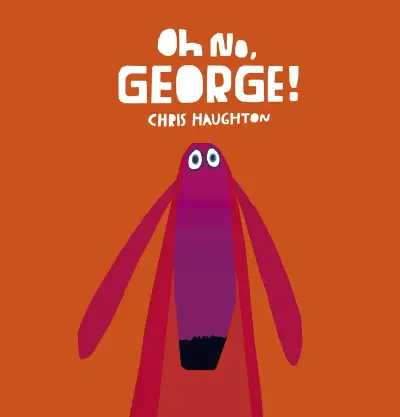
  11. Oh No, George!

    George promises to be good. George will not eat the cake. George will not dig up the garden. George absolutely will not chase the cat. Oh no, George. Chris Haughton's funniest and most beloved book: a perfect picture of impulse control that children recognise and adore.

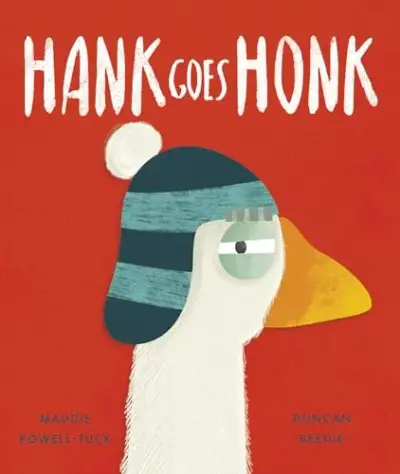
  12. Hank Goes Honk

    Hank the goose cannot stop honking. He honks at everyone, through everything, all day long, and the results are glorious. A riotous read-aloud built for maximum noise and maximum laughs, with a loveable disaster of a protagonist.

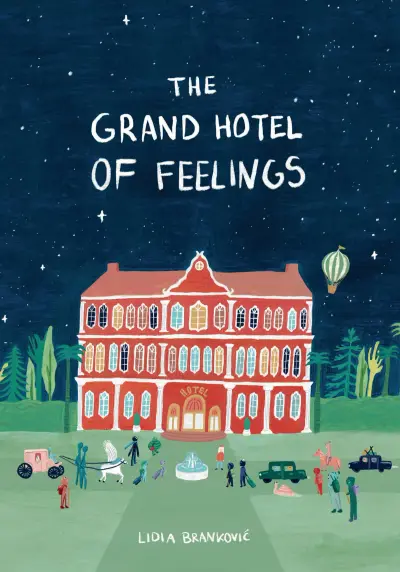
  13. The Grand Hotel of Feelings

    A beautifully metaphorical emotional-literacy picture book that imagines feelings as hotel guests who all need somewhere to stay. It is especially useful for children learning that difficult feelings do not have to be pushed away.

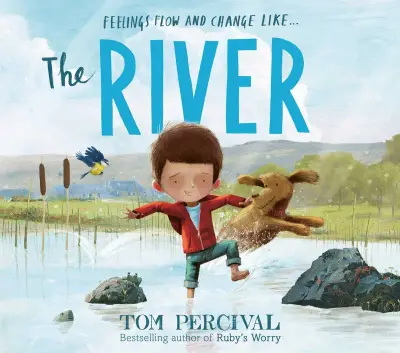
  14. The River

    A lyrical emotional-literacy picture book using a river as a metaphor for changing feelings. Particularly useful for children dealing with sadness, anger, grief or big moods that come and go.

How we choose these books

Every list here is shaped by hand. We begin from our catalogue’s structured data, age fit, tone, theme and reading load, then read back through the candidates and keep only the titles that genuinely belong, in an order that helps a child grow into the subject. Nothing is generated and left to stand; a person decides what stays.

Questions parents ask

What age are these books for?
The titles on this list suit roughly ages 2–8, though every child reads at their own pace; the age on each book is a guide, not a rule.
How were these books chosen?
We start from our catalogue's structured data, age fit, tone, theme and reading load, then read back through the candidates by hand and keep only the ones that genuinely belong, ordered to help a child grow into the subject.

More ways to wander the room