One More BookFind a book

Big feelings

Books for separation anxiety

Picture books for the hardest part of the day: the goodbye at the door, and the love that bridges it.

12 booksAges 2–8Last reviewed June 2026

For some children the hardest part of the day is the goodbye: at the nursery door, the childminder's gate, the bottom of the stairs at bedtime. Separation anxiety is a sign of a strong attachment, not a problem to be fixed, but it's painful on both sides, and the right book can give a child something to hold onto.

These picture books, for roughly two to six, work in two ways. Some offer a concrete idea a child can carry, an invisible string, a goodbye ritual, a thing that always comes back, while others simply tell the truth, that the people who love you hold you in mind even when they're not in the room.

Read them at a calm moment, then again at the threshold, where they do their quiet work.

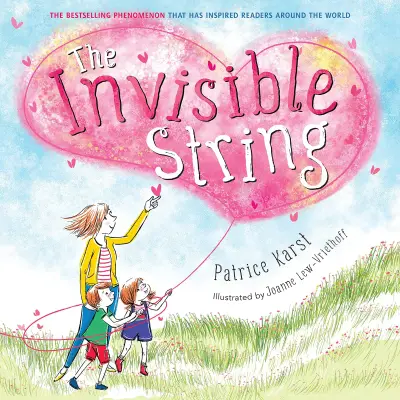
  1. The Invisible String

    The idea that does the most work: an invisible string of love that reaches anywhere, so no one you love is ever really far away. Start here.

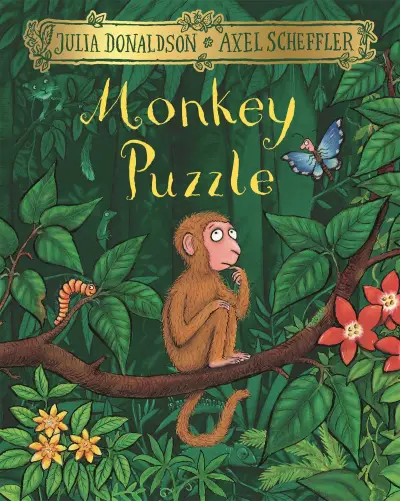
  2. Monkey Puzzle

    A lost monkey hunting for his mum, helped by a well-meaning butterfly who keeps getting it wrong, the worry turned into a gentle comedy of errors.

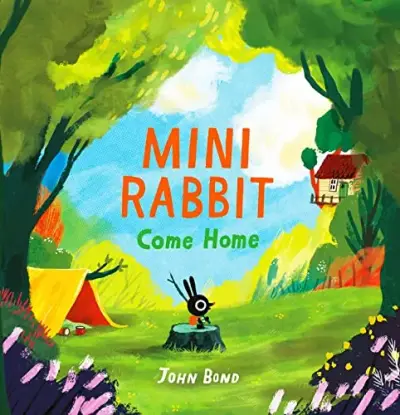
  3. Mini Rabbit Come Home

    Mini Rabbit is camping in the garden. Mini Rabbit is going to be fine. Mini Rabbit is absolutely going to stay out here all night. John Bond's warmest and cosiest book in the series, the one where the joke and the heart are most perfectly balanced.

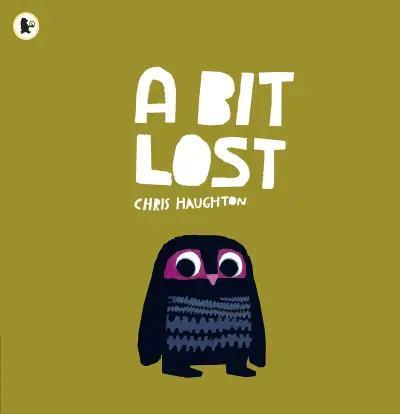
  4. A Bit Lost

    A baby owl falls from his nest and a kind squirrel sets off to find his mum, but keeps finding the wrong one. Chris Haughton's debut is a warm, joyfully repetitive picture book built for toddlers, with a reunion that always satisfies.

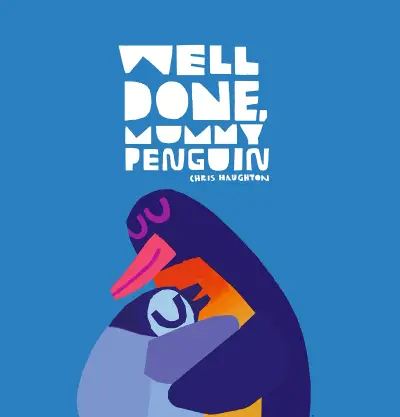
  5. Well Done, Mummy Penguin

    Mummy Penguin must get fish for her chick. The sea is cold, the ice is steep, and the journey is longer than expected, but she goes anyway. A warm, exciting adventure that celebrates effort and love, with Haughton's most beautiful Antarctic palette.

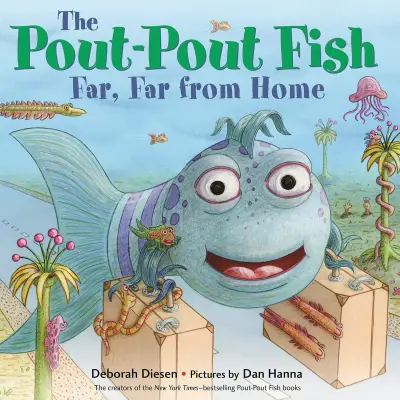
  6. The Pout-Pout Fish, Far, Far from Home

    A gentle travel-anxiety Pout-Pout Fish story about going away, facing detours, and coping when a comfort object is missing. It is especially relevant for preschoolers nervous about trips, sleepovers, or unfamiliar places.

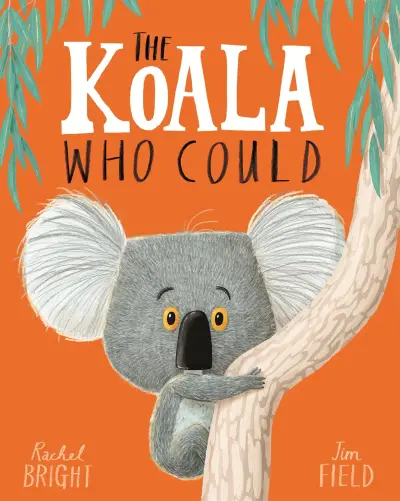
  7. The Koala Who Could

    Kevin the koala loves his tree more than anything and wants nothing to change, until the day it does. The book UK parents and teachers reach for when a child is starting school, moving house, or facing any change they didn't ask for.

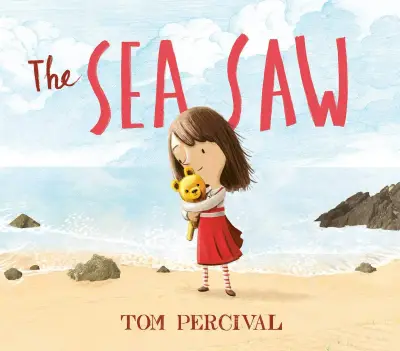
  8. The Sea Saw

    A tender, beautifully illustrated story about a lost teddy, memory and love travelling across time. More emotionally layered than a simple lost-toy story, and a strong choice for gentle conversations about loss.

  9. Teacup

    A lyrical, visually beautiful migration-style fable about a boy crossing the sea carrying a teacup of earth from home. Best for thoughtful shared reading about leaving, longing, hope and finding a new place to belong.

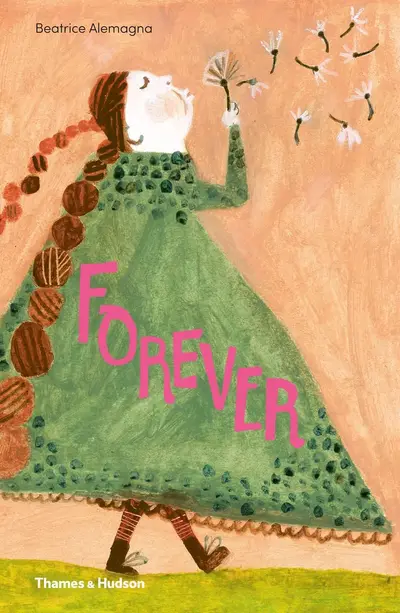
  10. Forever

    A tender, poetic picture book about the fact that many things pass, vanish or change, while love remains. It is beautiful, quiet and unusually useful for gentle conversations about transience without being a grief book exactly.

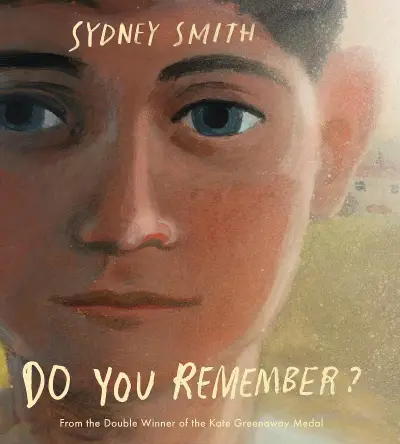
  11. Do You Remember?

    A tender, artful picture book about a parent and child remembering home after a major change. Best for families navigating moving, separation, loss or transition, and for readers who value quiet emotional realism.

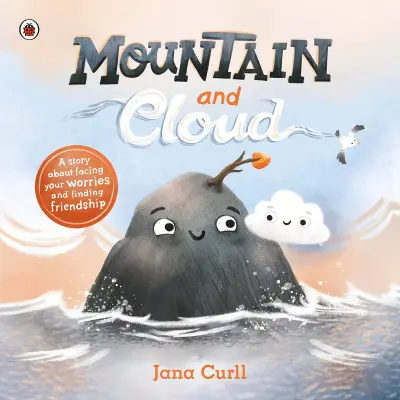
  12. Mountain and Cloud

    A soft, reassuring picture book about friendship, worry and finding courage. Its gentle emotional metaphor makes it especially useful for children who feel anxious about new experiences or being apart from someone they love.

How we choose these books

Every list here is shaped by hand. We begin from our catalogue’s structured data, age fit, tone, theme and reading load, then read back through the candidates and keep only the titles that genuinely belong, in an order that helps a child grow into the subject. Nothing is generated and left to stand; a person decides what stays.

Questions parents ask

What age are these books for?
The titles on this list suit roughly ages 2–8, though every child reads at their own pace; the age on each book is a guide, not a rule.
How were these books chosen?
We start from our catalogue's structured data, age fit, tone, theme and reading load, then read back through the candidates by hand and keep only the ones that genuinely belong, ordered to help a child grow into the subject.

More ways to wander the room