- Picture Books
- Ages 3–7
- Fables
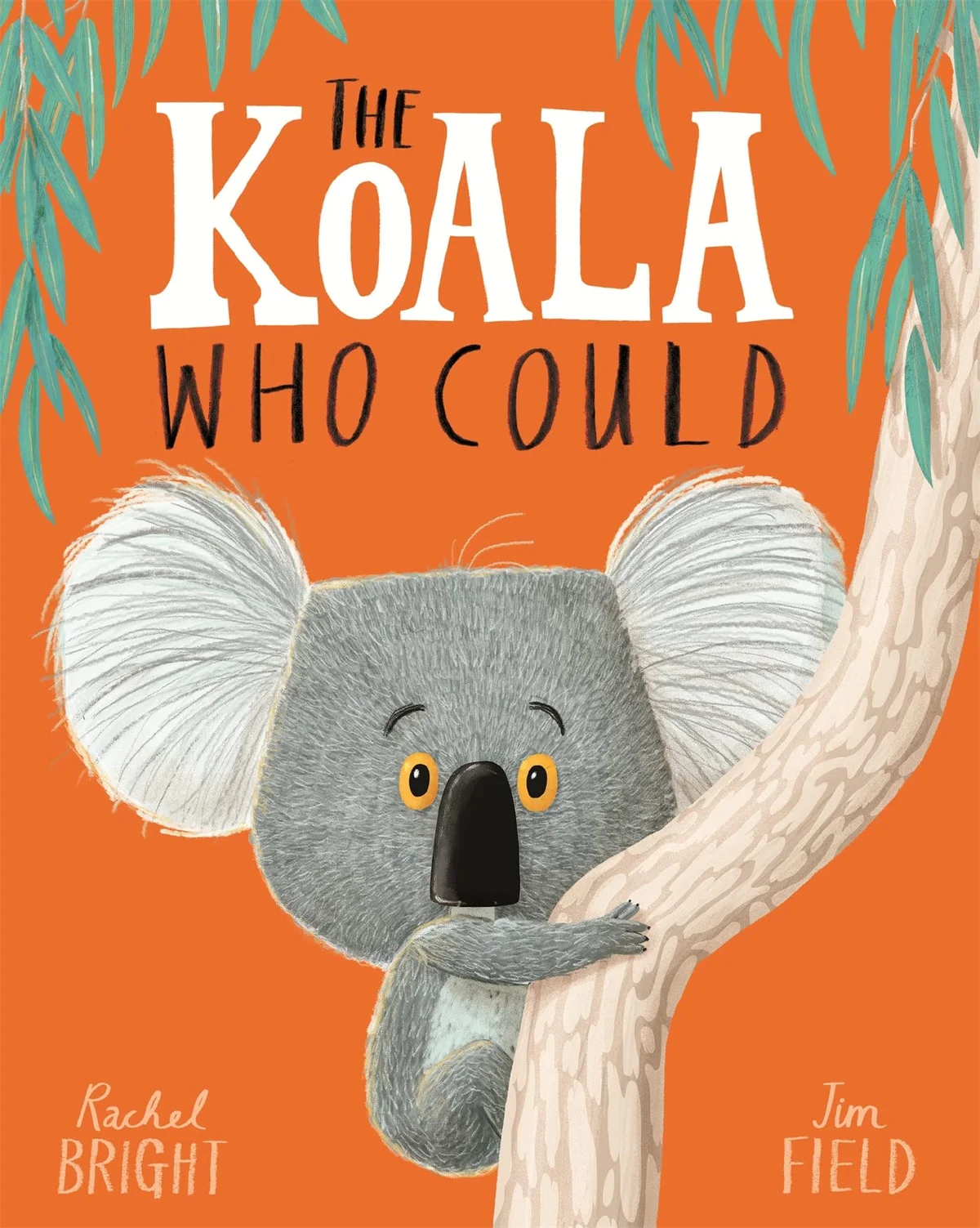
The Koala Who Could
Affiliate links — buy through these retailers and we earn a small commission, at no extra cost to you.
Book 2 in The Animal Who BooksView the full series
Kevin the koala loves his tree more than anything and wants nothing to change, until the day it does. The book UK parents and teachers reach for when a child is starting school, moving house, or facing any change they didn't ask for.
- Best for3–7
- FormatPicture
- Length32 pp
- Read aloud~6 min
Affiliate links — buy through these retailers and we earn a small commission, at no extra cost to you.
The vibe
What it’s like.
Style
- Rhyming
- Lyrical
Tone
- Warm
- Heartwarming
- Whimsical
- Inspirational
- Gentle
Themes
Experience meters
What’s it about?
The story.
Kevin the koala has his tree, and his tree has Kevin, and that is exactly how Kevin likes it. He has his favourite branch, his favourite leaves, and absolutely no desire for anything to be different, ever. Then the day comes when his tree has to come down. Kevin is distraught, until he discovers that the new tree has things his old tree never did. Rachel Bright's rhyming text handles the transition arc with warmth and zero condescension; the message (that change can lead somewhere better) lands without feeling preachy because Kevin's panic is entirely relatable. Jim Field's illustrations capture Kevin's clinging with fond humour. Of all the Rachel Bright and Jim Field books, this is the one most specifically deployed for starting school, moving house, or any change-related anxiety, it works as a conversation-opener for exactly those situations.
Fit check
Right for your child?
Where it lands by age
- 1
- 3
- 5
- 7
- 9
- 11
- 13
- Best fit · 3–7
- Read aloud · 2–7
- Independent · 5–7
Prose load
Light
Visual support
Very high
Reluctant-reader friendly
Very
Read-aloud quality
Excellent
Works well for
- Reading aloud
- Bedtime
- Reading together
- Reluctant readers
Nothing in the book is likely to concern most parents. Safe to recommend without preview.
Bedtime suitability
5 / 5 · Bedtime-friendly
Sensitive-child
5 / 5 · Good fit
Graphic intensity
1 / 5 · None
Best for
- Starting school
- Anxiety support
- Change and transition
- Gift book
- Bedtime
Avoid if
No common reasons to avoid this one — a rare clean sweep on the sensitivity flags.
Particularly good for children who are…
- Starting school
- Anxiety and worry
- Separation anxiety
- Moving house
- Starting nursery or preschool
In the classroom
How it works in school.
Rachel Bright's warm, rhyming animal fables about courage and kindness — superb read-alouds for joining in and talking about feelings.
A book children love that happens to support school — never a stand-in for the texts a class is taught with. Reviewed for the classroom · June 2026.
Why it lands
Why they love it.
Why kids love it
The specific recognition is Kevin's clinging — a small child who really does not want anything to change gets to see their exact feeling in koala form, and then to watch Kevin discover that the new tree is actually OK. The pattern repeats well: read it before any change a child is dreading.
- Transformation
- Friendship and belonging
- Making a difference
Why parents love it
The picture book to reach for when a small change is coming — starting school, moving house, a new sibling, anything a child is bracing against. Kevin's panic is treated with full sympathy, and the new-tree ending lands without lecturing. The most-deployed Rachel Bright book for transitions.
- Conversation starter
- Bedtime appropriate
- Quick to read
- Shared humour
In the series
The Animal Who Books.
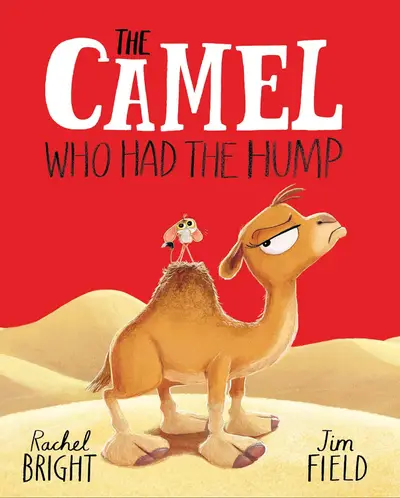
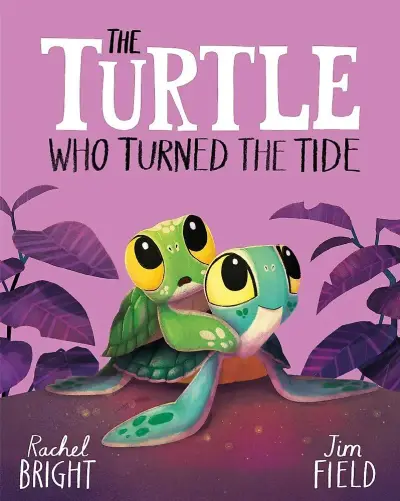
9 books · open the series →
About the creators
About the creators.
If you liked this
Three ways out of this book.
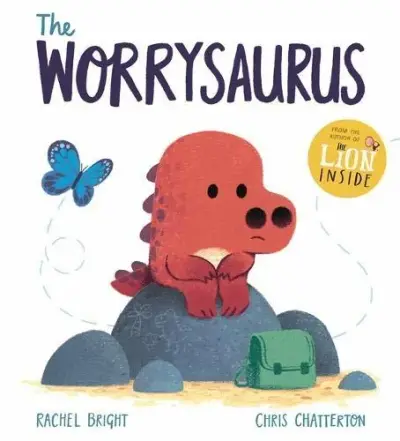
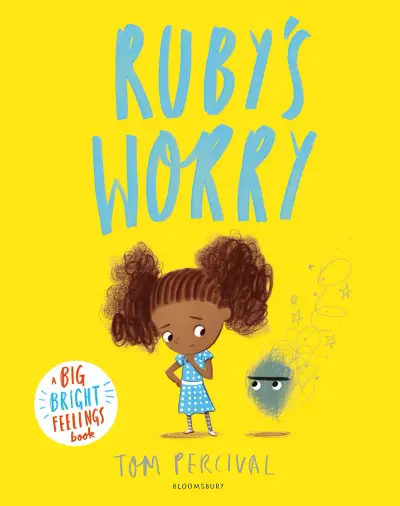
If you liked this, try…
Lateral matches. Same shelf, different texture.
Come into this from…
Easier or preparing reads — perfect lead-ins.
Where to go next…
Escalation reads — a step up in scale, silliness, or stakes.
More like this…
Books that share themes and topics with this one.
Where you’ll find it