The Bear and the Piano
Part of the collectionThe Bear and the Piano→Best for families who want beautiful, emotionally resonant picture books about music, creativity, friendship and family.
- Books3 / 3
- Arcs3
- Span2015–2021
- StatusComplete
The series
At a glance.
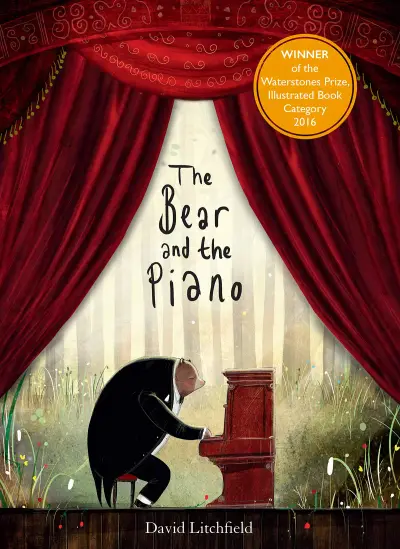
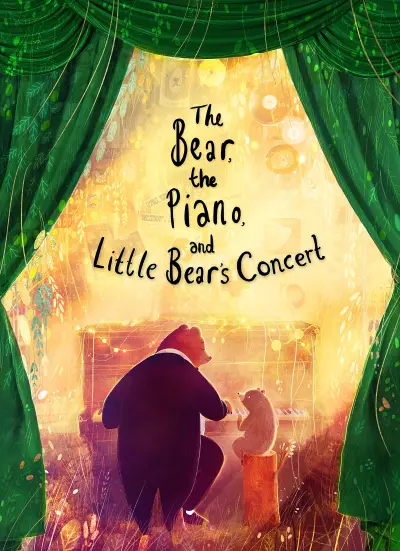
The Bear and the Piano is a three-book picture-book series written and illustrated by David Litchfield. It begins with a bear discovering a piano in the forest, becoming a performer and learning what success costs. The Bear, the Piano, the Dog, and the Fiddle then explores friendship, jealousy and feeling second-best, while The Bear, the Piano and Little Bear's Concert brings the emotional focus home to parent-child pride, inheritance and a new performer finding their confidence. The series is visually gorgeous and unusually rich for discussions about art, ambition, belonging and love.
Best for families who want beautiful, emotionally resonant picture books about music, creativity, friendship and family.
Primary themes
Overall tone
- Warm
- Gentle
- Heartwarming
- Bittersweet
Read in publication order. The emotional effect is strongest when children see the bear's journey before the friendship and Little Bear follow-up stories.
Three arcs
A series that changes as it goes.
- IThematic arcBook 2 · 2018Low sensitivity
Friendship, jealousy and playing together
A dog with a fiddle joins the bear, then struggles with jealousy and feeling overshadowed.
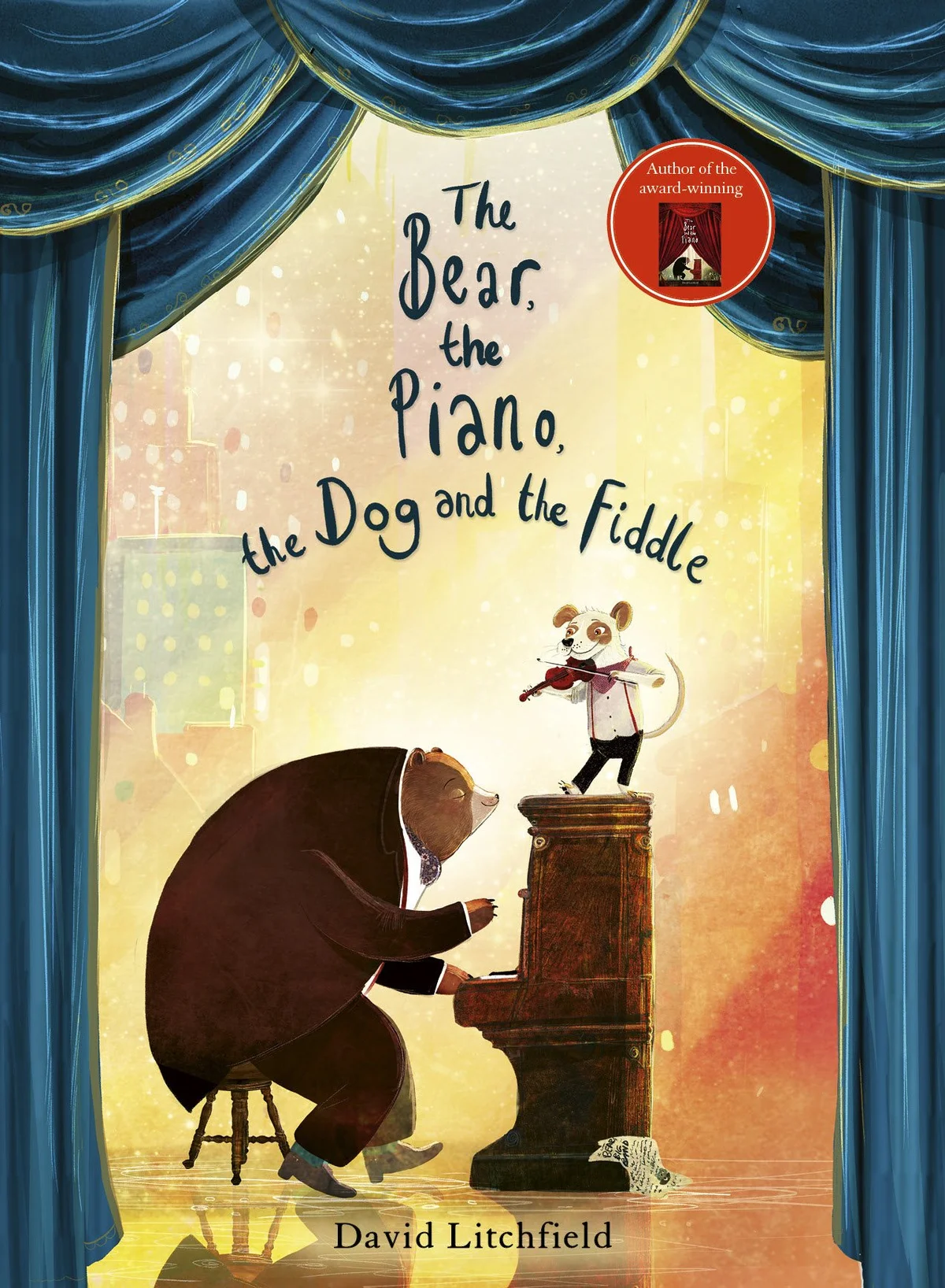
The second book shifts the emotional lens from ambition to friendship. The Bear, the Piano, the Dog, and the Fiddle introduces a dog whose music is beautiful but whose confidence is tested when he performs with the famous bear. The jealousy theme is handled with unusual care for a picture book: nobody is simply wrong, and the hurt of feeling second-best is recognisable. It remains low sensitivity, but it is a very useful conversation book for children dealing with comparison, envy or friendship strain.
- IINarrative arcBook 1 · 2015Low sensitivity
The bear discovers music and fame
A bear discovers a piano, becomes famous and learns what home and success mean.
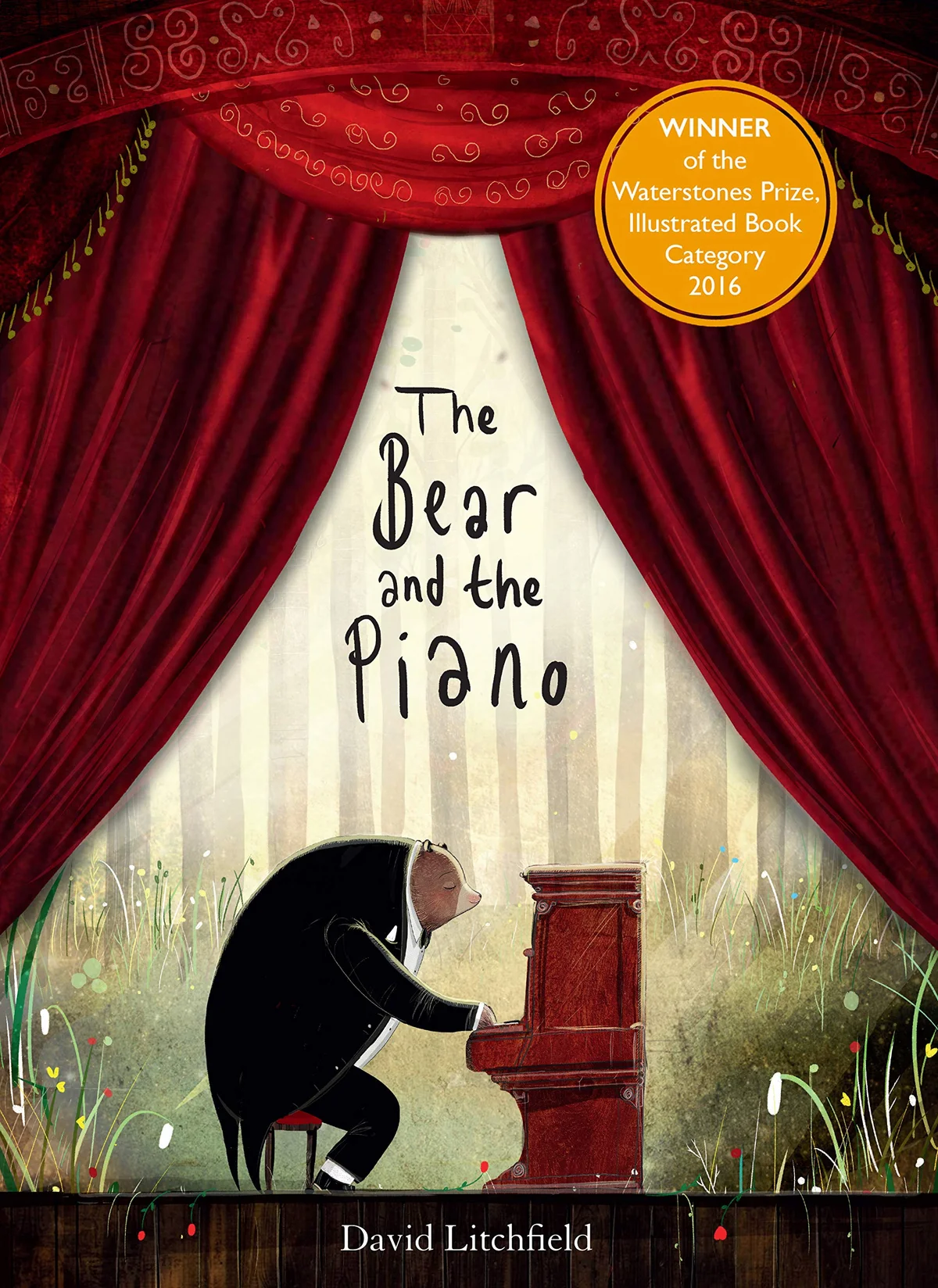
The opening book is the trilogy's defining entry point. The Bear and the Piano begins in the forest with a bear discovering music, then follows him into performance, fame, distance from home and the question of what he has gained and lost. The story is gentle and low sensitivity, but emotionally substantial: ambition, belonging and homesickness sit underneath the beauty of the art. It is one of those picture books that reads simply to a child but gives adults plenty to feel.
- IIIThematic arcBook 3 · 2021Low sensitivity
Little Bear and creative legacy
Little Bear wants to perform, bringing the trilogy full circle through family, pride and confidence.
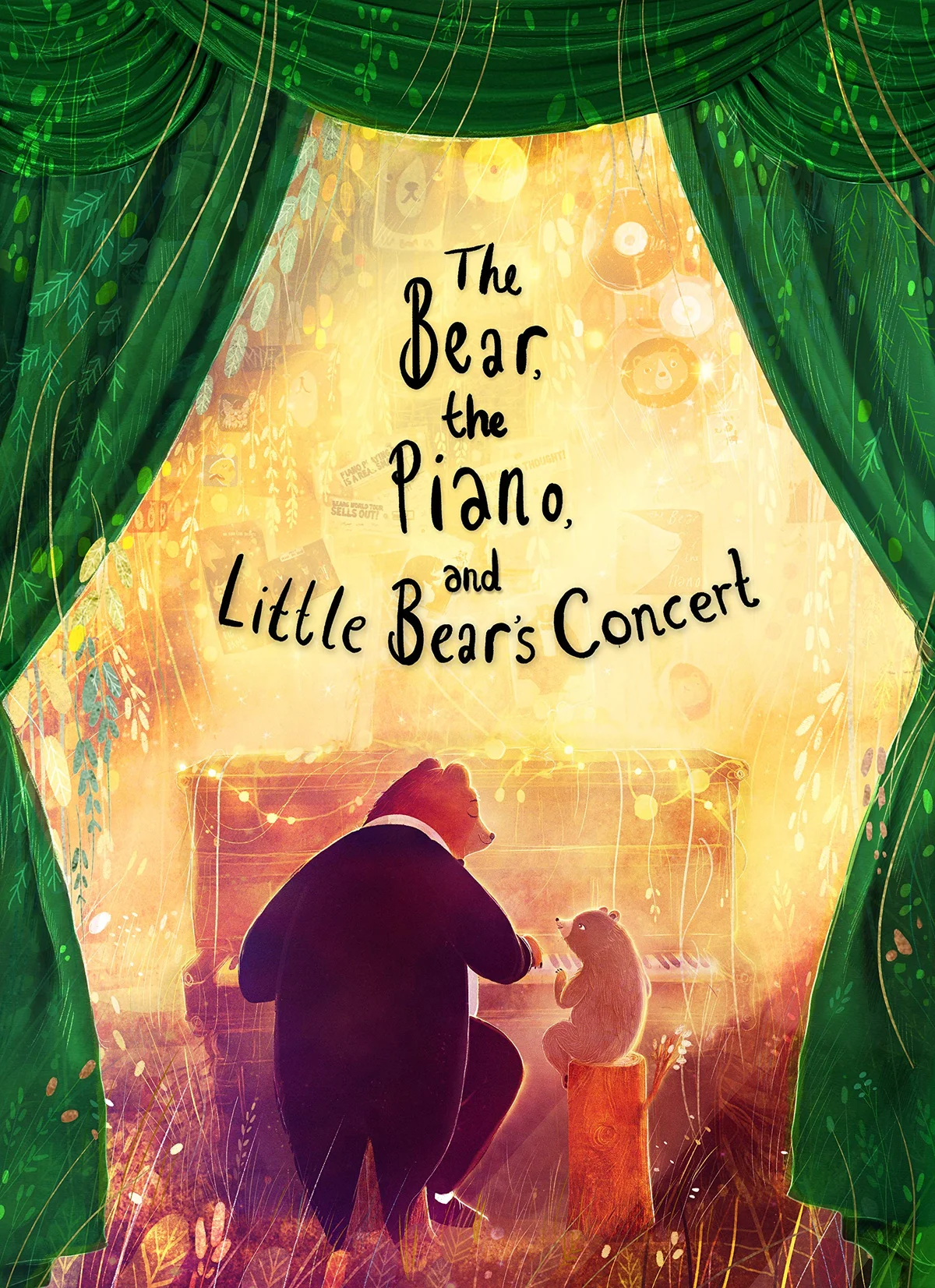
The final book narrows the trilogy's focus into family and legacy. The Bear, the Piano and Little Bear's Concert follows Little Bear wanting to play and perform, with the bear now watching a younger generation find confidence. It is the most intimate and bedtime-friendly part of the trilogy, especially useful for children thinking about performance nerves, parent-child pride or wanting to follow in someone's footsteps while still being themselves. It closes the series warmly, with creativity passed on rather than possessed.
Fit check
Right for your reader?
Where the series lands by age
- 1
- 3
- 5
- 7
- 9
- 11
- 13
- 15
- 17
- 19
- Best fit · 4–7
- Read aloud · 3–8
- Independent · 6–8
Reluctant-reader friendliness
Patchy
Read-aloud quality
Excellent
Adult crossover
High
Grows with the reader
Designed to
Sensitivity envelope
Low overall, and consistent.
Per-arc breakdown
Where it sits
In conversation with other series.
Similar in feel
Different shelves, same wavelength.
- Grandad's Secret Giant →
- The Lion Inside →
- Giraffes Can't Dance →
Read this after…
Series that pick up where The Bear and the Piano leaves off.
About the author