- Picture Books
- Ages 4–7
- Contemporary
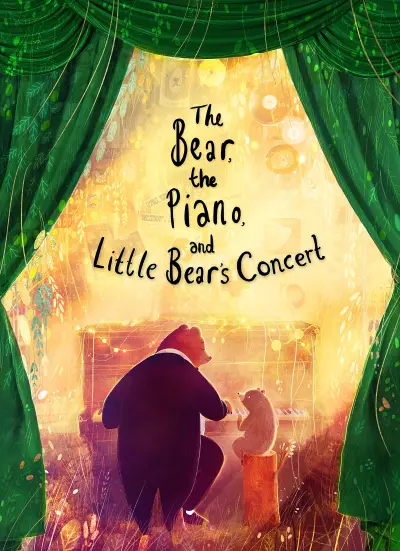
The Bear, the Piano and Little Bear's Concert
Affiliate links — buy through these retailers and we earn a small commission, at no extra cost to you.
Book 3 in The Bear and the PianoView the full series
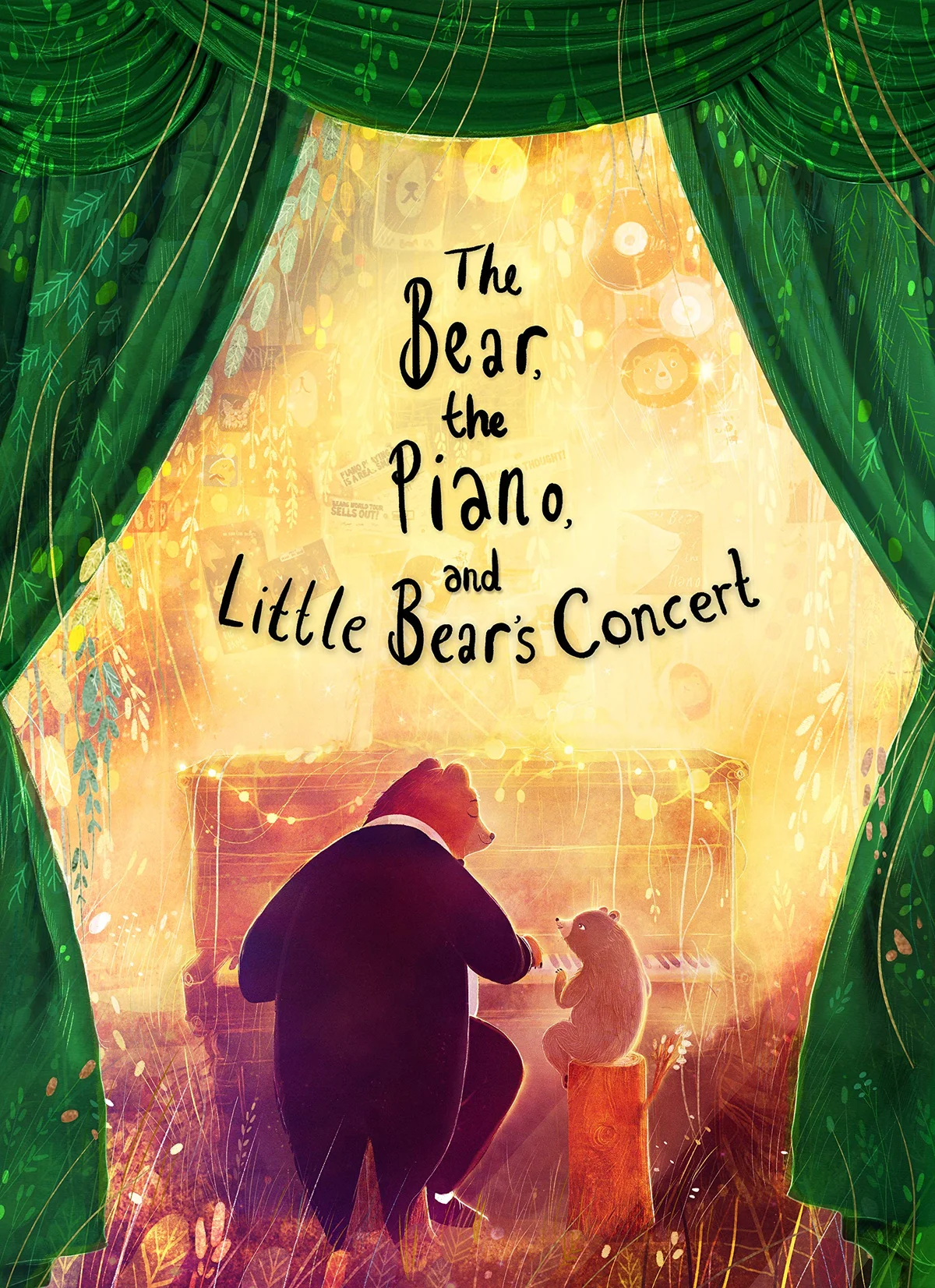
The bear's cub wants to play the piano too, and perform. The final book in the trilogy is the most intimate: a story about a parent watching their child find a gift, and the particular love involved in letting them take it somewhere new.
- Best for4–7
- FormatPicture
- Length40 pp
- Read aloud~8 min
Affiliate links — buy through these retailers and we earn a small commission, at no extra cost to you.
The vibe
What it’s like.
Style
- Lyrical
- Literary
- Conversational
Tone
- Warm
- Gentle
- Heartwarming
- Bittersweet
- Cosy
- Inspirational
- Thought provoking
Themes
Experience meters
What’s it about?
The story.
Little Bear has grown up watching the bear play. Now Little Bear wants to perform, to stand on a stage, in front of an audience, and play something of their own. The third Bear and the Piano book narrows its focus from the first book's sweeping ambition to something quieter and more domestic: the relationship between a parent and a child who is becoming their own person. Litchfield brings the full trilogy full circle here, with echoes of the first book's forest clearing and first discoveries, now seen through the eyes of a new generation. The themes of legacy, passing on what you love, and the courage required to perform are handled with the same emotional precision as in the earlier books, and the parent-child bond is drawn with genuine feeling. The illustrations remain exquisite, if anything, warmer than before. The best bedtime book in the trilogy, and the one most likely to produce conversations about what it means to be proud of someone. Read the series in order for maximum impact.
Fit check
Right for your child?
Where it lands by age
- 1
- 3
- 5
- 7
- 9
- 11
- 13
- Best fit · 4–7
- Read aloud · 3–8
- Independent · 6–8
Prose load
Light
Visual support
Very high
Reluctant-reader friendly
Tougher fit
Read-aloud quality
Excellent
Works well for
- Reading aloud
- Bedtime
- Reading together
Nothing in the book is likely to concern most parents. Safe to recommend without preview.
Bedtime suitability
5 / 5 · Bedtime-friendly
Sensitive-child
4 / 5 · Good fit
Graphic intensity
1 / 5 · None
Best for
- Gift book
- Stunning illustrations
- Discussion starter
- Emotional depth
- Bedtime book
Avoid if
No common reasons to avoid this one — a rare clean sweep on the sensitivity flags.
Particularly good for children who are…
- Anxiety and worry
- Low self esteem
- Interested in art and creativity
In the classroom
How it works in school.
A beautifully illustrated read-aloud about following a dream and coming home — opens talk about ambition, belonging and friendship.
A book children love that happens to support school — never a stand-in for the texts a class is taught with. Reviewed for the classroom · June 2026.
Why it lands
Why they love it.
Why kids love it
The specific weight is Little Bear ready to perform — having grown up watching the bear play, wanting to stand on a stage and play something of his own, the parent having to watch and let go. The Bear and the Piano trilogy closer that's the most intimate of the three.
- Being special or chosen
- Making a difference
- Friendship and belonging
Why parents love it
The Litchfield trilogy closer — narrowing from the first book's sweeping ambition to the domestic parent-child relationship, legacy and passing-on-what-you-love handled with the trilogy's emotional precision. The best bedtime book of the three; warmest illustrations. Read in order for maximum impact.
- Beautiful illustrations
- Conversation starter
- Bedtime appropriate
- Great writing
In the series
The Bear and the Piano.
3 books · open the series →
About the author & illustrator
David Litchfield.
If you liked this
Three ways out of this book.
If you liked this, try…
Lateral matches. Same shelf, different texture.
Come into this from…
Easier or preparing reads — perfect lead-ins.
Where to go next…
Escalation reads — a step up in scale, silliness, or stakes.