The Treehouse Series
Part of the collectionThe Treehouse Series→Best for children who want long-looking books that are actually very easy to read, packed with cartoons, jokes, lists and impossible inventions.
- Books13 / 13
- Arcs3
- Span2015–2024
- StatusComplete
The series
At a glance.
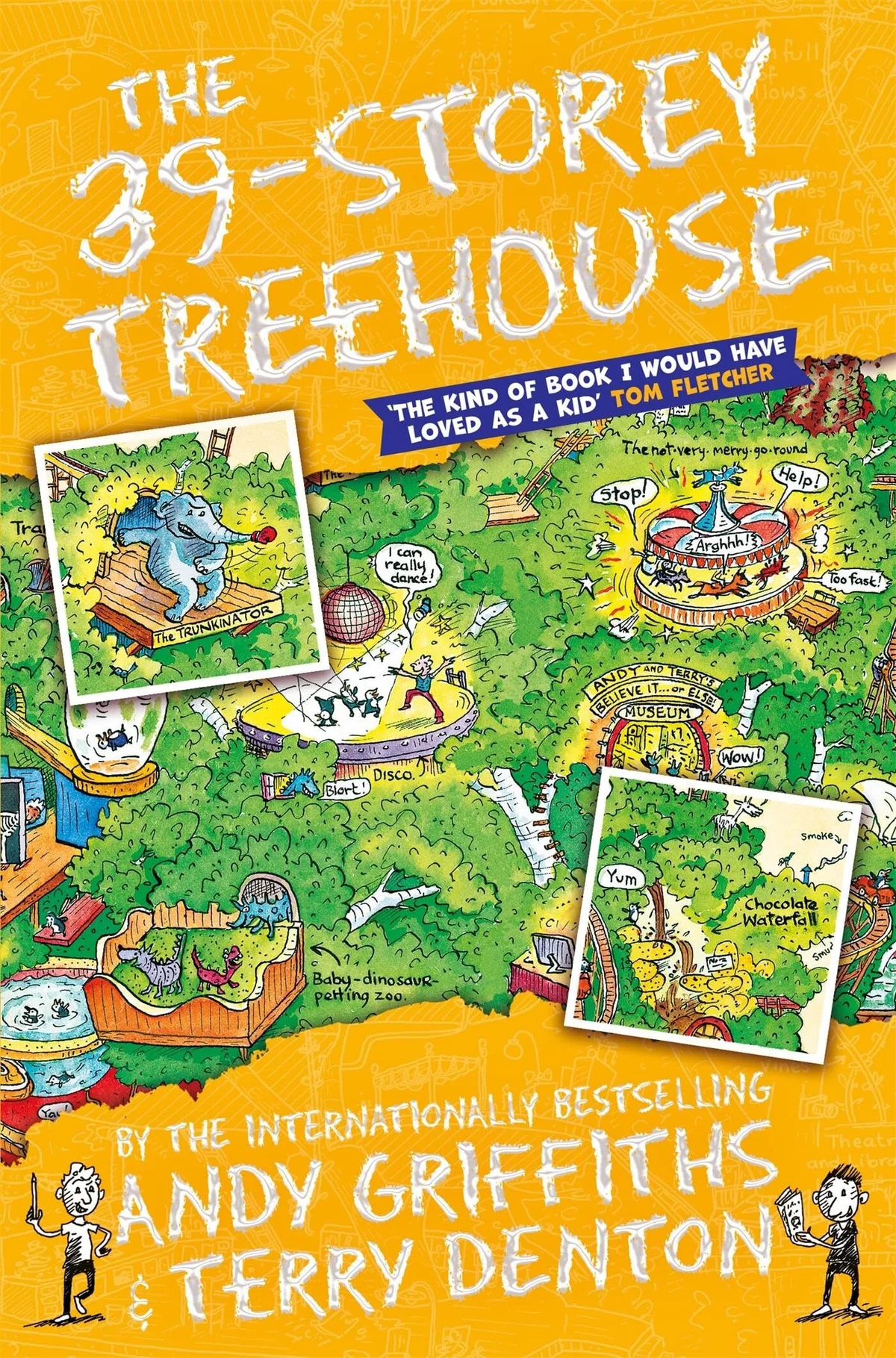
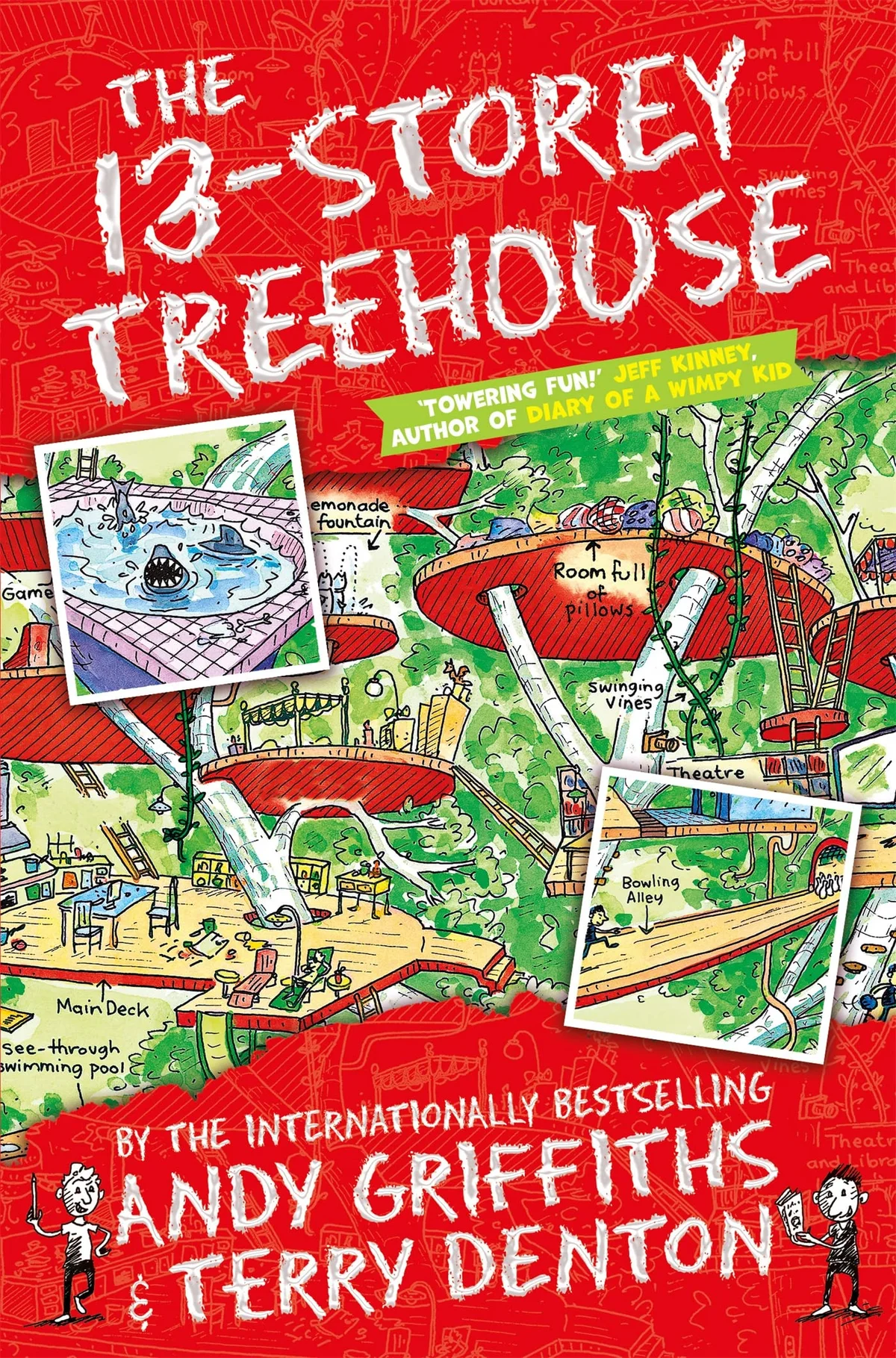
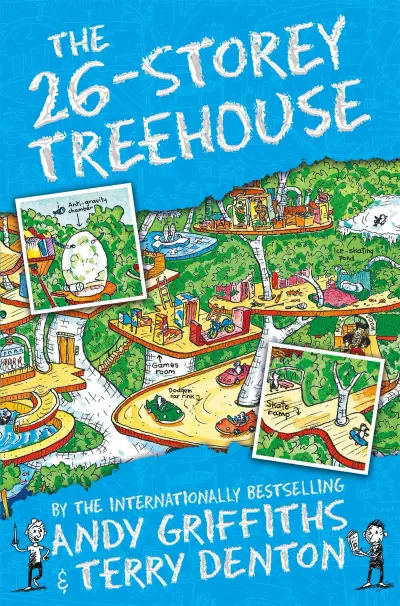
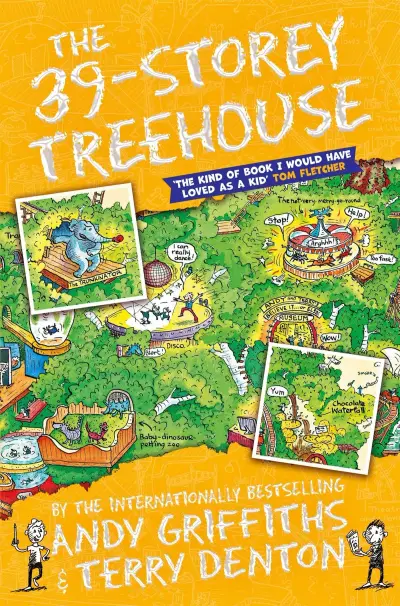
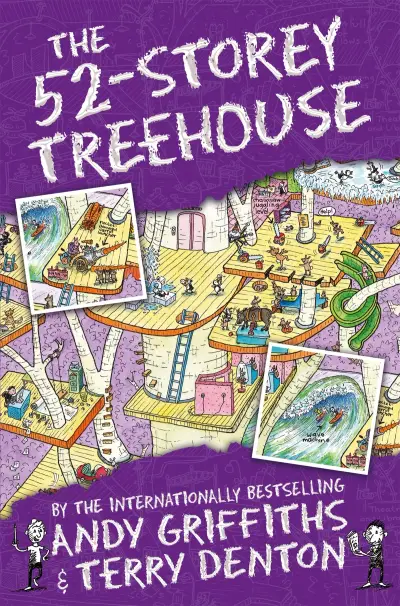
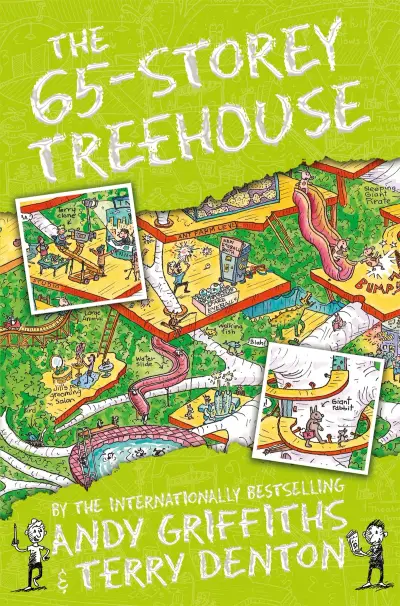
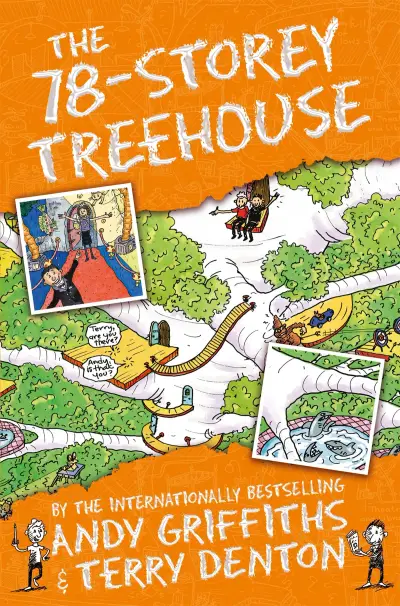
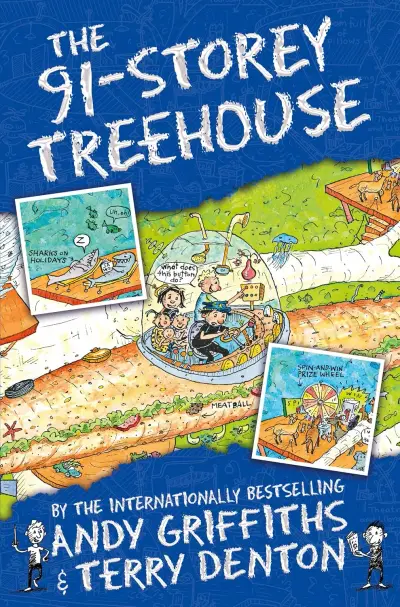
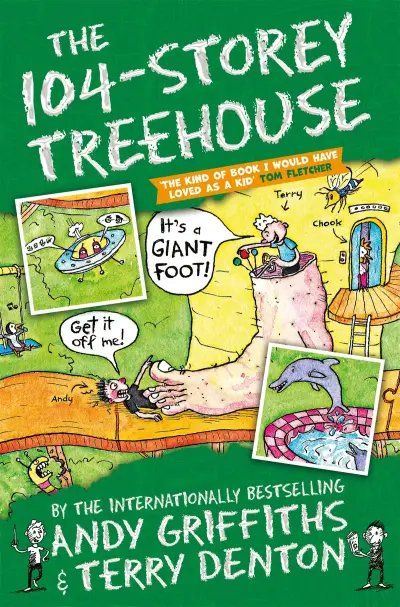
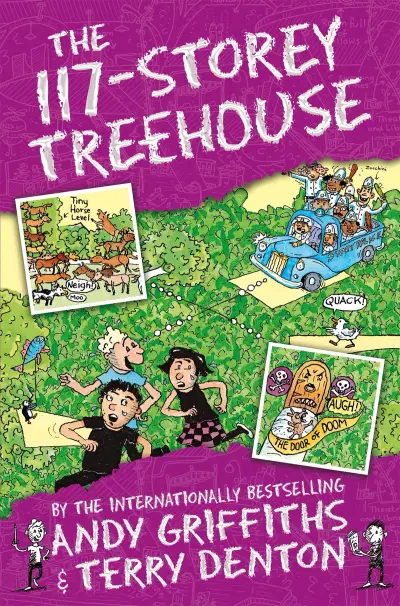
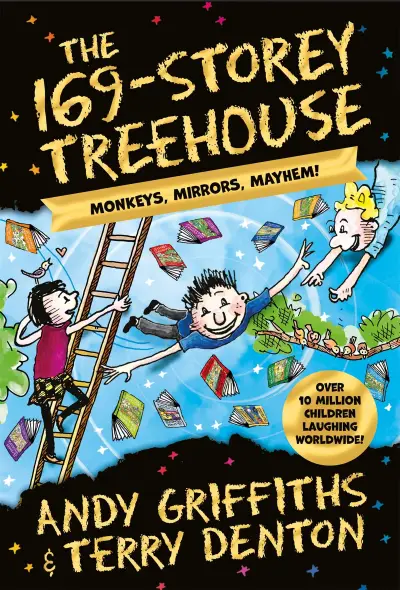
The Treehouse Series is a thirteen-book illustrated comedy series by Andy Griffiths and Terry Denton. It begins with The 13-Storey Treehouse and increases by thirteen storeys each book, ending in the current seeded database with The 169-Storey Treehouse. Andy and Terry appear as fictionalised versions of the creators, living in the treehouse, missing deadlines, inventing absurd rooms and creating the book the reader is holding. The series is not emotionally subtle, but it is extremely effective: visual jokes, short chapters, escalating lists and a gleeful refusal to be sensible make it a major confidence-builder for children who resist conventional prose.
Best for children who want long-looking books that are actually very easy to read, packed with cartoons, jokes, lists and impossible inventions.
Primary themes
Overall tone
- Funny
- Silly
- Absurdist
- Irreverent
Publication order is recommended because the storeys accumulate and the running author-character joke builds across the series, though most books can still be enjoyed for their individual chaos.
Three arcs
A series that changes as it goes.
- INarrative arcBooks 1–4 · 2015–2016Low sensitivity
The treehouse begins to grow
The first four books establish Andy, Terry, the deadline chaos and the ever-expanding impossible treehouse.
The opening Treehouse arc is the best entry point. The 13-Storey Treehouse sets up the author-character duo, the impossible rooms and the idea that the book is being written under chaotic pressure. The next three books expand the structure and prove the formula: more storeys, more interruptions, more ridiculous inventions and more visual jokes. Sensitivity is low because the danger is cartoonish, noisy and unserious. The main effect is liberating children from the idea that chapter books have to be quiet, sensible or densely written.
- IINarrative arcBooks 5–9 · 2016–2018Low sensitivity
Bigger storeys, bigger nonsense
The middle run keeps escalating the treehouse with more impossible rooms, deadline disasters and metafictional jokes.
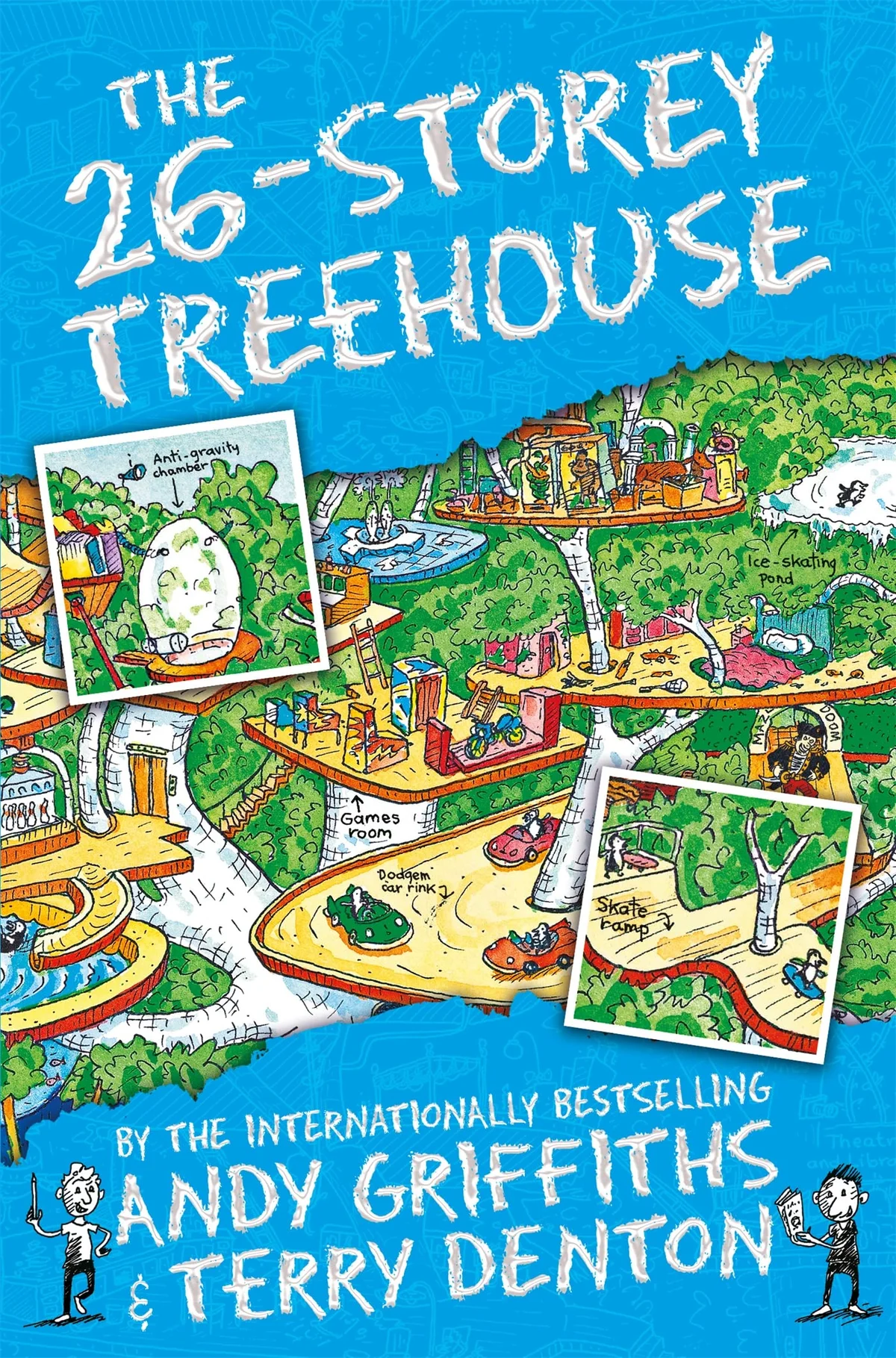
The middle Treehouse arc is for children already hooked on the formula. By this stage, the pleasure comes from scale and repetition: each book promises thirteen more storeys and a new set of impossible comic spaces. The series leans increasingly into its own rules, with Andy and Terry's writing deadlines, visual asides and absurd inventions becoming part of the ritual. The reading experience remains low sensitivity and highly reluctant-reader friendly, but the books may be less appealing to children who need emotional depth or tidy plotting.
- IIINarrative arcBooks 10–13 · 2021–2024Low sensitivity
The final storeys
The last seeded books push the treehouse to its largest scale and bring the long-running comic structure to completion.
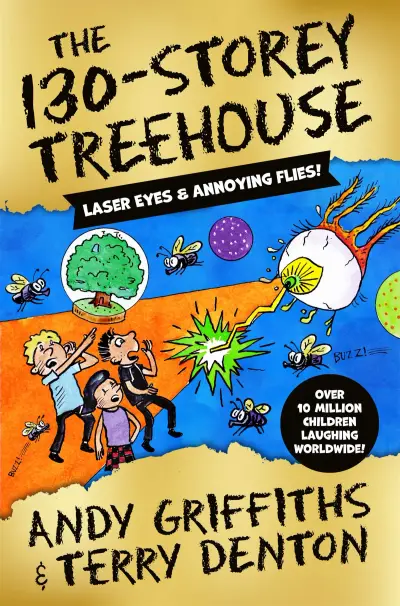
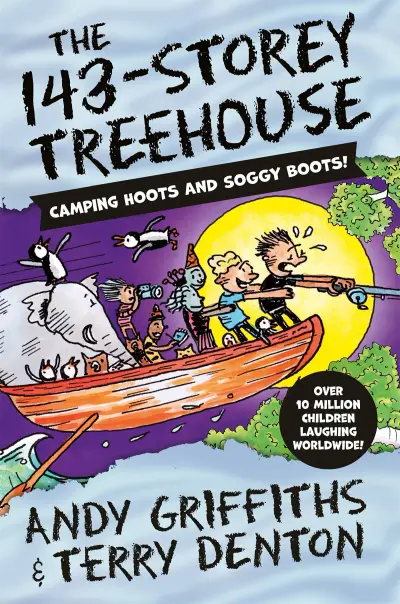
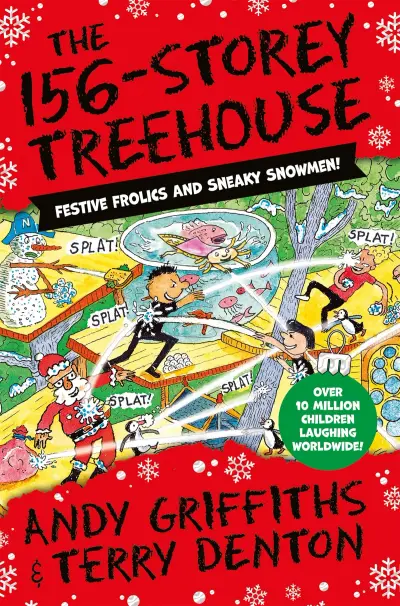
The final Treehouse arc is the accumulated payoff of the series' central joke. By the 130th storey and beyond, readers are not looking for a fresh premise so much as a bigger version of the same joyful absurdity. The later books reward loyalty to the running format: more storeys, more impossible rooms, more creator-character chaos and a sense of reaching the end of a very long comic ladder. They remain low sensitivity, with the same cartoon mayhem and extremely high visual support that made the early books so accessible.
Fit check
Right for your reader?
Where the series lands by age
- 1
- 3
- 5
- 7
- 9
- 11
- 13
- 15
- 17
- 19
- Best fit · 7–11
- Read aloud · 7–10
- Independent · 7–11
Reluctant-reader friendliness
Very high
Read-aloud quality
Workable
Adult crossover
Low
Grows with the reader
Designed to
Sensitivity envelope
Low overall, and consistent.
Per-arc breakdown
Where it sits
In conversation with other series.
About the author