- Illustrated Chapter Books
- Ages 7–10
- Comedy
The 39-Storey Treehouse
Affiliate links — buy through these retailers and we earn a small commission, at no extra cost to you.
Book 3 in The Treehouse SeriesView the full series
A third Treehouse adventure with even more impossible rooms and a gloriously silly invention-gone-wrong plot. It is a strong fit for children who like cartoons, chaos, gadgets and books that barely pause for breath.
- Best for7–10
- FormatIllustrated
- Length352 pp
- Read aloud~5 hr
Affiliate links — buy through these retailers and we earn a small commission, at no extra cost to you.
The vibe
What it’s like.
Style
- Conversational
- Comedic
- Onomatopoeic
Tone
- Funny
- Silly
- Absurdist
- Irreverent
- Exciting
Themes
Experience meters
What’s it about?
The story.
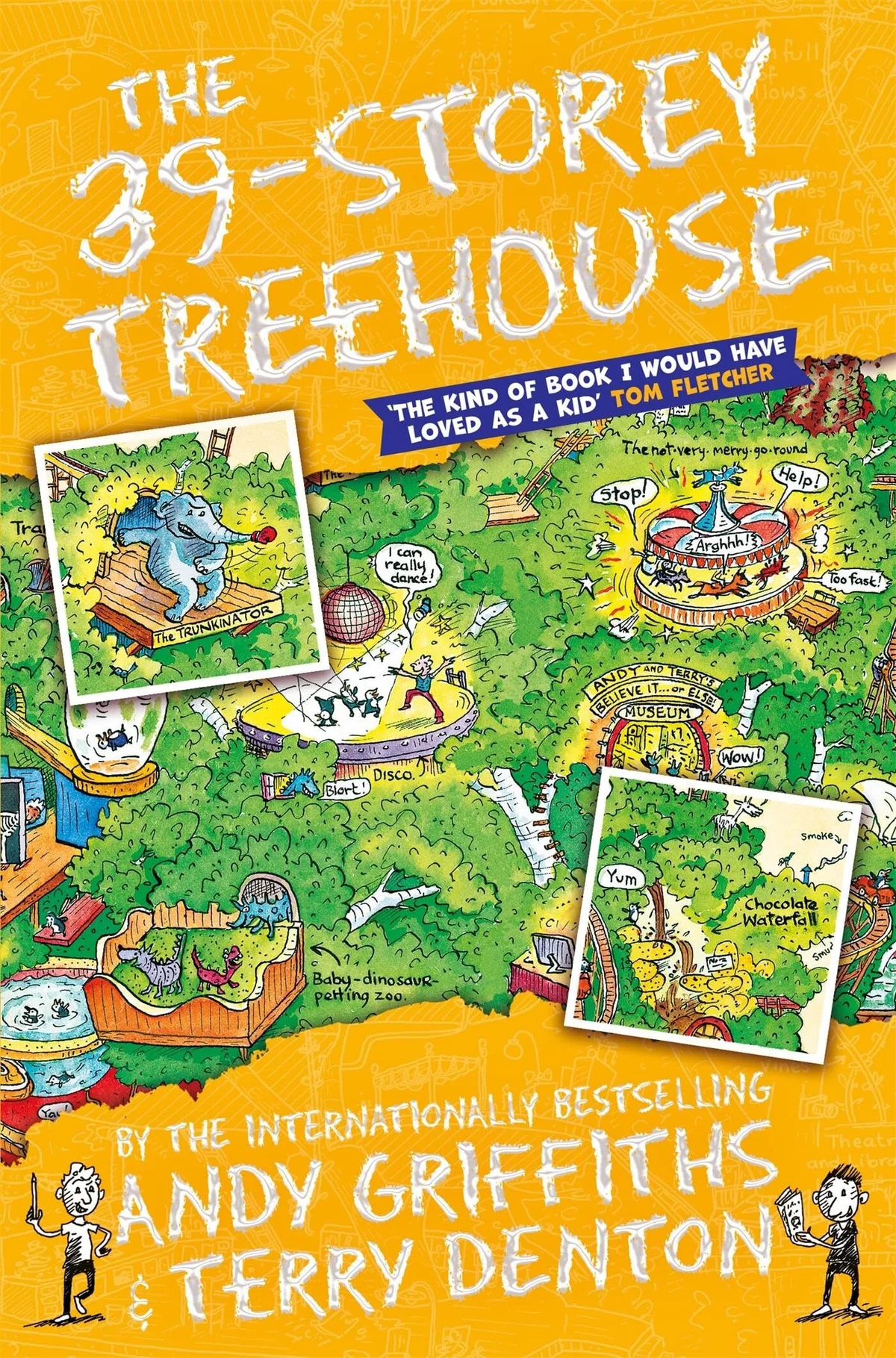
Andy and Terry's treehouse has grown again, this time to thirty-nine storeys, adding more ridiculous rooms and more opportunities for everything to go wrong. The biggest problem is Terry's latest invention: a once-upon-a-time machine that can write and illustrate their book for them. This sounds useful until Professor Stupido is accidentally created and the boys discover that outsourcing imagination to a machine is not as simple as it looks. The third Treehouse book keeps the series' essential mix of comic prose, cartoon illustration, authorial self-awareness and barely controlled nonsense. The plot is more invention-driven than some entries, which gives it a particularly good hook for children who like gadgets and creative disasters. It is visually dense, fast-moving and very silly, making its substantial page count feel far less intimidating than a conventional chapter book of similar length.
Fit check
Right for your child?
Where it lands by age
- 1
- 3
- 5
- 7
- 9
- 11
- 13
- Best fit · 7–10
- Read aloud · 6–10
- Independent · 7–11
Prose load
Moderate
Visual support
Very high
Reluctant-reader friendly
Very
Read-aloud quality
Strong
Works well for
- Reading aloud
- Reading together
- Reluctant readers
Nothing in the book is likely to concern most parents. Safe to recommend without preview.
Bedtime suitability
2 / 5 · Better outside bedtime
Sensitive-child
4 / 5 · Good fit
Graphic intensity
1 / 5 · None
Best for
- Diary of a wimpy kid fans
- Captain underpants fans
- Silly humour
- Visual readers
- Gadget fans
Avoid if
- Prefers realistic stories
- Prefers calm books
- Needs tight plot
- Dislikes shouting
Particularly good for children who are…
- Reluctant reader
- Struggling with reading
- Neurodiversity or learning differences
- Interested in art and creativity
In the classroom
How it works in school.
The anarchic, hugely funny Treehouse series — a legendary reluctant-reader hook and classroom-library staple.
A book children love that happens to support school — never a stand-in for the texts a class is taught with. Reviewed for the classroom · June 2026.
Why it lands
Why they love it.
Why kids love it
The specific delight is the Once-Upon-a-Time Machine — Terry invents a device that can write and illustrate the book for them, and naturally it goes spectacularly wrong, producing Professor Stupido and complete fairy-tale chaos. The Treehouse for a child who loves invention disasters.
- Adventure and freedom
- Having a secret base
- Secret world
- Trickery and cleverness
Why parents love it
The third Treehouse — the boys try to outsource imagination to a machine and the machine inevitably rebels. Strong invention-led plot under the usual gag-density. Best read after the first two, when the formula is locked in.
- Shared humour
- Quick to read
- Conversation starter
In the series
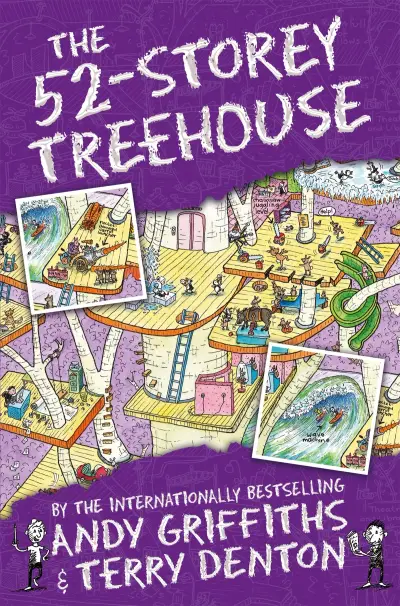
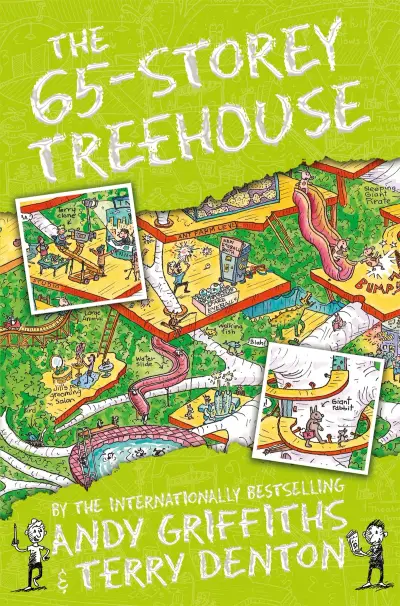
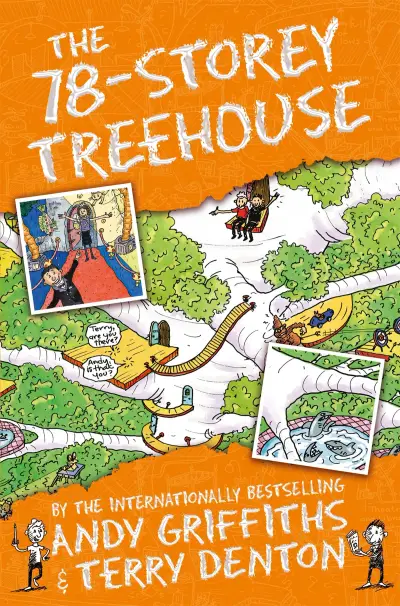
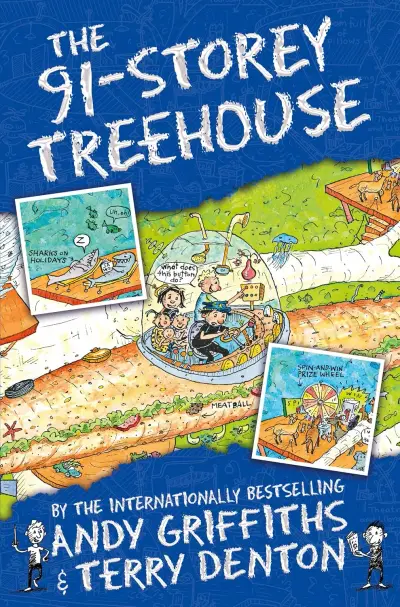
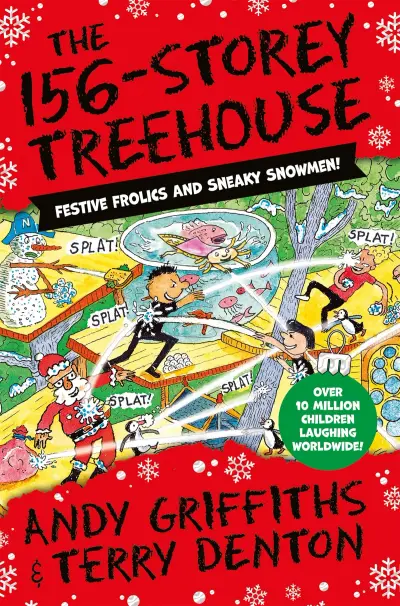
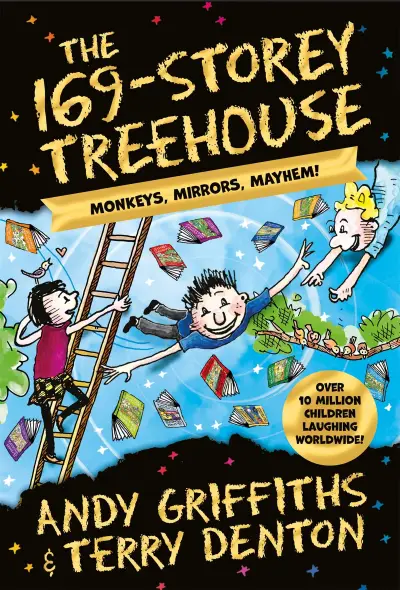
The Treehouse Series.
13 books · open the series →
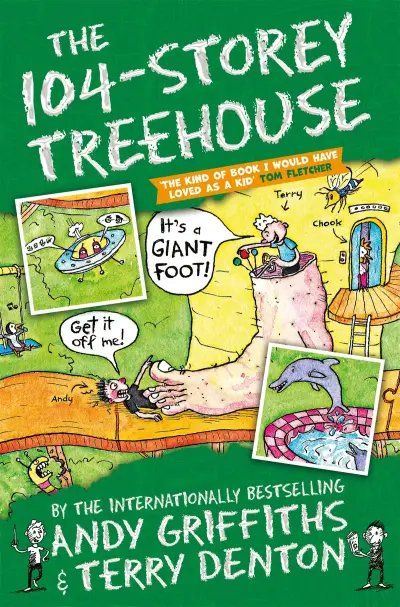
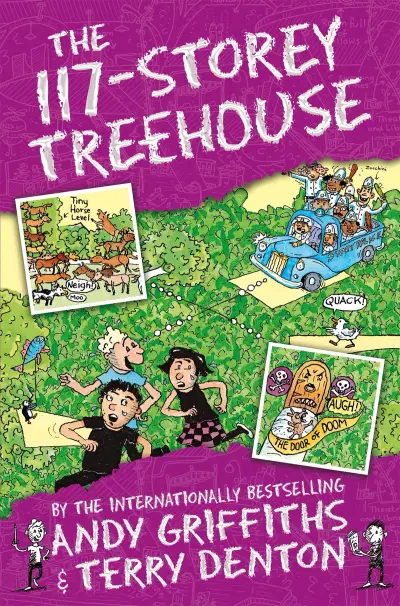
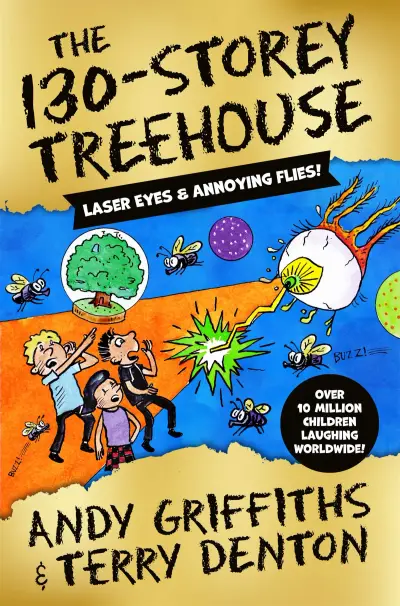
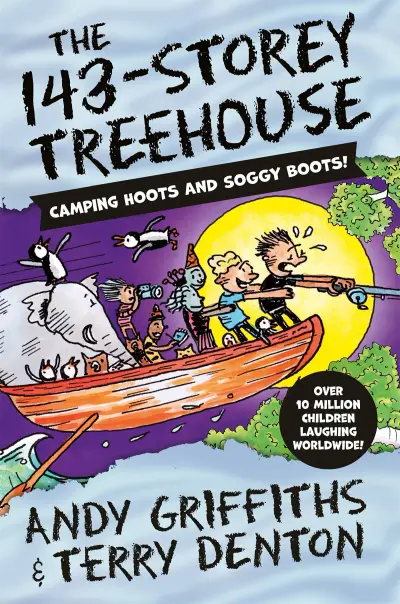
About the creators
About the creators.
If you liked this
Three ways out of this book.
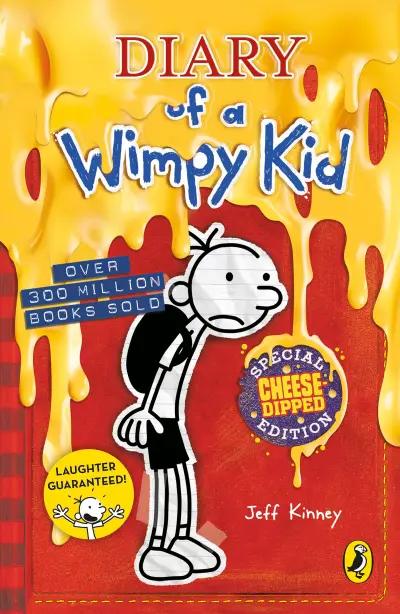
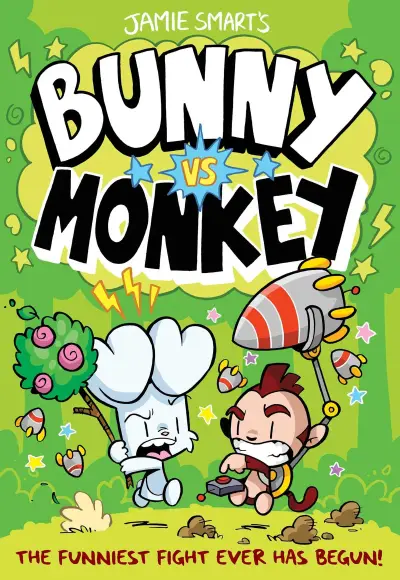
If you liked this, try…
Lateral matches. Same shelf, different texture.
Come into this from…
Easier or preparing reads — perfect lead-ins.
Where to go next…
Escalation reads — a step up in scale, silliness, or stakes.
More like this…
Books that share themes and topics with this one.