- Illustrated Chapter Books
- Ages 7–10
- Comedy
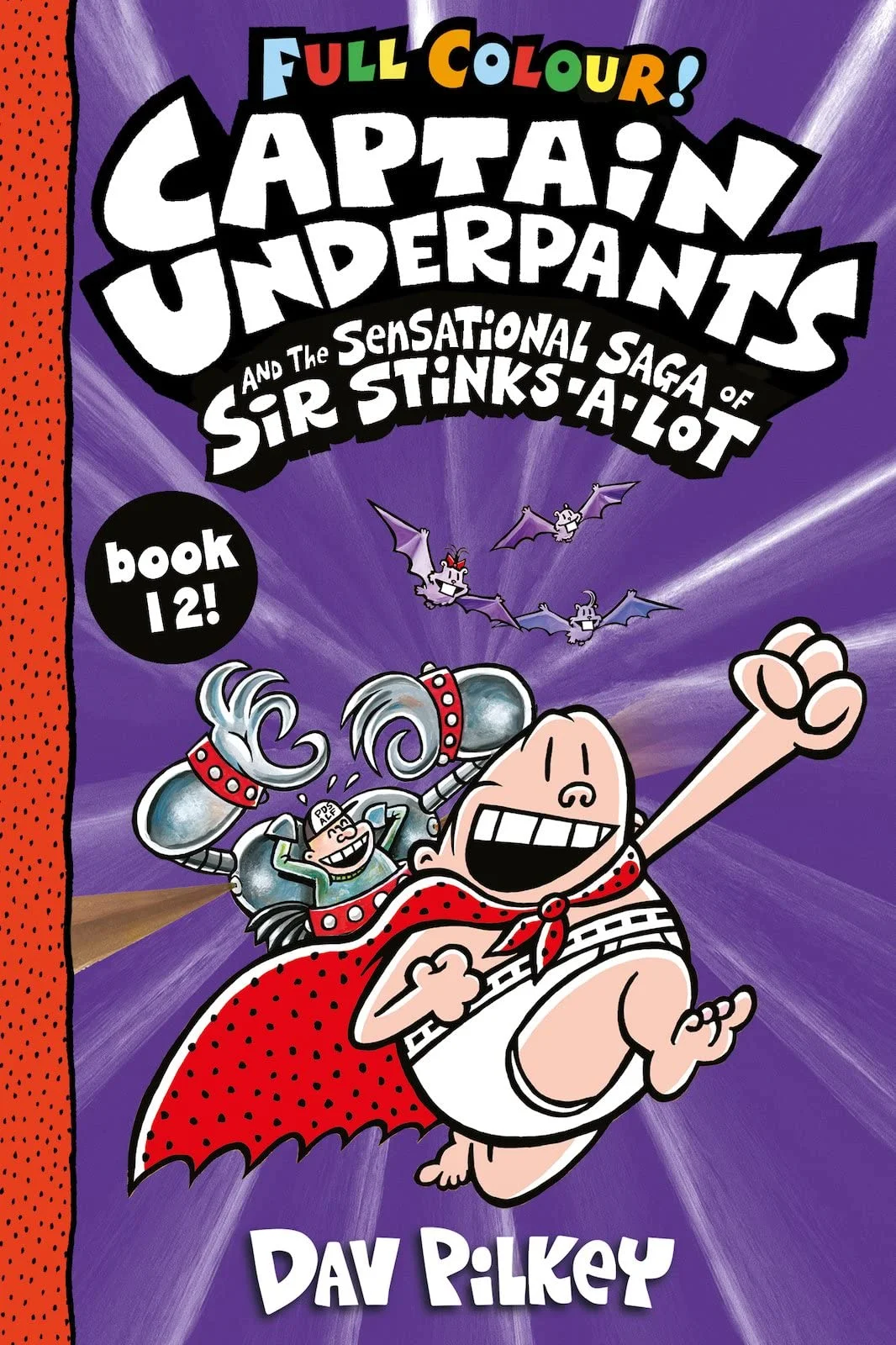
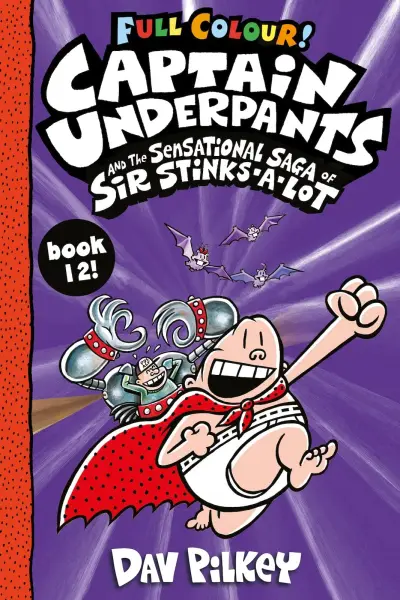
Captain Underpants and the Sensational Saga of Sir Stinks-A-Lot
Affiliate links — buy through these retailers and we earn a small commission, at no extra cost to you.
Book 12 in Captain UnderpantsView the full series
The final mainline Captain Underpants book, closing the core sequence with fart-power nonsense, friendship and full-colour-era franchise confidence. It is still rude and ridiculous, but it lands as a celebratory finale.
- Best for7–10
- FormatIllustrated
- Length208 pp
- Read aloud~2 hr55 min
Affiliate links — buy through these retailers and we earn a small commission, at no extra cost to you.
The vibe
What it’s like.
Style
- Conversational
- Comedic
- Onomatopoeic
Tone
- Funny
- Silly
- Irreverent
- Absurdist
- Heartwarming
Themes
Experience meters
What’s it about?
The story.
George and Harold's last main Captain Underpants adventure brings the series' silliness to one final peak. Sir Stinks-A-Lot is exactly the kind of villain name this series was born to use, and the plot delivers the expected mix of toilet humour, superhero parody, visual jokes and child-authored comic-book mayhem. By this point, readers know the formula: George and Harold create trouble, Captain Underpants charges into danger, adults behave badly or foolishly, and friendship plus imagination somehow save the day. What makes this final entry satisfying is the sense of culmination. The series has always been about much more than pants jokes: it made room for creative, restless, rule-bending children to see themselves as storytellers. This twelfth book sends that spirit out with one last loud, silly TRA-LA-LAA.
Fit check
Right for your child?
Where it lands by age
- 1
- 3
- 5
- 7
- 9
- 11
- 13
- Best fit · 7–10
- Read aloud · 6–10
- Independent · 7–10
Prose load
Moderate
Visual support
High
Reluctant-reader friendly
Very
Read-aloud quality
Strong
Works well for
- Reading aloud
- Reading together
- Gift-buying
- Reluctant readers
Nothing in the book is likely to concern most parents. Safe to recommend without preview.
Bedtime suitability
2 / 5 · Better outside bedtime
Sensitive-child
4 / 5 · Good fit
Graphic intensity
1 / 5 · None
Best for
- Series finale
- Reluctant reader pick
- Toilet humour
- Comic prose hybrid
- High energy read
Avoid if
- Dislikes toilet humour
- Prefers gentle books
- Wants realistic school story
- Needs low energy reading
Particularly good for children who are…
- Reluctant reader
- Struggling with reading
- Neurodiversity or learning differences
In the classroom
How it works in school.
The anarchic, wildly funny Captain Underpants series — a legendary reluctant-reader hook and classroom-library staple.
A book children love that happens to support school — never a stand-in for the texts a class is taught with. Reviewed for the classroom · June 2026.
Why it lands
Why they love it.
Why kids love it
The specific feeling is finishing the series — twelve books of TRA-LA-LAA, Flip-O-Rama and toilet humour culminating in one last loud farewell. Callbacks to villains and jokes from the first book hit harder because the child remembers them. The kind of ending that makes an eight-year-old reread the whole series from the top.
- Breaking the rules safely
- Trickery and cleverness
- Friendship and belonging
- Making a difference
- Revenge on adults
Why parents love it
The book that gives a seven-year-old the satisfaction of finishing a twelve-volume series — a milestone most reluctant readers haven't reached before. Worth owning as the closing book of the collection, and worth saving for after the previous eleven. The series goodbye, played as a fart joke and oddly moving anyway.
- Shared humour
- Quick to read
- Nostalgia
In the series
Captain Underpants.
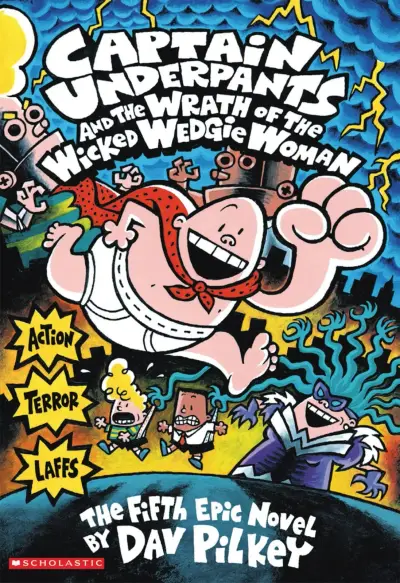
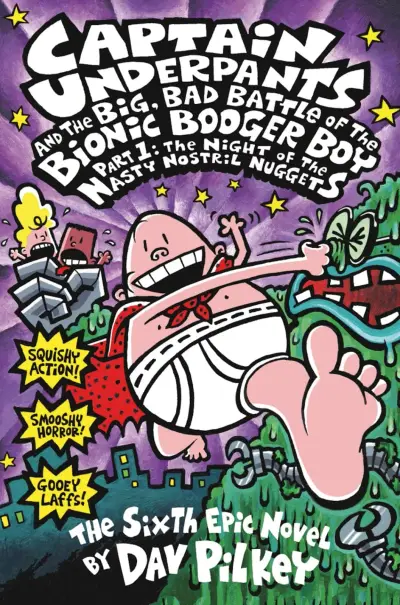
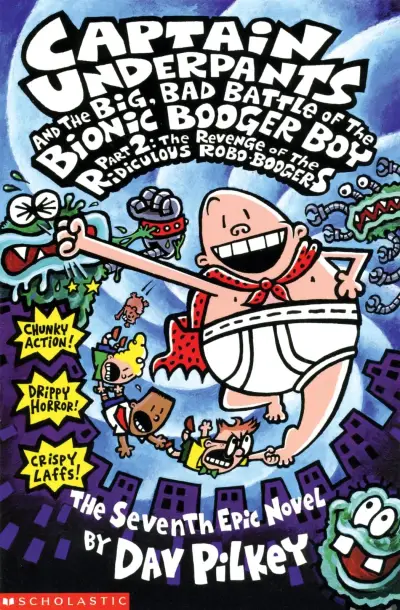
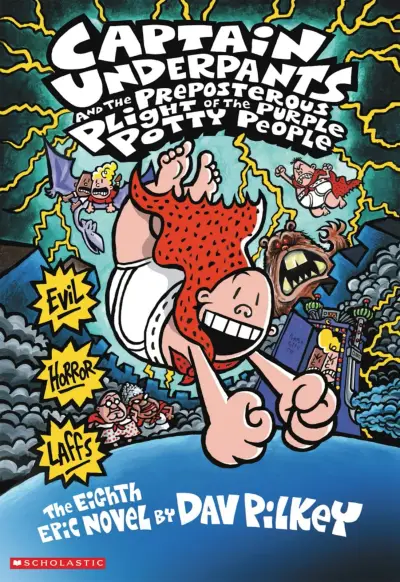
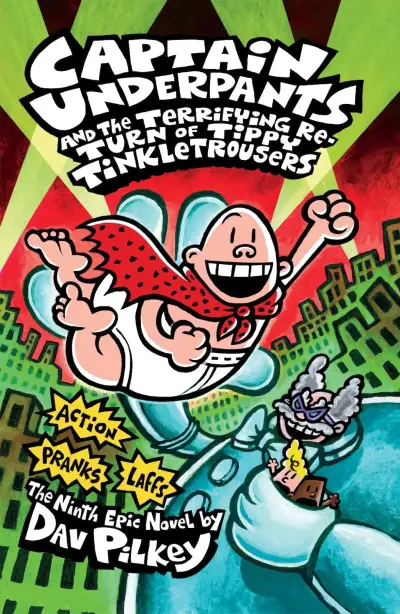
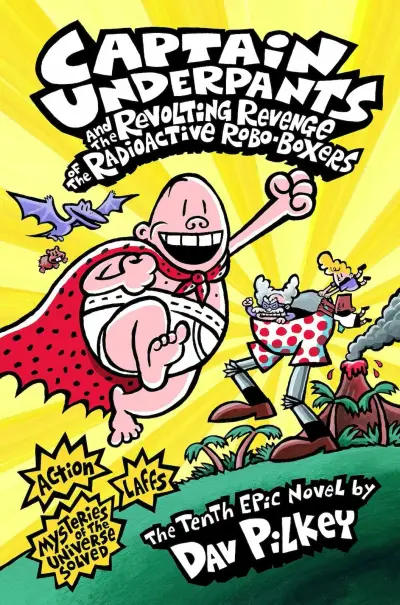
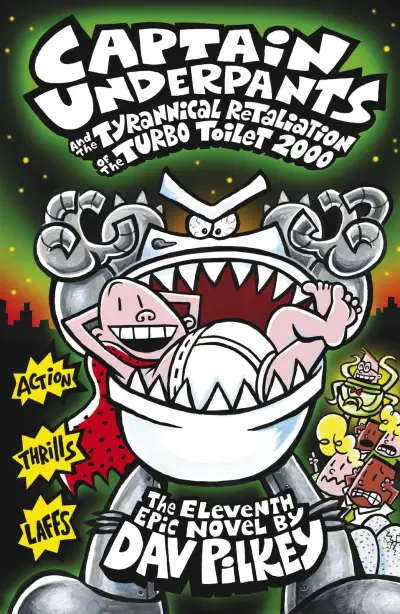
12 books · open the series →
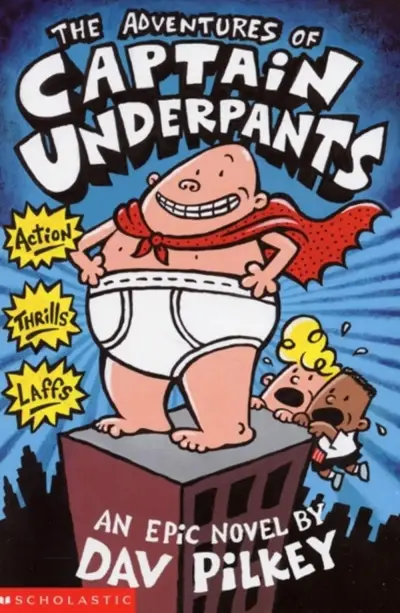
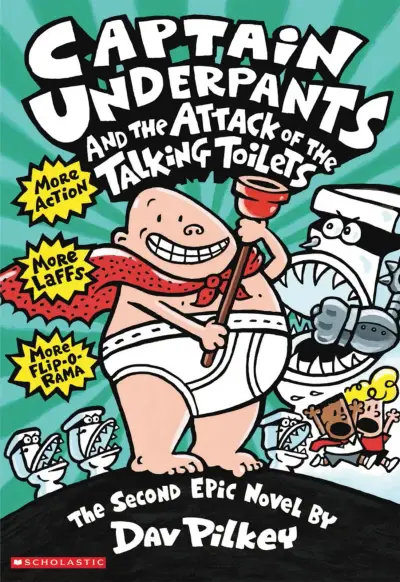
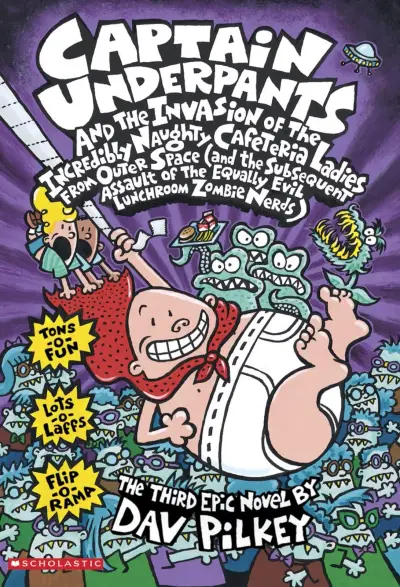
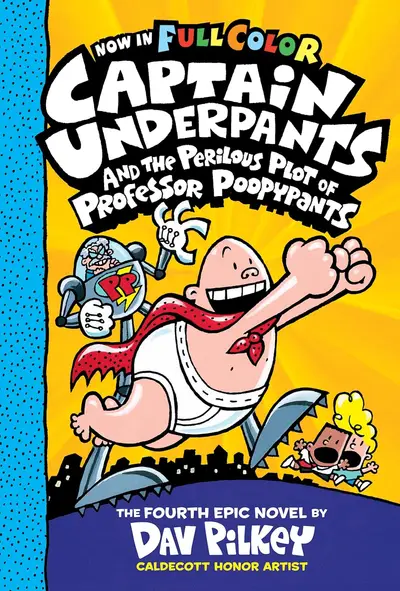
About the author & illustrator
Dav Pilkey.
If you liked this
Three ways out of this book.
If you liked this, try…
Lateral matches. Same shelf, different texture.
Come into this from…
Easier or preparing reads — perfect lead-ins.
Where to go next…
Escalation reads — a step up in scale, silliness, or stakes.