- Chapter Books
- Ages 7–11
- Science Fiction
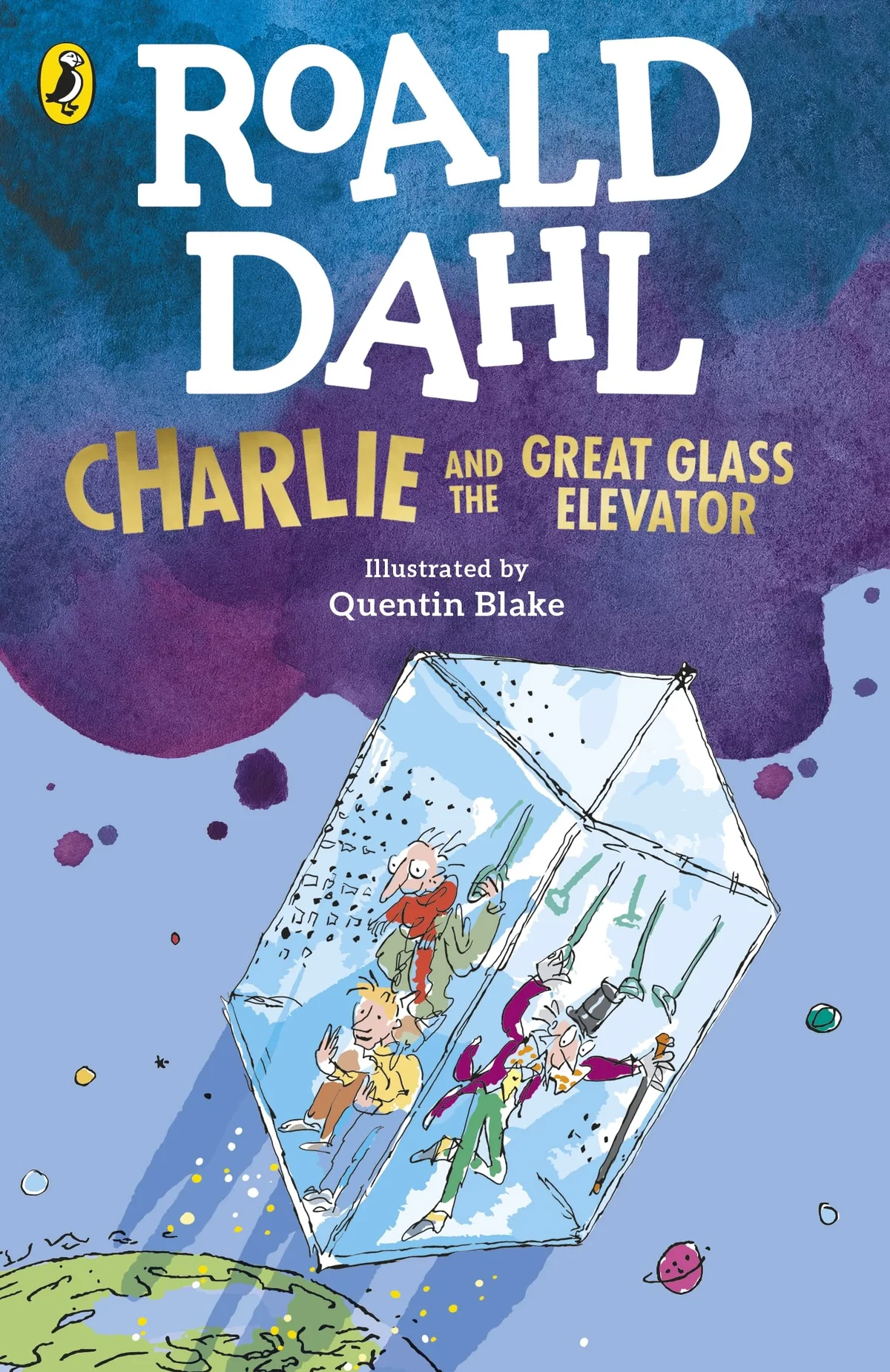
Charlie and the Great Glass Elevator
Affiliate links — buy through these retailers and we earn a small commission, at no extra cost to you.
Book 2 in Charlie BucketView the full series
Part of the Roald Dahl universeOpen the collection
A strange, space-travelling sequel to Charlie and the Chocolate Factory. It is useful mainly for children who specifically want more Wonka; as a standalone recommendation it is much messier, odder and less essential than the first book.
- Best for7–11
- FormatChapter
- Length288 pp
- Read aloud~4 hr5 min
Affiliate links — buy through these retailers and we earn a small commission, at no extra cost to you.
The vibe
What it’s like.
Style
- Conversational
- Comedic
- Literary
Tone
- Funny
- Absurdist
- Adventurous
- Whimsical
- Dark
Themes
Experience meters
What’s it about?
The story.
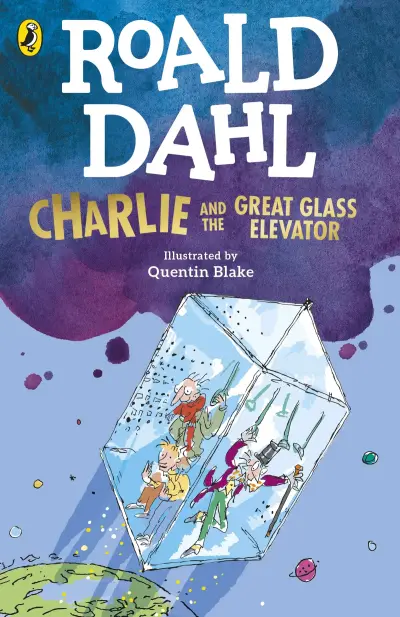
Charlie Bucket has inherited Willy Wonka's chocolate factory, but before life can settle down, the Great Glass Elevator shoots Charlie, his family and Wonka into space. There they encounter the orbiting Space Hotel, baffled world leaders, terrifying Vermicious Knids and a sequence of increasingly bizarre inventions and reversals. Charlie and the Great Glass Elevator is not as neat or beloved as Charlie and the Chocolate Factory, but it is undeniably imaginative. It pushes Wonka's world into space-age absurdity, mixing science-fiction parody, family chaos, grotesque comedy and magical invention. The book is best treated as a franchise continuation rather than an entry point: readers who love Wonka may enjoy its sheer weirdness, while others may find it episodic and dated. It needs moderate sensitivity and review framing around strangeness, peril and dated satire.
Fit check
Right for your child?
Where it lands by age
- 1
- 3
- 5
- 7
- 9
- 11
- 13
- Best fit · 7–11
- Read aloud · 7–11
- Independent · 8–11
Prose load
Moderate
Visual support
Moderate
Reluctant-reader friendly
Workable
Read-aloud quality
Strong
Works well for
- Reading aloud
Preview before sharing if a child is sensitive to: scary imagery, violence.
Bedtime suitability
2 / 5 · Better outside bedtime
Sensitive-child
3 / 5 · Mostly fine
Graphic intensity
2 / 5 · Mild
Best for
- Wonka completionist
- Space absurdity
- Sequel reading
- Weird dahl
- Fantasy science fiction mix
Avoid if
- Has not read charlie
- Wants tidy plot
- Sensitive to space peril
- Prefers grounded classics
Particularly good for children who are…
- Anxiety and worry
- Reluctant reader
In the classroom
How it works in school.
Roald Dahl's deliciously imaginative classics — wonderful class read-alouds, rich for talk about character, fairness and consequences.
A book children love that happens to support school — never a stand-in for the texts a class is taught with. Reviewed for the classroom · June 2026.
Why it lands
Why they love it.
Why kids love it
The specific delight is the Vermicious Knids — Dahl invents an entirely new kind of space-monster just for this book, and a seven-year-old who's read the original gets the bonus chaos of Wonka loose in space. Wilder, weirder and looser than the first book; for the child who specifically wants more Wonka.
- Adventure and freedom
- Secret world
- Unlimited treats
- Surviving danger
- Being special or chosen
Why parents love it
The Wonka sequel for the child who finished the first book and immediately asked for more — much wilder, looser and stranger than Charlie and the Chocolate Factory, and not as tightly engineered. The Vermicious Knids are iconic; the satire of world leaders is dated. Best as a franchise continuation rather than a standalone.
- Nostalgia
- Shared humour
- Conversation starter
In the series
Charlie Bucket.
2 books · open the series →
About the creators
About the creators.
If you liked this
Three ways out of this book.
If you liked this, try…
Lateral matches. Same shelf, different texture.
Come into this from…
Easier or preparing reads — perfect lead-ins.
Where to go next…
Escalation reads — a step up in scale, silliness, or stakes.