- Chapter Books
- Ages 9–13
- Fantasy
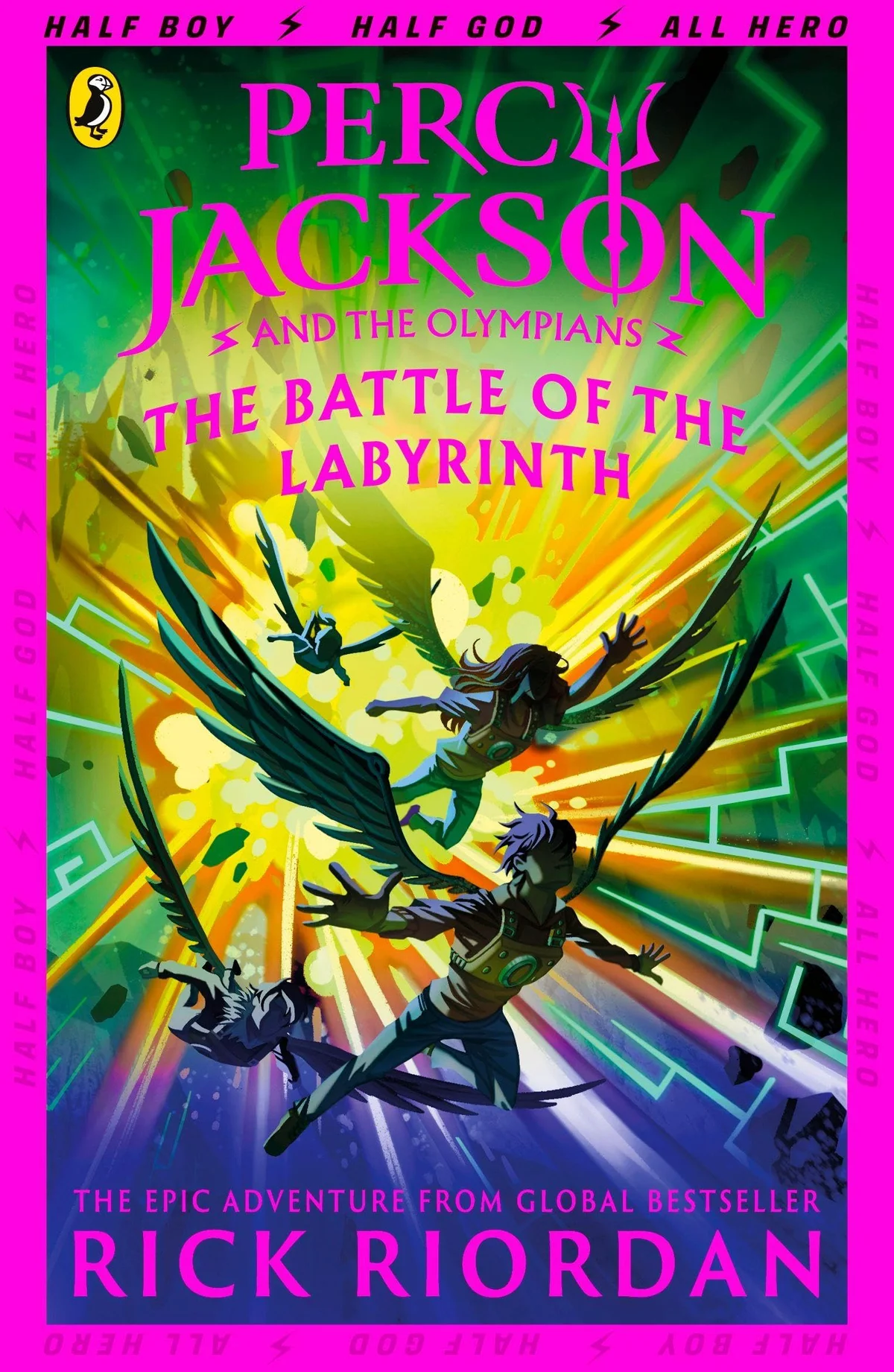
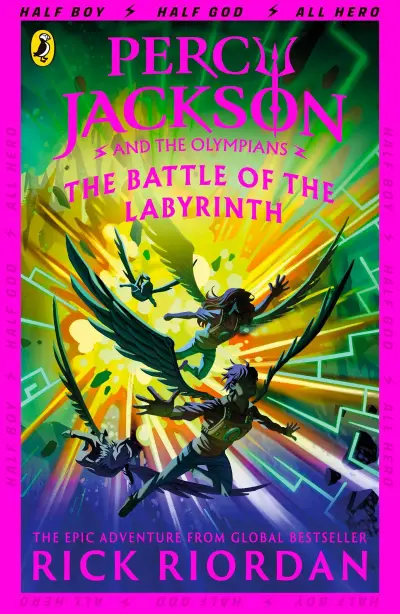
Percy Jackson and the Battle of the Labyrinth
Affiliate links — buy through these retailers and we earn a small commission, at no extra cost to you.
Book 4 in Percy Jackson and the OlympiansView the full series
Part of the Percy Jackson universeOpen the collection
A tense maze-quest that makes the series feel larger, stranger and more dangerous. Best for readers who enjoy puzzles, underground worlds, betrayals and the feeling that a final war is closing in.
- Best for9–13
- FormatChapter
- Length384 pp
- Read aloud~5 hr25 min
Affiliate links — buy through these retailers and we earn a small commission, at no extra cost to you.
The vibe
What it’s like.
Style
- Conversational
- Comedic
Tone
- Funny
- Adventurous
- Exciting
- Suspenseful
- Dark
Themes
Experience meters
What’s it about?
The story.
Percy arrives at freshman orientation and immediately finds himself chased by demon cheerleaders, which is a fairly typical start to a school year for him. But the real problem is much bigger: Kronos's forces are trying to use the ancient Labyrinth to invade Camp Half-Blood. Percy, Annabeth, Grover and Tyson must navigate Daedalus's shifting maze, a place full of traps, monsters, secrets and moral compromises. The Battle of the Labyrinth is one of the most structurally satisfying Percy Jackson books, because the maze gives the story constant momentum while deepening the mythology around Daedalus, Pan and Kronos. It is also more emotionally complex than the earlier books, with characters making difficult choices and the natural world itself under threat. Still, Percy's comic narration keeps the book readable and fast even as the war approaches.
Fit check
Right for your child?
Where it lands by age
- 1
- 3
- 5
- 7
- 9
- 11
- 13
- Best fit · 9–13
- Read aloud · 8–12
- Independent · 9–13
Prose load
Moderate
Visual support
None
Reluctant-reader friendly
Very
Read-aloud quality
Excellent
Works well for
- Reading aloud
- Reluctant readers
Preview before sharing if a child is sensitive to: violence, scary imagery, death of character.
Bedtime suitability
1 / 5 · Wide awake
Sensitive-child
1 / 5 · Tough fit
Graphic intensity
2 / 5 · Mild
Best for
- Modern mythology
- Maze quest
- High stakes
- Series escalation
- Mythic puzzles
Avoid if
- Has not read earlier books
- Very sensitive to peril
- Prefers low peril
Particularly good for children who are…
- Neurodiversity or learning differences
- Reluctant reader
In the classroom
How it works in school.
Rick Riordan's blockbuster Greek-mythology adventures — a free-read phenomenon that's also a brilliant hook into myths and legends.
A book children love that happens to support school — never a stand-in for the texts a class is taught with. Reviewed for the classroom · June 2026.
Why it lands
Why they love it.
Why kids love it
The specific thrill is the maze — Daedalus's Labyrinth running under the whole world, every passage leading somewhere strange. A ten-year-old reading this gets the satisfaction of a quest with an actual map-puzzle inside it, plus the looming sense that the war they've been hearing about since book one is finally close.
- Adventure and freedom
- Going on a quest
- Making a difference
- Proving yourself
- Secret world
Why parents love it
The Percy Jackson where the looming war becomes inescapable — the maze-quest gives the book constant momentum while the moral choices get harder. Penultimate volume of the original five-book arc; best read after the previous three. The volume where the series shifts from adventure-of-the-month into proper saga.
- Shared humour
- Conversation starter
- Beloved classic
- Quick to read
In the series
Percy Jackson and the Olympians.
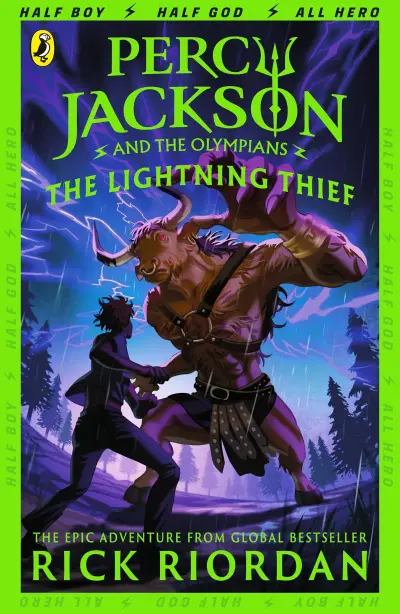
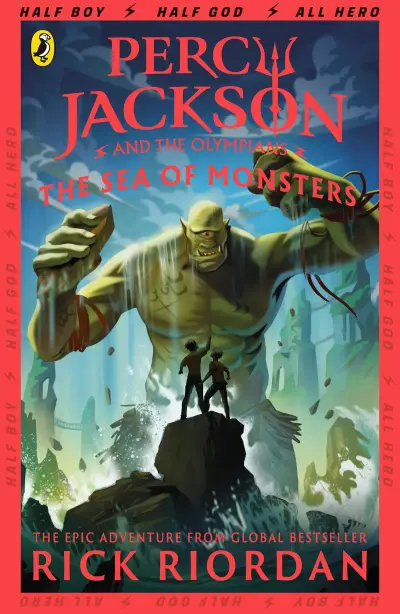
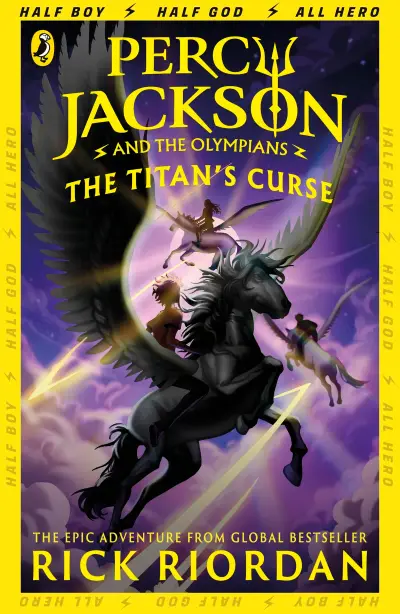
7 books · open the series →
About the author
Rick Riordan.
If you liked this
Three ways out of this book.
If you liked this, try…
Lateral matches. Same shelf, different texture.
Come into this from…
Easier or preparing reads — perfect lead-ins.
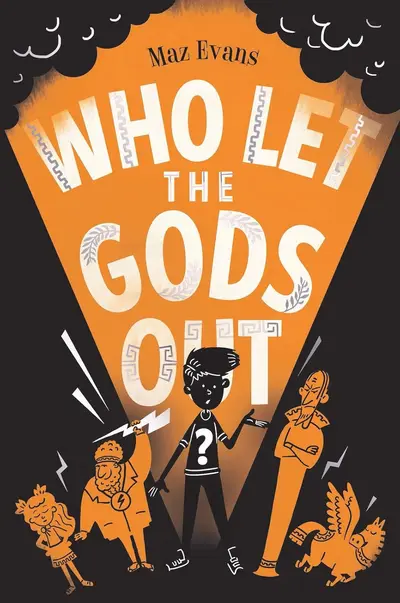
Where to go next…
Escalation reads — a step up in scale, silliness, or stakes.