- Chapter Books
- Ages 9–13
- Fantasy
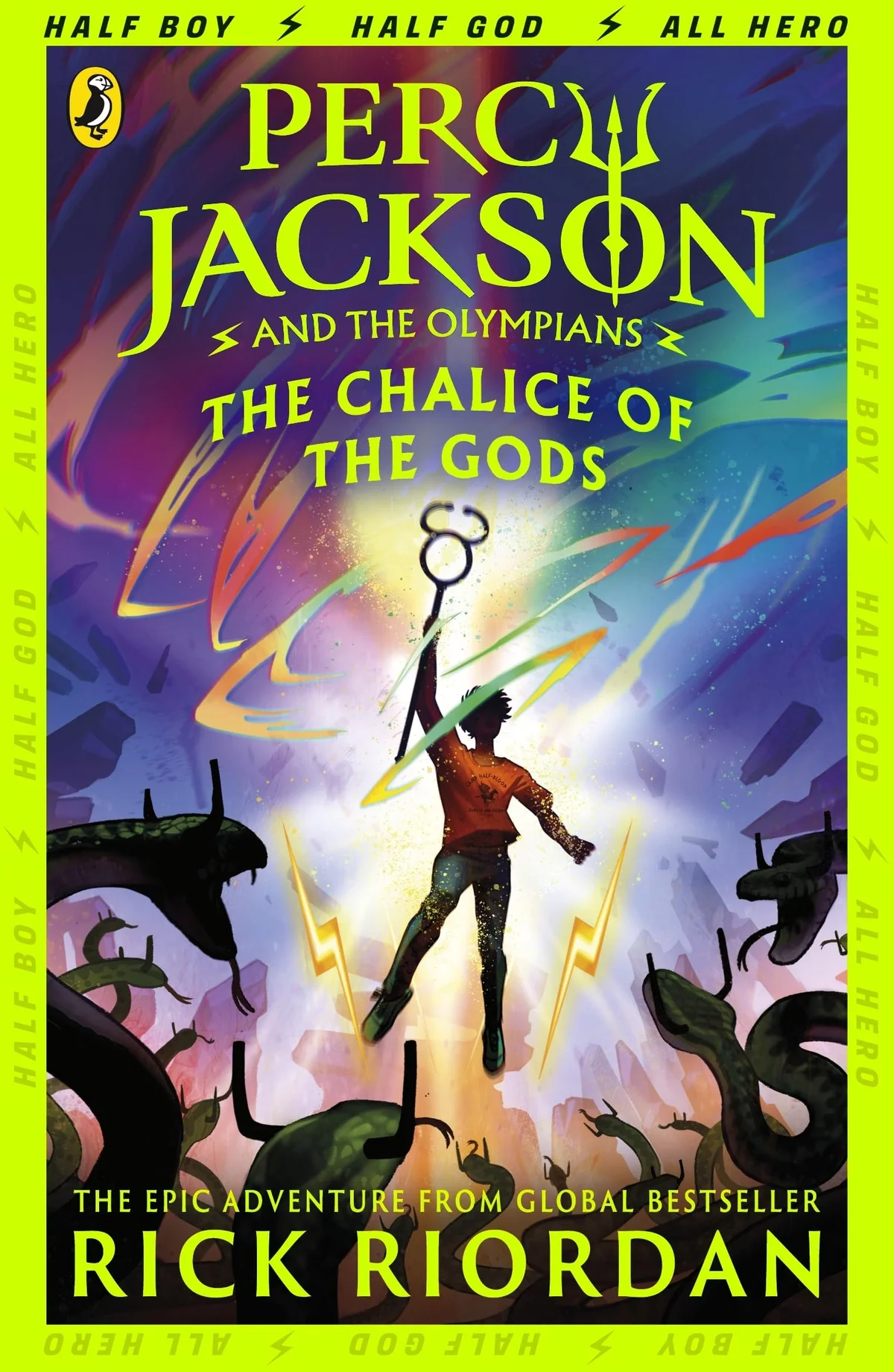
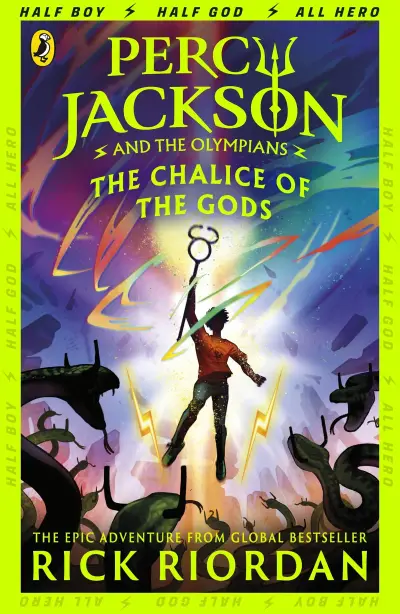
Percy Jackson and the Olympians: The Chalice of the Gods
Affiliate links — buy through these retailers and we earn a small commission, at no extra cost to you.
Book 6 in Percy Jackson and the OlympiansView the full series
Part of the Percy Jackson universeOpen the collection
A lighter return to Percy, Annabeth and Grover, built around college recommendation quests rather than world-ending war. Best for existing fans who want comfort, humour and a lower-stakes reunion with the original trio.
- Best for9–13
- FormatChapter
- Length288 pp
- Read aloud~4 hr5 min
Affiliate links — buy through these retailers and we earn a small commission, at no extra cost to you.
The vibe
What it’s like.
Style
- Conversational
- Comedic
Tone
- Funny
- Adventurous
- Exciting
- Warm
- Irreverent
Themes
Experience meters
What’s it about?
The story.
Percy has saved the world more than once, but getting into university turns out to be its own kind of divine nightmare. To earn recommendation letters from the gods, he has to take on new quests during his senior year, starting with recovering Ganymede's missing chalice before the gods discover it is gone. The Chalice of the Gods is much lighter than the original series finale, deliberately returning to the humour, friendship and everyday absurdity of Percy trying to survive school while mythological nonsense interrupts his life. It is best understood as the first of the senior-year adventures rather than a fresh starting point for new readers. For established fans, though, it is a warm, accessible and funny re-entry into the world, with the original trio together and the stakes personal rather than apocalyptic.
Fit check
Right for your child?
Where it lands by age
- 1
- 3
- 5
- 7
- 9
- 11
- 13
- Best fit · 9–13
- Read aloud · 8–12
- Independent · 9–13
Prose load
Moderate
Visual support
None
Reluctant-reader friendly
Very
Read-aloud quality
Strong
Works well for
- Reading aloud
- Reluctant readers
Nothing in the book is likely to concern most parents. Safe to recommend without preview.
Bedtime suitability
3 / 5 · Workable
Sensitive-child
3 / 5 · Mostly fine
Graphic intensity
1 / 5 · None
Best for
- Senior year adventure
- Original trio
- Comfort return
- Modern mythology
- Low stakes quest
Avoid if
- Has not read original series
- Wants apocalyptic stakes
- Prefers new cast
Particularly good for children who are…
- Neurodiversity or learning differences
- Reluctant reader
- Moving to secondary school
In the classroom
How it works in school.
Rick Riordan's blockbuster Greek-mythology adventures — a free-read phenomenon that's also a brilliant hook into myths and legends.
A book children love that happens to support school — never a stand-in for the texts a class is taught with. Reviewed for the classroom · June 2026.
Why it lands
Why they love it.
Why kids love it
The specific pleasure is reunion — Percy, Annabeth and Grover back together as older teenagers, the world saved, the stakes finally human-sized. A reader who grew up with the original five gets to spend time with their old friends without the prophecy-and-doom weight. Comfort reading for a generation.
- Going on a quest
- Magic powers
- Making a difference
- Proving yourself
- Secret world
Why parents love it
The Percy Jackson for a child who's finished the original five and is grieving the ending — Riordan returns to Percy years later, college-application quests instead of world-ending war. Lighter, warmer, and the right next-step. Not a starting point; pleasure is entirely in knowing the cast already.
- Nostalgia
- Shared humour
- Quick to read
- Conversation starter
In the series
Percy Jackson and the Olympians.
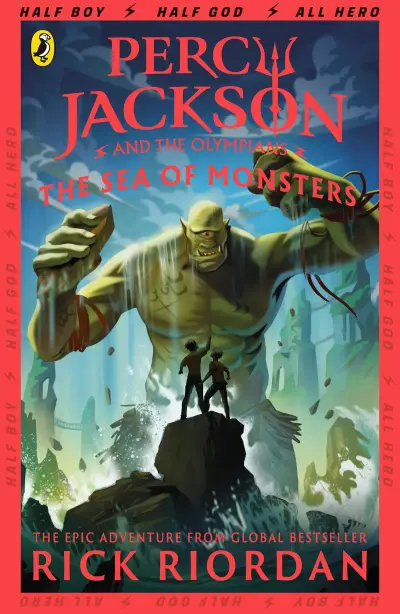
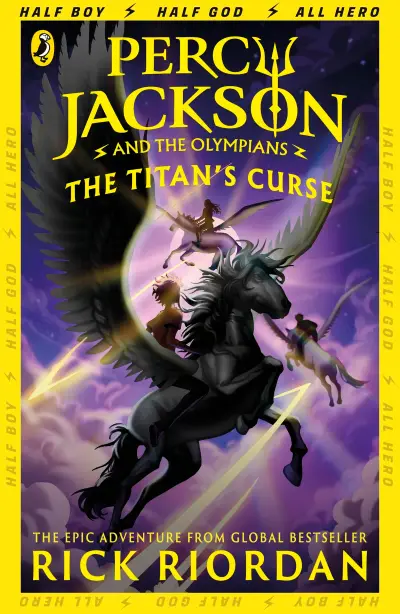
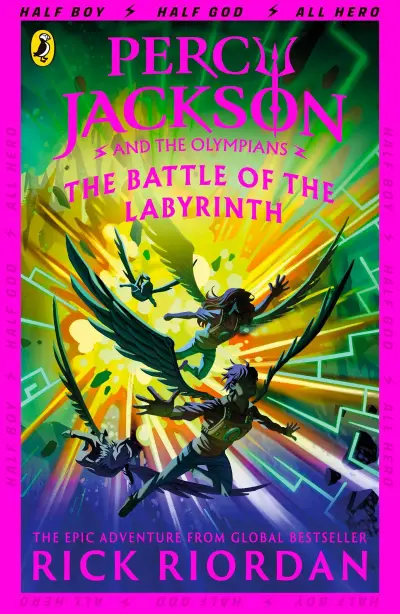
7 books · open the series →

About the author
Rick Riordan.
If you liked this
Three ways out of this book.
If you liked this, try…
Lateral matches. Same shelf, different texture.
Come into this from…
Easier or preparing reads — perfect lead-ins.
Where to go next…
Escalation reads — a step up in scale, silliness, or stakes.
More like this…
Books that share themes and topics with this one.