- Picture Books
- Ages 3–6
- Fables
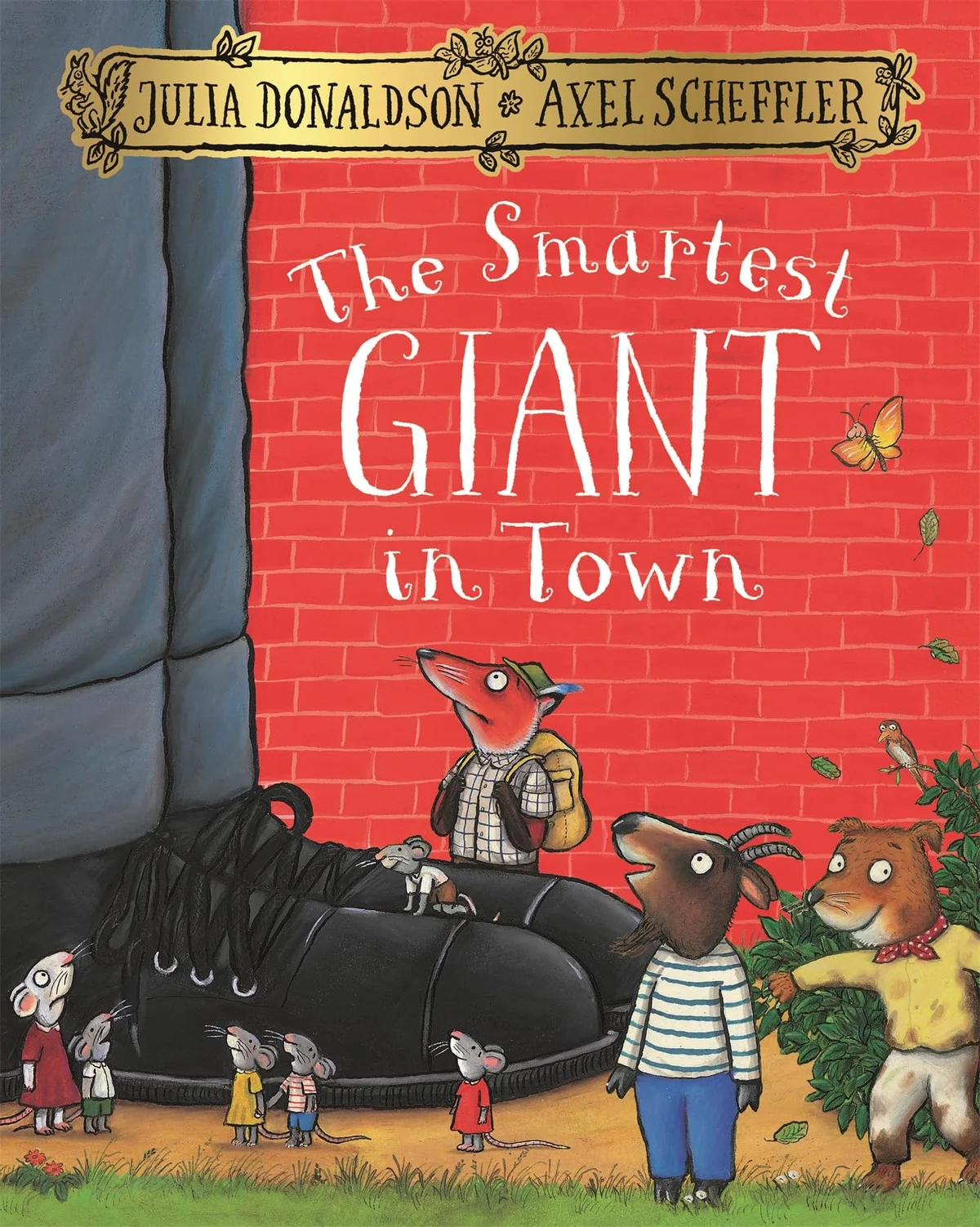
The Smartest Giant in Town
Affiliate links — buy through these retailers and we earn a small commission, at no extra cost to you.
Part of Julia Donaldson & Axel SchefflerView the full series
Part of the Julia Donaldson universeOpen the collection
A generous, feel-good fable about a scruffy giant who buys smart clothes and then gives them away to animals in need.
- Best for3–6
- FormatPicture
- Length32 pp
- Read aloud~6 min
Affiliate links — buy through these retailers and we earn a small commission, at no extra cost to you.
The vibe
What it’s like.
Style
- Rhyming
- Repetitive
- Conversational
Tone
- Warm
- Funny
- Heartwarming
- Gentle
- Cosy
Themes
Experience meters
What’s it about?
The story.
George the giant is tired of being scruffy, so he buys himself a smart new outfit and proudly sets off through town. But one by one he meets animals with problems: a giraffe with a cold neck, a goat needing a sail, mice who need a house and others who could use exactly the clothes George has just bought. By the end, George no longer looks smart, but he has become something much better: kind, useful and loved. The Smartest Giant in Town is a simple, big-hearted fable about generosity and what really matters. Julia Donaldson's repeated song-like refrain makes it easy to join in, while Axel Scheffler's illustrations give George warmth and comic dignity. It is especially good for bedtime, classroom kindness themes and children who enjoy helping stories with a satisfying emotional payoff.
Fit check
Right for your child?
Where it lands by age
- 1
- 3
- 5
- 7
- 9
- 11
- 13
- Best fit · 3–6
- Read aloud · 2–7
- Independent · 5–7
Prose load
Light
Visual support
Very high
Reluctant-reader friendly
Very
Read-aloud quality
Excellent
Works well for
- Reading aloud
- Bedtime
- Reading together
- Reluctant readers
Nothing in the book is likely to concern most parents. Safe to recommend without preview.
Bedtime suitability
5 / 5 · Bedtime-friendly
Sensitive-child
4 / 5 · Good fit
Graphic intensity
1 / 5 · None
Best for
- Kindness
- Generosity
- Cosy read aloud
- Helping others
- Gentle bedtime
Avoid if
- Wants high action
- Prefers mischievous baddies
Particularly good for children who are…
- Making friends
- Reluctant reader
- Low self esteem
In the classroom
How it works in school.
Julia Donaldson and Axel Scheffler's modern rhyming classics — the gold standard of join-in read-alouds, ideal for prediction, sequencing and performing.
A book children love that happens to support school — never a stand-in for the texts a class is taught with. Reviewed for the classroom · June 2026.
Why it lands
Why they love it.
Why kids love it
The specific pleasure is the song — George's refrain ('I'm the smartest giant in town') gets shorter and shorter as he gives away each piece of clothing, and a three-year-old chants along by the third verse. The animals' party at the end gives the kindness a payoff a small child genuinely feels.
- Making a difference
- Friendship and belonging
- Family belonging
Why parents love it
Donaldson's purest 'kindness pays off' picture book — explicit moral, but earned through warm-hearted plotting and a chant-along refrain. The illustrations of George getting smaller and smaller while the animals get cosier are quietly perfect. Used in nearly every Reception PSHE lesson for exactly this reason.
- Bedtime appropriate
- Conversation starter
- Shared humour
- Quick to read
In the series
Julia Donaldson & Axel Scheffler.
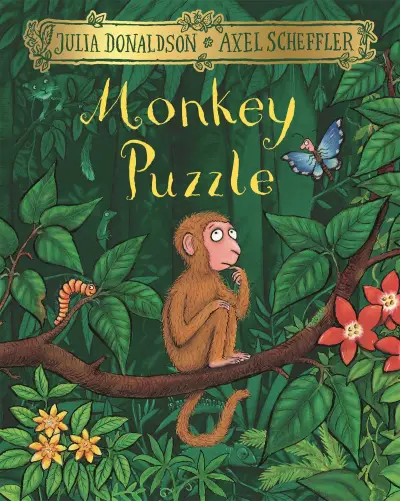
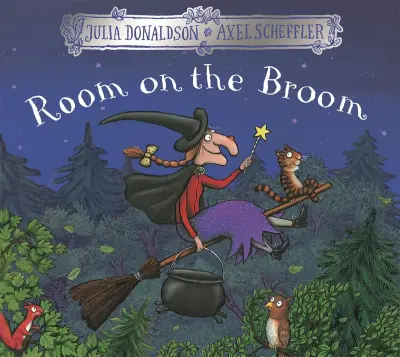
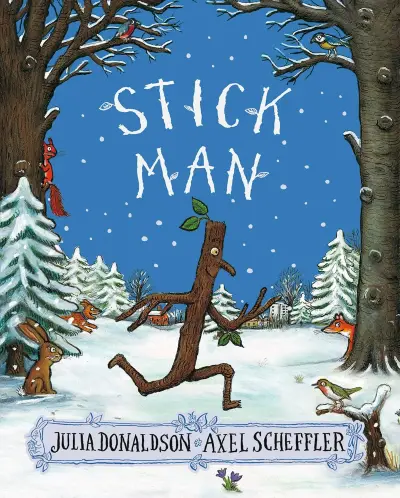
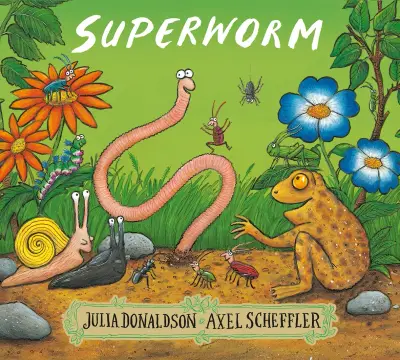
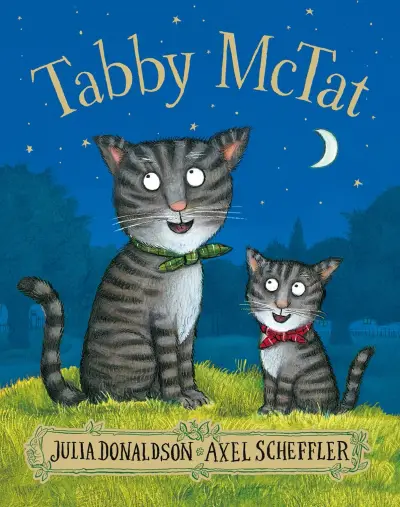
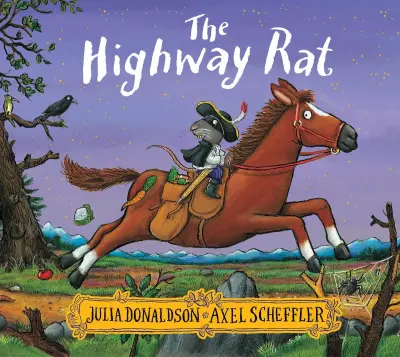
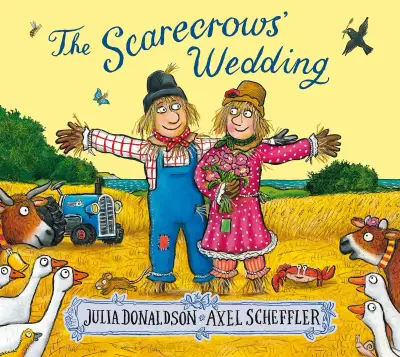
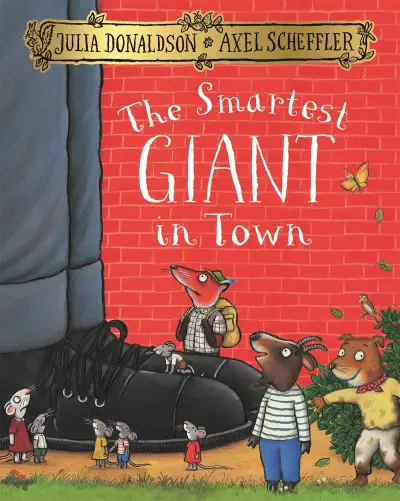
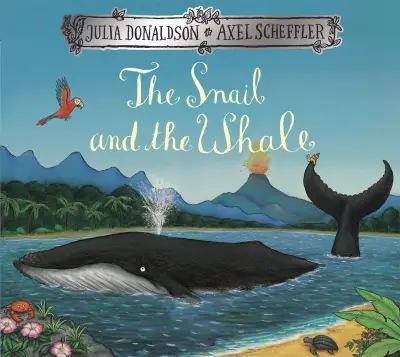
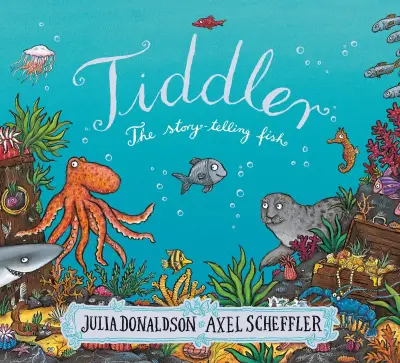
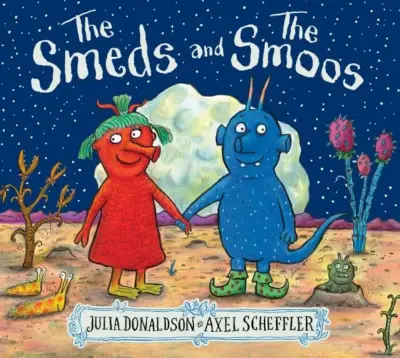
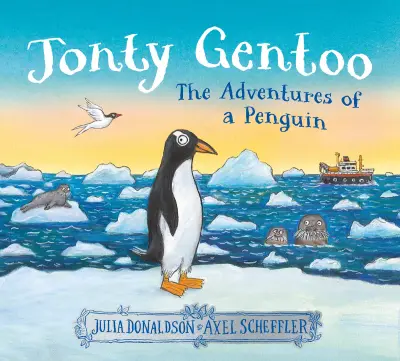
14 books · open the series →
About the creators
About the creators.
If you liked this
Three ways out of this book.
If you liked this, try…
Lateral matches. Same shelf, different texture.
Come into this from…
Easier or preparing reads — perfect lead-ins.
Where to go next…
Escalation reads — a step up in scale, silliness, or stakes.