- Graphic Novels
- Ages 7–12
- Fantasy
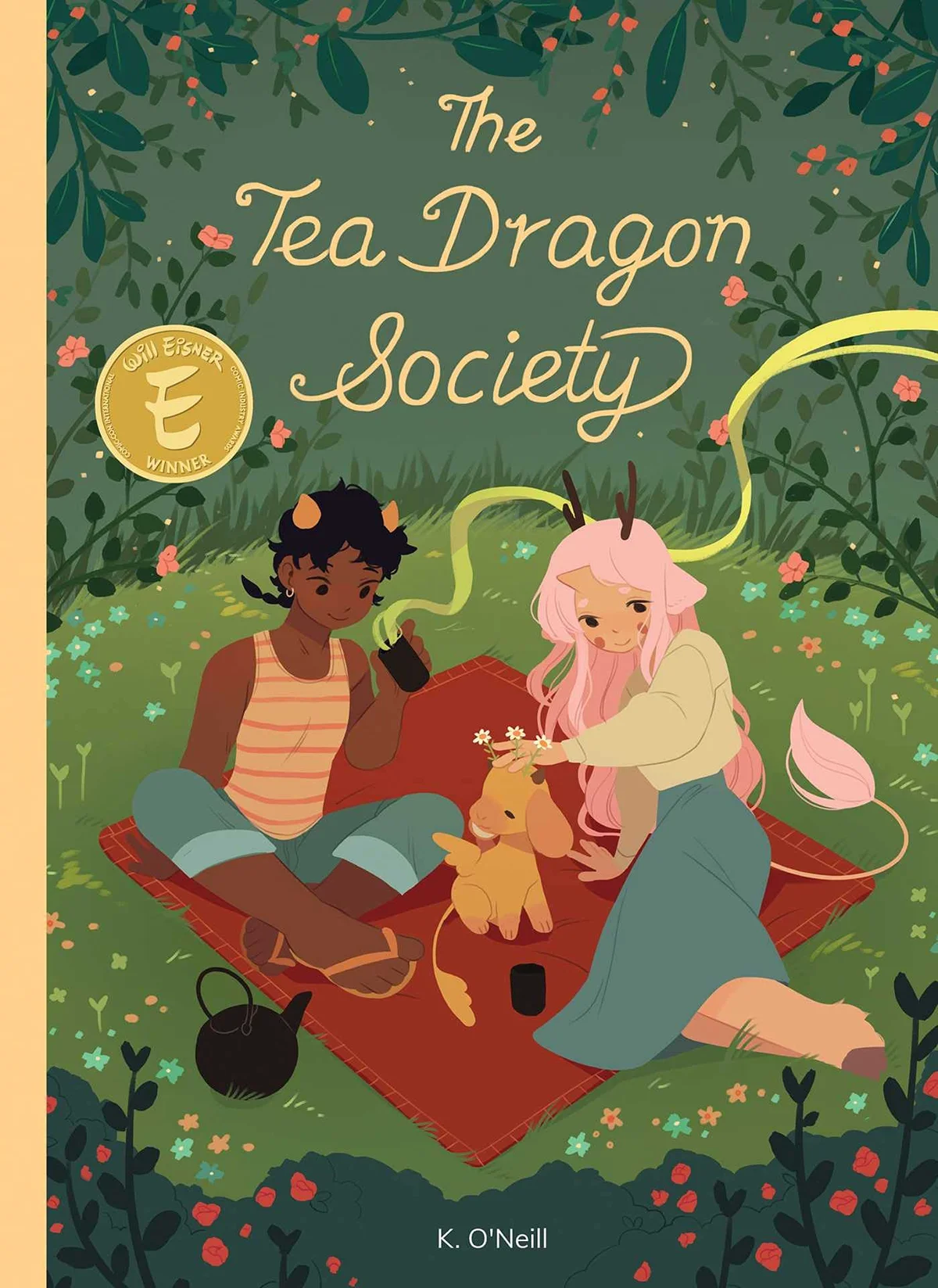
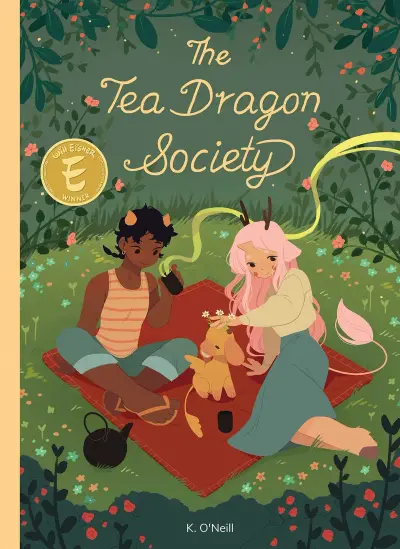
The Tea Dragon Society
Affiliate links — buy through these retailers and we earn a small commission, at no extra cost to you.
Book 1 in The Tea Dragon SeriesView the full series
A beautifully gentle fantasy graphic novel about craft, care, friendship and tiny tea-growing dragons. Ideal for children who want magic without menace, and for adults who value inclusive, cosy storytelling with exceptional artwork.
- Best for7–12
- FormatGraphic
- Length72 pp
- Read aloud~34 min
Affiliate links — buy through these retailers and we earn a small commission, at no extra cost to you.
The vibe
What it’s like.
Style
- Conversational
Tone
- Warm
- Gentle
- Cosy
- Heartwarming
- Whimsical
Themes
Experience meters
What’s it about?
The story.
Greta is a young blacksmith apprentice who discovers a lost tea dragon in the marketplace and is drawn into the almost-forgotten art of tea dragon care. These tiny dragons grow tea leaves from their horns, but looking after them requires patience, attention and a willingness to value slow, delicate things. Through Hesekiel, Erik, Minette and the dragons themselves, Greta begins to understand a different kind of craft from blacksmithing: one rooted in memory, companionship and care. The story is short, visually rich and emotionally soothing, with a cast that feels inclusive without turning representation into a lesson. It works especially well for readers who like fantasy creatures, quiet friendships and gentle graphic novels rather than battles or big peril. As the first and most iconic Tea Dragon book, it is the natural entry point for the series.
Fit check
Right for your child?
Where it lands by age
- 1
- 3
- 5
- 7
- 9
- 11
- 13
- Best fit · 7–12
- Read aloud · 5–10
- Independent · 7–12
Prose load
Light
Visual support
Very high
Reluctant-reader friendly
Very
Read-aloud quality
Strong
Works well for
- Reading aloud
- Bedtime
- Gift-buying
- Reluctant readers
Nothing in the book is likely to concern most parents. Safe to recommend without preview.
Bedtime suitability
5 / 5 · Bedtime-friendly
Sensitive-child
4 / 5 · Good fit
Graphic intensity
1 / 5 · None
Best for
- Cosy fantasy
- Tea dragons
- Gentle graphic novel
- Inclusive cast
- Beautiful artwork
Avoid if
- Wants high action
- Prefers joke driven books
- Dislikes very gentle pacing
Particularly good for children who are…
- Interested in art and creativity
- Making friends
- Anxiety and worry
- Reluctant reader
In the classroom
How it works in school.
A gentle, gorgeous fantasy graphic-novel series about community and belonging — a cosy reluctant-reader pick that opens warm talk about identity and kindness.
A book children love that happens to support school — never a stand-in for the texts a class is taught with. Reviewed for the classroom · June 2026.
Why it lands
Why they love it.
Why kids love it
The specific delight is the dragons themselves — tiny creatures growing tea leaves from their horns, the leaves taking their flavour from the keeper's memories, Greta the blacksmith apprentice falling into a near-lost art that asks for patience instead of strength. The Tea Dragon opener for any child who wants magic without menace.
- Animal companions
- Friendship and belonging
- Magic powers
- Secret world
Why parents love it
The K. O'Neill series opener — gentle queer-friendly fantasy graphic novel, inclusive cast woven in rather than announced, art that's the whole emotional channel. The natural entry point. Reliable for readers who want cosy rather than peril.
- Beautiful illustrations
- Conversation starter
- Bedtime appropriate
- Cultural representation
In the series
The Tea Dragon Series.
3 books · open the series →
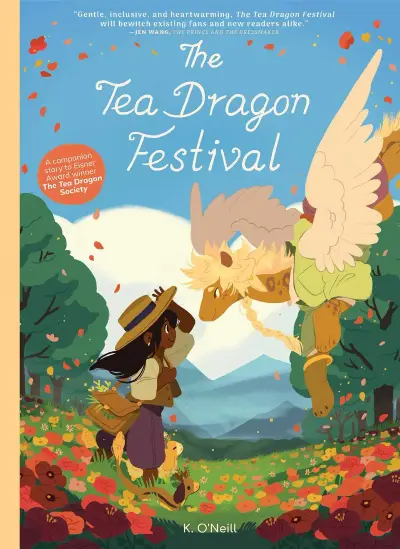
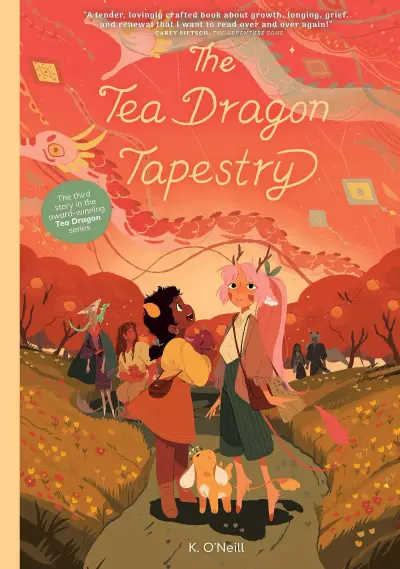
About the author & illustrator
K. O'Neill.
If you liked this
Three ways out of this book.
If you liked this, try…
Lateral matches. Same shelf, different texture.
Come into this from…
Easier or preparing reads — perfect lead-ins.
Where to go next…
Escalation reads — a step up in scale, silliness, or stakes.
More like this…
Books that share themes and topics with this one.