- Comedy
- The Crayons collection
- Ages 3–8
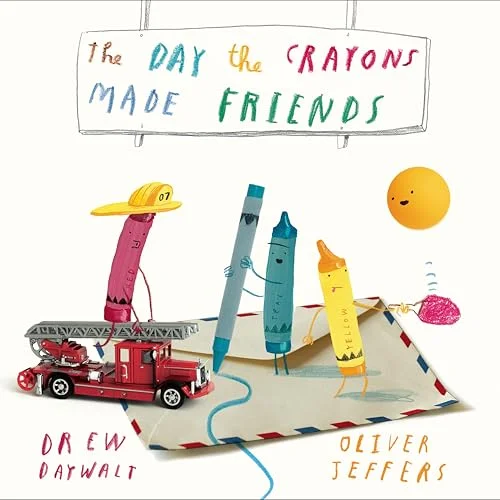
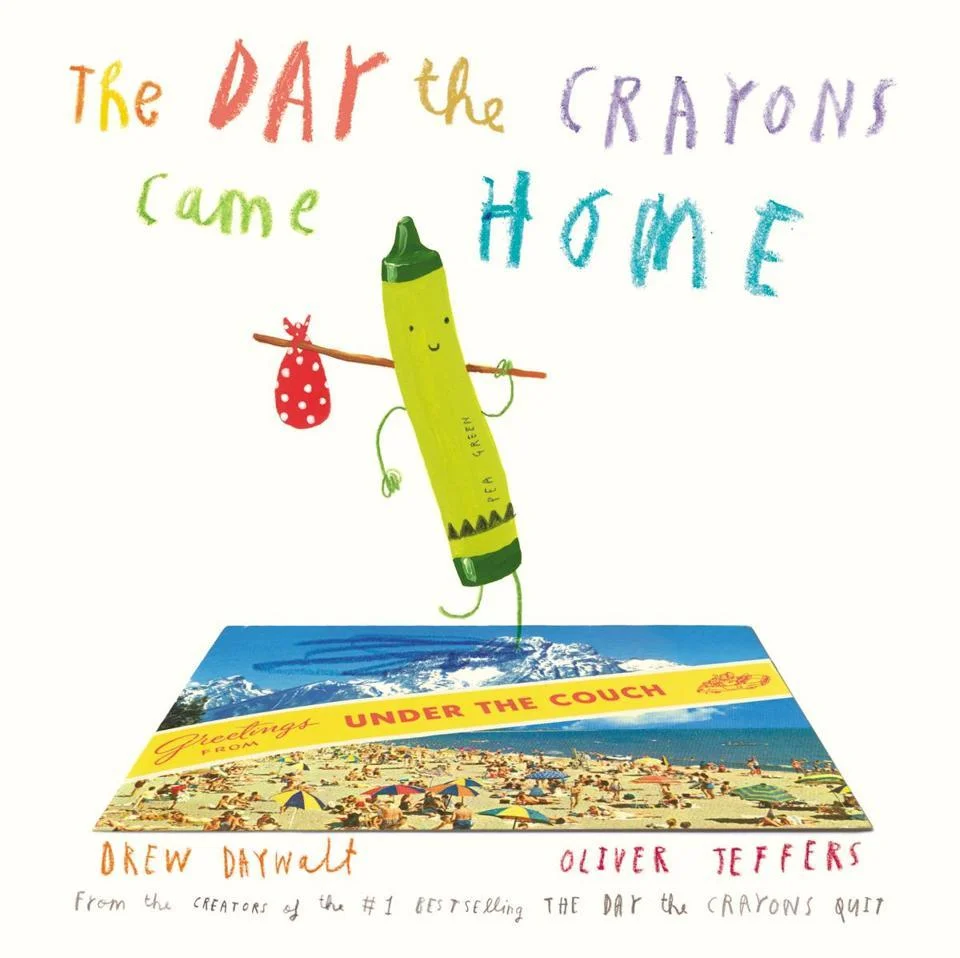
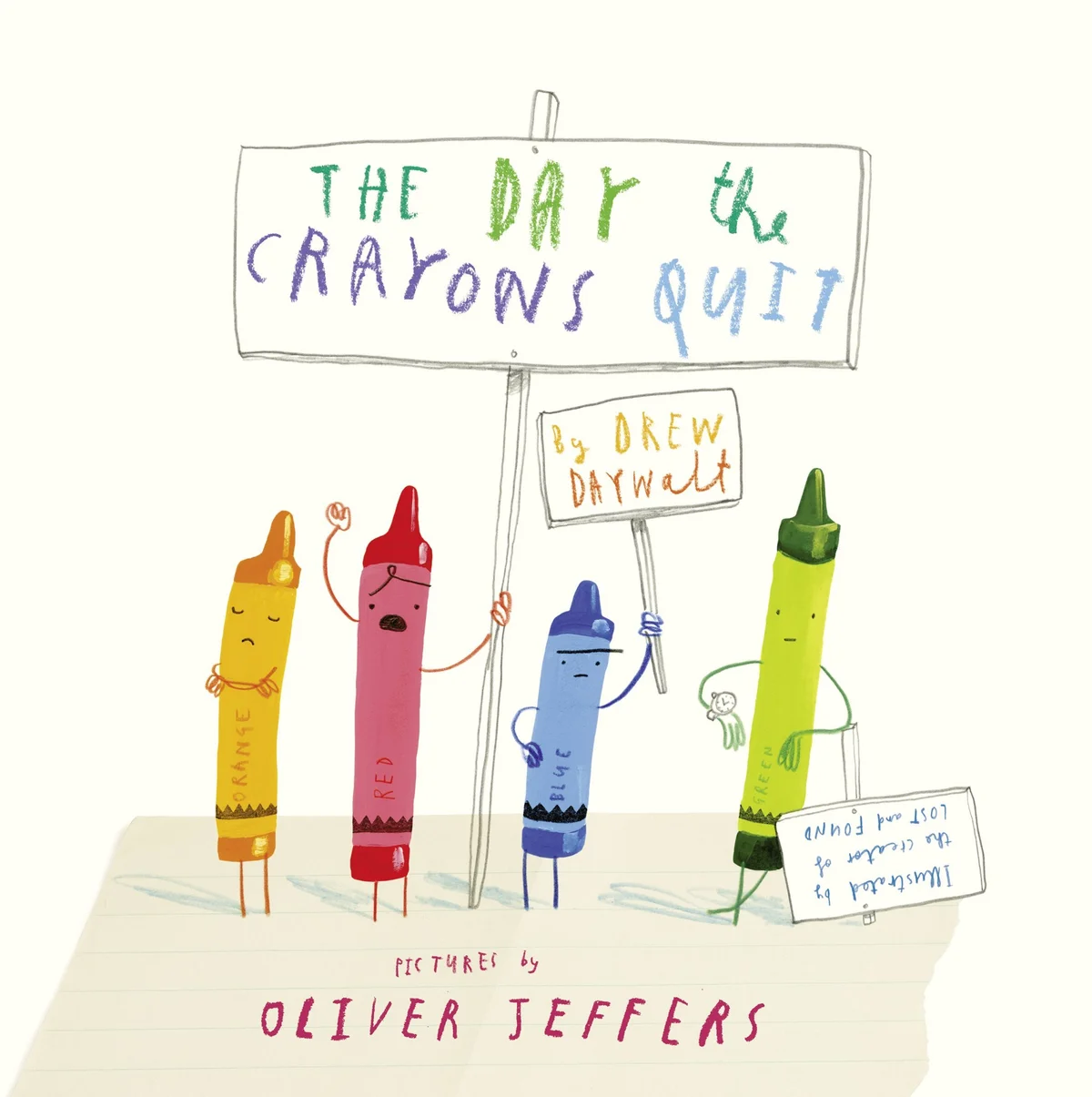
The Crayons
Part of the collectionThe Crayons→The core epistolary trilogy, letters, postcards and new friendships from opinionated crayons, and some of the best read-aloud comedy in picture books.
- Books3
- Arcs1
- Span2013–2023
- StatusOngoing
The series
At a glance.
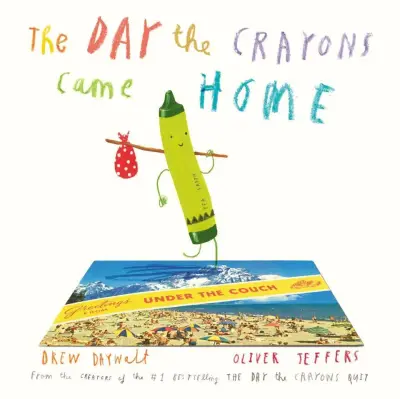
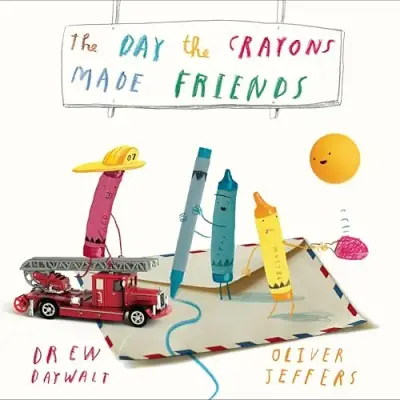
The core Crayons series is Drew Daywalt and Oliver Jeffers' epistolary comedy trilogy. The Day the Crayons Quit turns Duncan's pencil case into a workplace drama, each crayon writing a letter of complaint, overworked red, unused white, put-upon beige. The Day the Crayons Came Home shifts the format to postcards from lost, broken and abandoned crayons, adding a rescue-quest structure and a vein of genuine wistfulness. The Day the Crayons Made Friends brings new colours into the box, warming the register with a light message about making room for people who are different. Across all three, distinct comic voices and Jeffers' deadpan illustration make these exceptional read-alouds that reward re-reading. Funny for adults and children in equal measure.
The core epistolary trilogy, letters, postcards and new friendships from opinionated crayons, and some of the best read-aloud comedy in picture books.
Primary themes
Overall tone
- Funny
- Silly
- Warm
- Irreverent
Read The Day the Crayons Quit first; the sequels land best once children know the crayon personalities and the letter format.
One arc
The shape of the series.
- IStandalone collection arcBooks 1–3 · 2013–2023Low sensitivity
The crayons speak up
Three epistolary picture books of crayon complaints, postcards and new friendships.
The core trilogy works as one comic collection rather than a plot-progressive series. The Day the Crayons Quit is the essential entry, built on crayon complaints and the comic justice of each colour getting its say. The Day the Crayons Came Home expands the conceit through postcards from lost crayons and a light rescue quest, with a wistful undertow. The Day the Crayons Made Friends brings new colours into the box for a warmer register about difference and belonging. Low sensitivity throughout, conflict is handled through humour and letter-writing rather than any threat, and every book is a superb read-aloud. Its lasting value is helping children enjoy other perspectives while laughing at the sheer bossiness of stationery.
Fit check
Right for your reader?
Where the series lands by age
- 1
- 3
- 5
- 7
- 9
- 11
- 13
- 15
- 17
- 19
- Best fit · 3–8
- Read aloud · 3–8
- Independent · 5–8
Reluctant-reader friendliness
High
Read-aloud quality
Excellent
Adult crossover
High
Grows with the reader
Not especially
Sensitivity envelope
Low overall, and consistent.
In the same universe
Sister series.
Where it sits
In conversation with other series.
About the author