- Picture Books
- Ages 3–7
- Comedy
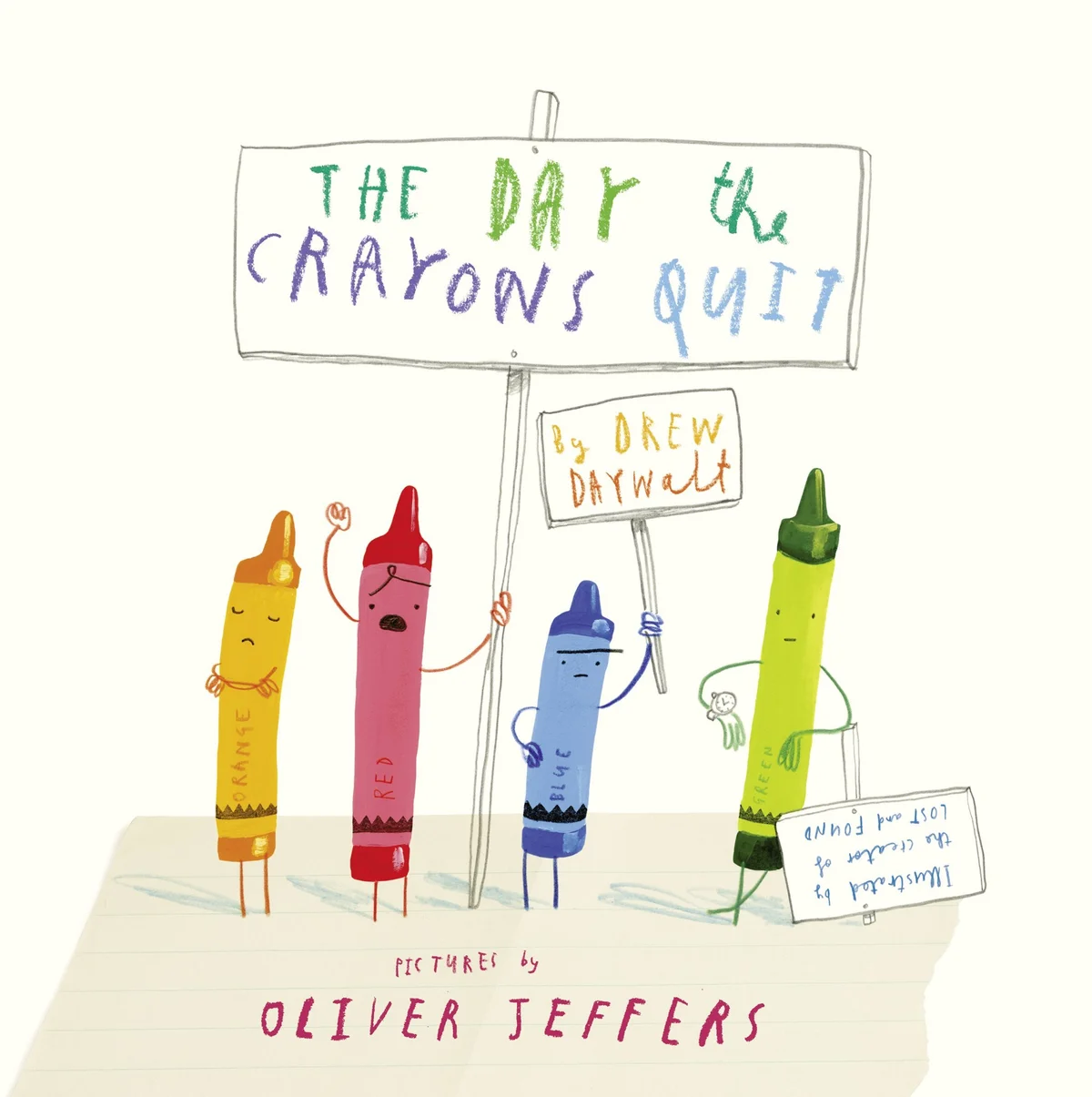
The Day the Crayons Quit
Affiliate links — buy through these retailers and we earn a small commission, at no extra cost to you.
Book 1 in The CrayonsView the full series
Duncan's crayons have had enough. They've gone on strike, and each one has written him a letter explaining exactly why. Drew Daywalt and Oliver Jeffers' comedy masterpiece: a picture book that turns a pencil case into a workplace drama, and is funny for adults and children in equal measure.
- Best for3–7
- FormatPicture
- Length48 pp
- Read aloud~10 min
Affiliate links — buy through these retailers and we earn a small commission, at no extra cost to you.
The vibe
What it’s like.
Style
- Epistolary
- Conversational
- Comedic
Tone
- Funny
- Silly
- Warm
- Irreverent
- Absurdist
- Thought provoking
Themes
Experience meters
What’s it about?
The story.
Duncan opens his crayon box one day to find it full of letters. Red crayon is exhausted, he has to do all of Christmas and Valentine's Day himself. Beige crayon is upset about being called 'wheat' and never being chosen for the good stuff. White crayon would like to be used at some point. Pink crayon objects to drawing princesses exclusively. Each crayon has a grievance, a voice, and a point, and Drew Daywalt's genius is in making every complaint both completely ridiculous and completely fair. Oliver Jeffers' illustrations treat each crayon with equal visual comedy, deadpan expressions on waxy sticks, and the epistolary format lets the book perform its own structure: it is made of letters, and it reads as letters, and children can follow the conceit entirely. One of the most popular picture books of the 2010s: a genuine crossover hit that adults will find as funny as children, and which rewards re-reading as each crayon's complaint gets its own layer of recognition. The entry point for an enormous franchise, and a book that earns its reputation.
Fit check
Right for your child?
Where it lands by age
- 1
- 3
- 5
- 7
- 9
- 11
- 13
- Best fit · 3–7
- Read aloud · 3–8
- Independent · 5–8
Prose load
Moderate
Visual support
Very high
Reluctant-reader friendly
Very
Read-aloud quality
Excellent
Works well for
- Reading aloud
- Reading together
- Gift-buying
- Reluctant readers
Nothing in the book is likely to concern most parents. Safe to recommend without preview.
Bedtime suitability
3 / 5 · Workable
Sensitive-child
4 / 5 · Good fit
Graphic intensity
1 / 5 · None
Best for
- Laugh out loud
- Discussion starter
- Gift book
- Read aloud performance
- Art lovers
Avoid if
No common reasons to avoid this one — a rare clean sweep on the sensitivity flags.
Particularly good for children who are…
- Interested in art and creativity
- Reluctant reader
- Anger management
- Making friends
In the classroom
How it works in school.
A comic read-aloud and a gift for writing — the crayons' letters of complaint are a model for persuasion and for writing from a distinct point of view.
A book children love that happens to support school — never a stand-in for the texts a class is taught with. Reviewed for the classroom · June 2026.
Why it lands
Why they love it.
Why kids love it
The specific delight is each crayon's grievance — Red exhausted from doing all the Christmas, Beige bitter about being only used for wheat, Pink fed up with princesses. A five-year-old gets the satisfying joke of objects with feelings, all completely ridiculous and completely fair.
- Trickery and cleverness
- Making a difference
- Having a nemesis
- Friendship and belonging
Why parents love it
The picture book that turns a pencil case into workplace-grievance comedy — Daywalt's letters voiced by individual crayons, Jeffers's deadpan illustrations. Genuinely funny on read-aloud, repeatedly. The book that powered an entire franchise.
- Shared humour
- Conversation starter
- Quick to read
- Great writing
In the series
The Crayons.
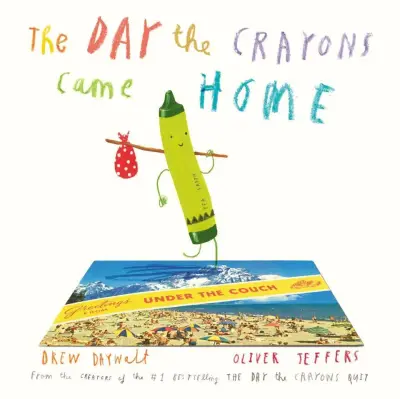
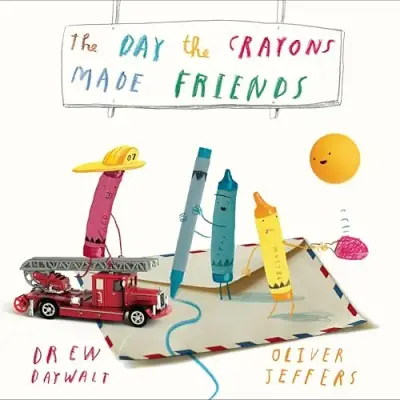
3 books · open the series →
About the creators
About the creators.
If you liked this
Three ways out of this book.
If you liked this, try…
Lateral matches. Same shelf, different texture.
Come into this from…
Easier or preparing reads — perfect lead-ins.
Where to go next…
Escalation reads — a step up in scale, silliness, or stakes.
Where you’ll find it