- Illustrated Chapter Books
- Ages 8–12
- Comedy
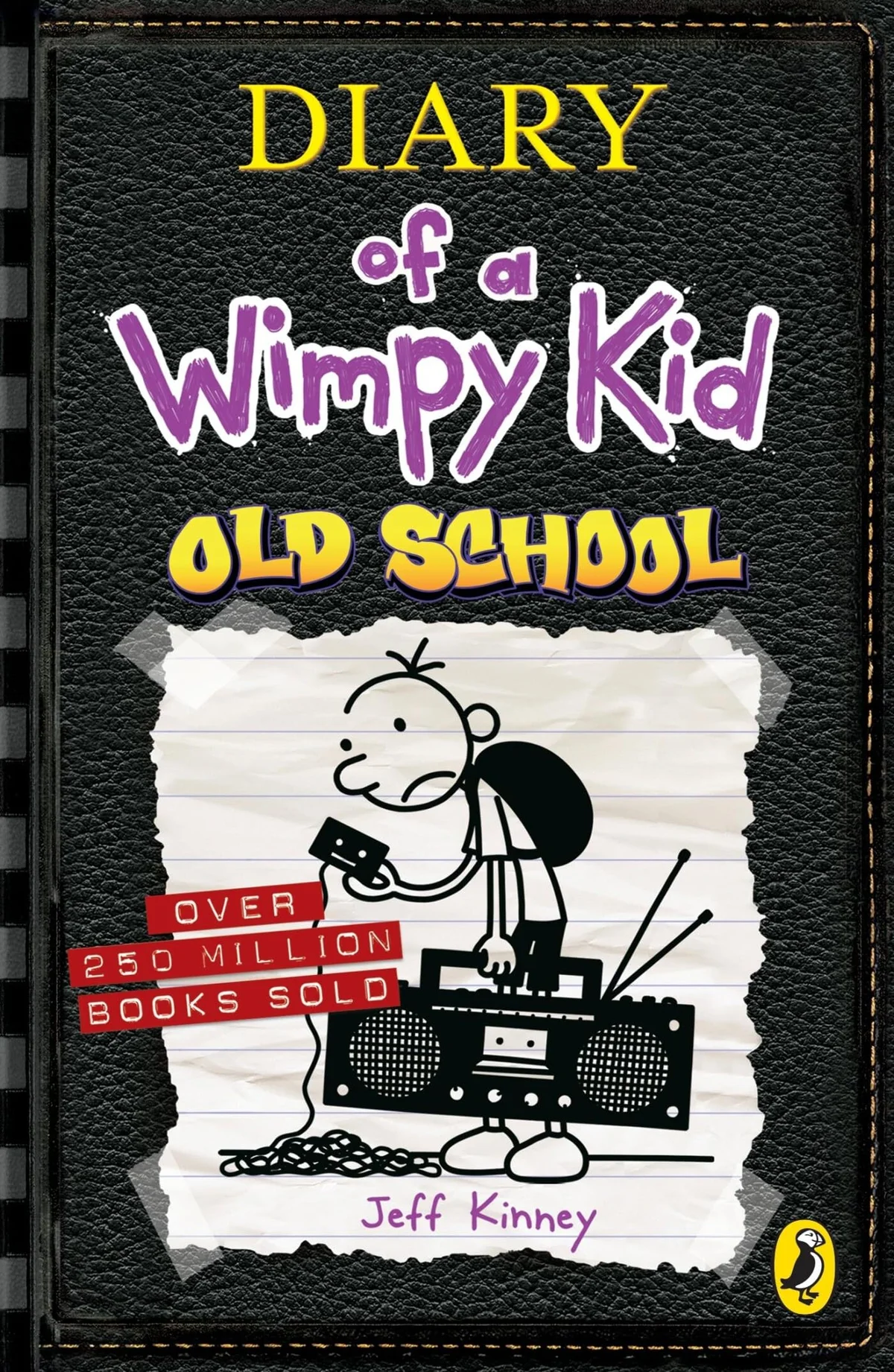
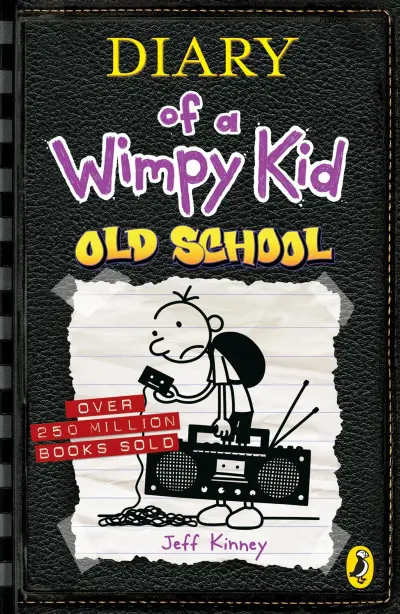
Diary of a Wimpy Kid: Old School
Affiliate links — buy through these retailers and we earn a small commission, at no extra cost to you.
Book 10 in Diary of a Wimpy KidView the full series
A tech-free, old-fashioned-world Wimpy Kid book that works well for conversations about screens, independence and whether life really was better before devices. It is still a comedy first, but the premise has useful parental resonance.
- Best for8–12
- FormatIllustrated
- Length240 pp
- Read aloud~3 hr25 min
Affiliate links — buy through these retailers and we earn a small commission, at no extra cost to you.
The vibe
What it’s like.
Style
- Conversational
- Comedic
Tone
- Funny
- Irreverent
- Silly
- Adventurous
Themes
Experience meters
What’s it about?
The story.
Greg Heffley's town decides to go old school. Adults are convinced that life was better before screens, gadgets and modern conveniences, and Greg is deeply unconvinced. When the community tries to unplug and return to a simpler way of living, Greg discovers that old-fashioned life is not nearly as charming as people make it sound. Things get worse when a school trip pushes him into even more low-tech discomfort. Old School is one of the Wimpy Kid books with the clearest parent-facing hook: it turns the screen-time debate into a comic nightmare for Greg. The diary format, cartoons and quick jokes keep it firmly child-centred, but adults will recognise the nostalgia-versus-reality joke running underneath. It is a strong discussion-starter for families without becoming preachy.
Fit check
Right for your child?
Where it lands by age
- 1
- 3
- 5
- 7
- 9
- 11
- 13
- Best fit · 8–12
- Read aloud · 7–11
- Independent · 8–12
Prose load
Moderate
Visual support
High
Reluctant-reader friendly
Very
Read-aloud quality
Strong
Works well for
- Reading aloud
- Reading together
- Gift-buying
- Reluctant readers
Nothing in the book is likely to concern most parents. Safe to recommend without preview.
Bedtime suitability
3 / 5 · Workable
Sensitive-child
4 / 5 · Good fit
Graphic intensity
1 / 5 · None
Best for
- Reluctant reader pick
- Screen time discussion
- School trip comedy
- Diary format
- Fish out of water
Avoid if
- Sensitive to school trip anxiety
- Wants kind role models
- Dislikes cringe humour
- Prefers fantasy or action
Particularly good for children who are…
- Reluctant reader
- Struggling with reading
- Anxiety and worry
- Moving to secondary school
In the classroom
How it works in school.
The definitive reluctant-reader gateway — a free-read favourite whose diary format also offers an accessible model for diary and recount writing.
A book children love that happens to support school — never a stand-in for the texts a class is taught with. Reviewed for the classroom · June 2026.
Why it lands
Why they love it.
Why kids love it
The specific recognition is being made to do something low-tech against your will — phones taken away, screens banned, adults insisting it'll be character-building. Greg is monumentally bad at unplugging, which is precisely why every nine-year-old reading it feels seen. The Wimpy Kid for a child mid-screen-time-argument with their parents.
- Breaking the rules safely
- Adventure and freedom
- Trickery and cleverness
- Being understood finally
- Surviving danger
Why parents love it
The Wimpy Kid to hand a child mid screen-time argument — Kinney satirises the unplug-the-kids project in both directions, so neither side feels lectured at. The book that becomes a conversation rather than a sermon. Useful if you'd like a child to think about screens without realising they're thinking about them.
- Shared humour
- Conversation starter
- Quick to read
- Nostalgia
In the series
Diary of a Wimpy Kid.
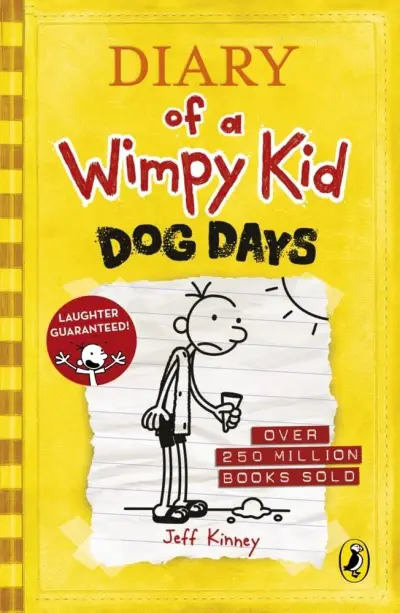
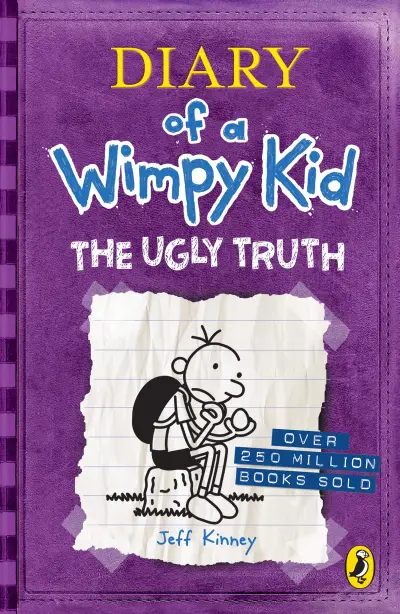
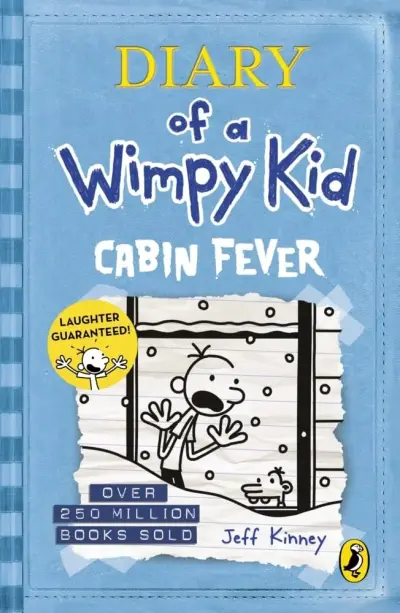
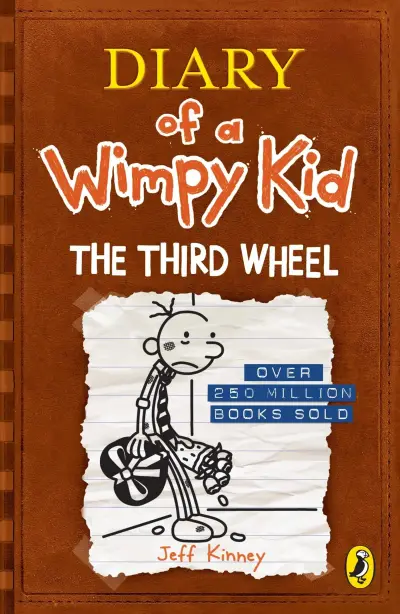
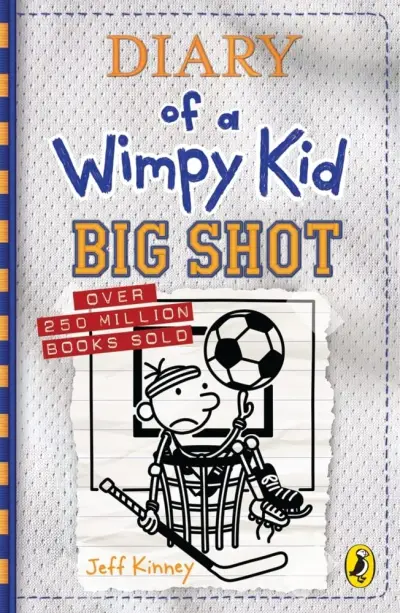
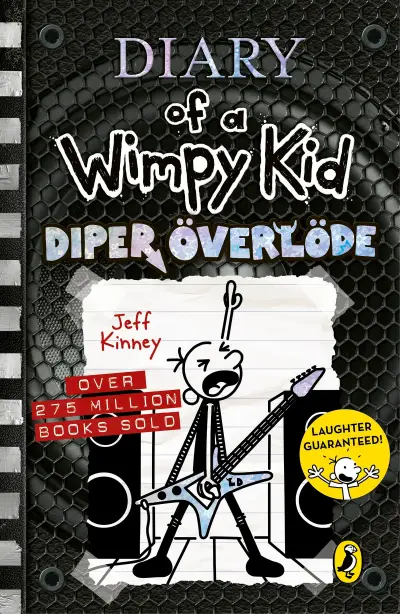
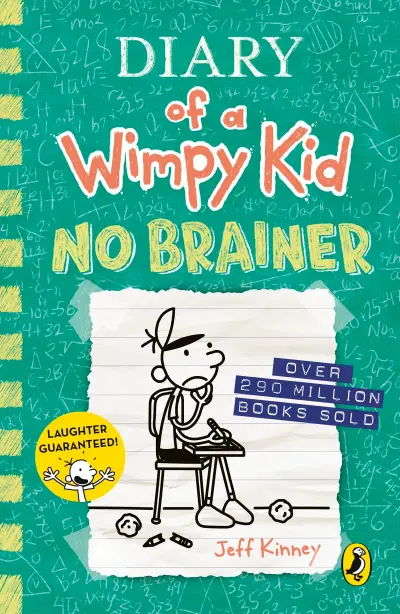
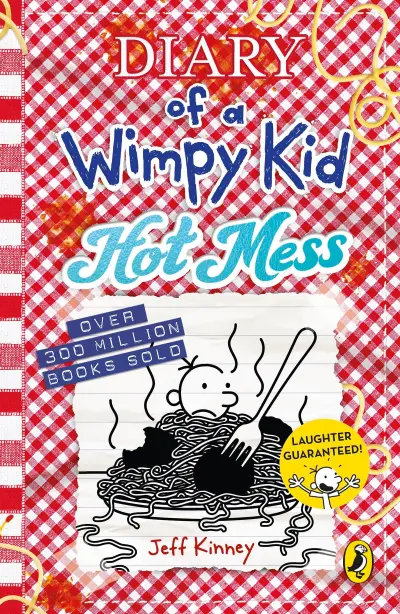
20 books · open the series →
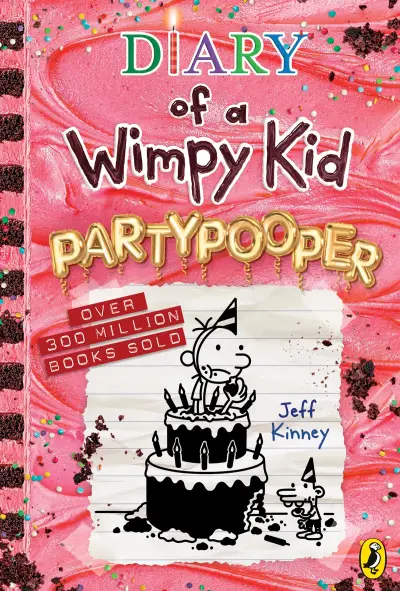
About the author & illustrator
Jeff Kinney.
If you liked this
Three ways out of this book.
If you liked this, try…
Lateral matches. Same shelf, different texture.
Come into this from…
Easier or preparing reads — perfect lead-ins.
Where to go next…
Escalation reads — a step up in scale, silliness, or stakes.
More like this…
Books that share themes and topics with this one.