Diary of a Wimpy Kid
Part of the collectionDiary of a Wimpy Kid→Best for reluctant or newly confident readers who want cartoons, short diary entries, school comedy, family chaos and lots of social embarrassment.
- Books20 / 20
- Arcs4
- Span2007–2025
- StatusOngoing
The series
At a glance.
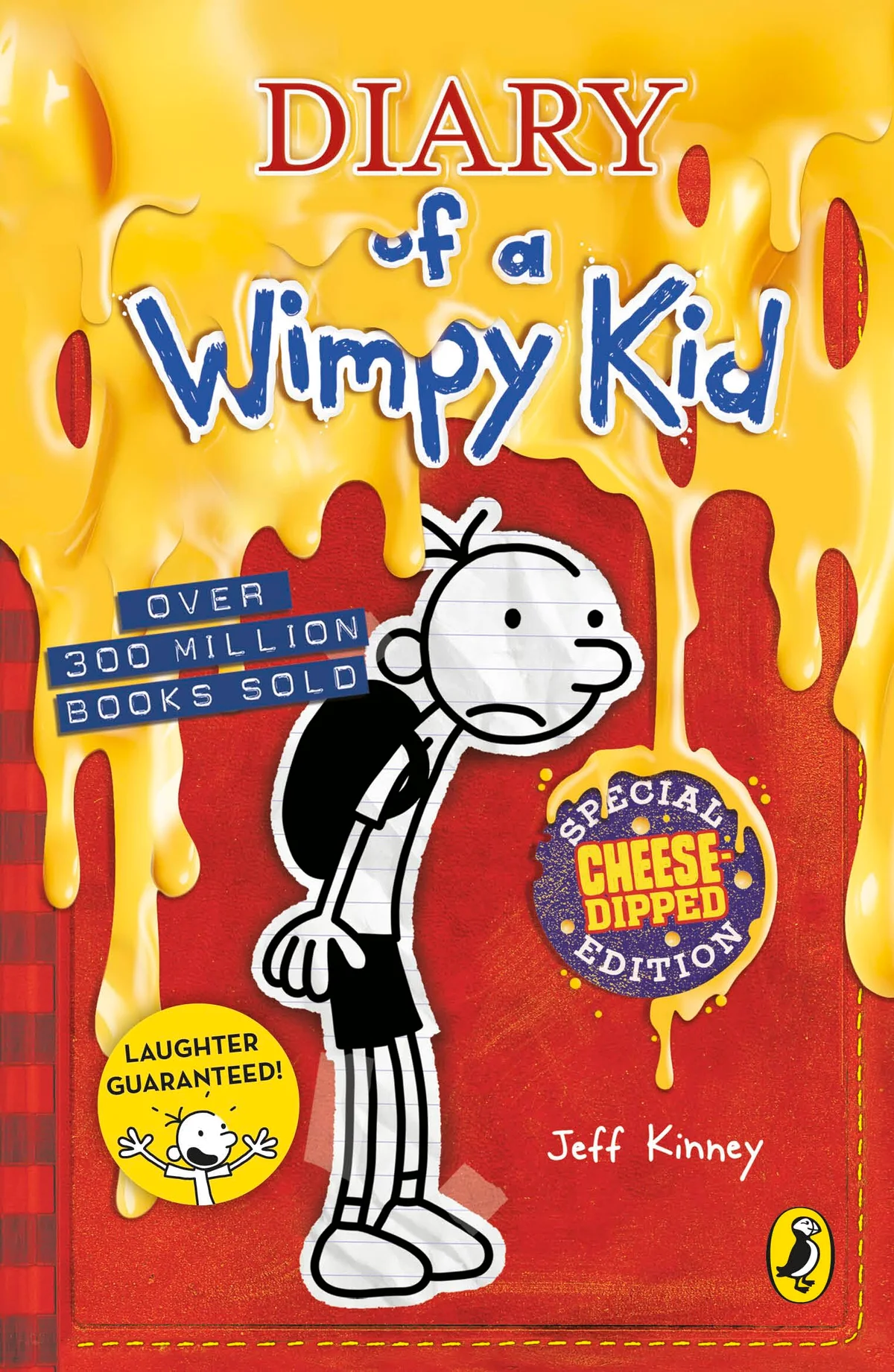
Diary of a Wimpy Kid is Jeff Kinney's illustrated diary-comedy series about Greg Heffley, whose school, family and friendship life is recorded in a voice that is funny because he so often misses the point. Across twenty seeded books, Greg deals with best-friend fallouts, sibling rivalry, growing up, school dances, family holidays, house disasters, sport, band life, school decline and messy family events. The format is the secret weapon: short entries, cartoons, visual jokes and constant social humiliation make the books feel much lighter than their page counts suggest. Greg is not a model child, and that is exactly why children recognise the comedy.
Best for reluctant or newly confident readers who want cartoons, short diary entries, school comedy, family chaos and lots of social embarrassment.
Publication order is the best default, beginning with Diary of a Wimpy Kid. Many books can be read out of order, but the early Greg, Rowley and Rodrick dynamics are clearest from the start.
4 arcs
A series that changes as it goes.
- INarrative arcBooks 1–5 · 2007–2010Low sensitivity
Greg, Rowley and the original school years
The first five books establish Greg's diary voice, his friendship with Rowley, Rodrick's torment and the family-school comedy engine.
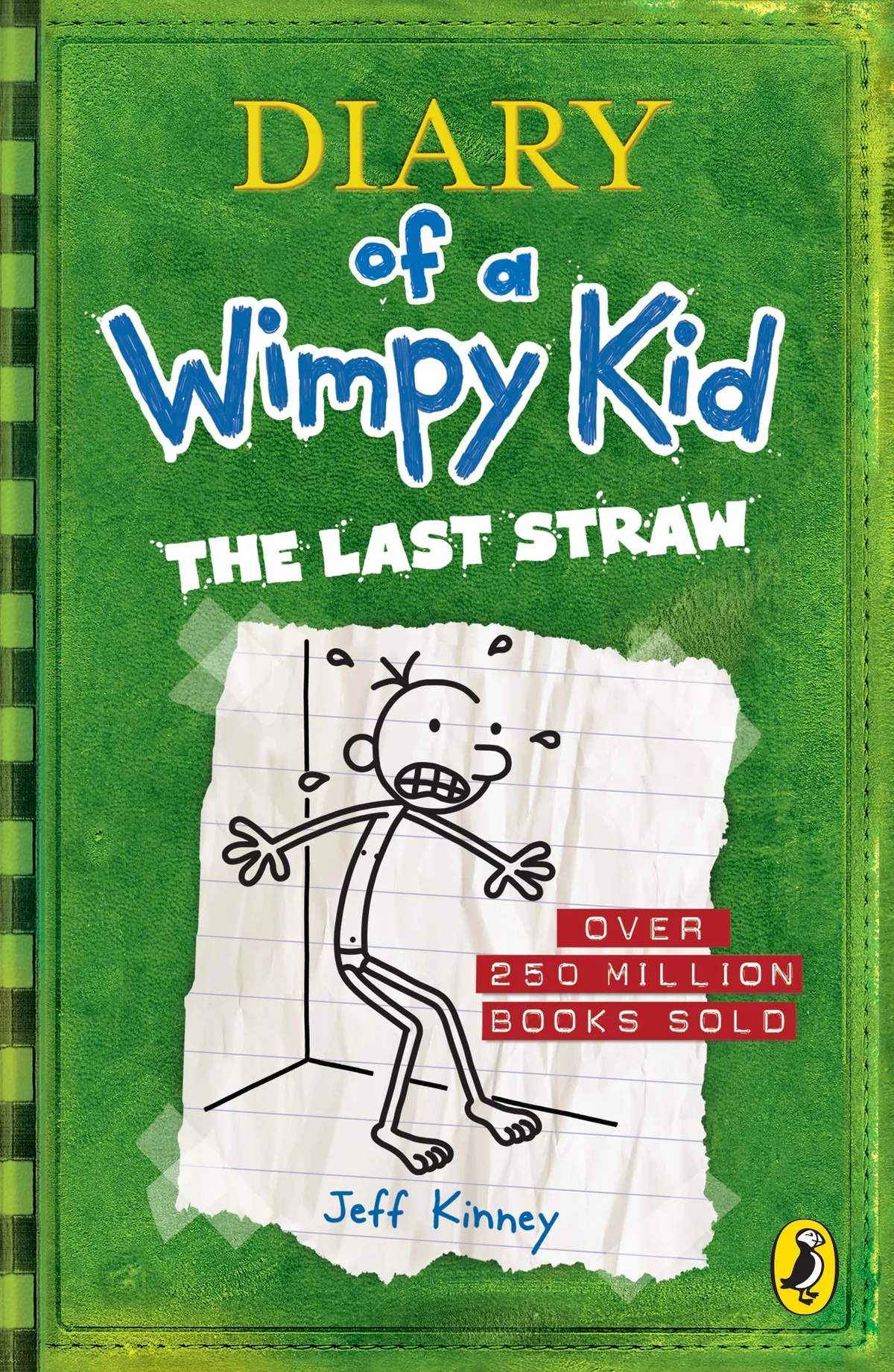
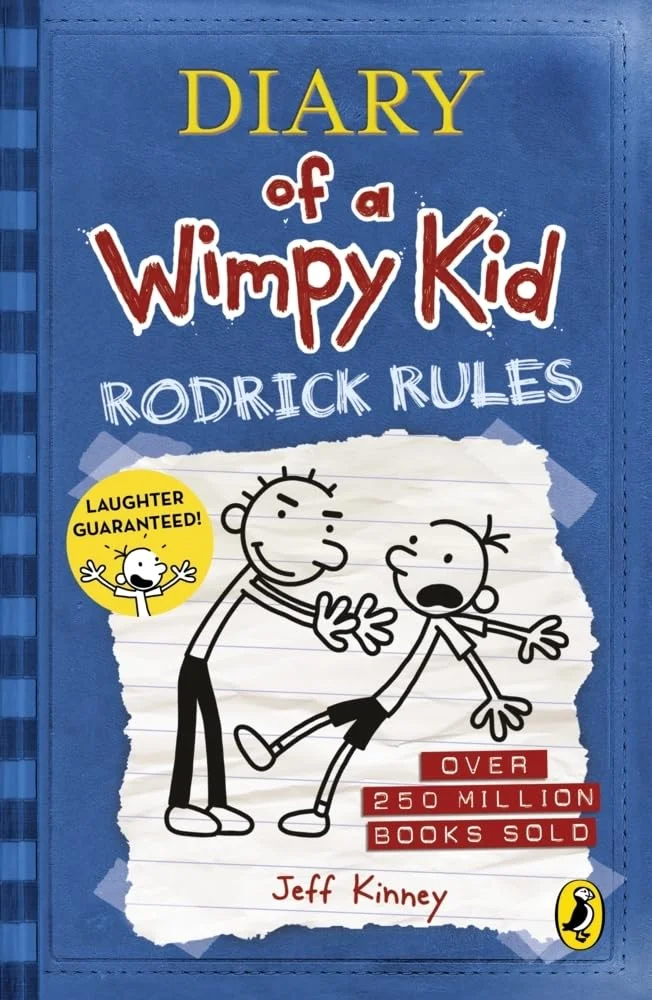
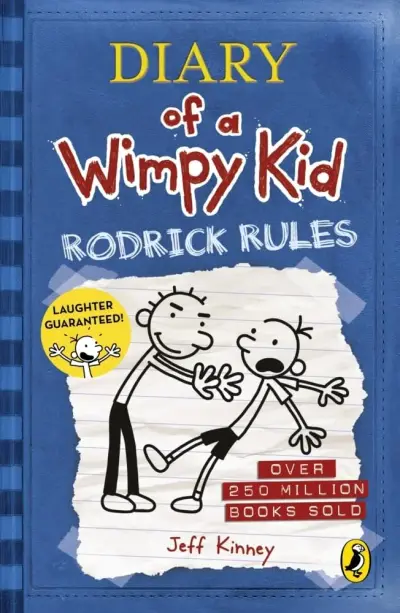
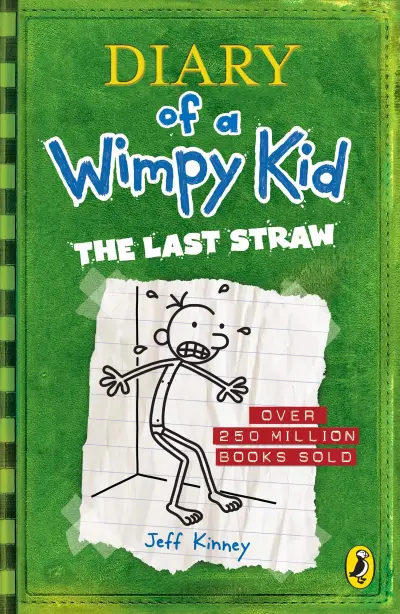
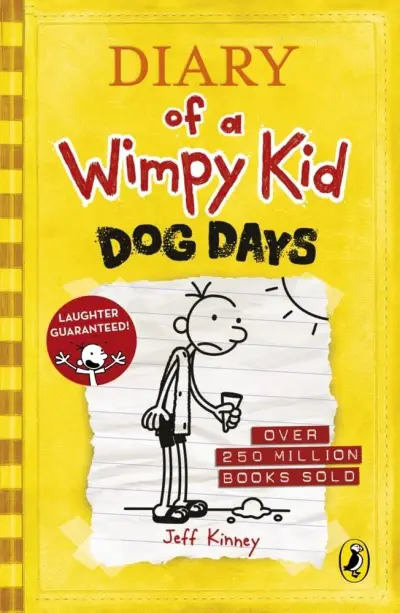
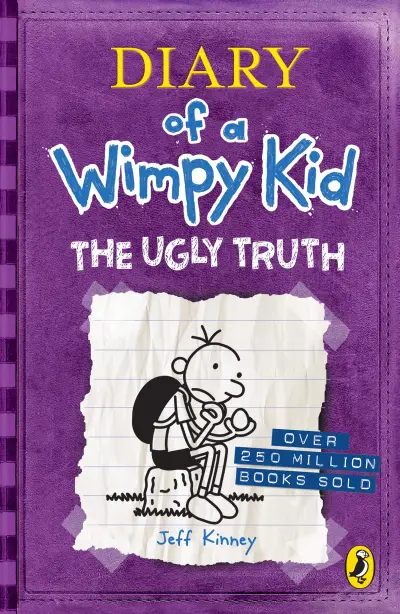
The opening Wimpy Kid arc is the strongest entry point and the purest version of the series. Diary of a Wimpy Kid introduces Greg's unreliable diary voice, his friendship with Rowley and his constant attempts to climb the school social ladder. Rodrick Rules and The Last Straw deepen the family comedy through sibling rivalry and parental expectations, while Dog Days and The Ugly Truth move Greg into holiday boredom, puberty-adjacent embarrassment and the discomfort of growing up. The sensitivity is low, though school meanness and bullying are part of the landscape. The appeal is immediacy: Greg's small humiliations feel enormous, and the cartoons make every page easy to enter.
- IINarrative arcBooks 6–10 · 2011–2015Low sensitivity
Luck, dances, road trips and old-school pressure
Greg faces snowbound panic, school dances, friendship insecurity, a disastrous road trip and adults trying to make life less modern.
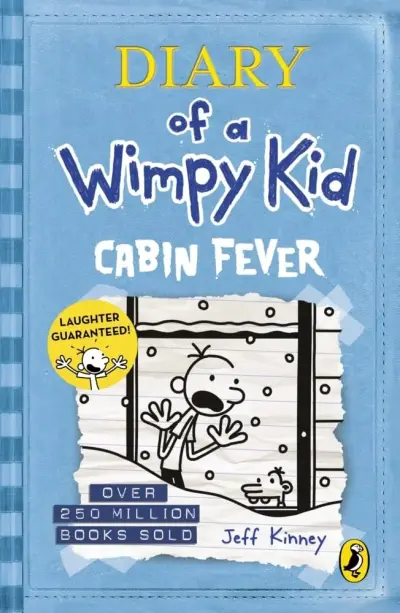
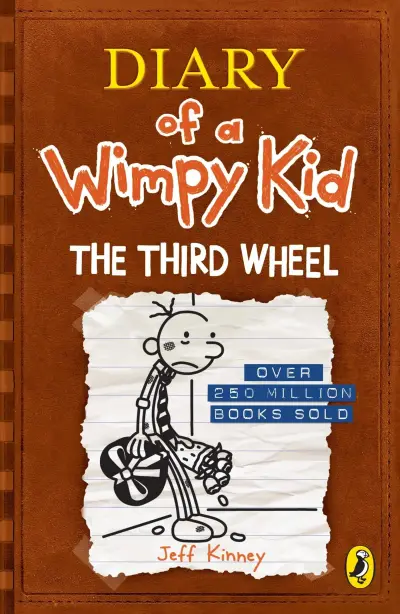
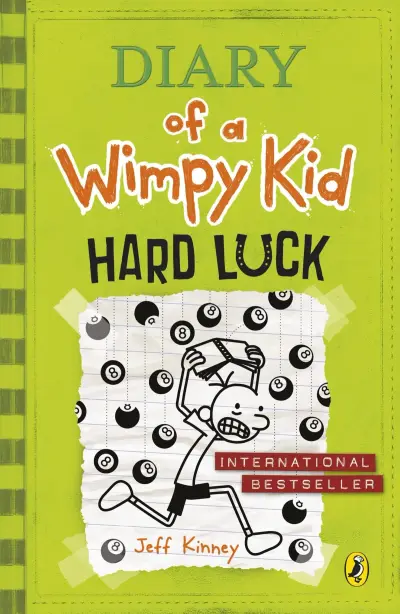
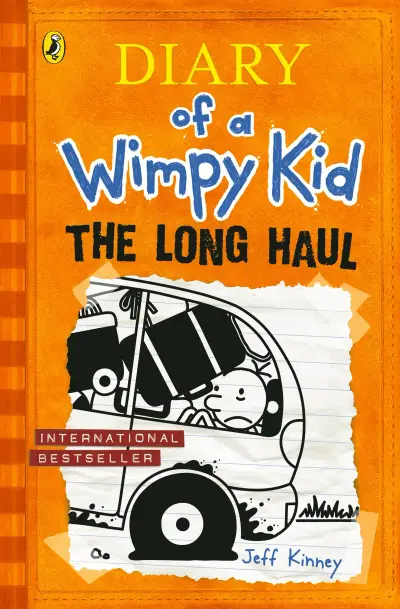
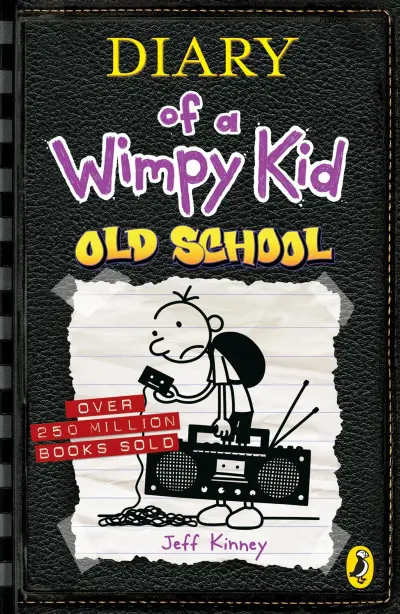
The second arc keeps the same diary-comedy format but spreads Greg's world into bigger situations. Cabin Fever traps him in a snowbound family-and-neighbourhood crisis; The Third Wheel turns school dances and awkward romance into comic humiliation; Hard Luck focuses on Rowley drifting away and Greg trying to replace friendship with luck; The Long Haul moves the family comedy onto a disastrous road trip; and Old School pits Greg against adult nostalgia for a supposedly better, less technological childhood. These books remain low sensitivity and highly accessible, with the main appeal coming from recognisable anxieties made ridiculous.
- IIINarrative arcBooks 11–15 · 2016–2020Low sensitivity
Experiments, holidays and family disasters
The middle-later books lean into creative schemes, holidays, neighbourhood battles, home renovation and camping catastrophes.
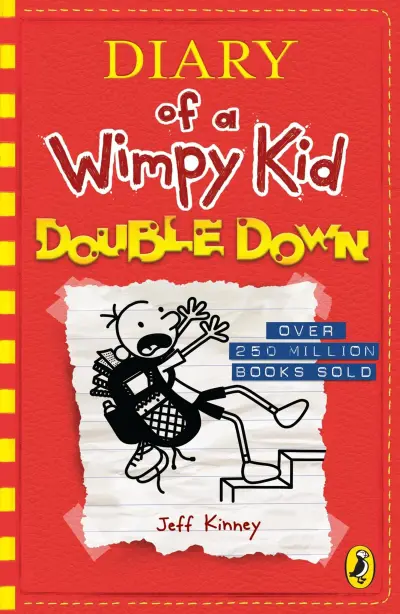
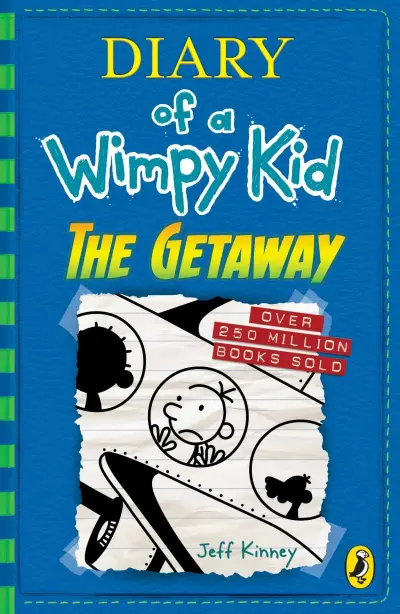
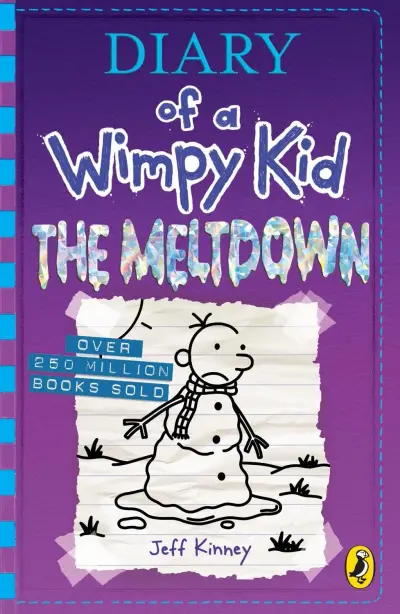
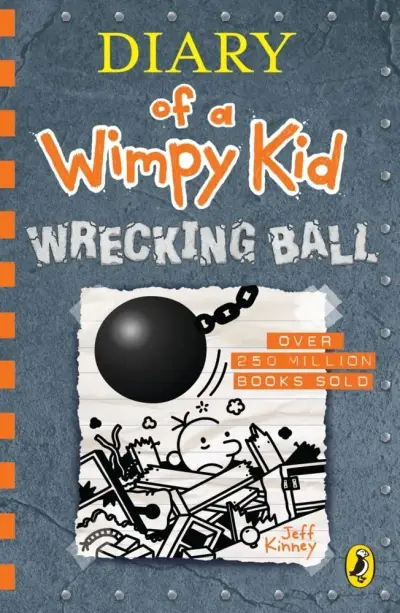
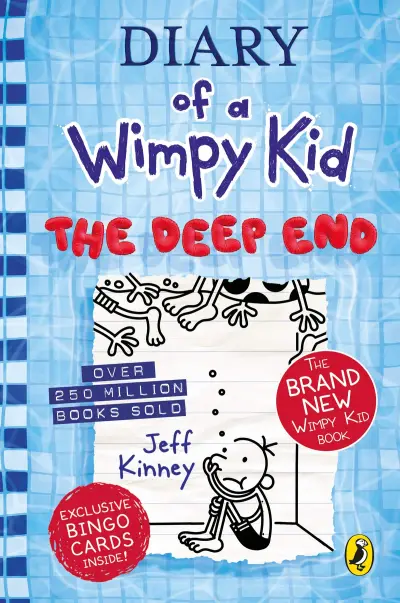
This arc is more scenario-led, with Greg repeatedly pushed into larger comic set-pieces. Double Down gives him creative ambition and horror-movie schemes. The Getaway and The Deep End both use family trips as pressure cookers for embarrassment and disaster. The Meltdown turns a neighbourhood snow day into mock war, while Wrecking Ball brings home renovation and moving-house panic into the family comedy. These books are easy to read out of order and remain low sensitivity. They are especially useful for children who enjoy the Wimpy Kid format but want bigger, more cartoonish situations than the early school-friendship books.
- IVNarrative arcBooks 16–20 · 2021–2025Low sensitivity
Sport, music, school trouble and family mess
The latest books send Greg through sport, Rodrick's band life, school decline, extended-family chaos and party-related embarrassment.
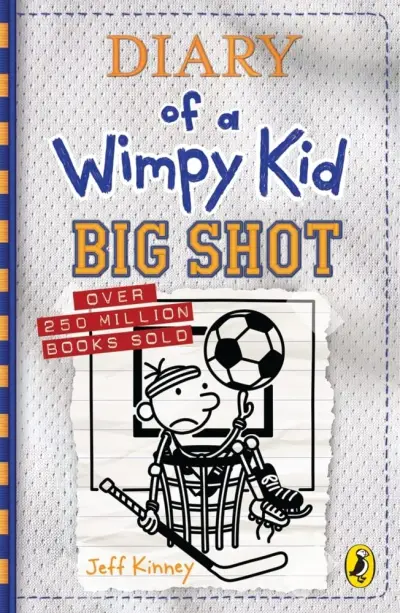
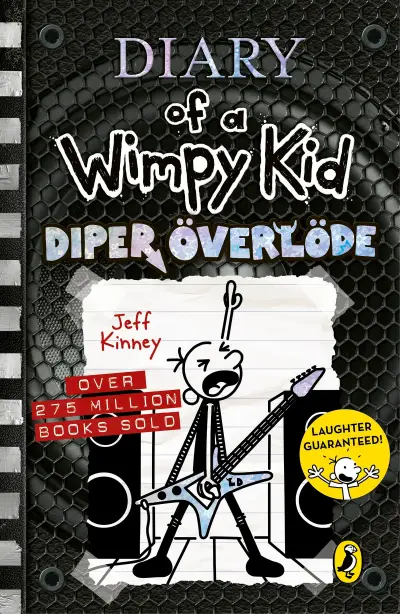
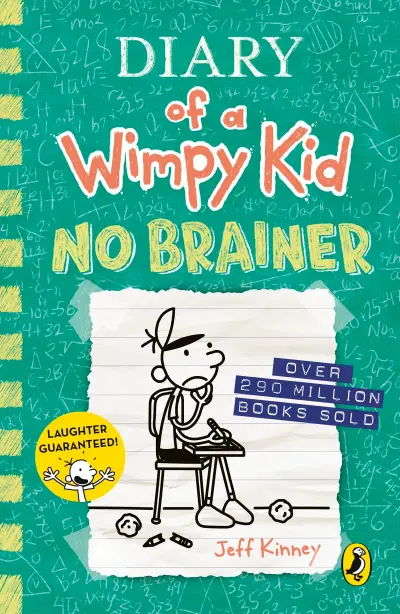
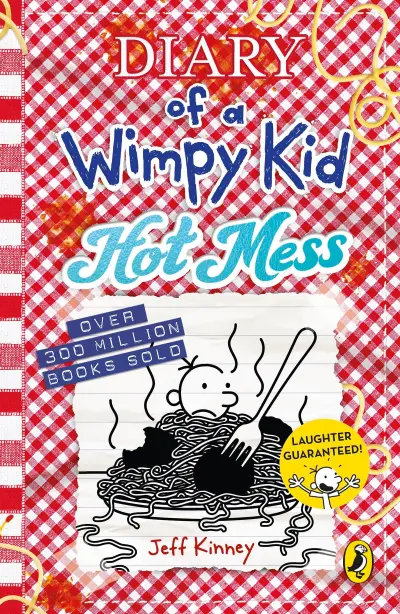
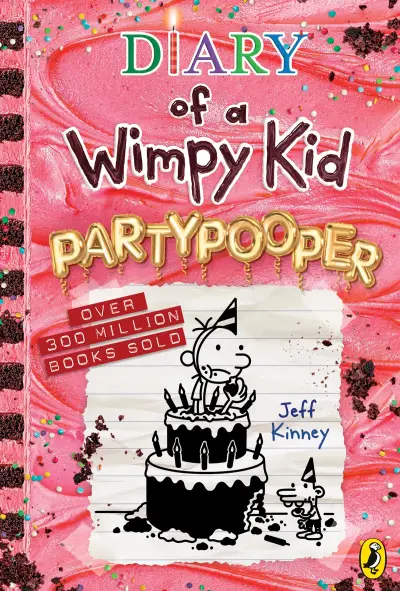
The latest seeded arc keeps the series fresh by giving Greg more themed situations. Big Shot puts him into school sport and team pressure. Diper Överlöde foregrounds Rodrick's band, Löded Diper, and the fantasy of music fame. No Brainer turns school itself into the central problem, while Hot Mess leans into family mess, food and extended relatives. Partypooper continues the late-series pattern of taking a familiar childhood event and pushing Greg into maximum embarrassment. These books are still low sensitivity and very friendly to reluctant readers, though they are best after children already understand Greg's voice and the Heffley family dynamic.
Fit check
Right for your reader?
Where the series lands by age
- 1
- 3
- 5
- 7
- 9
- 11
- 13
- 15
- 17
- 19
- Best fit · 7–12
- Read aloud · 8–11
- Independent · 7–12
Reluctant-reader friendliness
Very high
Read-aloud quality
Workable
Adult crossover
High
Grows with the reader
Not especially
Sensitivity envelope
Low overall, and consistent.
Content notes
- Bullying
Per-arc breakdown
Where it sits
In conversation with other series.
Read this after…
Series that pick up where Diary of a Wimpy Kid leaves off.
About the author