- Illustrated Chapter Books
- Ages 8–12
- Comedy
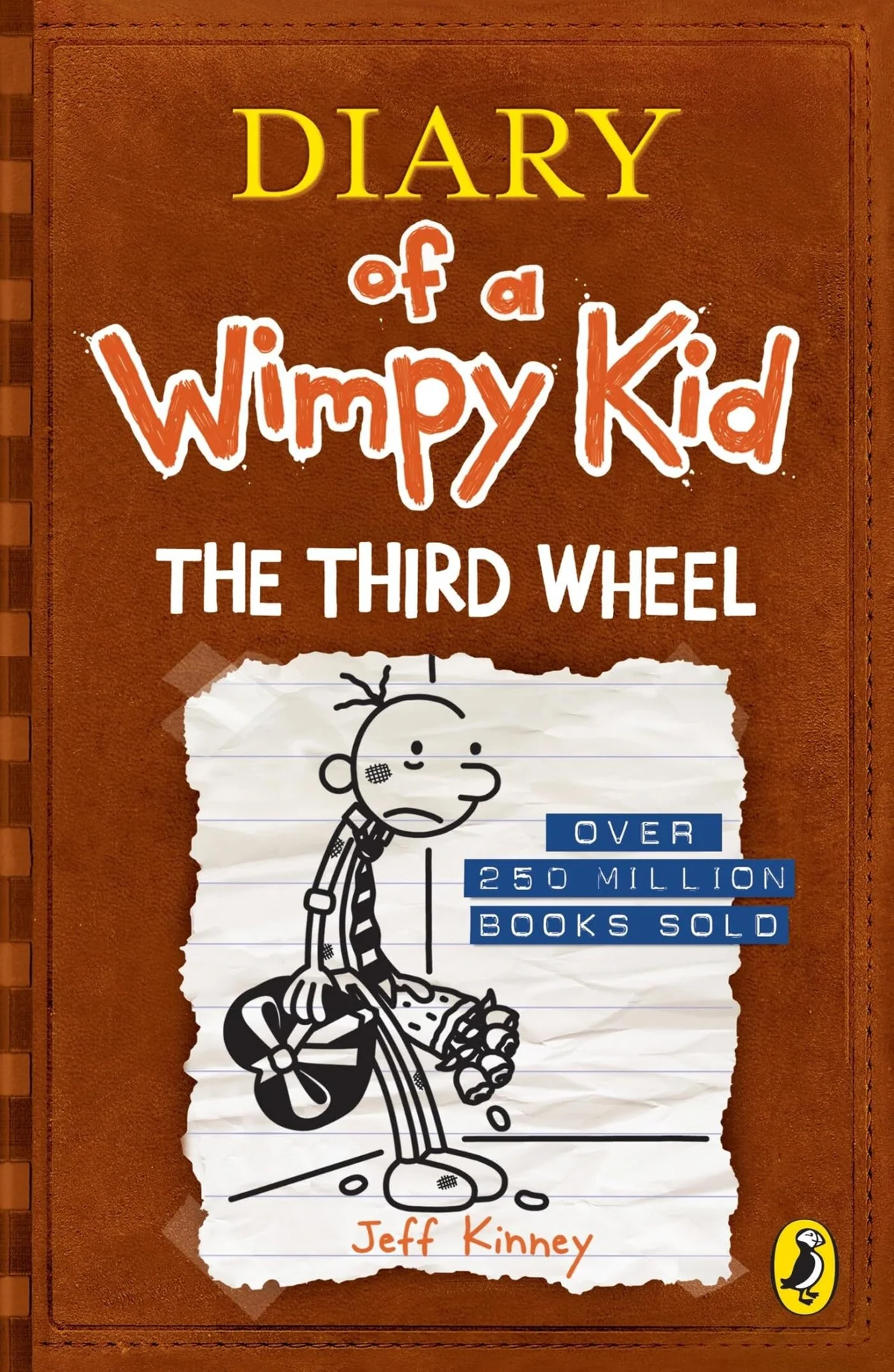
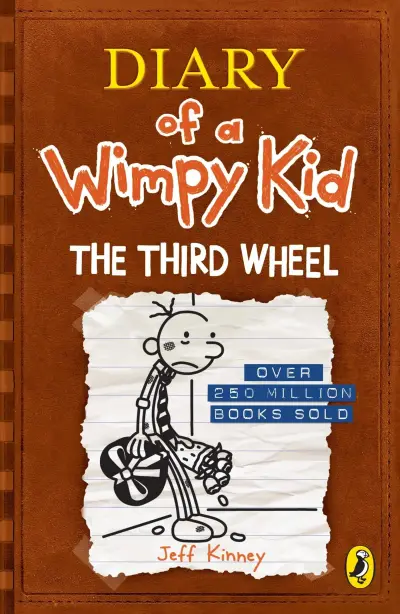
Diary of a Wimpy Kid: The Third Wheel
Affiliate links — buy through these retailers and we earn a small commission, at no extra cost to you.
Book 7 in Diary of a Wimpy KidView the full series
A school-dance Wimpy Kid book about Valentine's Day pressure, awkward crushes and social scrambling. It is a good fit for readers who enjoy Greg at his most status-obsessed and romantically clueless.
- Best for8–12
- FormatIllustrated
- Length240 pp
- Read aloud~3 hr25 min
Affiliate links — buy through these retailers and we earn a small commission, at no extra cost to you.
The vibe
What it’s like.
Style
- Conversational
- Comedic
Tone
- Funny
- Irreverent
- Silly
- Warm
Themes
Experience meters
What’s it about?
The story.
Love is in the air at Greg Heffley's school, and that is terrible news for Greg. The Valentine's Day dance has everyone pairing up, worrying about popularity and trying not to be left out. Greg wants a date mostly because not having one would be humiliating, and Rowley becomes part of the social equation in ways Greg does not enjoy. The Third Wheel is a classic middle-school awkwardness comedy: romantic feelings are less important than status, embarrassment and trying to look normal. Jeff Kinney keeps the diary entries short and cartoon-heavy, making the book quick to read even when Greg's decisions are painfully selfish. It is especially good for children beginning to notice school social dynamics, crush culture and the weird pressure to fit in.
Fit check
Right for your child?
Where it lands by age
- 1
- 3
- 5
- 7
- 9
- 11
- 13
- Best fit · 8–12
- Read aloud · 7–11
- Independent · 8–12
Prose load
Moderate
Visual support
High
Reluctant-reader friendly
Very
Read-aloud quality
Strong
Works well for
- Reading aloud
- Reading together
- Gift-buying
- Reluctant readers
Nothing in the book is likely to concern most parents. Safe to recommend without preview.
Bedtime suitability
3 / 5 · Workable
Sensitive-child
4 / 5 · Good fit
Graphic intensity
1 / 5 · None
Best for
- Reluctant reader pick
- School dance story
- Awkward crush comedy
- Diary format
- Cringe humour
Avoid if
- Wants no romance theme
- Sensitive to social exclusion
- Wants kind role models
- Dislikes cringe humour
Particularly good for children who are…
- Reluctant reader
- Struggling with reading
- Moving to secondary school
- Making friends
- Anxiety and worry
In the classroom
How it works in school.
The definitive reluctant-reader gateway — a free-read favourite whose diary format also offers an accessible model for diary and recount writing.
A book children love that happens to support school — never a stand-in for the texts a class is taught with. Reviewed for the classroom · June 2026.
Why it lands
Why they love it.
Why kids love it
The specific recognition is the school dance pressure — the moment every middle-schooler suddenly realises everyone else is meant to be pairing up and they have no idea what to do about it. Greg and Rowley as unwilling rivals trying to look cool while not actually wanting anything to happen is precisely the truth of it.
- Being understood finally
- Friendship and belonging
- Trickery and cleverness
- Breaking the rules safely
- Revenge on adults
Why parents love it
The Wimpy Kid for a child first noticing crushes-and-dance-pressure at school. The romance is deliberately handled badly, which is the point — neither boy actually wants anything to happen, they just want the dance to be over. Reassuring in its way for any kid feeling caught off guard by how social things have got.
- Shared humour
- Quick to read
- Nostalgia
In the series
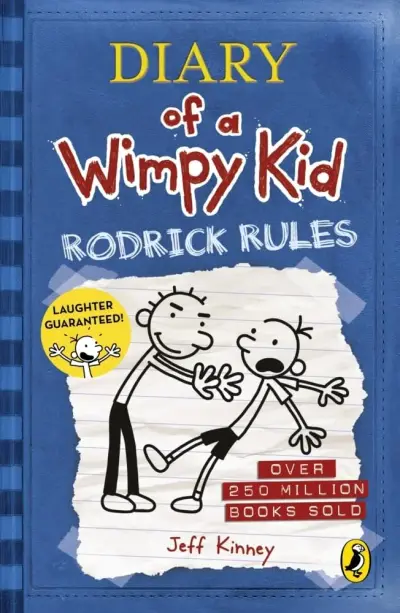
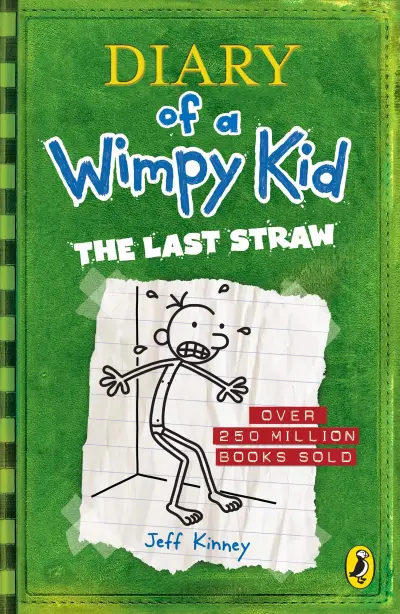
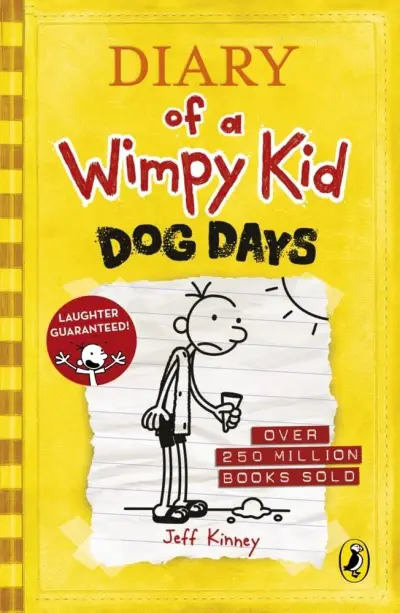
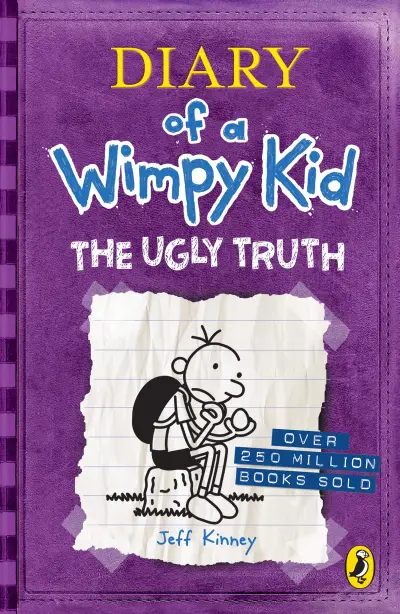
Diary of a Wimpy Kid.
20 books · open the series →
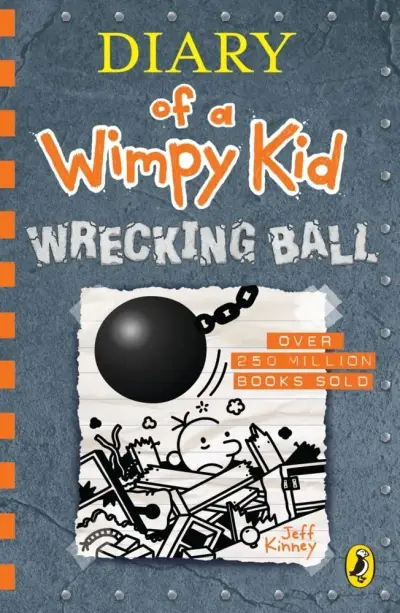
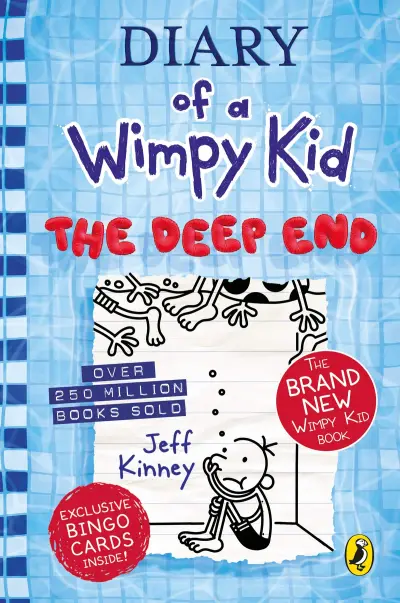

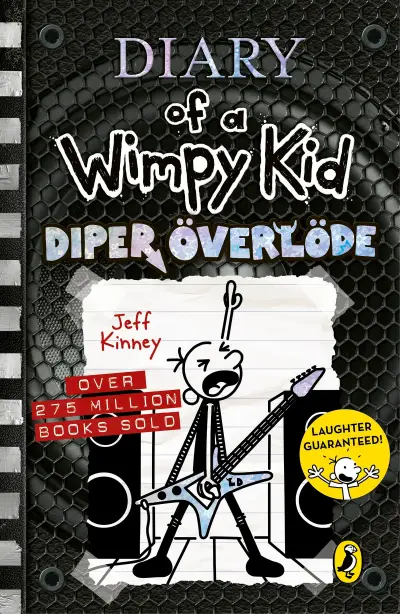
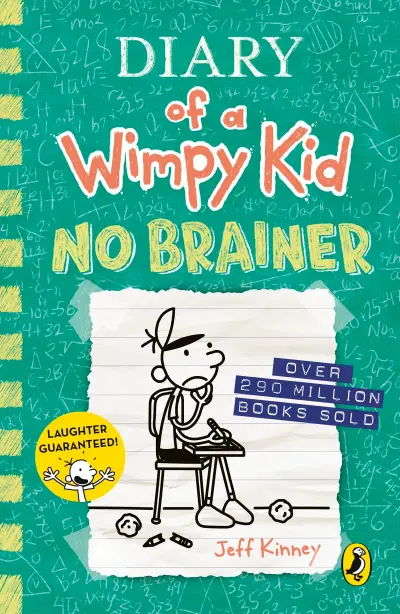
About the author & illustrator
Jeff Kinney.
If you liked this
Three ways out of this book.
If you liked this, try…
Lateral matches. Same shelf, different texture.
Come into this from…
Easier or preparing reads — perfect lead-ins.
Where to go next…
Escalation reads — a step up in scale, silliness, or stakes.
More like this…
Books that share themes and topics with this one.