The Baby-Sitters Club Graphix
Part of the collectionThe Baby-Sitters Club→Best for readers who want realistic graphic novels about friendship groups, family life, responsibility and growing independence.
- Books19 / 19
- Arcs3
- Span2015–2026
- StatusOngoing
The series
At a glance.
The Baby-Sitters Club Graphix is the graphic novel adaptation line of Ann M. Martin's classic Baby-Sitters Club novels, illustrated across the run by artists including Raina Telgemeier, Gale Galligan, Gabriela Epstein, Chan Chau, Cynthia Yuan Cheng, Ellen T. Crenshaw and Arley Nopra. The series follows Kristy, Mary Anne, Claudia, Stacey, Dawn, Jessi and Mallory as they build friendships, handle family changes, run a babysitting business and navigate school-age social problems. The graphic format makes the emotional beats clear and inviting, while the stories stay grounded in realistic childhood concerns rather than fantasy or high peril.
Best for readers who want realistic graphic novels about friendship groups, family life, responsibility and growing independence.
Primary themes
Overall tone
- Warm
- Funny
- Heartwarming
- Bittersweet
Publication order is recommended because the club membership, friendships and family situations build gradually, though many individual volumes are understandable on their own.
Three arcs
A series that changes as it goes.
- INarrative arcBooks 1–6 · 2015–2018Low sensitivity
The club gets started
The founding club members establish the babysitting business, friendships and early family challenges.
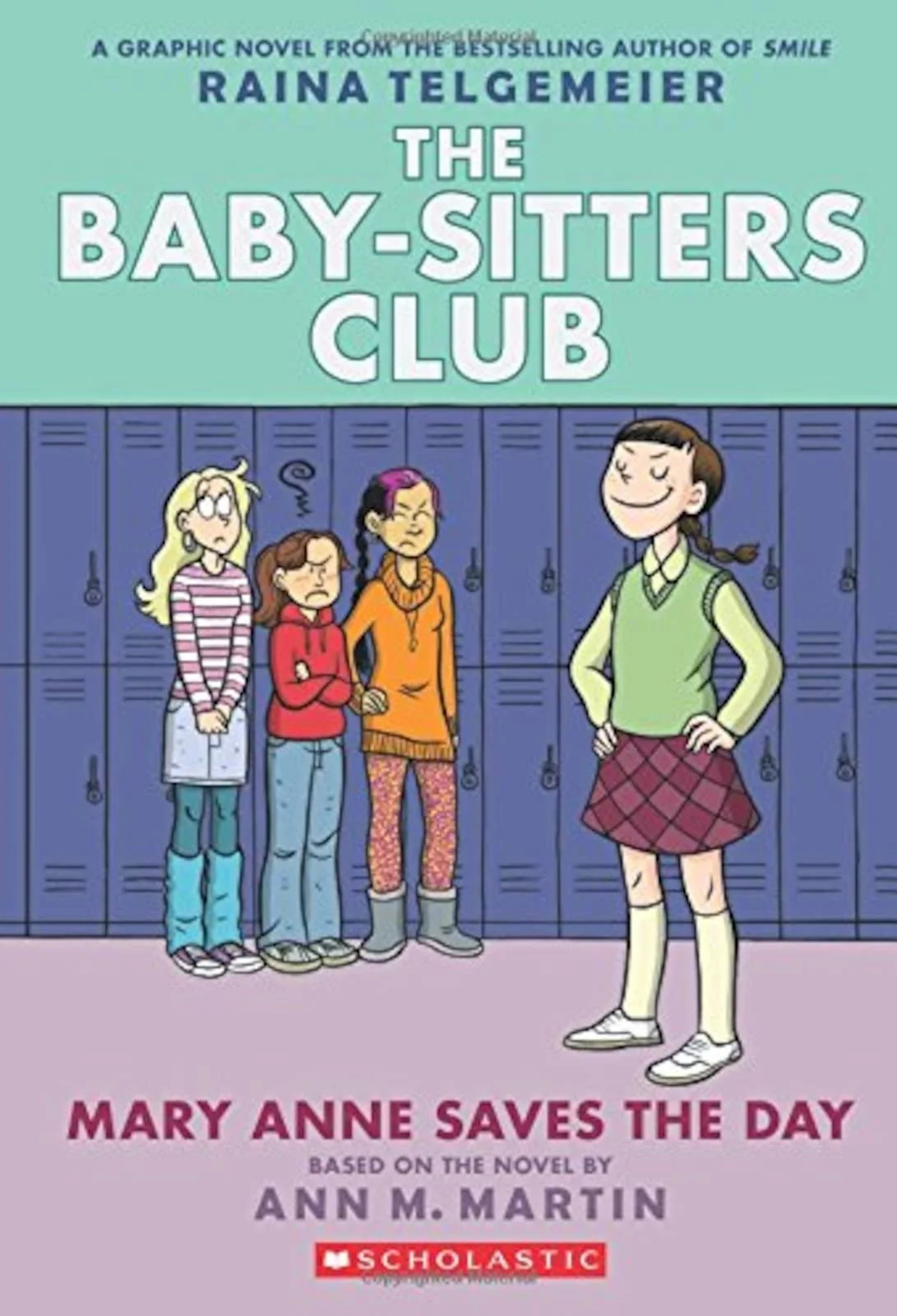
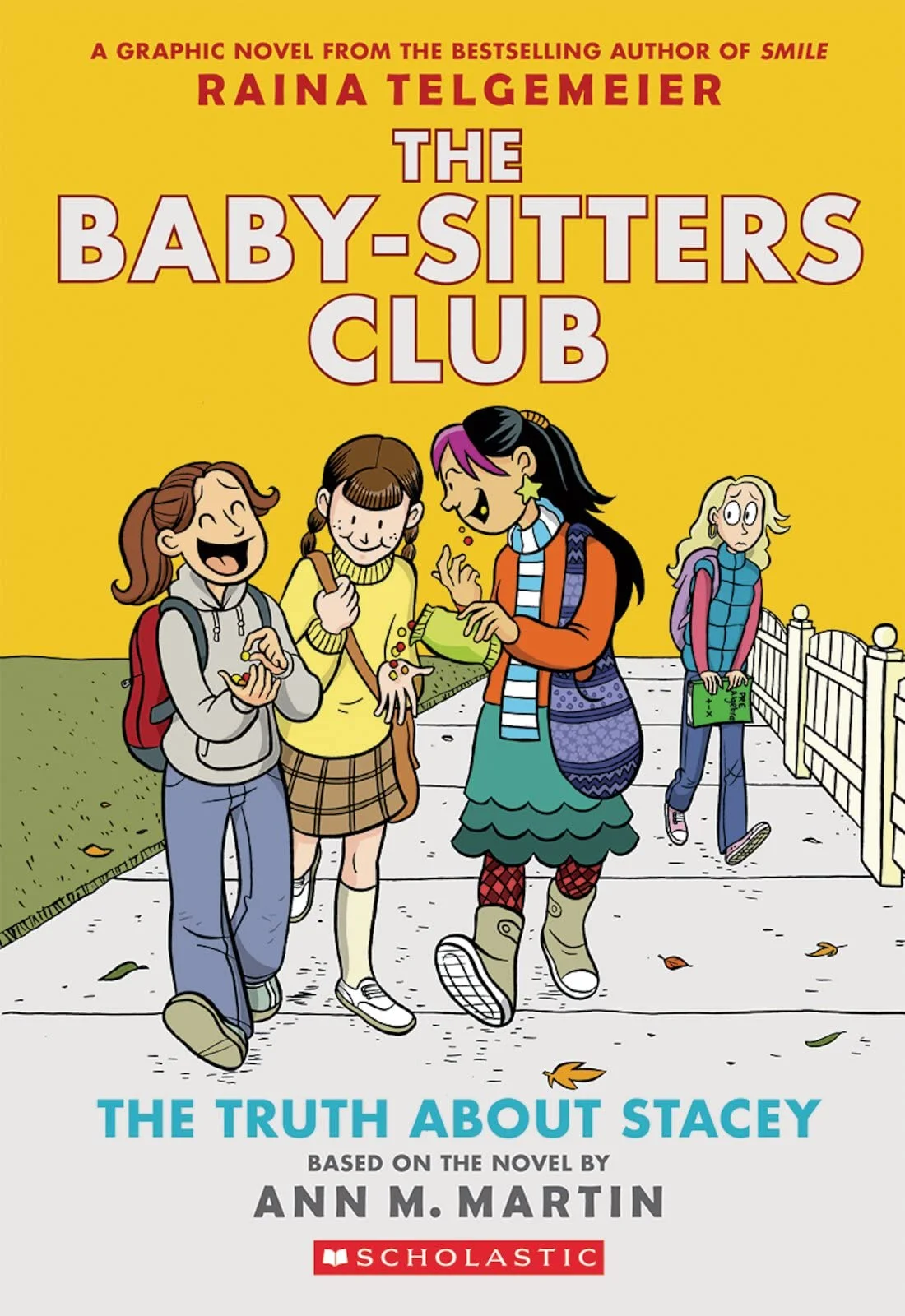
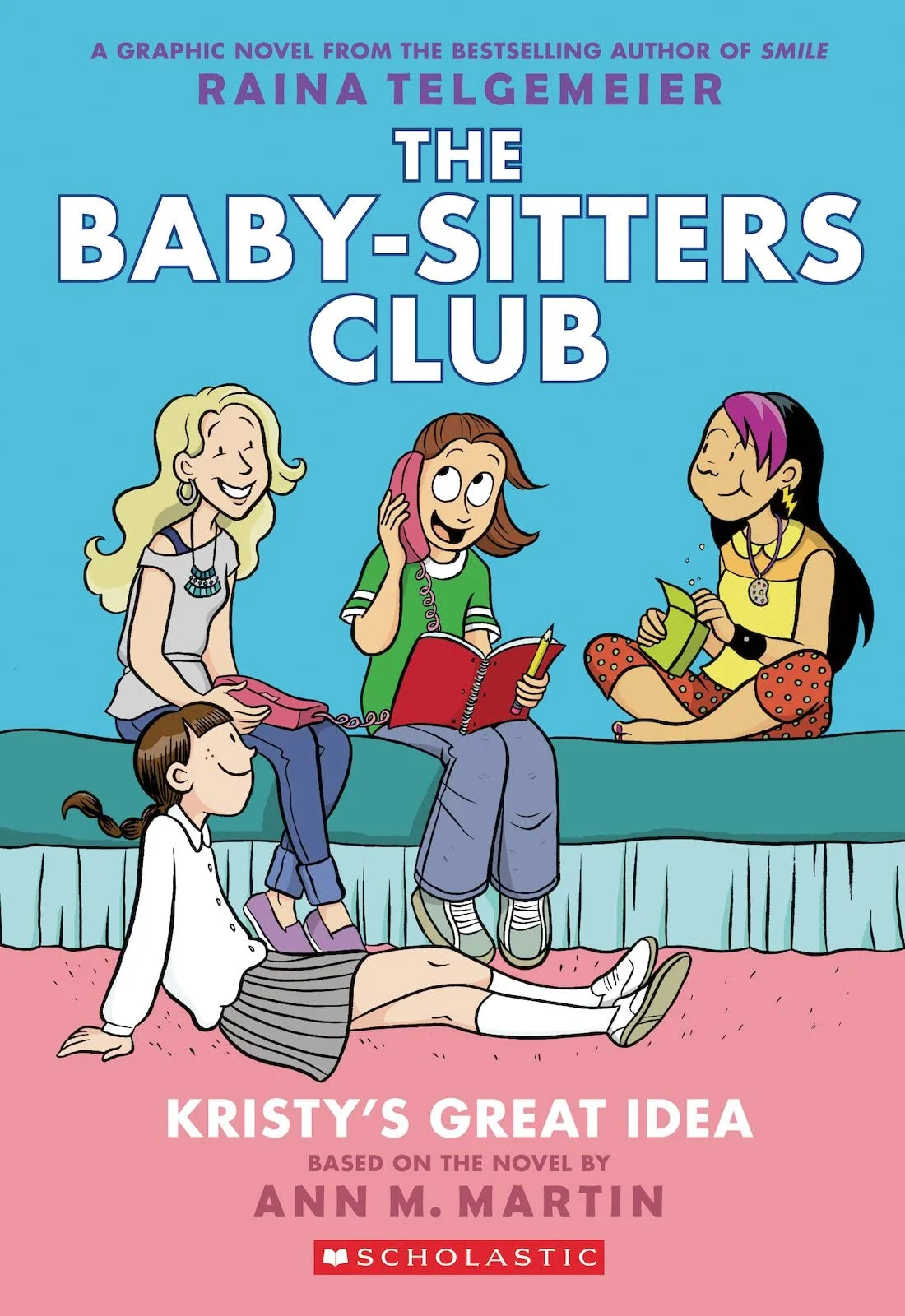
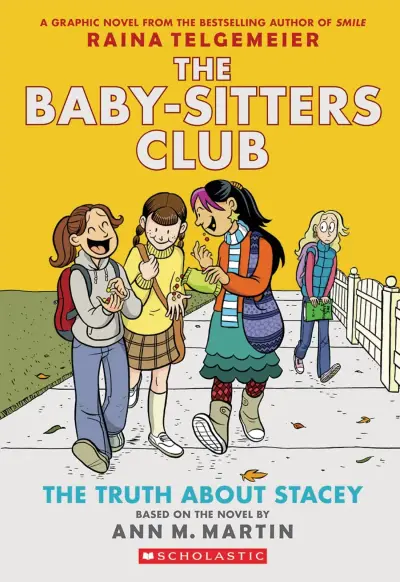
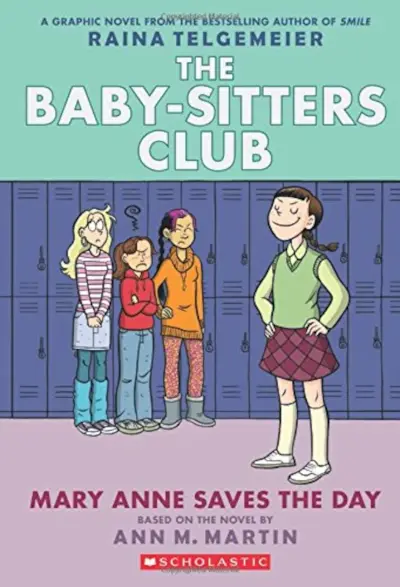
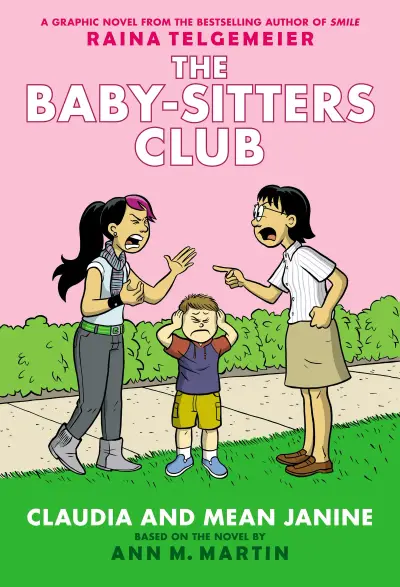
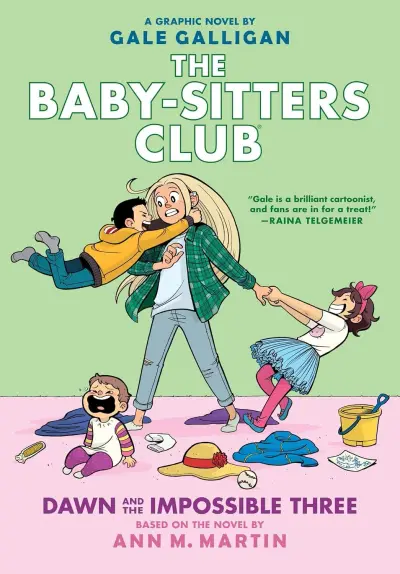
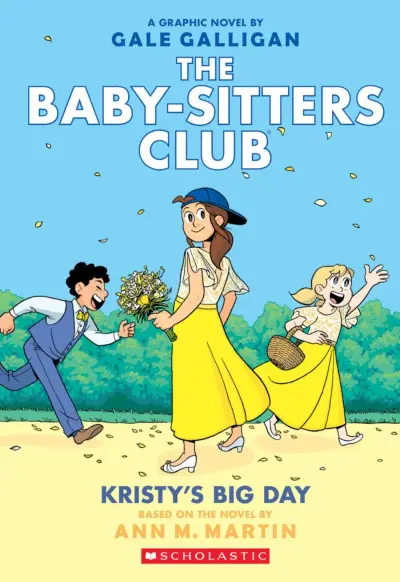
The opening Graphix arc is the best entry point because it introduces the core club idea, the main girls and the grounded social world of Stoneybrook. Kristy's Great Idea creates the business and friendship engine; The Truth About Stacey and Claudia and Mean Janine add family and health dimensions; Mary Anne Saves the Day and Dawn and the Impossible Three explore confidence, blended families and changing friendships; and Kristy's Big Day broadens the series into family celebration and responsibility. The sensitivity remains low, but illness, family strain and parental separation are meaningful enough to keep as warnings.
- IINarrative arcBooks 7–13 · 2019–2023Low sensitivity
Friendship, crushes and social confidence
The middle run deepens friendship, first crushes, new members, social pressure and school-age insecurity.
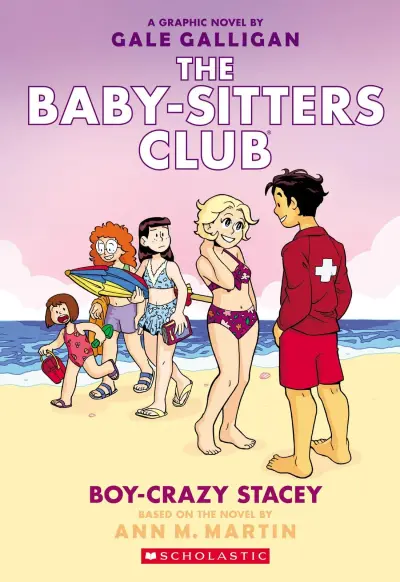
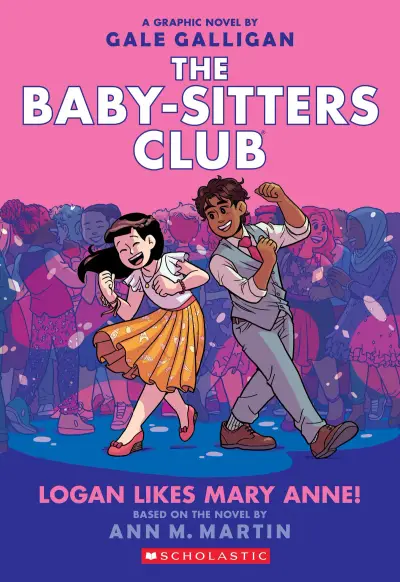
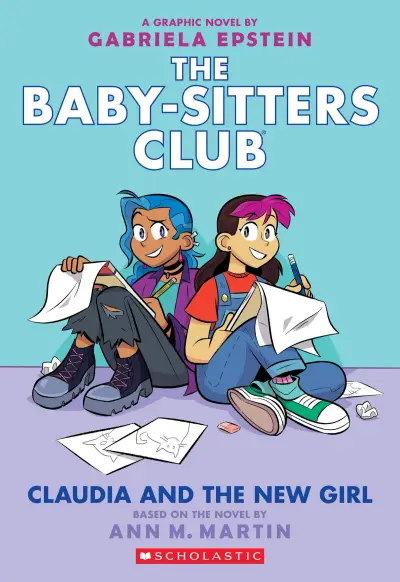
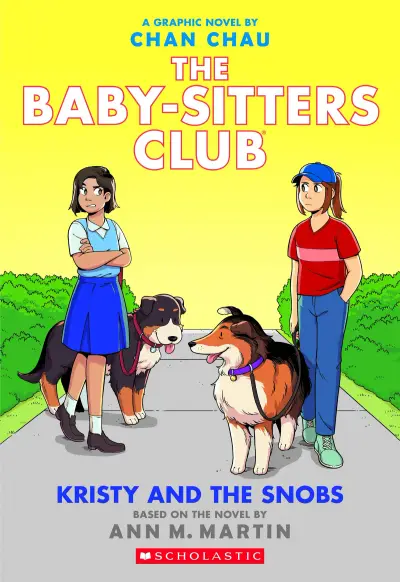
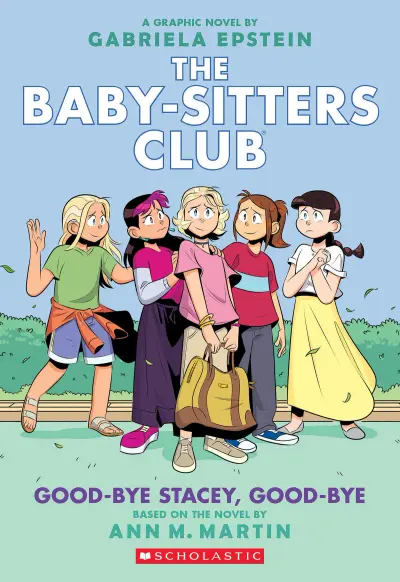
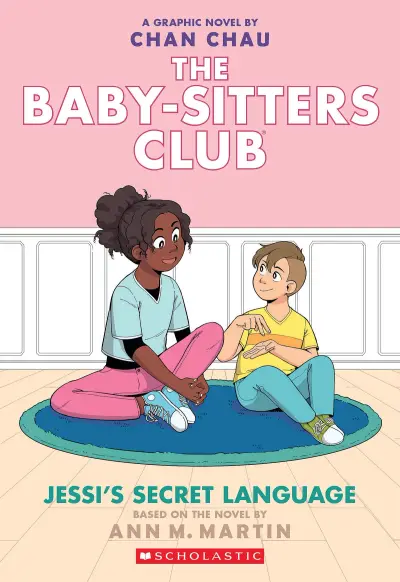
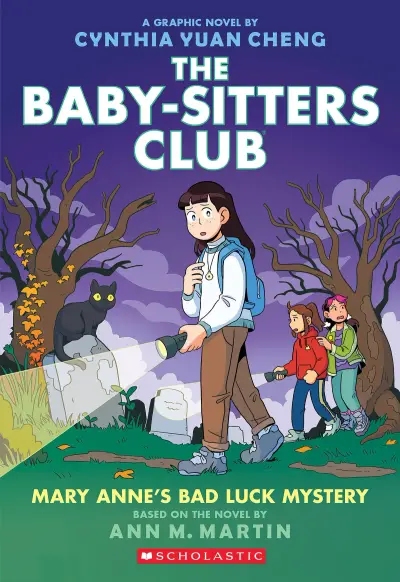
The middle Graphix arc gives the series more social and emotional breadth. Boy-Crazy Stacey and Logan Likes Mary Anne! introduce age-appropriate romantic curiosity; Claudia and the New Girl examines creative friendship tension; Kristy and the Snobs is the most sensitive title in this stretch because pet loss, grief and bullying matter; Good-bye Stacey, Good-bye handles friendship disruption; Jessi's Secret Language brings in inclusion and communication; and Mary Anne's Bad Luck Mystery adds superstition and confidence. The arc is still low sensitivity overall, but it is emotionally useful rather than merely cosy.
- IIINarrative arcBooks 14–19 · 2023–2026Low sensitivity
Later club challenges
The later seeded books continue the club through mistakes, injuries, team sports, twins, pets and Dawn's family geography.
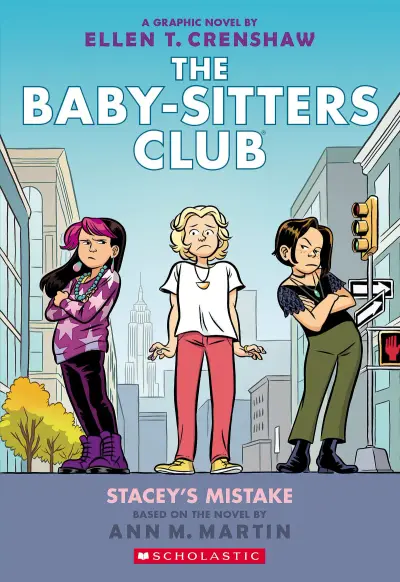
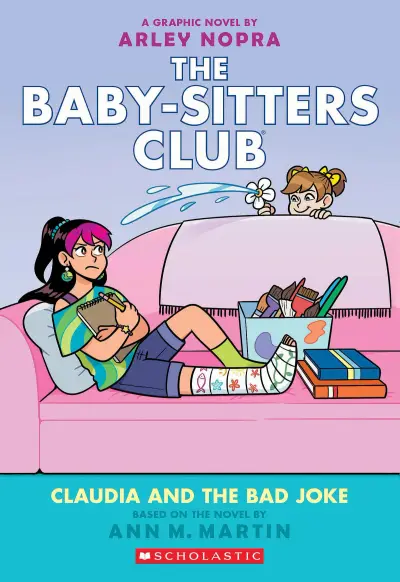
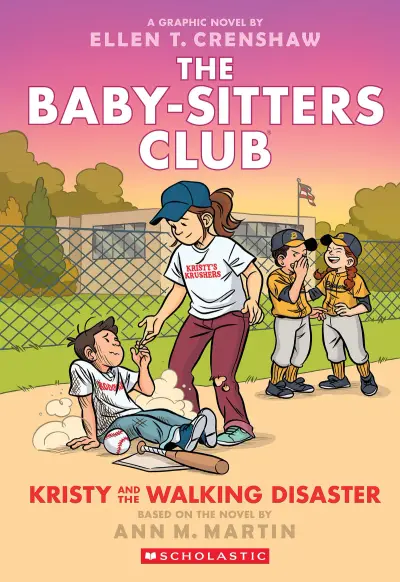
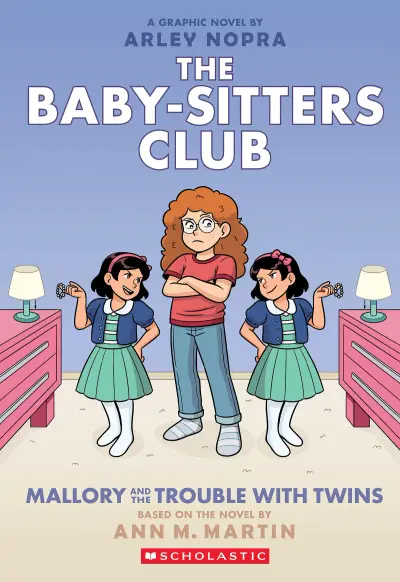
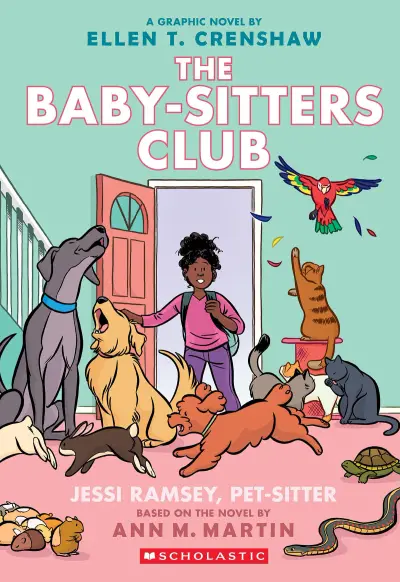
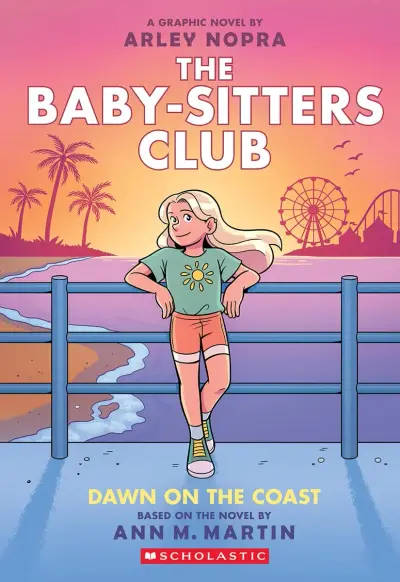
The later seeded Graphix arc continues the series' core realistic appeal while spreading attention across more members and situations. Stacey's Mistake and Claudia and the Bad Joke return to embarrassment, friendship strain and disability/injury themes; Kristy and the Walking Disaster uses sport and leadership; Mallory and the Trouble with Twins and Jessi Ramsey, Pet-sitter keep the babysitting and pet-care angle strong; and Dawn on the Coast returns to parental separation and living across households. These books are best after the reader already knows the club, though the graphic format keeps the run accessible.
Fit check
Right for your reader?
Where the series lands by age
- 1
- 3
- 5
- 7
- 9
- 11
- 13
- 15
- 17
- 19
- Best fit · 8–12
- Read aloud · 8–11
- Independent · 8–12
Reluctant-reader friendliness
Very high
Read-aloud quality
Workable
Adult crossover
High
Grows with the reader
Not especially
Sensitivity envelope
Low overall, and consistent.
Content notes
- Illness or disability
- Parental separation
- Death of pet
- Grief
- Bullying
Per-arc breakdown
Where it sits
In conversation with other series.
About the author