- Graphic Novels
- Ages 8–12
- Contemporary
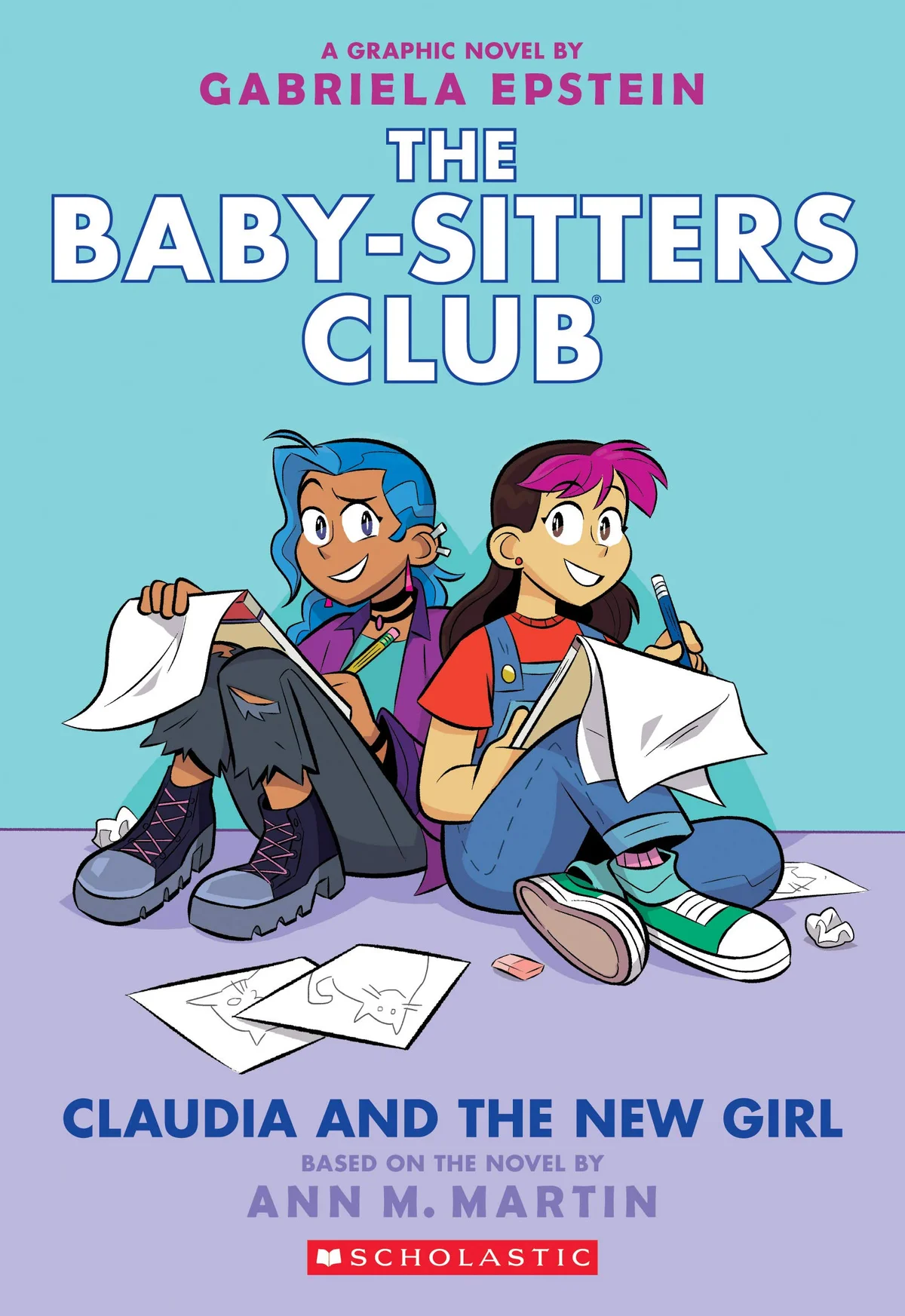
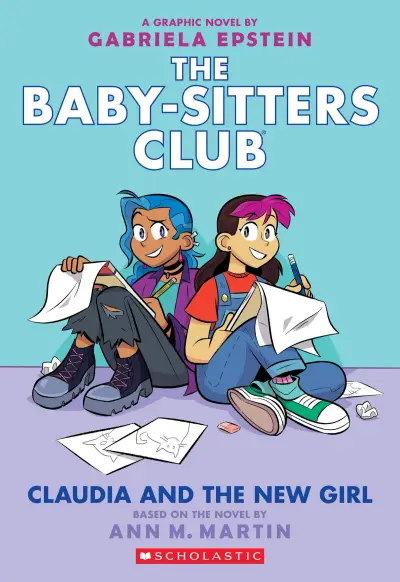
The Baby-Sitters Club: Claudia and the New Girl
Affiliate links — buy through these retailers and we earn a small commission, at no extra cost to you.
Book 9 in The Baby-Sitters Club GraphixView the full series
Part of the The Baby-Sitters Club universeOpen the collection
A Claudia-centred creativity-and-friendship story about meeting someone who seems to understand your artistic side better than your old friends do. It is a strong pick for creative children and friendship-shift anxiety.
- Best for8–12
- FormatGraphic
- Length176 pp
- Read aloud~1 hr25 min
Affiliate links — buy through these retailers and we earn a small commission, at no extra cost to you.
The vibe
What it’s like.
Style
- Conversational
- Comedic
Tone
- Warm
- Funny
- Heartwarming
- Bittersweet
- Thought provoking
Themes
Experience meters
What’s it about?
The story.
Claudia has always been the most artistic member of the Baby-Sitters Club. Then Ashley Wyeth arrives: stylish, different, wildly talented and deeply serious about art. Ashley thinks Claudia has real ability, but she also thinks the Baby-Sitters Club is a distraction from Claudia's creative potential. Claudia is flattered, excited and torn. Does being an artist mean choosing one part of herself over the friends who have always mattered? This ninth Graphix adaptation introduces Gabriela Epstein to the series and gives Claudia a very relatable identity conflict. The story is about art, friendship, jealousy and the temptation to reinvent yourself around someone new. It is low peril but emotionally meaningful, especially for readers who have ever wondered whether old friends still fit when new interests grow stronger. A thoughtful, very readable entry in the Graphix line.
Fit check
Right for your child?
Where it lands by age
- 1
- 3
- 5
- 7
- 9
- 11
- 13
- Best fit · 8–12
- Read aloud · 7–11
- Independent · 8–12
Prose load
Light
Visual support
Very high
Reluctant-reader friendly
Very
Read-aloud quality
Strong
Works well for
- Reading aloud
- Bedtime
- Reluctant readers
Nothing in the book is likely to concern most parents. Safe to recommend without preview.
Bedtime suitability
4 / 5 · Bedtime-friendly
Sensitive-child
4 / 5 · Good fit
Graphic intensity
1 / 5 · None
Best for
- Claudia kishi fans
- Creative children
- Friendship shift
- Realistic graphic novel
- Reluctant readers
Avoid if
- Has not read earlier bsc
- Wants action adventure
- Dislikes friendship drama
Particularly good for children who are…
- Interested in art and creativity
- Reluctant reader
- Making friends
- Low self esteem
- Moving to secondary school
In the classroom
How it works in school.
The hugely popular Baby-Sitters Club graphic novels — a reluctant-reader favourite that also touches on friendship, responsibility and family.
A book children love that happens to support school — never a stand-in for the texts a class is taught with. Reviewed for the classroom · June 2026.
Why it lands
Why they love it.
Why kids love it
The specific recognition is the new friend who seems to get you better than your old friends do — Claudia meeting Ashley, suddenly told her art matters more than the babysitting club, having to decide whether being an artist means leaving everyone else behind. Painfully accurate.
- Being special or chosen
- Friendship and belonging
- Making a difference
- Proving yourself
- Transformation
Why parents love it
The BSC for a child currently being pulled by a new friendship — the recognisable pain of an older friend wanting to reinvent you, and the friendship-group fallout. Handled without easy resolution. One of the most universally lived BSC scenarios.
- Nostalgia
- Conversation starter
- Quick to read
- Cultural representation
In the series
The Baby-Sitters Club Graphix.
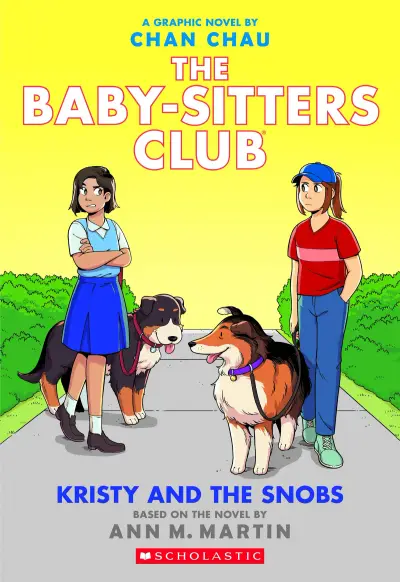
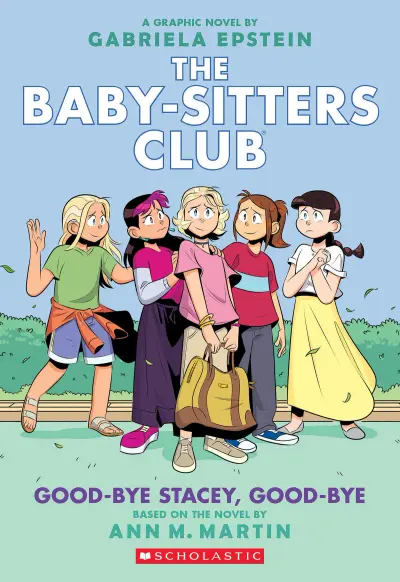
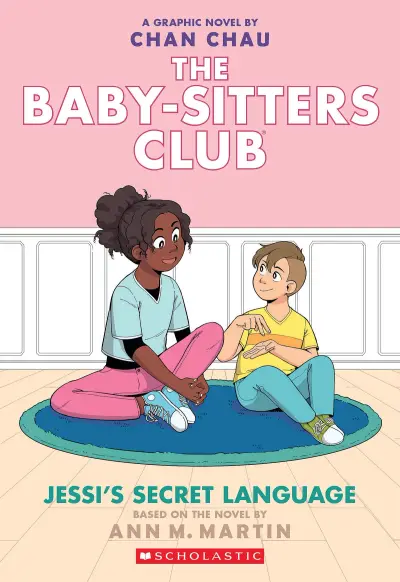
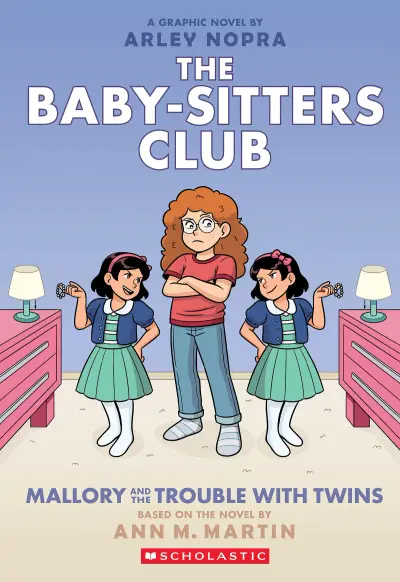
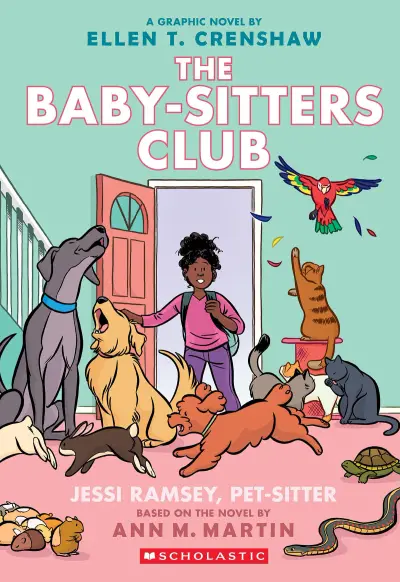
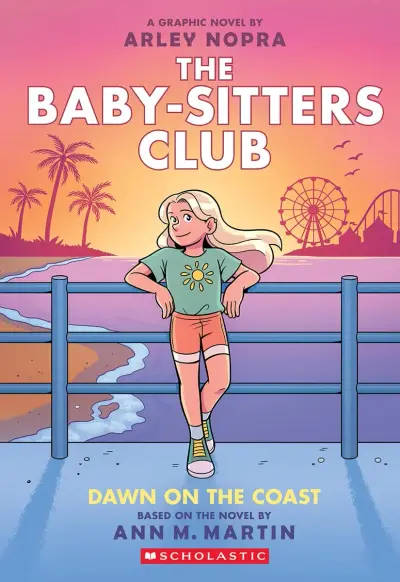
19 books · open the series →

About the creators
About the creators.
If you liked this
Three ways out of this book.
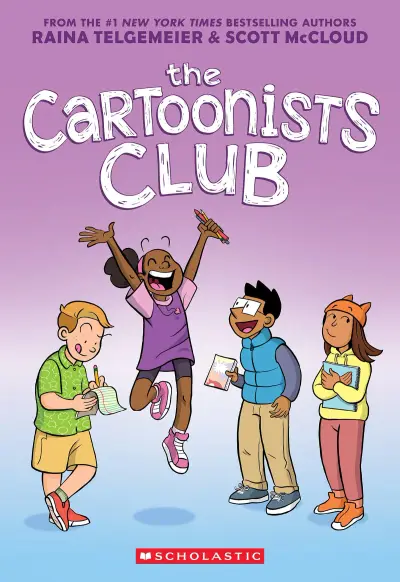
If you liked this, try…
Lateral matches. Same shelf, different texture.
Come into this from…
Easier or preparing reads — perfect lead-ins.
Where to go next…
Escalation reads — a step up in scale, silliness, or stakes.