- Graphic Novels
- Ages 8–12
- Contemporary
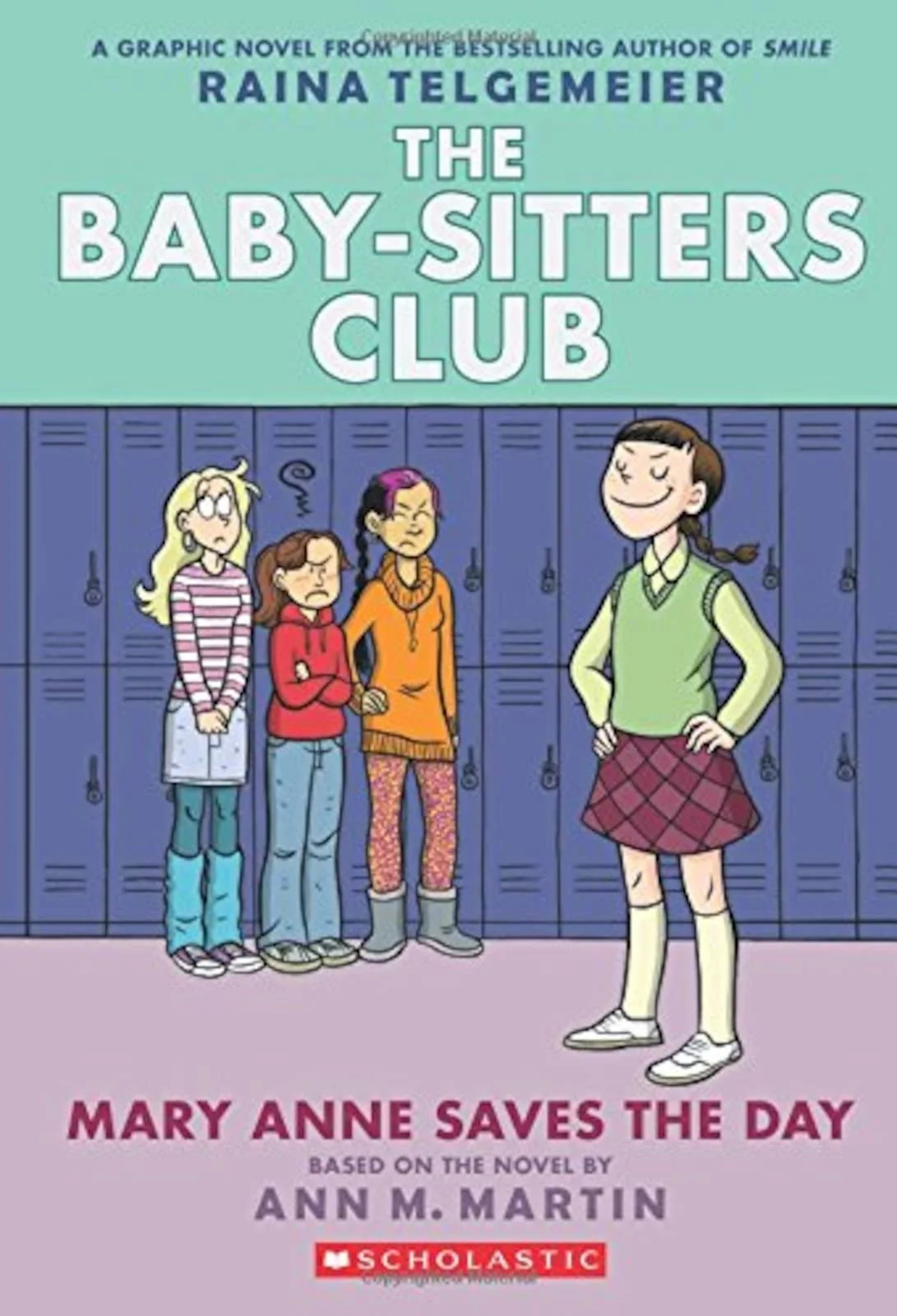
The Baby-Sitters Club: Mary Anne Saves the Day
Affiliate links — buy through these retailers and we earn a small commission, at no extra cost to you.
Book 3 in The Baby-Sitters Club GraphixView the full series
Part of the The Baby-Sitters Club universeOpen the collection
A gentle but satisfying confidence story for quieter children, centred on Mary Anne finding her voice after the club falls out. It is one of the best early BSC Graphix entries for shy or conflict-avoidant readers.
- Best for8–12
- FormatGraphic
- Length192 pp
- Read aloud~1 hr30 min
Affiliate links — buy through these retailers and we earn a small commission, at no extra cost to you.
The vibe
What it’s like.
Style
- Conversational
- Comedic
Tone
- Warm
- Funny
- Heartwarming
- Cosy
- Inspirational
Themes
Experience meters
What’s it about?
The story.
Mary Anne has always been the quiet, dependable member of the Baby-Sitters Club. She is used to Kristy taking charge, and she is not sure she can stand up for herself. When a huge fight breaks out among the club members, Mary Anne suddenly finds herself alone at school and unsure where she fits. Then a babysitting emergency forces her to act without waiting for everyone else to tell her what to do. This third Graphix adaptation is a warm, accessible confidence story about friendship conflict, independence and learning to speak up. Raina Telgemeier's expressive artwork makes Mary Anne's sadness, anxiety and bravery easy for children to understand. The stakes are everyday but meaningful: friends fall out, feelings get hurt, and one quiet child discovers that she can be capable in a crisis. Cosy, reassuring and emotionally useful.
Fit check
Right for your child?
Where it lands by age
- 1
- 3
- 5
- 7
- 9
- 11
- 13
- Best fit · 8–12
- Read aloud · 7–11
- Independent · 8–12
Prose load
Light
Visual support
Very high
Reluctant-reader friendly
Very
Read-aloud quality
Strong
Works well for
- Reading aloud
- Bedtime
- Reluctant readers
Nothing in the book is likely to concern most parents. Safe to recommend without preview.
Bedtime suitability
5 / 5 · Bedtime-friendly
Sensitive-child
4 / 5 · Good fit
Graphic intensity
1 / 5 · None
Best for
- Quiet child confidence
- Friendship conflict
- Realistic graphic novel
- Raina telgemeier fans
- Reluctant readers
Avoid if
- Wants action adventure
- Prefers fantasy or sci fi
- Dislikes friendship drama
Particularly good for children who are…
- Making friends
- Reluctant reader
- Low self esteem
- Struggling with reading
- Anxiety and worry
In the classroom
How it works in school.
The hugely popular Baby-Sitters Club graphic novels — a reluctant-reader favourite that also touches on friendship, responsibility and family.
A book children love that happens to support school — never a stand-in for the texts a class is taught with. Reviewed for the classroom · June 2026.
Why it lands
Why they love it.
Why kids love it
The specific recognition is being the quiet one suddenly needed — Mary Anne, normally the careful follower, having to handle a babysitting emergency alone after the club falls out. A shy child reading this gets the gift of seeing themselves as the hero of the moment. Many readers' BSC favourite.
- Being special or chosen
- Friendship and belonging
- Making a difference
- Proving yourself
- Transformation
Why parents love it
The BSC for a shy or anxious child — Mary Anne, normally the quietest in the group, given a story where her sensitivity is the strength. Telgemeier handles her interior life with unusual care. Often the volume readers remember most fondly years later.
- Nostalgia
- Conversation starter
- Quick to read
- Bedtime appropriate
In the series
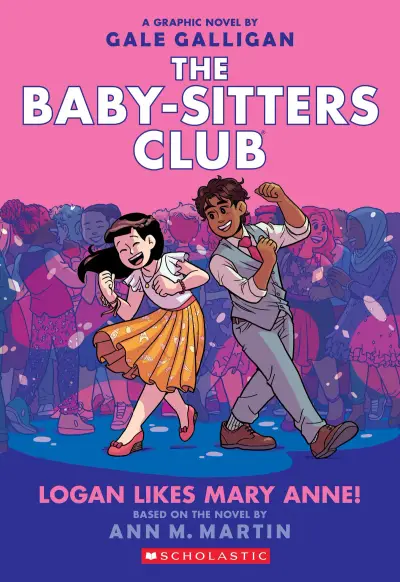
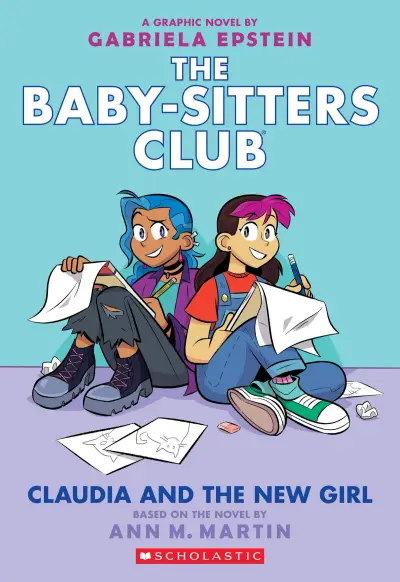
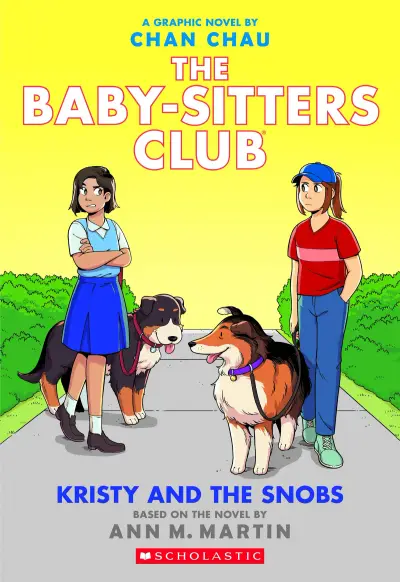
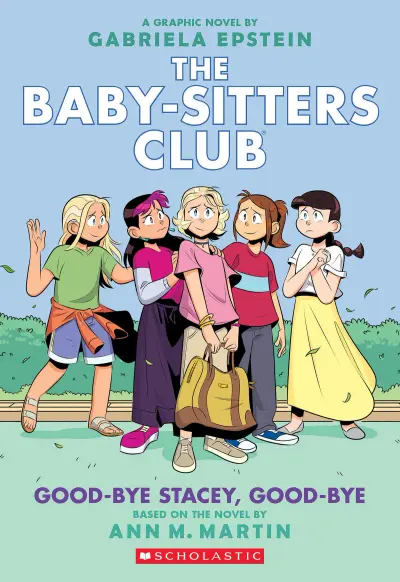
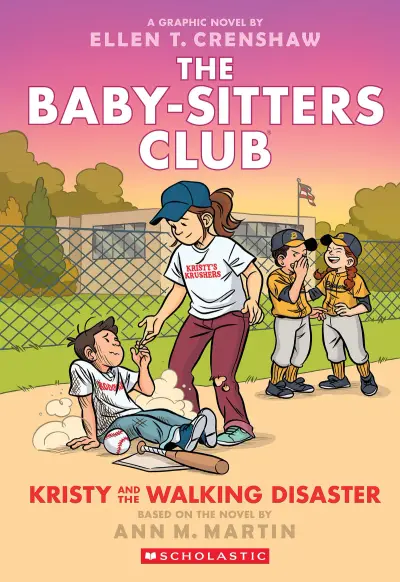
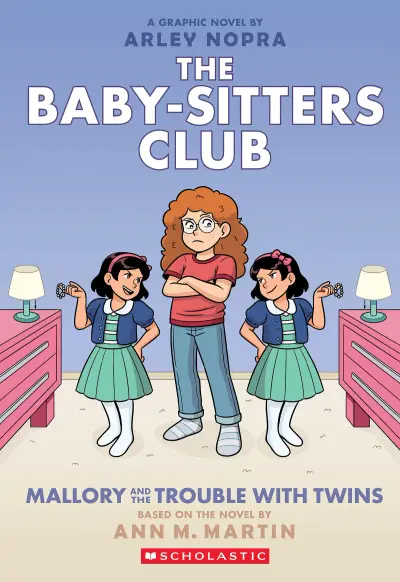
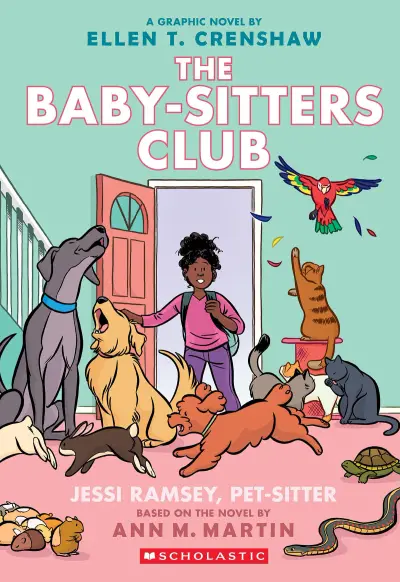
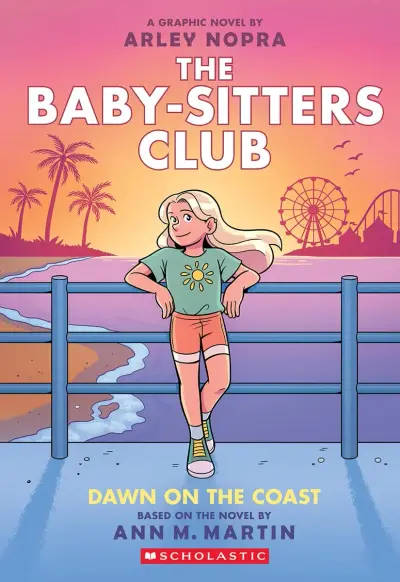
The Baby-Sitters Club Graphix.
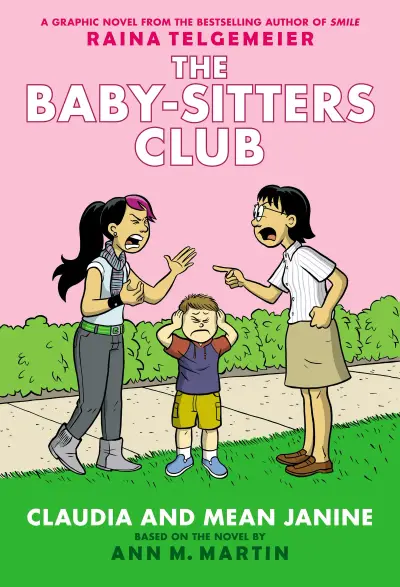
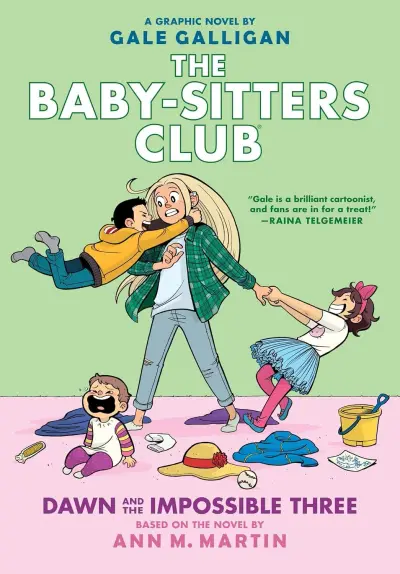
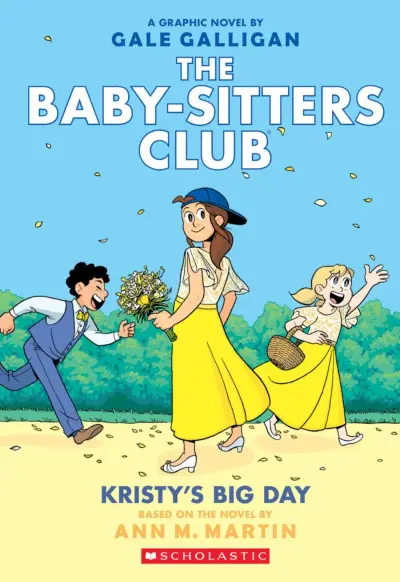
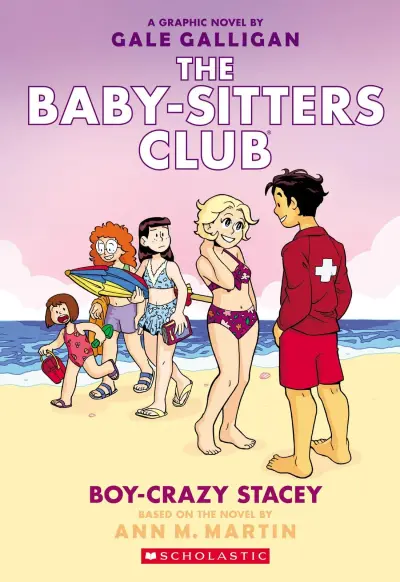
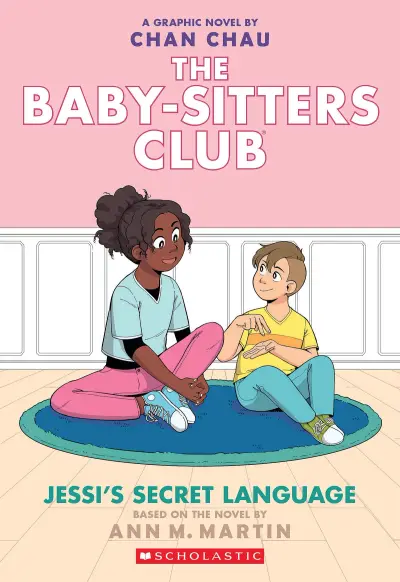
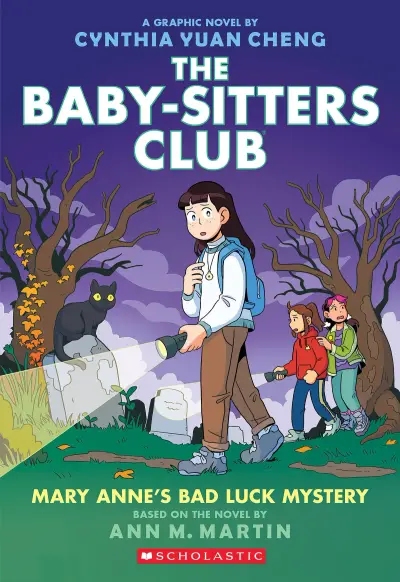
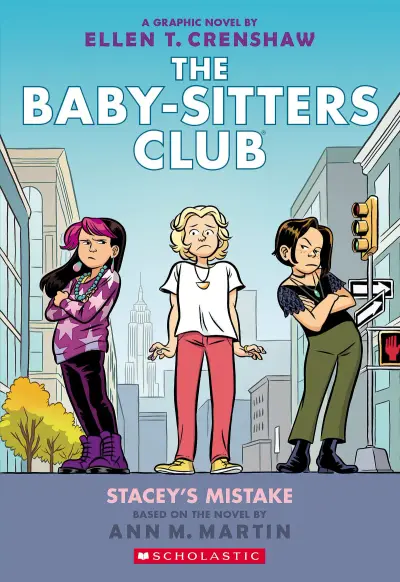
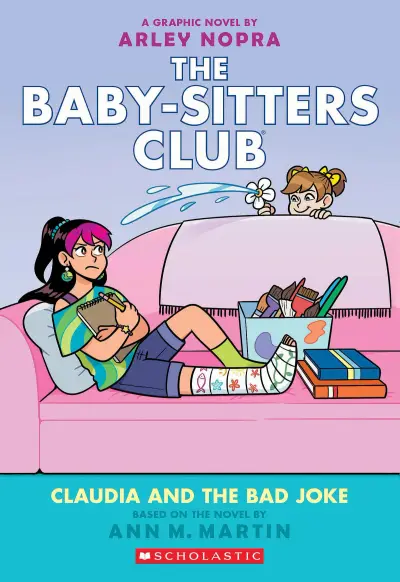
19 books · open the series →
About the creators
About the creators.
If you liked this
Three ways out of this book.
If you liked this, try…
Lateral matches. Same shelf, different texture.

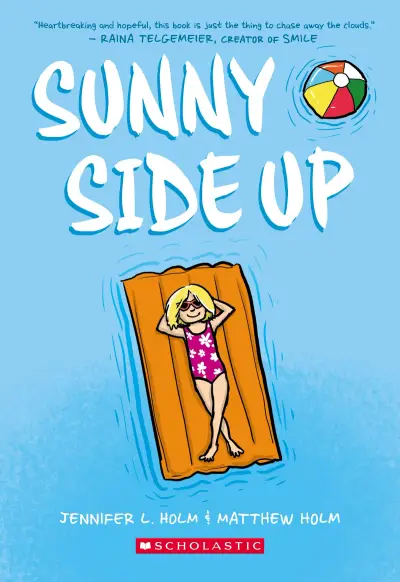

Come into this from…
Easier or preparing reads — perfect lead-ins.
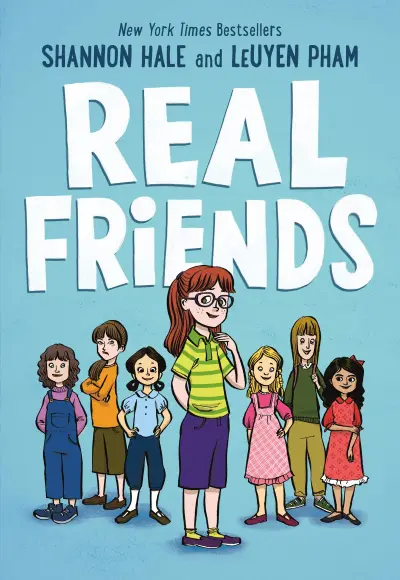
Where to go next…
Escalation reads — a step up in scale, silliness, or stakes.